
In This Article
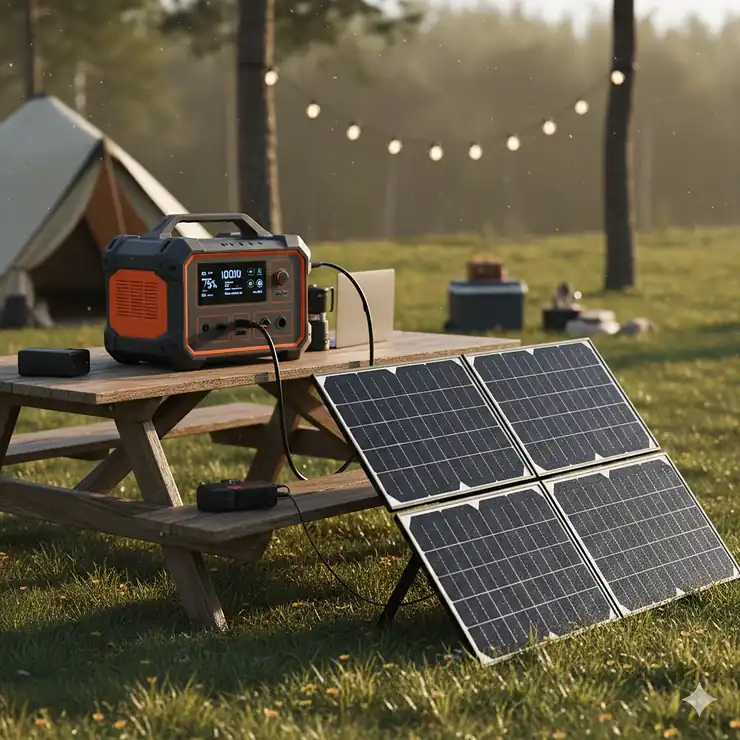
Picture this: you’re deep in the mountains, miles from civilization, when your phone battery hits 5%. Or worse—a storm knocks out power for days, and your refrigerator full of food starts warming up. Enter the 1000 watt solar generator, your ticket to energy independence that doesn’t require a drop of gasoline or produce a single toxic fume.
A 1000 watt solar generator represents the sweet spot in portable power solutions. It’s powerful enough to run essential appliances like refrigerators, medical equipment, and multiple devices simultaneously, yet portable enough to bring on camping trips or store easily for emergencies. These compact powerhouses capture energy from the sun, converting solar radiation into electricity through photovoltaic systems, giving you clean, renewable power whenever and wherever you need it.
Whether you’re a weekend warrior seeking off-grid adventures, a homeowner preparing for unexpected outages, or simply someone who wants to reduce their carbon footprint, the 1000 watt solar generator market in 2025 offers remarkable options. I’ve spent weeks researching, comparing specs, and analyzing real customer feedback to bring you this comprehensive guide. Let’s dive into what makes these devices game-changers and which models deserve your hard-earned money.
Quick Comparison Table
| Product | Capacity | Output | Weight | Price Range |
|---|---|---|---|---|
| Jackery Explorer 1000 V2 | 1070Wh | 1500W | 23.8 lbs | $649-$899 |
| EcoFlow DELTA 1000 | 1008Wh | 1600W | ~30 lbs | $799-$999 |
| GRECELL 999Wh | 999Wh | 1000W | ~24 lbs | $399-$599 |
| Anker SOLIX C1000 Gen 2 | 1024Wh | 2000W | ~27 lbs | $549-$799 |
| Barphygo 1000W | 1024Wh | 1000W | ~25 lbs | $449-$649 |
| EcoFlow DELTA 2 | 1024Wh | 1800W | ~27 lbs | $699-$999 |
| BROWEY 1000W | 614Wh | 1000W | ~20 lbs | $299-$499 |
💬 Just one click – help others make better buying decisions too! 😊
Top 7 1000 Watt Solar Generators: Expert Analysis
1. Jackery Explorer 1000 V2 – The Premium Choice
The Jackery Explorer 1000 V2 features a 1070Wh capacity with 1500W AC output and a peak surge of 3000W, making it one of the most powerful options in its class. Weighing just 23.8 pounds, it’s impressively portable for its capabilities.
Key Specifications:
- Battery: LiFePO4 (10-year lifespan)
- Charging: 1 hour to full via AC
- Solar compatible with 200W panels
Customer Feedback: Users consistently praise its reliability during extended power outages. One reviewer noted it can run their refrigerator for about half a day, making it ideal for emergency preparedness.
Pros: ✅ Ultra-fast charging (ChargeShield 2.0 technology) ✅ Lightweight design with robust power output ✅ Long lifespan LiFePO4 battery
Cons: ❌ Premium pricing compared to competitors ❌ Requires separate solar panel purchase
Price: $649-$899 | Best For: Those wanting the best quality and don’t mind paying for it
2. EcoFlow DELTA 1000 – The Fast Charger
The EcoFlow DELTA 1000 stands out with its revolutionary X-Stream technology. It can recharge from 0% to 80% in just 1 hour, which is 10 times faster than many competitors. With 1008Wh capacity and 1600W output (3100W surge), this beast handles demanding appliances with ease.
Key Specifications:
- 6 AC outlets, 4 USB ports, 2 USB-C (60W)
- BMS protection for safe operation
- Compatible with up to 400W solar input
Customer Feedback: Customers love the versatility—powering everything from workshop tools to household appliances during outages.
Pros: ✅ Industry-leading recharge speed ✅ Six AC outlets for multiple devices ✅ Robust BMS protection system
Cons: ❌ Heavier than some competitors (~30 lbs) ❌ No app connectivity
Price: $799-$999 | Best For: Users needing quick recharge capabilities
3. GRECELL 999Wh Solar Generator – Best Value Pick
The GRECELL 1000W power station produces a 1000W (2000W surge) pure sine wave output at a fraction of the cost of premium brands. It’s proof that you don’t need to break the bank for reliable portable power.
Key Specifications:
- Capacity: 999Wh lithium battery
- Supports 10 devices simultaneously
- Built-in wireless charging pad
Customer Feedback: Budget-conscious buyers rave about the value proposition, noting it delivers performance comparable to models costing twice as much.
Pros: ✅ Exceptional price-to-performance ratio ✅ Wireless charging capability ✅ LED flashlight with SOS mode
Cons: ❌ Less refined user interface ❌ Shorter warranty period
Price: $399-$599 | Best For: Budget-conscious buyers seeking quality
4. Anker SOLIX C1000 Gen 2 – The Tech Leader
The Anker Solix C1000 Gen 2 with a 200W bifacial solar panel sells for $549, offering impressive power-to-cost ratios. With 1024Wh capacity and 2000W output, it punches above its weight class.
Key Specifications:
- LiFePO4 battery (3,000+ cycles)
- 49-minute fast charging
- Smart app control
Customer Feedback: Tech-savvy users appreciate the intelligent app features and monitoring capabilities that provide real-time insights into power consumption.
Pros: ✅ Highest output in category (2000W) ✅ Advanced smart features ✅ Competitive pricing
Cons: ❌ App dependency for some features ❌ Limited customer service hours
Price: $549-$799 | Best For: Tech enthusiasts wanting smart controls
5. Barphygo 1000W Portable Power Station – The Outdoor Warrior
The Barphygo 1000W with its 1024Wh LiFePO4 battery is built for serious outdoor adventures. It comes bundled with a 200W foldable solar panel, making it a complete off-grid solution right out of the box.
Key Specifications:
- 4 AC outlets, multiple USB ports
- Dual LED flashlight (3 modes)
- Includes solar panel kit
Customer Feedback: Campers and RV enthusiasts highlight the rugged construction and appreciate that everything needed comes in one package.
Pros: ✅ Complete kit with solar panel included ✅ Rugged outdoor-ready design ✅ Excellent for extended trips
Cons: ❌ Heavier when including solar panels ❌ Less brand recognition
Price: $449-$649 | Best For: Serious outdoor adventurers
6. EcoFlow DELTA 2 – The Expandable Powerhouse
The EcoFlow DELTA 2 offers something special: expandability. Starting at 1024Wh, it can expand to an impressive 3040Wh with additional batteries. It features 1800W AC output and 100W USB-C output, making it incredibly versatile.
Key Specifications:
- LiFePO4 battery (10-year lifespan)
- X-Boost technology up to 2400W
- 0-80% charge in 50 minutes
Customer Feedback: Users planning for long-term power needs love the expandability option, calling it “future-proof.”
Pros: ✅ Expandable capacity system ✅ Fast charging capabilities ✅ Long-lasting battery technology
Cons: ❌ Higher initial investment ❌ Expansion batteries sold separately
Price: $699-$999 | Best For: Users with growing power needs
7. BROWEY 1000W with Built-in Solar Panel – The Innovator
The BROWEY 1000W wins the innovation award with its unique built-in 40W foldable solar panel. It won the 2022 German IF Design Innovation Award for this clever integrated design.
Key Specifications:
- 614Wh LiFePO4 battery
- Built-in 40W solar charging
- 1000W output (2000W surge)
Customer Feedback: Users love the convenience of having solar charging built right in, perfect for emergency situations where you might not have a separate panel handy.
Pros: ✅ Unique built-in solar design ✅ Award-winning innovation ✅ Compact and lightweight
Cons: ❌ Lower capacity than competitors ❌ Built-in panel less powerful than external options
Price: $299-$499 | Best For: Minimalists wanting all-in-one convenience
What is a 1000 Watt Solar Generator?
A 1000 watt solar generator is a portable energy storage device that combines a battery, inverter, and charge controller to provide clean electricity. Solar generators capture and store solar energy in a portable power station using solar panels, converting sunlight into usable AC and DC power for your devices.
Think of it as a large, rechargeable battery on steroids. Unlike traditional gas generators that burn fuel and emit fumes, solar generators are silent, emission-free, and require no ongoing fuel costs. The “1000 watt” designation refers to the continuous power output—meaning it can deliver 1000 watts steadily, with many models offering surge capabilities of 2000-3000 watts for brief periods when appliances start up. According to the U.S. Department of Energy, solar technologies convert sunlight into electrical energy through photovoltaic panels or mirrors that concentrate solar radiation.
These devices typically weigh between 20-30 pounds and feature multiple outlet types: standard AC plugs like you’d find in your walls, USB ports for phones and tablets, USB-C for laptops, and DC outputs for specialized equipment. Solar energy is recognized as an essential source of renewable energy, with technologies broadly characterized as either passive or active solar depending on how they capture and distribute power.
Benefits of Choosing a 1000 Watt Solar Generator
Freedom from the Grid
Imagine never worrying about finding an outlet again. Whether you’re working remotely from a mountaintop, camping deep in the wilderness, or simply enjoying your backyard at night, a 1000 watt solar generator gives you energy independence. You’re no longer tethered to wall outlets or noisy, smelly gas generators.
Emergency Preparedness That Actually Works
When storms knock out power, most people scramble for candles and flashlights. But with a 1000 watt solar generator, you keep the lights on, the refrigerator running, and your communication devices charged. During the 2024 hurricane season, countless users reported how their solar generators kept their families safe and connected when the grid failed for days.
Environmental Sustainability
Every kilowatt-hour your solar generator produces is one less pulled from coal or natural gas plants. According to the U.S. Energy Information Administration, solar electricity is one of the fastest-growing sources of energy in the world, with solar photovoltaic systems converting sunlight directly into electricity. Over its lifetime, a single 1000 watt solar generator can offset thousands of pounds of CO2 emissions.
Cost Savings Over Time
Sure, the upfront cost might give you pause, but consider this: no fuel to buy, minimal maintenance, and potential tax credits for renewable energy. Many users report their generator paid for itself within 2-3 years through reduced electricity bills and eliminated fuel costs.
Quiet Operation
Gas generators roar like chainsaws. Solar generators? Silent as a library. Your neighbors will thank you, wildlife won’t be disturbed, and you can actually enjoy the peace of nature or get some sleep during power outages.
How to Choose the Perfect 1000 Watt Solar Generator
1. Calculate Your Power Needs
Start by listing devices you’ll power simultaneously. A laptop draws 50-100W, a mini-fridge about 100W, LED lights 10-20W each, and phones 10-20W. Add these up to ensure your generator can handle the load. Remember to account for surge power—fridges and fans need extra watts when starting.
2. Consider Battery Capacity (Wh)
Capacity determines runtime. A 1000Wh battery running a 100W device lasts approximately 10 hours (accounting for efficiency losses). For weekend camping, 500-800Wh might suffice. For home backup, look for 1000Wh+.
3. Evaluate Portability Requirements
Will you carry it hiking? Weight matters—aim for under 25 lbs. Using it at a campsite you drive to? A heavier 30-35 lb model with more capacity works fine. Some models include wheels and telescoping handles for easier transport.
4. Check Charging Options
The best units offer multiple charging methods: AC wall outlet (fastest), solar panels (most versatile), and 12V car adapter (convenient). EcoFlow solar generators feature high-efficiency panels and flexible power outputs for maximum charging versatility.
5. Examine Outlet Variety
Count your devices. Need to charge four phones, two laptops, and run a small appliance? You’ll want multiple AC outlets, several USB-A ports, at least one USB-C PD port, and maybe a 12V car socket. Don’t skimp here—running out of ports is frustrating.
6. Research Battery Technology
LiFePO4 (lithium iron phosphate) batteries last longer and handle more charge cycles than standard lithium-ion. Expect 2,000-4,000 cycles from LiFePO4 versus 500-1,000 from lithium-ion. That translates to years more lifespan.
7. Compare Solar Panel Compatibility
Can you add panels later? What’s the maximum solar input? Higher wattage panels charge faster. Look for MPPT charge controllers—they extract maximum power from panels, charging up to 30% faster than older PWM controllers.
Understanding Power Output vs. Battery Capacity
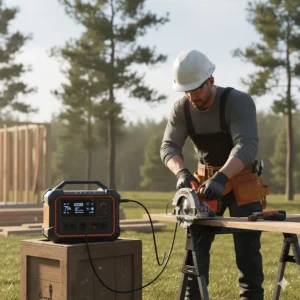
Here’s where folks often get confused: a 1000 watt solar generator doesn’t mean 1000Wh of battery capacity. Watts measure power output (how much energy flows at one moment), while watt-hours measure capacity (total energy stored).
Think of it like a car: horsepower is like watts (how fast you can go), while the gas tank size is like watt-hours (how long you can drive). A unit might deliver 1000W continuously but store 1200Wh, 800Wh, or any other amount of energy.
Runtime calculation: Divide battery capacity by device wattage, then multiply by 0.85 (accounting for efficiency losses). A 1000Wh battery powering a 100W device: 1000 ÷ 100 × 0.85 = 8.5 hours of runtime.
Surge vs. continuous power: Most appliances need extra power when starting—refrigerators, for instance, might run at 150W but need 500W surge power for a few seconds when the compressor kicks on. Your generator must handle these surge demands.
Real-World Applications and Use Cases
Weekend Camping Adventures
Sarah, a photographer from Colorado, brings her 1000 watt solar generator on every shoot. “I charge camera batteries, power my laptop for editing, and run a portable fridge keeping drinks cold. The 100W solar panel keeps everything topped off during the day. It’s revolutionized my workflow.”
Home Emergency Backup
During the 2024 Texas ice storms, Mark’s family stayed comfortable while neighbors struggled. “Our Jackery kept the refrigerator, internet router, and several lights running for three days straight. We recharged it partially with solar between storms. Worth every penny.”
RV Living Freedom
The Johnson family sold their house to travel full-time in their RV. “We installed 400W of solar panels feeding our 1000 watt solar generator. Combined with our RV batteries, we can boondock for weeks without hookups. Coffee maker, microwave, laptops—everything works.”
Outdoor Events and Tailgating
Jessica runs a mobile coffee cart. “Gas generators were loud and turned customers away. My EcoFlow is silent, doesn’t smell, and customers love that we’re eco-friendly. It powers my espresso machine and grinder for a full day of service.”
Remote Work Locations
Digital nomads have discovered 1000W generators enable work from anywhere. Charge laptops, phones, portable monitors, and even run a Starlink satellite internet system—all from a beach, mountain cabin, or van.
Comparison: Solar Generator vs. Traditional Gas Generator
| Feature | Solar Generator | Gas Generator |
|---|---|---|
| Noise Level | Silent operation | 60-90 decibels (loud) |
| Emissions | Zero emissions | CO, NOx, particulates |
| Fuel Cost | Free (sunlight) | $3-5/hour operation |
| Maintenance | Minimal (occasional cleaning) | Regular oil changes, repairs |
| Indoor Use | Completely safe | Dangerous (carbon monoxide) |
| Lifespan | 10+ years | 3-5 years average |
| Startup Time | Instant | Manual pull-start |
| Weight | 20-30 lbs | 50-100+ lbs |
The choice is clear for most applications: solar generators win on nearly every metric except raw power output and extended runtime without sunlight.
Solar Panel Pairing Recommendations
Your 1000 watt solar generator is only as good as its charging capability. Photovoltaic panels convert sunlight into electrical direct current through the photoelectric effect, and pairing the right panels maximizes your generator’s potential.
Optimal Wattage: For 1000Wh capacity units, pair with 200-400W of solar panels. This provides 4-6 hour charging in good sunlight.
Panel Types:
- Monocrystalline: Most efficient (20-23%), best for limited space
- Bifacial: Captures light from both sides, 15-20% more power
- Foldable Portable: Convenient for camping, easy storage
Connection Tips: Many generators support multiple panels in parallel. Two 200W panels charge faster than one, though you’ll need proper connectors. Always check your generator’s maximum solar input rating—exceeding it won’t charge faster and might damage the unit.
Real-World Charging: In optimal conditions (full sun, perpendicular panels), a 200W panel delivers 150-170W actual power. Clouds, angles, and shade reduce output. Plan accordingly.
Maintenance and Longevity Tips
Keep It Clean
Dust and debris reduce solar panel efficiency. Wipe panels monthly with a damp cloth. Clean generator vents to prevent overheating. Store in a dry, moderate-temperature environment when not in use.
Battery Care Matters
LiFePO4 batteries last longest when kept between 20-80% charge. If storing for months, charge to 50-60% and check every 3 months. Avoid extreme temperatures—cold reduces capacity, heat degrades cells.
Firmware Updates
Modern generators include software running charge controllers and power management. Check manufacturer websites quarterly for firmware updates that improve performance or fix bugs.
Cycle Regularly
Don’t let your generator sit unused for months. Run it through a full charge-discharge cycle every 3-4 months to keep the battery healthy. Use it or lose it applies here.
Proper Storage
Keep in a climate-controlled space when possible. Garages work if temperature-stable. Basements are ideal. Avoid damp areas that might cause corrosion.
Common Mistakes to Avoid
Mistake #1: Underestimating Power Needs Calculate total wattage carefully. Running a generator at 100% capacity continuously shortens its lifespan. Aim for 70-80% max usage.
Mistake #2: Ignoring Surge Power That fridge might run at 150W but needs 500W to start. Your generator must handle surge wattage or it’ll shut off when the compressor kicks in.
Mistake #3: Buying Undersized Solar Panels A tiny 50W panel takes forever to charge a 1000Wh battery—roughly 20+ hours in perfect sun. Invest in adequate solar capacity from the start.
Mistake #4: Expecting Gas Generator Performance Solar generators excel at efficiency and convenience, not raw power. Don’t expect to run central AC or electric ovens. Stick to moderate loads.
Mistake #5: Neglecting Expansion Options Your power needs grow over time. Buy a system that accepts extra batteries or more solar panels rather than replacing entirely later.
Safety Considerations and Best Practices
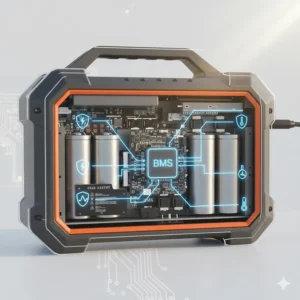
Modern 1000 watt solar generators include numerous safety features, but understanding proper use prevents issues:
Temperature Management: Lithium batteries hate extremes. Don’t charge below 32°F or above 104°F. Operating range is wider, but charging in extreme cold damages cells permanently.
Ventilation Requirements: While solar generators are safe indoors, ensure airflow around vents during operation. Heat buildup reduces efficiency and shortens lifespan.
Overload Protection: Built-in systems shut down if you exceed capacity, but repeated triggers damage components. Know your limits and respect them.
Water and Moisture: Most units aren’t waterproof. Light rain? Use a cover. Heavy downpour? Bring it inside. Damp environments risk short circuits.
Proper Grounding: For high-power AC applications, ensure proper grounding. Most units include grounding posts—use them for large appliances.
✨ Don’t Miss These Exclusive Deals!
🔍 Take your off-grid adventures and emergency preparedness to the next level with these carefully selected 1000 watt solar generators. Click on any highlighted product above to check current pricing and availability on Amazon. These power solutions will help you create authentic energy independence your family will love!
Frequently Asked Questions
❓ How long will a 1000 watt solar generator run a refrigerator?
❓ Can you run a 1000 watt solar generator while charging?
❓ How many solar panels do I need for a 1000 watt solar generator?
❓ Are 1000 watt solar generators worth the investment?
❓ What's the difference between 1000W output and 1000Wh capacity?
Conclusion: Your Path to Energy Independence Starts Here
The 1000 watt solar generator market in 2025 offers exceptional options for every budget and use case. Whether you prioritize the premium quality of the Jackery Explorer 1000 V2, the fast-charging prowess of the EcoFlow DELTA 1000, or the outstanding value of the GRECELL 999Wh, there’s a perfect match for your needs.
These aren’t just gadgets—they’re investments in energy independence, environmental responsibility, and peace of mind. When the grid fails, storms rage, or you venture beyond civilization’s reach, you’ll have reliable power at your fingertips. No noise, no fumes, no fuel costs—just clean, renewable energy harnessed from the sun.
Start by honestly assessing your power needs, calculating your typical usage, and determining your budget. Consider where you’ll use it most: camping trips require portability, home backup demands capacity, and RV living benefits from expandability. Then match those needs to the models reviewed above.
The technology has matured beautifully. Modern 1000 watt solar generators are reliable, efficient, and more affordable than ever. Solar generation capacity has grown dramatically, exceeding 1 terawatt in 2024, proving renewable energy isn’t just feasible—it’s taking over.
Your journey to energy freedom doesn’t require solar panels covering your entire roof or massive battery banks in your garage. It starts with one smart decision: choosing the right 1000 watt solar generator for your lifestyle. The models reviewed here represent the best options available, backed by real performance, genuine customer satisfaction, and proven reliability.
Ready to break free from the grid? Pick your generator, grab some solar panels, and experience the quiet confidence of knowing you’ll have power when everyone else is left in the dark. As research from the National Renewable Energy Laboratory confirms, solar energy systems on buildings have minimal environmental effects while providing substantial benefits for energy independence.
Recommended for You
- 7 Best 1000 Watt Generators of 2025: Complete Buying Guide
- Glue Plastic and Metal: 7 Best Adhesives That Actually Work
- Best Glue for Rubber to Metal: Top 7 Adhesives (2025)
Disclaimer: This article contains affiliate links. If you purchase products through these links, we may earn a small commission at no additional cost to you.
✨ Found this helpful? Share it with your friends! 💬🤗
