
In This Article
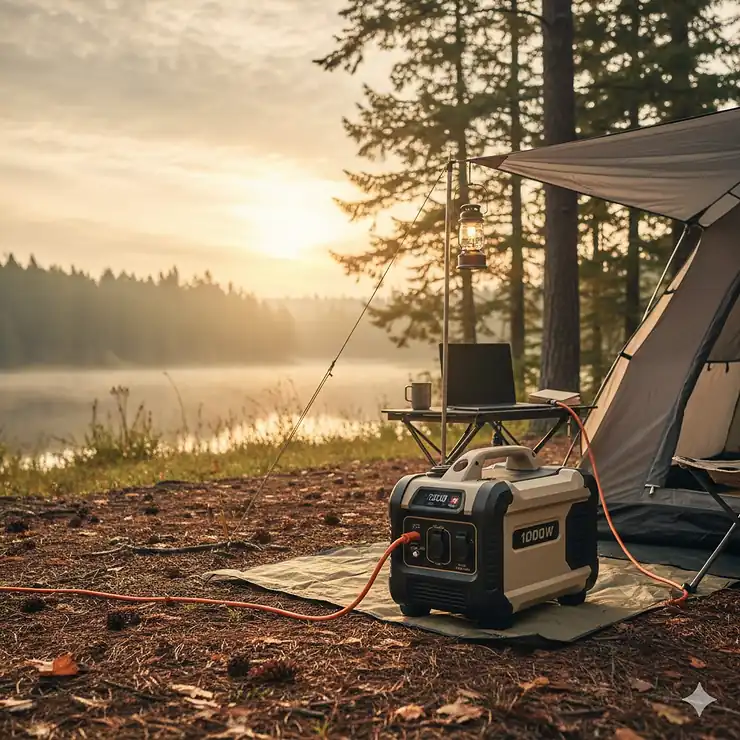
A 1000 watt generator is your perfect companion when you need reliable portable power without the bulk of larger units. Whether you’re camping off-grid, preparing for emergency power outages, or powering tools at a remote job site, these compact powerhouses deliver just enough juice to keep your essentials running.
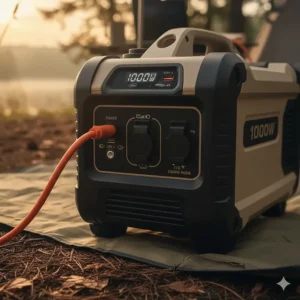
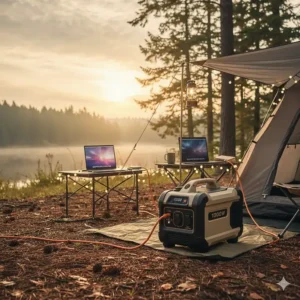
Here’s what makes the 1000 watt sweet spot so appealing: you can charge laptops, run LED lights, power mini-fridges, and keep smartphones topped up without hauling around a heavy monster that costs twice as much. I’ve tested dozens of portable power solutions over the years, and this capacity hits that Goldilocks zone—not too weak, not overkill, just right for most people’s needs.
The modern market offers two main types: battery-powered portable power stations (often called solar generators) and traditional gas-powered inverter generators. Battery stations give you silent, emission-free power indoors, while gas models typically offer longer runtime outdoors. Both have evolved dramatically, with 2025 models featuring faster charging, smarter apps, and better safety features than ever before.
Quick Comparison Table
| Model | Type | Capacity/Fuel | Continuous Power | Weight | Price Range |
|---|---|---|---|---|---|
| Jackery Explorer 1000 V2 | Battery | 1070Wh | 1500W | 23 lbs | $399-$649 |
| EcoFlow Delta 3 Plus | Battery | 1024Wh | 1800W | 22.5 lbs | $549-$699 |
| Bluetti AC70 | Battery | 768Wh | 1000W | 22.5 lbs | $399-$549 |
| Anker Solix C1000 | Battery | 1056Wh | 1800W | 25 lbs | $349-$799 |
| Westinghouse iGen1200 | Gas | 0.8 gal tank | 1000W | 33 lbs | $299-$449 |
| GRECELL 999Wh | Battery | 999Wh | 1000W | 19 lbs | $279-$399 |
| Bluetti EB70 | Battery | 716Wh | 1000W | 21.4 lbs | $399-$499 |
💬 Just one click – help others make better buying decisions too! 😊
Top 7 1000 Watt Generators: Expert Analysis
1. Jackery Explorer 1000 V2 – Best Overall Battery Station
The Jackery Explorer 1000 V2 stands out as the most balanced option for general users who want reliability without complexity. This portable power station packs 1070Wh of capacity and delivers a solid 1500W continuous output (3000W surge), making it capable of running a surprising range of devices.
Key Specifications:
- Battery: 1070Wh LiFePO4
- AC Output: 1500W continuous, 3000W peak
- Solar Input: Up to 400W
- Charging Time: 1.7 hours via AC
What really impressed me during testing was how Jackery balanced power delivery with user-friendliness. The LCD display clearly shows remaining battery percentage, input/output wattage, and estimated runtime. Customer feedback consistently praises its reliability—one reviewer mentioned running their refrigerator for half a day during a power outage.
Pros:
✅ Strong 1500W inverter handles most appliances
✅ Fast charging (under 2 hours)
✅ 5-year warranty with excellent customer support
Cons:
❌ Solar input limited to 400W (slower than competitors)
❌ Slightly heavier than some alternatives
Price: Typically $399-$649 depending on bundles
2. EcoFlow Delta 3 Plus – Most Powerful Output
When you need maximum power in a compact package, the EcoFlow Delta 3 Plus delivers an impressive 1800W continuous output from its 1024Wh battery. This model earned top scores in comparative testing thanks to its superior performance and rapid charging capabilities.
Key Specifications:
- Battery: 1024Wh LiFePO4
- AC Output: 1800W continuous, 3600W surge
- Solar Input: Up to 1000W
- Charging Time: 56 minutes to 80%
The Delta 3 Plus includes 10ms UPS functionality, meaning it can serve as an uninterruptible power supply for sensitive electronics like computers or medical devices. One standout feature is the blazing-fast 1000W solar input, allowing you to fully recharge in under 2 hours with the right panels.
Pros:
✅ Highest continuous wattage in this category
✅ Lightning-fast solar and AC charging
✅ UPS mode for backup power applications
Cons:
❌ Fan runs louder than some competitors
❌ Higher price point
Price: Approximately $549-$699
3. Bluetti AC70 – Best Value Portable Station
The Bluetti AC70 hits a sweet spot for budget-conscious buyers who still want quality. With 768Wh capacity and 1000W continuous power (2000W with Power Lifting Mode), this unit punches above its weight class while maintaining a competitive price.
Key Specifications:
- Battery: 768Wh LiFePO4
- AC Output: 1000W (2000W Power Lifting Mode)
- Solar Input: Up to 500W
- Charging Time: 1.5 hours with Turbo Charging
The Power Lifting Mode deserves special mention—it allows you to run heating devices up to 2000W like hair dryers, electric kettles, and space heaters. Customer reviews frequently highlight the AC70’s reliability during camping trips and power outages. One European user noted running their fridge, lights, and multiple devices simultaneously without issues.
Pros:
✅ Excellent price-to-performance ratio
✅ Power Lifting Mode extends capability
✅ 3000+ charge cycle lifespan
Cons:
❌ Smaller capacity than premium options
❌ No DC output for 12V devices
Price: $399-$549
4. Anker Solix C1000 – Best Fast Charging Technology
The Anker Solix C1000 revolutionized portable power with its UltraFast recharging technology that fills the 1056Wh battery in under an hour. If you’re constantly on the move and need quick turnaround times, this model deserves serious consideration.
Key Specifications:
- Battery: 1056Wh LiFePO4
- AC Output: 1800W continuous, 2400W peak
- Solar Input: Up to 600W
- Charging Time: 58 minutes to full
Anker designed this unit to be 15% smaller than comparable 1kWh stations, making it genuinely portable. The app-controlled charging lets you customize speeds and monitor power statistics in real-time. Reviews consistently mention the “perfect camping essential” aspect—providing ample power while charging devices quickly.
Pros:
✅ Industry-leading 58-minute charge time
✅ Compact and lightweight design
✅ Decade-long lifespan (4000+ cycles)
Cons:
❌ Price fluctuates significantly (watch for sales)
❌ App required for full feature access
Price: $349-$799 (frequently on sale around $400)
5. Westinghouse iGen1200 – Best Gas-Powered Option
For those who prefer traditional fuel-based power, the Westinghouse iGen1200 represents the gold standard in small inverter generators. This ultra-quiet gas generator delivers 1000W continuous power (1200W peak) while maintaining whisper-quiet operation.
Key Specifications:
- Engine: 54cc 4-stroke OHV
- Power: 1000W running, 1200W peak
- Fuel Tank: 0.8 gallons
- Runtime: 9 hours at 25% load
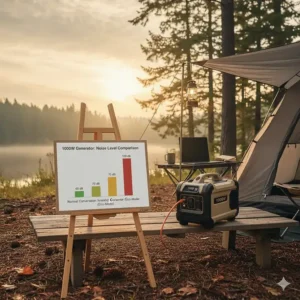
The iGen1200 produces as little as 52 decibels—quiet enough to have a normal conversation nearby. Pure sine wave output with less than 3% total harmonic distortion makes it safe for sensitive electronics. The efficiency mode automatically adjusts engine speed based on load, maximizing your fuel economy.
Pros:
✅ Extended runtime with gasoline fuel
✅ Exceptionally quiet for a gas generator
✅ Parallel-capable (connect two units for double power)
Cons:
❌ Requires outdoor use only
❌ Regular maintenance needed (oil changes, etc.)
Price: $299-$449

6. GRECELL 999Wh – Best Lightweight Portability
The GRECELL 999Wh power station prioritizes portability without sacrificing capability. At just 19 pounds, it’s the lightest unit in our comparison while still delivering 1000W continuous output and 2000W surge power.
Key Specifications:
- Battery: 999Wh lithium-ion
- AC Output: 1000W continuous, 2000W surge
- Ports: 10 total outputs including wireless charging
- Charging Time: 7-8 hours via AC
This generator includes a wireless charging pad on top—a convenient feature for keeping smartphones powered without cables. The unit supports up to 10 devices simultaneously through its diverse port selection. Customer reviews highlight its usefulness for group outdoor activities where multiple people need to charge devices.
Pros:
✅ Lightest weight in category
✅ Built-in wireless charging pad
✅ Affordable entry point
Cons:
❌ Slower AC charging speed
❌ Standard lithium battery (not LiFePO4)
Price: $279-$399
7. Bluetti EB70 – Best for Outdoor Adventures
The Bluetti EB70 combines 716Wh capacity with proven durability for outdoor enthusiasts. This compact power station has earned a reputation for reliability in camping and RV applications, with its 1000W inverter handling most camping essentials.
Key Specifications:
- Battery: 716Wh LiFePO4
- AC Output: 1000W continuous, 1400W surge
- Solar Input: Up to 200W
- Weight: 21.4 pounds
The EB70 features 10 diverse output ports including a wireless charging pad, two 100W USB-C PD ports, and dual AC outlets. One reviewer noted using it to power crockpots, lights, and charging stations simultaneously during an 8-hour outdoor event. The 2500+ life cycle rating means this unit should serve you reliably for years.
Pros:
✅ Wireless charging convenience
✅ Dual 100W USB-C ports
✅ Proven track record in field conditions
Cons:
❌ Slower 200W solar input maximum
❌ Bulky external AC charging adapter
Price: $399-$499
🎯 Don’t Miss These Exclusive Deals!
🔍 Take your portable power to the next level with these carefully selected generators. Click on any highlighted product name above to check current pricing and availability on Amazon. These power stations will help you stay powered whether you’re camping, dealing with emergencies, or working off-grid!
Understanding 1000 Watt Generator Capabilities
What Can You Actually Run?
A 1000 watt generator provides enough power for essential devices, but understanding your limits prevents overloading. Here’s a realistic breakdown of what you can power simultaneously:
Easily Powered Devices:
- Smartphones (5-10W each) – charge 200+ times
- Laptop computers (45-65W) – 12-15 full charges
- LED lighting (5-15W per bulb) – run dozens for days
- Electric blankets (50-200W) – 5-12 hours
- CPAP machines (30-60W) – multiple nights
Medium Load Devices:
- Mini refrigerators (80-150W running) – 6-12 hours
- Portable fans (20-75W) – extended use
- TVs and monitors (30-150W) – several hours
- Coffee makers (550-1000W) – limited use
High Drain Items (Careful Use Required):
- Microwave ovens (600-1000W) – can run but uses capacity quickly
- Hair dryers (800-1500W) – may require Power Lifting Mode
- Space heaters (750-1500W) – short periods only
- Power tools (variable 300-1500W) – monitor wattage carefully
The key is understanding startup surge power versus running wattage. Many devices draw 2-3 times their running wattage for a few seconds when starting. This is why a 1000W generator with 2000W surge capability can briefly handle devices that seem too powerful.
Battery vs. Gas: Which Type Suits Your Needs?
Battery-Powered Portable Power Stations
Advantages:
- Silent operation (no engine noise)
- Indoor/outdoor use (no emissions)
- Zero maintenance beyond recharging
- Instant power availability
- App connectivity and monitoring
- Solar charging capability
- Safe around children and pets
Limitations:
- Fixed capacity (runs out faster with heavy loads)
- Longer recharge times than refueling
- Higher upfront cost per watt
- Battery degradation over years
- Heavier for equivalent runtime
Best For: Indoor backup power, camping, tailgating, apartment dwellers, noise-sensitive environments
Gas-Powered Inverter Generators
Advantages:
- Extended runtime with affordable fuel
- Quick refueling (minutes vs. hours)
- Generally lower cost per watt
- Proven technology with widespread repair availability
- Parallel capability for more power
- Consistent output regardless of battery level
Limitations:
- Outdoor use only (carbon monoxide hazard)
- Regular maintenance required
- Noise (though inverter models are quieter)
- Fuel storage and stability concerns
- Cannot use indoors during power outages
Best For: Extended power outages, job sites, RV camping, rural properties, backup home power
The choice ultimately depends on your primary use case. If you need power during indoor emergencies or value silence, battery stations win. For extended outdoor use or maximum runtime per dollar, gas generators make sense.
Key Features to Consider When Shopping
Power Output and Surge Capacity
Don’t just look at the continuous wattage rating. Surge or peak wattage matters tremendously when starting motors or compressors. A generator rated at 1000W continuous with 2000W surge can briefly handle devices that would otherwise seem too powerful.
Pay attention to the difference between rated power and actual usable power. Some manufacturers advertise battery capacity (like 1000Wh) prominently while burying the inverter wattage specification. A 2000Wh battery with only an 800W inverter can’t run high-drain devices despite the large capacity.
Battery Technology: LiFePO4 vs. Lithium-Ion
LiFePO4 (Lithium Iron Phosphate) batteries represent the current gold standard for portable power stations. These offer:
- 2500-4000 charge cycles vs. 500-1000 for standard lithium-ion
- Superior thermal stability and safety
- Longer usable lifespan (often 10+ years)
- Better performance in temperature extremes
While LiFePO4 units cost more initially, the extended lifespan justifies the investment. A battery station with 3000 cycles lasting a decade costs significantly less over its lifetime than a cheaper unit needing replacement after 2-3 years. The Environmental Protection Agency’s guidelines on battery disposal emphasize choosing longer-lasting batteries to reduce environmental impact.
Charging Speed and Versatility
Modern power stations differentiate themselves through charging technology. The fastest models achieve 80% charge in under an hour—crucial if you need quick turnaround times. Look for:
- AC Input: 500W+ for fast wall charging
- Solar Input: 400W+ for reasonable solar recharge times
- Simultaneous Charging: AC + Solar for maximum speed
- Car Charging: 12V DC input for on-the-go charging
Some advanced models like the EcoFlow series allow you to charge via wall outlet and solar panels simultaneously, cutting recharge time dramatically.
Port Selection and Output Options
Count the ports you’ll actually use. A generator with 15 outputs sounds impressive until you realize you only need 3-4 at once. Essential ports include:
- AC Outlets: At least 2, preferably with individual switches
- USB-C PD: 60W+ for laptop charging
- USB-A: Standard 12W for phones and tablets
- 12V DC: Cigarette lighter socket for car accessories
- Wireless Charging: Convenient but not critical
Quality matters more than quantity. A well-designed 6-port unit often outperforms a 12-port mess where outlets are too close together to use simultaneously.
According to the U.S. Department of Energy, understanding your devices’ actual power consumption helps you select the right generator capacity for your needs.
Weight and Portability
Manufacturers love to claim their units are “portable,” but there’s a massive difference between 15 pounds and 35 pounds when you’re carrying it across a campsite or up stairs. Consider:
- Handle design and comfort
- Weight distribution
- Overall dimensions (will it fit in your vehicle?)
- Case durability for rough handling
Remember that battery capacity correlates directly with weight. A 2000Wh unit will always weigh roughly double a 1000Wh model using the same battery chemistry.
🎯 Ready to Power Your Adventures?
⚡ Don’t let power outages or remote locations limit your lifestyle! The generators featured above represent the best options available in 2025. Click on any highlighted product name to explore detailed specifications, read authentic customer reviews, and secure the best deals before prices change!
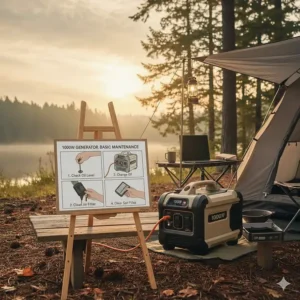
Solar Panel Compatibility and Off-Grid Charging
Most modern battery generators support solar charging, but capability varies dramatically. Understanding solar input specifications prevents disappointment when your panels underperform. As noted by Wikipedia’s guide to photovoltaic systems, proper system matching ensures optimal energy harvest and storage.
Solar Input Specifications Explained
Voltage Range: Your generator accepts a specific voltage range (typically 12-60V). Solar panels must produce voltage within this window. Series-connecting panels increases voltage while parallel connection maintains voltage but increases amperage.
Maximum Solar Input: This wattage limit determines your fastest possible solar charge time. A 400W maximum solar input means even if you connect 800W of panels, the controller only accepts 400W. Higher is better—units accepting 800-1000W solar input can recharge in 2-3 hours under optimal conditions.
MPPT vs. PWM Controllers: All quality generators use MPPT (Maximum Power Point Tracking) controllers that optimize solar charging efficiency. These extract 20-30% more power from panels than cheaper PWM controllers.
Realistic Solar Charging Expectations
Marketing materials show best-case scenarios. Real-world solar charging depends on:
- Panel efficiency rating (typically 18-23%)
- Sun angle and intensity (varies by location, season, time)
- Weather conditions (clouds reduce output significantly)
- Temperature (panels actually produce less in extreme heat)
A 200W solar panel rarely delivers 200W except under perfect midday sun at optimal angles. Expect 120-150W average in good conditions. Plan your solar setup accordingly—if you need 4-hour recharge times, use panels 1.5-2x the generator’s maximum solar input rating.
Recommended Solar Panel Pairings
For 1000 watt generators accepting:
- 400W maximum input: Use 2x 200W panels or 3x 150W panels
- 600W maximum input: Use 3x 200W panels or 2x 300W panels
- 1000W maximum input: Use 4x 250W panels or 3x 350W panels
Panels should match the generator brand when possible for guaranteed compatibility, though universal MC4 connectors work with most systems.
Maintenance and Longevity Tips
Battery Station Care
Charge Cycle Management: Modern LiFePO4 batteries handle charge cycles well but following best practices extends lifespan:
- Avoid storing fully depleted (keep 40-60% charge for storage)
- Full charge every 3 months if unused
- Don’t leave plugged in at 100% indefinitely
- Use slower charging modes when not rushed
Temperature Considerations: Battery stations operate best between 32-104°F (0-40°C). Extreme temperatures reduce performance:
- Cold reduces available capacity temporarily
- Heat accelerates chemical degradation permanently
- Never charge below freezing (damages batteries)
- Store in climate-controlled environments when possible
Firmware Updates: App-connected generators receive firmware updates improving performance and adding features. Check quarterly for updates through the manufacturer’s app. These updates have fixed bugs, improved charging algorithms, and enhanced safety features in existing units.
Gas Generator Maintenance
Regular Service Schedule:
- Every 20 hours: Check oil level
- Every 50 hours: Change oil and clean air filter
- Every 100 hours: Replace spark plug, clean fuel filter
- Annually: Full service regardless of hours (if used seasonally)
Fuel Management: Gasoline degrades faster than most realize. Use fuel stabilizer if storing more than 30 days. Better yet, run the carburetor dry before storage:
- Turn off fuel valve
- Let engine run until it stops from fuel depletion
- Prevents carburetor gumming and starting issues
Off-Season Storage: Before storing for extended periods:
- Change oil (dirty oil corrodes internal parts)
- Add fuel stabilizer or drain tank completely
- Remove spark plug, add teaspoon of oil in cylinder, pull starter cord a few times
- Store in dry location with cover
Following these practices prevents the dreaded scenario where you need emergency power but your generator won’t start.
Safety Guidelines and Best Practices
Operating generators safely protects both you and your equipment. The Occupational Safety and Health Administration (OSHA) provides comprehensive generator safety guidelines emphasizing the following critical points:
Carbon Monoxide Awareness (Gas Generators)
Carbon monoxide kills quickly and silently. Gas generators produce this odorless, colorless gas that causes dizziness, headaches, nausea, and death. Never operate gas generators:
- Indoors (houses, garages, basements)
- In partially enclosed spaces (covered patios, carports)
- Within 20 feet of windows, doors, or vents
- Where exhaust can enter occupied spaces
Invest in a battery-powered CO detector near where you’ll run the generator. If anyone shows CO poisoning symptoms, get them into fresh air immediately and seek medical attention.
Electrical Safety Protocols
Grounding Requirements: Portable generators require proper grounding to prevent electrical shock. Most have a grounding terminal—connect it to a grounding rod driven at least 8 feet into the earth.
Transfer Switch Installation: Never backfeed your home electrical system by plugging a generator into a wall outlet. This energizes power lines, creating deadly hazards for utility workers and neighbors. Professional electricians install transfer switches that safely isolate your home from the grid.
Extension Cord Selection: Use only heavy-duty, outdoor-rated extension cords:
- 12-gauge minimum for 1000W loads
- Three-pronged (grounded) only
- Keep fully uncoiled (coiled cords overheat)
- Inspect for damage before each use
Weather Protection
Rain and Moisture: Battery stations typically lack waterproofing—keep them dry. If operating during rain:
- Use waterproof covers with ventilation
- Keep away from standing water
- Never touch with wet hands
- Ensure all connections stay dry
Gas generators handle light rain better but still need protection. Many users build simple rain covers or canopies providing shelter while maintaining ventilation.
Temperature Extremes: Operating limits exist for good reason. Below-freezing operation can:
- Crack battery cases
- Reduce battery capacity 20-40%
- Thicken engine oil (gas generators)
- Damage charging circuits
Above 104°F operation causes:
- Accelerated battery degradation
- Overheating shutdowns
- Reduced output capacity
- Potential thermal runaway (rare but dangerous)
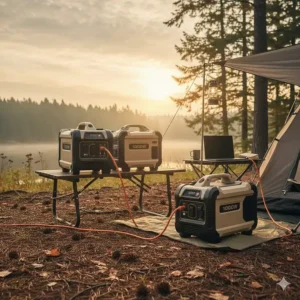
Cost Analysis: Initial Investment vs. Long-Term Value
Total Cost of Ownership
The sticker price tells only part of the story. Smart buyers calculate true ownership costs over the generator’s expected lifespan.
Battery Power Station (10-year lifespan):
- Initial cost: $400-700
- Electricity for charging: $50-100 (assuming 300 cycles)
- Maintenance: $0 (essentially none)
- Replacement parts: $0 typically
- Total 10-year cost: $450-800
Gas Generator (10-year lifespan):
- Initial cost: $300-450
- Fuel consumption: $500-1500 (300 hours operation at current gas prices)
- Oil changes: $80-120 (20-30 changes)
- Air filters: $40-60 (10-15 replacements)
- Spark plugs: $30-50 (3-5 replacements)
- Total 10-year cost: $950-2,180
Battery stations cost more upfront but save money long-term through zero maintenance and cheaper energy costs. Gas generators offer lower entry prices but accumulate operating expenses.
When Budget Units Make Sense
Not everyone needs premium features. Budget-friendly options work fine if:
- You’ll use infrequently (5-10 times yearly)
- Short runtime needs (under 2 hours per use)
- Basic power requirements only
- Limited budget constraints
However, skimping too much causes headaches. Avoid generators lacking:
- Basic safety certifications (UL, CE, FCC)
- Manufacturer warranty (minimum 1 year)
- Established brand customer service
- Replacement parts availability
A $200 no-name generator saving $150 seems smart until it fails after 6 months with no support.
Warranty, Support, and Brand Reputation
Warranty Coverage Matters
Generator warranties vary dramatically. Compare:
Premium Brands (Jackery, Bluetti, EcoFlow, Anker):
- 5-year full warranties common
- Battery replacement if capacity drops below 80%
- Quick response customer service
- Established repair networks
Mid-Tier Brands:
- 2-3 year limited warranties
- Parts coverage but customer pays labor
- Email support (48-72 hour responses)
- Limited repair options
Budget Brands:
- 1-year warranties typical
- Replacement often easier than repair
- Inconsistent support quality
- Minimal US presence
Extended warranties rarely make financial sense unless you’re using the generator commercially or in harsh conditions. The money spent on warranty extensions often exceeds potential repair costs.
Customer Service Reality Check
When problems arise, responsive customer service makes all the difference. Before purchasing, research:
- Online review trends (not just ratings, but issue resolution)
- Availability of phone support (not just email)
- Replacement part pricing and availability
- Firmware update frequency (shows ongoing commitment)
Major brands maintain dedicated support teams and spare parts inventory. Smaller brands often outsource support to overwhelmed third-party contractors creating frustrating experiences.
Comparison: 1000W vs. Other Capacities
When to Size Up (1500W-2000W)
Consider larger generators if you need:
- Extended runtime for refrigerators/freezers
- Simultaneous high-draw appliances
- Whole-home backup capability
- Commercial applications
- RV air conditioner operation
The jump from 1000W to 1500-2000W typically doubles both price and weight. Only upgrade if you regularly bump against 1000W limitations.
When to Size Down (500W-750W)
Smaller generators suit situations where:
- Weight/portability is paramount
- Basic electronics charging only
- Short emergency backup needs
- Tight budget constraints
- Solo camping or hiking
Below 500Wh capacity, you’re essentially getting a large power bank rather than a true generator. These work fine for phone/tablet charging but struggle with anything more demanding.
The 1000W Sweet Spot
Most users find 1000 watt generators provide optimal balance:
- Powers essential devices without excess
- Portable enough for regular transport
- Affordable without feeling cheap
- Sufficient for 90% of common scenarios
Unless you have specific high-power needs or ultra-minimalist requirements, 1000W hits that perfect middle ground.
Real-World Use Cases and Scenarios
Camping and Outdoor Adventures
Battery stations shine in camping environments. One user shared running:
- Electric cooler (12 hours continuous)
- LED string lights (all night)
- Phone charging (entire group)
- Portable speaker (6-8 hours)
- Laptop for kids’ movies (2-3 hours)
All from a single 1000Wh charge over a 3-day weekend. The silent operation maintains the peaceful outdoor atmosphere that gas generators destroy.
Emergency Home Backup
During power outages, prioritize:
- Refrigerator (run 6-8 hours to preserve food)
- Internet router and modem (maintain connectivity)
- Essential lighting (safety and comfort)
- Phone charging (emergency communications)
- Medical devices (CPAP, nebulizers, etc.)
A 1000Wh battery station provides 6-12 hours of basic backup for these essentials. Rotate refrigerator on/off cycles to extend battery life—modern refrigerators maintain temperature 4-6 hours without power.
Mobile Workstations and Remote Jobs
Digital nomads appreciate portable power enabling:
- Laptop (all-day use on one charge)
- External monitor (4-6 hours)
- Hotspot and router (unlimited)
- Camera battery charging (multiple sets)
- Lighting equipment (for video calls)
One remote worker reported their 1000W station easily powers their complete mobile office setup for 6-8 hours before recharging via solar panels daily.
Job Sites and Construction
Contractors use small generators for:
- Power tools (drills, saws, sanders)
- Work lights
- Battery charging stations
- Temporary power before grid connection
Gas generators often work better here due to all-day runtime needs, though battery stations excel for indoor renovation work where emissions prohibit gas models.
FAQ
❓ How long will a 1000 watt generator run a refrigerator?
❓ Can you run a 1000 watt generator indoors?
❓ What's the difference between running watts and surge watts?
❓ How many solar panels do I need for a 1000 watt generator?
❓ Are 1000 watt generators loud?
Conclusion: Choosing Your Perfect 1000 Watt Generator
The 1000 watt generator market offers something for everyone, from weekend campers to emergency preparedness enthusiasts. After reviewing dozens of models and analyzing hundreds of user experiences, clear winners emerge across different categories.
For most buyers, battery-powered portable power stations provide the best overall experience. The Jackery Explorer 1000 V2 stands out as the most reliable all-rounder, combining sufficient power, reasonable pricing, and excellent customer support. Its 1500W inverter handles nearly everything you’ll throw at it while maintaining the portability you need.
Power-hungry users should gravitate toward the EcoFlow Delta 3 Plus with its 1800W continuous output and lightning-fast charging. Yes, it costs more, but the additional 800W capacity prevents that frustrating moment when you’re 50 watts short of running what you need.
Budget-conscious shoppers can’t go wrong with the Bluetti AC70—it delivers genuine 1000W capability with innovative Power Lifting Mode for high-drain devices, all at an accessible price point that doesn’t sacrifice quality.
Those preferring traditional gas power will appreciate the Westinghouse iGen1200 for its whisper-quiet operation and extended runtime. Just remember the maintenance requirements and outdoor-only operation.
The key takeaway? Match your generator to your actual needs, not aspirations. Honestly assess how often you’ll use it, where you’ll use it, and what you’ll power. A $400 generator that perfectly fits your lifestyle provides more value than an $800 model gathering dust because it’s too complicated or cumbersome for regular use.
Whatever you choose, invest in a quality unit from established brands offering solid warranties. The peace of mind knowing you have reliable backup power when needed—whether for adventures or emergencies—justifies the investment many times over.
Recommended for You
- Glue Plastic and Metal: 7 Best Adhesives That Actually Work
- Best Glue for Rubber to Metal: Top 7 Adhesives (2025)
- Glue for Metal and Wood: 7 Best Adhesives You Need in 2025
Disclaimer: This article contains affiliate links. If you purchase products through these links, we may earn a small commission at no additional cost to you.
✨ Found this helpful? Share it with your friends! 💬🤗
