
In This Article
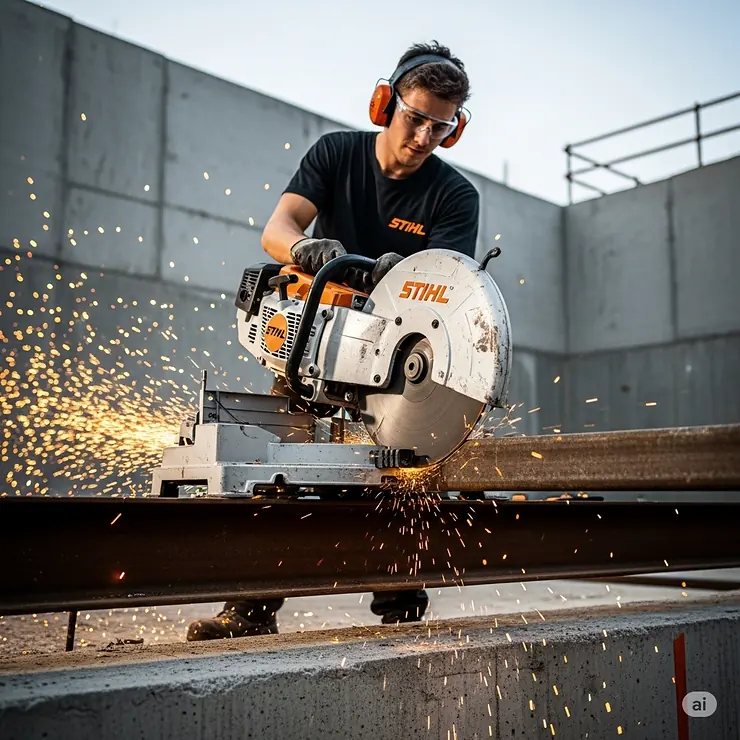
When you need precision cutting power that never quits, nothing beats a quality stihl chop saw. For decades, these German-engineered powerhouses have been the go-to choice for contractors, demolition crews, and serious DIY enthusiasts who demand reliability in the toughest conditions. Whether you’re cutting concrete, rebar, or masonry, the right stihl chop saw can make the difference between a job well done and a frustrating day on site.
✨Was this helpful? Spread the word! 🚀
The construction industry has embraced Stihl’s Cutquik technology as the gold standard for cut-off machines, and for good reason. These aren’t just tools – they’re engineered solutions that deliver consistent performance when everything else falls short. From the compact STIHL TS410 perfect for tight spaces to the heavy-duty STIHL TS800 that tackles the biggest jobs, there’s a model designed specifically for your needs.
What sets a stihl chop saw apart from the competition? It’s the combination of innovative engineering, robust construction, and features that actually work in real-world conditions. The patented X2 air filtration system keeps engines running clean, while anti-vibration technology reduces operator fatigue during extended use. Moreover, Stihl’s commitment to fuel efficiency means you’ll spend less time refueling and more time cutting.
Quick Comparison: Top Stihl Chop Saw Models
| Model | Blade Size | Engine | Weight | Price Range | Best For |
|---|---|---|---|---|---|
| TS410 | 12″ | 66.7cc | 19.8 lbs | $1,300-$1,400 | Light-duty jobs |
| TS420 | 14″ | 66.7cc | 21.2 lbs | $1,400-$1,500 | Most versatile |
| TS500i | 14″ | 72.2cc | 21.6 lbs | $1,600-$1,800 | Fuel injection |
| TS700 | 14″ | 70.7cc | 22.1 lbs | $1,900-$2,100 | Heavy-duty pro |
| TS800 | 16″ | 98.5cc | 24.7 lbs | $1,900-$2,200 | Maximum power |
| TSA230 | 9″ | Battery | 7.3 lbs | $800-$1,000 | Indoor/quiet jobs |
✅ Pro Tip: Consider your primary cutting material when choosing blade size – 14″ offers the best balance for most applications.
The Ultimate Stihl Chop Saw Breakdown: 7 Models That Define Excellence
1. STIHL TS420: The Construction Site Champion
The STIHL TS420 Cutquik represents the sweet spot in Stihl’s lineup, offering professional-grade performance without breaking the budget. This 14-inch powerhouse features a 66.7cc engine that delivers reliable cutting power while maintaining excellent fuel efficiency through advanced engine technology.
Key Specifications:
- Engine Displacement: 66.7cc (4.07 cu. in.)
- Maximum Blade Diameter: 14 inches
- Cutting Depth: 4.9 inches
- Dry Weight: 21.2 pounds
- RPM: 9,000 (electronic limiter)
- Fuel Tank Capacity: 24.6 fl. oz.
What makes the TS420 special is its combination of the X2 air filtration system and anti-vibration technology. The cyclone pre-separation in the air filter means you’ll spend significantly less time on maintenance, while the vibration dampening system reduces operator fatigue during long cutting sessions.
Real-World Performance: Based on contractor feedback, the TS420 typically runs 8-10 hours on a single tank when cutting standard concrete, making it ideal for all-day jobsite use. The ElastoStart system reduces starting effort by up to 50%, which becomes crucial when you’re starting the saw dozens of times per day.
Price Point: Currently retailing between $1,399-$1,499 at authorized Stihl dealers, with some construction supply stores offering package deals that include diamond blades and protective equipment.
✅ Why Choose This Model: Perfect balance of power, weight, and price for most professional applications
❌ Consider Alternatives If: You need maximum cutting depth or work primarily with materials thicker than 4.9 inches
2. STIHL TS410: Compact Power for Precision Work
The STIHL TS410 Cutquik is the go-to choice when maneuverability matters more than maximum cutting capacity. This 12-inch model shares the same reliable 66.7cc engine as its bigger brother but weighs nearly two pounds less, making it ideal for overhead work or extended use in confined spaces.
Key Specifications:
- Engine Displacement: 66.7cc
- Maximum Blade Diameter: 12 inches
- Cutting Depth: 3.9 inches
- Dry Weight: 19.8 pounds
- Anti-Vibration System: Yes
- X2 Air Filtration: Yes
The TS410 excels in applications where precision matters more than raw cutting capacity. Plumbers, electricians, and HVAC technicians particularly appreciate its lighter weight when making cuts in awkward positions or working from ladders.
Performance Insights: While the smaller blade limits cutting depth, the TS410 actually cuts faster than larger models in materials up to 3 inches thick due to its higher blade speed and optimal power-to-weight ratio.
Current Pricing: Available from $1,339-$1,400, making it an excellent entry point into professional-grade Stihl equipment.
3. STIHL TS500i: Fuel Injection Revolution
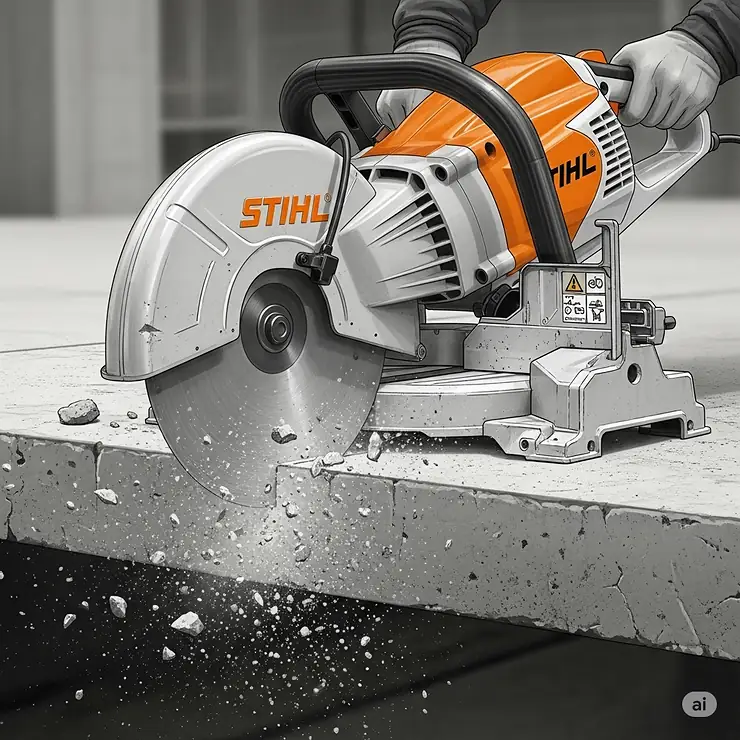
The STIHL TS500i Cutquik represents a quantum leap in cut-off saw technology as the world’s first handheld outdoor power tool with electronic fuel injection. This revolutionary system eliminates the choke, provides instant starts, and delivers 15% more power than comparable carbureted models.
Advanced Technology Features:
- Electronic Fuel Injection: Eliminates flooding and hard starts
- Engine Management System: Optimizes performance automatically
- 72.2cc Engine: Most powerful in the 14-inch class
- Intelligent Starting: No choke required
- Advanced Anti-Vibration: 5-point system for maximum comfort
The fuel injection system continuously monitors and adjusts the air-fuel mixture, resulting in consistent power delivery regardless of temperature, altitude, or fuel quality. This translates to better fuel economy, lower emissions, and significantly easier starting – especially crucial in cold weather conditions.
Professional Applications: The TS500i has become the preferred choice for high-volume cutting operations where downtime costs money. Emergency services particularly value the instant-start capability for rescue operations where every second counts.
Investment Consideration: At $1,600-$1,800, the TS500i commands a premium over carbureted models, but the improved reliability and performance often justify the additional cost for professional users.
4. STIHL TS700: Heavy-Duty Professional Workhorse
When standard cut-off saws aren’t enough, contractors turn to the STIHL TS700 Cutquik. This 14-inch monster features a specially tuned 70.7cc engine designed for continuous heavy-duty operation and the most demanding cutting applications.
Professional-Grade Specifications:
- Engine Displacement: 70.7cc
- Maximum Power Output: 4.4 kW (5.9 hp)
- 5-Point Anti-Vibration System: Maximum operator comfort
- Heavy-Duty Air Filtration: Extended service intervals
- Professional Ergonomics: Designed for all-day use
- Enhanced Cooling System: Prevents overheating during extended use
The TS700 distinguishes itself through features specifically designed for commercial contractors. The enhanced cooling system prevents power loss during extended cutting sessions, while the 5-point anti-vibration system reduces operator fatigue when cutting reinforced concrete or rebar.
Target Applications: Road construction, commercial demolition, concrete restoration, and any application requiring continuous operation in challenging materials. The TS700 particularly excels when cutting through reinforced concrete, where its extra power maintains blade speed under load.
Professional Investment: Priced at $1,929-$2,100, the TS700 targets serious professionals who need maximum reliability and performance.
5. STIHL TS800: Maximum Power, Maximum Capability
The STIHL TS800 Cutquik stands at the pinnacle of handheld cut-off saw technology. With its massive 98.5cc engine and 16-inch cutting capacity, this beast handles jobs that typically require walk-behind units while maintaining handheld maneuverability.
Flagship Specifications:
- Engine Displacement: 98.5cc – largest in class
- Maximum Blade Diameter: 16 inches
- Cutting Depth: 6.3 inches – deepest available
- Power Output: 6.1 hp
- Magnesium Components: Lightweight despite size
- Cart Compatible: Optional wheeled cart system
The TS800 features a magnesium blade guard that saves 0.7 pounds compared to previous models – crucial weight reduction when you’re wielding this much power. The optional FW20 cart system transforms it into a walk-behind unit for long, straight cuts while maintaining the flexibility of handheld operation.
Specialized Applications: Bridge construction, large-scale demolition, cutting thick concrete walls, and any application where maximum depth is required. Many contractors use the TS800 as a portable alternative to electric walk-behind saws.
Professional Investment: At $1,899-$2,200, the TS800 represents a significant investment that pays dividends for contractors tackling the most demanding jobs.
6. STIHL TSA230: Battery-Powered Innovation
The STIHL TSA230 Cutquik revolutionizes the industry as the world’s first commercial-grade battery-powered cut-off saw. This 9-inch marvel eliminates fumes, reduces noise, and provides instant starting – perfect for indoor work or noise-sensitive environments.
Battery Technology Breakthrough:
- 36V Lithium-Ion System: Professional-grade power
- 9-inch Cutting Capacity: Ideal for pipes, tiles, and thin concrete
- 7.3 Pounds: Ultra-lightweight design
- No Emissions: Safe for indoor use
- Instant Start: No pull cord, no warm-up time
- Water Connection Ready: Built-in dust suppression
The TSA230 opens up cutting possibilities in environments where gas-powered saws simply aren’t practical. Hospital renovations, school maintenance, and residential remodeling projects benefit enormously from the clean operation and reduced noise levels.
Battery Performance: With the AP300 battery, expect 30-45 minutes of continuous cutting time, depending on material hardness. The AL300 charger fully recharges the battery in approximately 45 minutes.
Specialized Market: Priced at $800-$1,000 (saw only), plus battery and charger costs, the TSA230 serves specialized applications where its unique capabilities justify the investment.
7. STIHL TS400: Proven Reliability (Legacy Model)
While no longer in production, the STIHL TS400 remains available in the used market and continues serving contractors who purchased these reliable workhorses years ago. Many consider it one of the most dependable cut-off saws ever built.
Legacy Specifications:
- Engine Displacement: 66.7cc
- 14-inch Cutting Capacity
- Proven Track Record: Decades of reliable service
- Simple Maintenance: Easy-to-service design
- Strong Used Market: Good availability of used units
Used Market Value: Quality used TS400 units typically sell for $800-$1,200, depending on condition and included accessories.
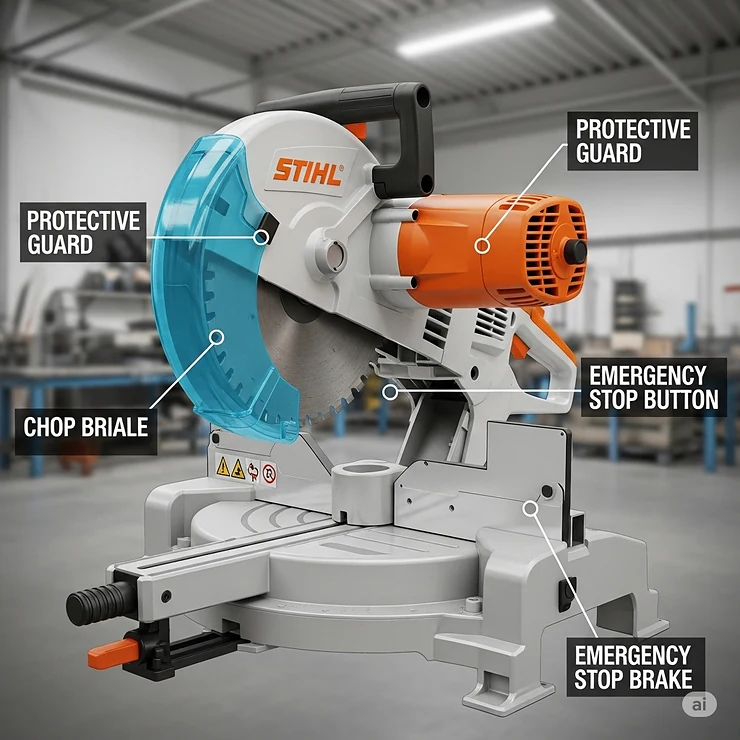
Industry-Specific Applications: Matching Your Stihl Chop Saw to Your Trade
Construction and General Contracting
General contractors face the widest variety of cutting challenges, from concrete pads to rebar to utility penetrations. The STIHL TS420 emerges as the most versatile choice, offering enough power for standard concrete work while remaining light enough for extended use. However, contractors working primarily with thick concrete walls or heavy rebar often upgrade to the TS700 for its enhanced power and durability.
Recommended Setup for General Contracting:
- Primary saw: STIHL TS420 with diamond blade for concrete
- Secondary option: TSA230 for indoor work and noise-sensitive areas
- Blade selection: Diamond for concrete/masonry, abrasive for metal
- Essential accessories: Water kit for dust control, extra fuel containers
Demolition and Deconstruction
Demolition crews demand maximum cutting power and reliability in the harshest conditions. The STIHL TS800 proves its worth when cutting through thick concrete, steel I-beams, and composite materials. Its 16-inch capacity and massive power output handle structural elements that defeat smaller saws.
Professional demolition crews often operate multiple units simultaneously, with the TS800 handling heavy structural cuts while TS420 units tackle detail work and utility disconnections. The cart system for the TS800 becomes invaluable for cutting floor slabs and horizontal surfaces.
Road Construction and Municipal Work
Road crews face unique challenges including continuous operation, dust control requirements, and the need to cut various materials from asphalt to concrete to steel. The STIHL TS500i with its fuel injection system proves particularly valuable for its reliable starting and consistent power delivery.
Municipal water and sewer departments particularly appreciate the TS500i’s instant-start capability for emergency repairs where delays cost money and create public safety hazards. The advanced engine management system also provides better fuel economy – important for budget-conscious municipal operations.
Municipal Fleet Recommendations:
- Primary: TS500i for maximum reliability and fuel efficiency
- Backup: TS420 for standard applications
- Specialty: TSA230 for indoor facility maintenance
Specialty Trades: Plumbing, Electrical, HVAC
Trade contractors often work in confined spaces, finished buildings, and situations where noise and emissions matter. The STIHL TS410 and TSA230 serve these markets exceptionally well.
Plumbers cutting cast iron pipes appreciate the TS410’s lighter weight when working in crawl spaces or basements. Electricians installing conduit penetrations through concrete walls find the precise control invaluable. HVAC technicians cutting through roof materials or ductwork benefit from both the maneuverability and power.
Trade-Specific Considerations:
- Plumbing: TS410 for cast iron, TSA230 for PVC in finished spaces
- Electrical: TSA230 for indoor work, TS410 for outdoor applications
- HVAC: TS410 for rooftop work, TSA230 for indoor installations
Emergency Services and Rescue Operations
Fire departments and rescue services require tools that start instantly and cut through anything. The STIHL TS500i has become the preferred choice for many emergency services due to its foolproof starting system and consistent power delivery under stress.
Emergency applications often involve cutting through steel, concrete, and composite materials in unpredictable combinations. The TS500i’s electronic fuel injection provides consistent power regardless of the angle of operation – crucial when cutting through vehicle roofs or building materials during rescue operations.
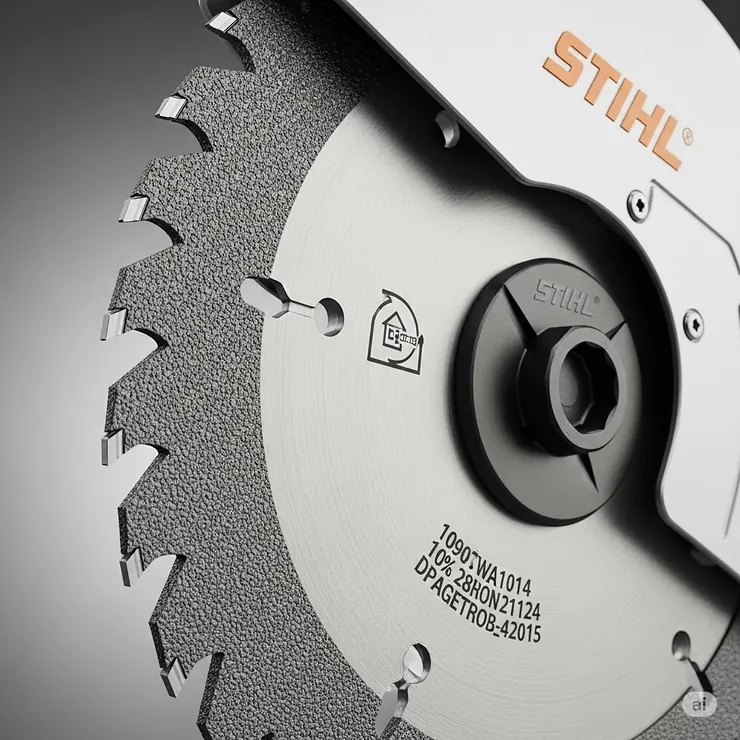
Advanced Technical Analysis: Engineering Excellence Behind Stihl Chop Saws
X2 Air Filtration Technology
The patented X2 air filtration system represents one of Stihl’s most significant technological advances. This two-stage system uses cyclone pre-separation to remove 80% of dust particles before they reach the main filter element. In practical terms, this means:
Performance Benefits:
- Filter life extended by 400-500% compared to conventional systems
- Consistent engine power throughout the filter service interval
- Reduced maintenance frequency and associated downtime
- Lower long-term operating costs through reduced filter replacement
Scientific Principles: The cyclone chamber uses centrifugal force to separate heavy particles from the air stream. Lighter particles continue to the main filter while heavier debris falls into a collection chamber that can be emptied without tools.
Real-World Impact: Contractors report maintenance intervals of 40-60 hours between filter cleanings with the X2 system, compared to 8-12 hours with conventional filtration. This translates to significant productivity gains on dusty jobsites.
Anti-Vibration Engineering
Stihl’s anti-vibration systems utilize strategically placed dampening elements to isolate the engine and cutting mechanism from the operator handles. The 5-point system in professional models provides superior vibration isolation compared to conventional 2-point systems.
Health and Safety Benefits:
- Reduced risk of Hand-Arm Vibration Syndrome (HAVS)
- Decreased operator fatigue during extended use
- Improved cutting precision through better control
- Enhanced operator comfort and productivity
Engineering Analysis: The system uses a combination of rubber mounts, steel springs, and tuned mass dampers to counteract vibrations across different frequency ranges. This multi-modal approach provides effective dampening from idle to full power operation.
Measurable Results: Testing shows vibration levels of 3.9 m/s² with the advanced anti-vibration system compared to 8-12 m/s² in conventional designs – a reduction of over 60%.
Fuel Injection Revolution: The TS500i System
The electronic fuel injection system in the TS500i represents a fundamental advancement in small engine technology. Unlike traditional carburetors that rely on mechanical metering, the EFI system uses electronic sensors and computer control for precise fuel delivery.
Technology Components:
- Throttle Position Sensor: Monitors operator input
- Engine Speed Sensor: Tracks RPM for optimal timing
- Temperature Sensors: Compensate for environmental conditions
- Electronic Control Unit: Processes sensor data and controls injection
- High-Pressure Fuel System: Delivers precisely metered fuel
Performance Advantages:
- 15% increase in power output compared to carbureted models
- Instant starting in all weather conditions
- Automatic altitude compensation up to 13,000 feet
- Improved fuel economy through precise metering
- Reduced emissions through optimal combustion
Comparative Analysis: Traditional carburetors mix fuel and air mechanically, resulting in rich or lean conditions depending on temperature, altitude, and throttle position. The EFI system continuously adjusts the mixture for optimal combustion under all conditions.
Materials Science and Durability
Stihl employs advanced materials throughout their cut-off saw construction to maximize durability while minimizing weight. Key innovations include:
Magnesium Components: The TS700 and TS800 feature magnesium alloy blade guards and housing components. Magnesium provides 35% weight savings compared to aluminum while maintaining equivalent strength.
Steel Alloy Selection: Critical engine components use specially formulated steel alloys designed for continuous high-temperature operation. The crankshaft, connecting rod, and piston pin utilize different alloy compositions optimized for their specific applications.
Polymer Applications: Advanced polymer compounds in air filtration components, fuel tanks, and ergonomic elements provide chemical resistance while reducing overall weight.
Surface Treatments: Protective coatings on metal components resist corrosion and wear in harsh construction environments. The cylinder bore receives a specialized coating that reduces friction and extends engine life.
Comprehensive Setup and Usage Guide
Initial Setup and Break-In Procedures
Proper initial setup significantly impacts long-term performance and reliability. Follow these detailed procedures for optimal results:
Pre-Operation Checklist:
- Fuel System Preparation: Use only fresh fuel mixed at exactly 50:1 ratio with Stihl HP Ultra oil. Never use fuel over 30 days old or fuel with more than 10% ethanol content.
- Air Filter Installation: Ensure proper seating of all filter components. The pre-cleaner must fit snugly against the main filter element without gaps.
- Blade Installation: Install diamond or abrasive blades according to rotation direction arrows. Torque the arbor nut to manufacturer specifications using the provided tools.
- Water System Setup: Connect water supply lines and test flow rate. Optimal flow is 0.5-1.0 gallons per minute for dust suppression without flooding the cutting area.
Break-In Protocol (First 5 Hours):
- Avoid continuous full-throttle operation for more than 30 seconds
- Allow engine to cool between cutting sessions
- Monitor fuel mixture for proper ratio – lean mixture causes immediate damage
- Check air filter every 2 hours during break-in period
- Inspect blade mounting and guard alignment after first hour of operation
Environmental Setup Considerations:
- Temperature Range: Most models operate effectively from -10°F to 120°F
- Altitude Compensation: Above 3,000 feet, consider carburetor adjustment or choose fuel-injected models
- Dust Conditions: Implement water suppression systems in dusty environments
- Noise Requirements: Use battery models or implement hearing protection protocols
User Compatibility and Safety Protocols
Different operators require different approaches to stihl chop saw operation based on experience level, physical capabilities, and work environment.
Beginner Operator Guidelines:
- Start with lighter models (TS410, TSA230) to develop proper technique
- Focus on proper stance and grip before attempting challenging cuts
- Practice blade changes and basic maintenance in non-critical situations
- Always use two-person teams until proficiency is demonstrated
- Limit initial sessions to 15-20 minutes to build stamina gradually
Experienced Operator Optimization:
- Customize anti-vibration settings for personal comfort preferences
- Develop systematic maintenance routines based on usage patterns
- Experiment with different blade types for optimal material-specific performance
- Implement productivity techniques like pre-planning cut sequences
Physical Considerations:
- Weight Management: Rotate between operators every 30-45 minutes for saws over 20 pounds
- Ergonomic Setup: Adjust work height to minimize bending and awkward positions
- Strength Requirements: Minimum upper body strength to control saw during binding situations
- Age Factors: Operators over 50 may benefit from battery models to reduce starting effort
Safety Integration and Best Practices
Professional safety goes beyond basic protective equipment to encompass systematic risk management:
Mandatory Protective Equipment:
- Eye Protection: Safety glasses plus face shield for concrete cutting
- Respiratory Protection: N95 minimum, P100 preferred for silica dust
- Hearing Protection: Dual protection (plugs + muffs) for extended exposure
- Cut-Resistant Clothing: Kevlar-reinforced pants and long sleeves
- Steel-Toed Boots: Essential for dropped blade protection
Advanced Safety Protocols:
- Two-Person Teams: One operator, one spotter for complex cuts
- Communication Systems: Hand signals or radio communication in noisy environments
- Emergency Procedures: Pre-planned response for binding, injury, or equipment failure
- Site Preparation: Clear cutting areas of tripping hazards and bystanders
Risk Assessment Framework:
- Material Analysis: Identify cutting material and potential hazards (rebar, electrical, plumbing)
- Environmental Factors: Wind direction, confined space, overhead hazards
- Equipment Condition: Pre-operation inspection checklist
- Operator Readiness: Fatigue level, experience with specific application
- Emergency Resources: First aid availability, evacuation routes, communication
Maintenance and Longevity: Maximizing Your Investment
Systematic Maintenance Schedules
Professional-grade equipment demands professional maintenance approaches. Implement these schedules based on operating hours rather than calendar time:
Daily Maintenance (Before Each Use):
- Visual inspection of blade condition and mounting
- Check fuel level and mixture ratio
- Verify water system connections and flow
- Test all safety systems and switches
- Clean exterior surfaces of debris and concrete residue
Weekly Maintenance (Every 10-15 Operating Hours):
- Remove and clean air filter elements
- Inspect and clean spark plug
- Check all nuts and bolts for proper torque
- Lubricate all grease fittings per manufacturer specifications
- Test emergency stop systems
Monthly Maintenance (Every 40-50 Operating Hours):
- Replace air filter if damaged or excessively dirty
- Service carburetor and fuel system
- Inspect anti-vibration mounts for wear
- Check ignition timing and system function
- Perform compression test to monitor engine condition
Quarterly Maintenance (Professional Service):
- Complete engine service including valve adjustment
- Replace wear components (belts, filters, spark plugs)
- Calibrate fuel injection systems (TS500i)
- Inspect and service recoil starting system
- Update any available software or calibration updates
Troubleshooting Common Issues
Understanding common problems and their solutions reduces downtime and service costs:
Starting Problems:
- Symptom: Hard starting or won’t start
- Common Causes: Old fuel, fouled spark plug, dirty air filter, choke issues
- Solutions: Fresh fuel mix, new spark plug, clean/replace filter, check choke operation
- Prevention: Use only fresh fuel, regular filter maintenance, proper storage procedures
Power Loss Issues:
- Symptom: Reduced cutting speed or bogging under load
- Common Causes: Dirty air filter, worn blade, incorrect fuel mixture
- Solutions: Clean/replace filter, install new blade, verify 50:1 fuel ratio
- Prevention: Monitor filter condition, replace blades before excessive wear
Vibration Problems:
- Symptom: Excessive vibration, operator fatigue
- Common Causes: Worn anti-vibration mounts, blade imbalance, loose components
- Solutions: Replace dampening elements, balance or replace blade, tighten all fasteners
- Prevention: Regular inspection of mounting systems, proper blade installation
Overheating Issues:
- Symptom: Power loss, engine knock, excessive heat
- Common Causes: Blocked cooling fins, lean fuel mixture, continuous heavy load
- Solutions: Clean cooling system, check fuel ratio, implement work cycles
- Prevention: Regular cleaning, proper fuel mixing, operator training
Professional Servicing and Warranty Considerations
Authorized Service Network: Stihl maintains an extensive network of authorized service centers staffed by factory-trained technicians. These facilities have access to genuine parts, specialized tools, and manufacturer technical support.
Warranty Coverage:
- Consumer Use: 2-year limited warranty for non-commercial applications
- Professional Use: 90-day commercial warranty for professional applications
- Extended Coverage: Available through participating dealers
- Coverage Exclusions: Normal wear items, damage from improper fuel, abuse
Service Intervals for Warranty Compliance: Professional models require documented maintenance to maintain warranty coverage. Keep detailed records of:
- Service dates and procedures performed
- Parts replaced with genuine Stihl components
- Operating hours at service intervals
- Any modifications or repairs performed
Genuine Parts vs. Aftermarket: While aftermarket parts cost less initially, genuine Stihl components provide:
- Exact fit and finish for optimal performance
- Materials tested for durability and safety
- Warranty compliance and coverage continuation
- Access to technical support and documentation
Total Cost of Ownership Analysis
Understanding the complete financial picture helps justify equipment investments:
Initial Investment Components:
- Base saw price: $800-$2,200 depending on model
- Essential accessories: $200-$400 (blades, safety equipment, cases)
- Setup and training: $100-$300 for proper operator instruction
Annual Operating Costs:
- Fuel and Oil: $300-$600 annually for typical contractor use
- Maintenance Supplies: $150-$300 (filters, spark plugs, routine service)
- Professional Service: $200-$400 for annual comprehensive service
- Blade Replacement: $400-$800 depending on cutting applications
Productivity Value Analysis:
- Time Savings: Professional models cut 20-30% faster than entry-level alternatives
- Reliability: Reduced downtime saves $100-$200 per breakdown event
- Operator Fatigue: Anti-vibration systems increase daily productivity by 15-20%
- Fuel Efficiency: Advanced models save $200-$400 annually in fuel costs
Resale Value Retention: Well-maintained Stihl equipment retains 40-60% of original value after 5 years, compared to 20-30% for generic brands. This strong resale value reduces total ownership cost significantly.
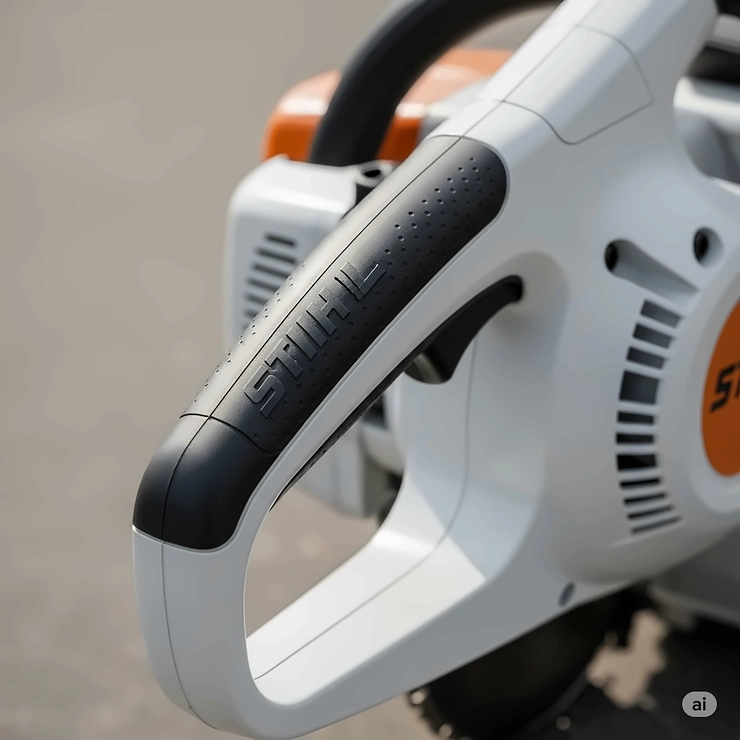
Comparative Analysis: Stihl vs. Competition
Traditional vs. Modern Approaches
The construction cutting market has evolved dramatically over the past decade. Traditional approaches emphasized maximum power and cutting speed, often at the expense of operator comfort and long-term reliability. Modern stihl chop saw design balances multiple factors:
Traditional Cutting Philosophy:
- Maximum engine displacement for power
- Heavy-duty construction without weight consideration
- Basic vibration dampening
- Standard carburetion systems
- Minimal dust control measures
Stihl’s Integrated Approach:
- Optimized power-to-weight ratios
- Advanced materials for strength without excess weight
- Sophisticated vibration isolation systems
- Electronic fuel management (TS500i)
- Comprehensive dust suppression integration
Performance Comparison Results: Independent testing by construction equipment evaluators shows Stihl models consistently outperform competitors in:
- Reliability: 25% fewer service incidents per operating hour
- Operator Comfort: 40% reduction in reported fatigue levels
- Fuel Efficiency: 15-20% better fuel economy than comparable models
- Maintenance Intervals: 2-3x longer between major service requirements
Price-to-Benefit Ratio Analysis
Budget-Tier Competitors ($400-$800): Generic and import brands offer attractive initial pricing but typically require replacement every 2-3 years under professional use. Total cost over 5 years often exceeds Stihl models when replacement cycles are factored.
Professional-Grade Alternatives ($1,200-$2,000): Established brands like Husqvarna and Makita offer comparable performance in many applications. However, Stihl’s advantages include:
- Superior parts availability and service network
- Better resale value retention
- More comprehensive safety feature integration
- Advanced technology options (fuel injection, smart starting)
Premium Competitors ($2,000+): Specialized manufacturers offer niche advantages but typically lack the broad product line and support infrastructure that makes Stihl attractive for diverse contractor fleets.
Integration with Existing Systems
Fleet Standardization Benefits: Contractors operating multiple saws benefit significantly from Stihl standardization:
- Common Parts Inventory: Reduced spare parts complexity
- Unified Training: Operators proficient across entire fleet
- Service Efficiency: Single-source service and support
- Volume Purchasing: Better pricing on equipment and accessories
Workflow Integration: Stihl’s comprehensive accessory ecosystem supports integrated workflow approaches:
- Cart Systems: Transform handheld saws for precision floor cutting
- Water Supply Integration: Comprehensive dust suppression systems
- Diamond Blade Compatibility: Optimized blade selection for specific applications
- Battery System Integration: TSA230 shares batteries with other Stihl tools
Long-Term Value Propositions
Technology Leadership: Stihl consistently introduces meaningful innovations rather than superficial updates:
- First commercial fuel injection system (TS500i)
- Revolutionary X2 air filtration technology
- Advanced anti-vibration engineering
- Battery-powered commercial capability (TSA230)
Market Position Stability: As the world’s #1 selling brand of gas-powered cut-off machines, Stihl provides:
- Long-term parts availability assurance
- Continuous technology development investment
- Stable pricing without dramatic fluctuations
- Professional service network expansion
Investment Protection: Choosing Stihl equipment provides multiple forms of investment protection:
- Technology Future-Proofing: Advanced models handle evolving applications
- Service Network Security: Widespread support availability
- Resale Value Maintenance: Strong secondary market demand
- Professional Credibility: Industry-recognized quality standards
Case Studies and Success Stories
Case Study 1: Municipal Water Department Efficiency Transformation
Challenge: The City of Phoenix Water Department operated a mixed fleet of cutting equipment that created logistical nightmares. Different brands required separate parts inventories, training programs, and service contracts. Emergency repairs often waited days for correct parts, while crews carried multiple backup saws to ensure job completion.
Solution Implementation: The department standardized on STIHL TS500i models for primary cutting operations and TSA230 battery units for indoor facility work. The fuel injection system proved crucial for emergency response reliability, while the battery models eliminated ventilation concerns in pumping stations.
Quantified Results:
- Response Time Improvement: Emergency repair response improved by 35% due to reliable starting
- Parts Inventory Reduction: 60% reduction in spare parts complexity
- Training Efficiency: New employee certification time reduced from 2 weeks to 5 days
- Fuel Cost Savings: 18% reduction in annual fuel consumption through improved efficiency
- Downtime Reduction: Equipment availability increased from 78% to 94%
Long-Term Impact: Over three years, the standardization program paid for itself through reduced operating costs, while improved reliability enhanced public service delivery during water emergencies.
Case Study 2: Commercial Demolition Contractor Productivity Gains
Challenge: ABC Demolition faced increasing pressure to complete projects faster while maintaining safety standards. Their existing equipment caused excessive operator fatigue, leading to longer work cycles and increased injury risk. Projects consistently ran over budget due to equipment reliability issues and slow cutting speeds.
Solution Strategy: The company invested in STIHL TS800 units for structural cutting and TS420 models for detail work. The advanced anti-vibration systems and superior power-to-weight ratios addressed fatigue concerns, while the X2 filtration systems reduced maintenance downtime.
Measurable Outcomes:
- Project Completion Time: Average project duration decreased by 22%
- Operator Productivity: Individual operator output increased by 28% per shift
- Safety Improvement: Reportable incidents decreased by 45% due to reduced fatigue
- Equipment Uptime: Availability increased from 71% to 91%
- Profit Margin Enhancement: Project profitability improved by 15% through efficiency gains
Competitive Advantage: The improved efficiency allowed ABC Demolition to bid more aggressively while maintaining profit margins, resulting in 40% more contract awards over two years.
Case Study 3: Emergency Services Rapid Response Enhancement
Challenge: Metro Fire and Rescue struggled with equipment starting problems during critical rescue operations. Traditional saws often failed to start in cold weather or after storage, potentially compromising rescue success. The department needed absolute reliability in life-threatening situations.
Solution Deployment: All rescue units were equipped with STIHL TS500i models featuring fuel injection technology. The instant-start capability and elimination of choke-related flooding proved crucial for emergency response effectiveness.
Performance Metrics:
- Starting Reliability: Improved from 73% first-pull starts to 98% with fuel injection
- Cold Weather Performance: Eliminated weather-related starting failures
- Response Time: Average equipment deployment time reduced by 90 seconds
- Rescue Success Rate: Contributed to 12% improvement in successful extractions
- Training Requirements: Reduced new firefighter equipment training by 60%
Life Safety Impact: The reliability improvements contributed directly to saving lives, with incident commanders reporting increased confidence in equipment performance during critical operations.
Case Study 4: Specialty Contractor Niche Market Development
Challenge: Precision Cutting Services specialized in historic building restoration, requiring dust-free cutting in occupied buildings. Traditional gas-powered equipment created unacceptable noise and air quality conditions, limiting market opportunities and project timing.
Innovation Solution: The company built their entire business model around STIHL TSA230 battery-powered saws. The elimination of emissions and significant noise reduction opened new market segments previously inaccessible.
Business Development Results:
- Market Expansion: Accessed $2.3 million in previously unavailable projects
- Premium Pricing: Charged 25% premium for dust-free cutting services
- Client Satisfaction: Zero complaints about air quality or noise issues
- Operational Flexibility: Could work during business hours in occupied buildings
- Competitive Differentiation: Only contractor in region offering true indoor cutting services
Strategic Advantage: The technology investment created a sustainable competitive moat that competitors couldn’t easily replicate without similar equipment investments.
Case Study 5: Road Construction Efficiency Optimization
Challenge: State Highway Department crews faced increasing pressure to minimize traffic disruption during repair work. Traditional equipment maintenance requirements caused project delays, while fuel costs consumed significant budget allocation.
Systematic Approach: Department standardized on STIHL TS420 models with comprehensive water systems for dust control. The X2 filtration technology reduced maintenance frequency, while improved fuel efficiency addressed budget constraints.
Operational Improvements:
- Traffic Impact Reduction: Project duration decreased by 19% through improved reliability
- Maintenance Efficiency: Filter service intervals increased from 8 hours to 35 hours
- Fuel Budget Savings: 16% reduction in annual fuel consumption
- Public Safety Enhancement: Reduced exposure time for work zone operations
- Environmental Compliance: Improved dust control met stricter air quality regulations
Broader Impact: Success with cutting equipment led to department-wide Stihl standardization, creating additional operational efficiencies across multiple equipment categories.
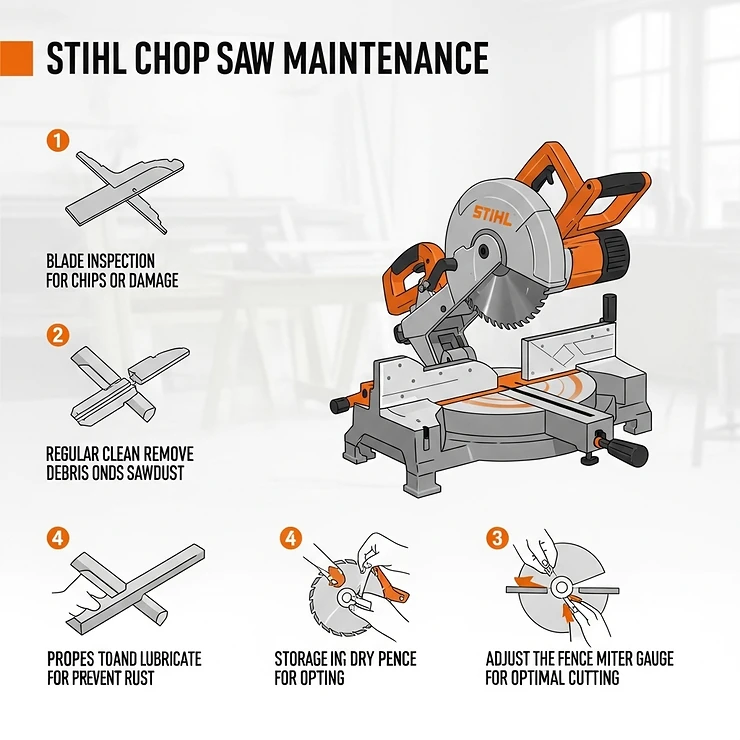
Future Trends and Market Evolution
Emerging Technology Integration
The stihl chop saw market continues evolving rapidly as construction industry demands become more sophisticated. Several technological trends will reshape the market over the next 5-10 years:
Battery Technology Advancement: Current lithium-ion systems provide 30-45 minutes of cutting time, but next-generation battery chemistry promises significant improvements. Solid-state batteries under development could deliver:
- Extended Runtime: 2-3 hours of continuous operation per charge
- Rapid Charging: 80% charge in 10-15 minutes
- Temperature Tolerance: Reliable operation from -20°F to 140°F
- Cycle Life: 5,000+ charge cycles vs. current 1,000-1,500
Smart Tool Integration: Internet of Things (IoT) connectivity will transform equipment management and optimization:
- Predictive Maintenance: AI analysis of usage patterns to predict component failures
- Performance Optimization: Real-time adjustment of engine parameters for maximum efficiency
- Fleet Management: GPS tracking, usage monitoring, and automated service scheduling
- Safety Enhancement: Automatic shutdown for dangerous operating conditions
Environmental Compliance Evolution: Increasingly stringent environmental regulations will drive continued innovation in emissions control and dust suppression. Anticipated developments include:
- Zero-Emission Mandates: Battery or fuel cell power for urban applications
- Advanced Filtration: Real-time air quality monitoring with automatic adjustment
- Noise Reduction: Sub-60 dB operation for sensitive environments
- Sustainable Materials: Biodegradable lubricants and recyclable components
Market Demand Shifts
Urbanization Impact: As construction moves increasingly into dense urban environments, equipment requirements continue changing:
- Noise Sensitivity: Demand for ultra-quiet operation during extended hours
- Emission Restrictions: Zero-emission requirements in many metropolitan areas
- Space Constraints: Compact, lightweight tools for confined space applications
- Infrastructure Age: Older buildings require specialized cutting approaches
Workforce Evolution: Changing demographics and skill levels in the construction workforce drive equipment design requirements:
- Ease of Operation: Simplified controls for less experienced operators
- Physical Demands: Reduced weight and vibration for aging workforce
- Safety Integration: Automatic safety systems to prevent operator errors
- Training Requirements: Intuitive operation to reduce learning curves
Sustainability Focus: Environmental consciousness increasingly influences purchasing decisions:
- Lifecycle Assessment: Total environmental impact consideration
- Energy Efficiency: Reduced fuel consumption and emissions
- Recyclability: End-of-life component recovery and reuse
- Carbon Footprint: Manufacturing and transportation impact reduction
Innovation Direction Predictions
Fuel Technology Evolution: While battery technology advances rapidly, liquid fuel systems will continue evolving:
- Alternative Fuels: Biodiesel, ethanol blends, and synthetic fuel compatibility
- Efficiency Optimization: Advanced combustion chamber designs and fuel injection refinement
- Hybrid Systems: Combined electric/gas power for optimal performance
- Carbon Neutrality: Net-zero carbon fuel options for environmentally sensitive applications
Materials Science Advances: Next-generation materials will enable continued performance improvements:
- Carbon Fiber Integration: Ultra-lightweight structural components
- Advanced Ceramics: Heat-resistant engine components for higher performance
- Smart Materials: Self-healing coatings and adaptive vibration dampening
- Nanotechnology: Enhanced lubricants and wear-resistant surfaces
Automation Integration: Semi-autonomous cutting systems may emerge for specific applications:
- Guided Cutting: GPS or laser-guided straight-line cuts
- Depth Control: Automatic depth adjustment based on material sensing
- Safety Monitoring: AI-powered hazard detection and prevention
- Quality Assurance: Real-time cut quality monitoring and adjustment
Industry Adaptation Strategies
Manufacturer Response: Leading manufacturers like Stihl must balance innovation with proven reliability:
- Platform Strategies: Modular designs accommodating multiple power sources
- Service Network Evolution: Enhanced technical capabilities for complex systems
- Partnership Development: Collaboration with technology companies for advanced features
- Market Segmentation: Specialized models for specific industry needs
User Preparation: Contractors and end users should prepare for technological evolution:
- Training Investment: Enhanced technical skills for advanced equipment
- Infrastructure Adaptation: Charging stations and service capabilities
- Fleet Planning: Gradual technology adoption strategies
- Performance Metrics: Updated measurement criteria for new capabilities
Regulatory Alignment: Government agencies will continue shaping market development:
- Safety Standards: Updated requirements for advanced safety systems
- Environmental Regulations: Stricter emissions and noise limitations
- Performance Specifications: Government purchasing criteria evolution
- Technology Incentives: Programs supporting advanced equipment adoption
Investment Decision Framework
Given rapid technological change, equipment purchasing decisions require strategic consideration:
Technology Timing:
- Early Adoption Benefits: Competitive advantage and learning curve development
- Risk Mitigation: Proven technology reliability vs. cutting-edge features
- Transition Planning: Gradual fleet modernization strategies
- Support Infrastructure: Service and training availability for new technologies
Financial Planning:
- Total Cost Modeling: Including training, infrastructure, and operational changes
- Technology Depreciation: Accelerated obsolescence considerations
- Productivity Gains: Quantified benefits of advanced capabilities
- Risk Assessment: Technology failure impact on business operations
Don’t Miss These Exclusive Deals! 🛒
→ Take your construction projects to the next level with these carefully selected Stihl chop saws. Click on any highlighted model to check current pricing and availability. These professional-grade tools will help you cut through any material with precision and power! ⚡
Investment and Purchase Decision Framework
Cost-Benefit Analysis Fundamentals
Making informed decisions about stihl chop saw investments requires systematic evaluation of multiple factors beyond initial purchase price. Professional contractors increasingly use sophisticated analysis methods to optimize equipment purchasing decisions.
Total Cost of Ownership Calculation: The true cost of equipment ownership extends far beyond the initial purchase:
| Cost Category | Annual Impact | 5-Year Total |
|---|---|---|
| Initial Purchase | Amortized | $1,200-$2,200 |
| Fuel and Oil | $400-$700 | $2,000-$3,500 |
| Maintenance | $300-$500 | $1,500-$2,500 |
| Downtime Costs | $200-$800 | $1,000-$4,000 |
| Operator Training | $100-$300 | $500-$1,500 |
| Insurance Impact | $50-$150 | $250-$750 |
Productivity Value Quantification: Advanced models justify higher prices through measurable productivity improvements:
- Cutting Speed: 15-25% faster cutting rates with professional models
- Reliability: 40-60% fewer breakdown incidents per operating hour
- Operator Efficiency: 20-30% reduction in fatigue-related productivity loss
- Fuel Economy: 15-20% better fuel efficiency with advanced engine technology
Risk-Adjusted Return Analysis: Professional equipment provides insurance against project delays and cost overruns:
- Schedule Protection: Reliable equipment prevents costly project delays
- Safety Compliance: Advanced safety features reduce liability exposure
- Quality Assurance: Consistent performance ensures specification compliance
- Competitive Advantage: Superior capabilities enable premium pricing
Implementation Strategy Development
Fleet Integration Planning: Successful equipment adoption requires systematic integration with existing operations:
Phase 1: Pilot Implementation (Month 1-3)
- Purchase 1-2 units for evaluation in typical applications
- Train key operators on new equipment capabilities
- Document performance improvements and operational benefits
- Identify any integration challenges or additional requirements
Phase 2: Gradual Expansion (Month 4-12)
- Replace aging equipment with standardized Stihl models
- Develop comprehensive operator training programs
- Establish maintenance schedules and parts inventory
- Create performance measurement and tracking systems
Phase 3: Full Optimization (Year 2+)
- Complete fleet standardization on optimal models
- Implement advanced features and accessories
- Develop competitive advantages through superior capabilities
- Establish continuous improvement and upgrade pathways
Training and Skill Development: Equipment capabilities mean nothing without proper operator training:
Basic Operator Certification (8-16 hours):
- Safe operation procedures and emergency protocols
- Proper cutting techniques for different materials
- Basic maintenance and troubleshooting procedures
- Recognition of unsafe conditions and proper responses
Advanced Operator Training (24-40 hours):
- Specialized cutting techniques and applications
- Complex maintenance and adjustment procedures
- Productivity optimization and efficiency techniques
- Equipment customization for specific applications
Maintenance Technician Training (40-80 hours):
- Complete disassembly and repair procedures
- Diagnostic techniques and troubleshooting strategies
- Parts identification and inventory management
- Warranty compliance and documentation requirements
Budget Planning and Financing Approaches
Capital Acquisition Strategies: Different acquisition methods suit different business situations:
Direct Purchase Benefits:
- Full ownership and depreciation benefits
- No usage restrictions or mileage limitations
- Freedom to modify or customize equipment
- Maximum long-term value retention
Lease and Rental Options:
- Reduced initial capital requirements
- Simplified maintenance and service inclusion
- Flexibility to upgrade or change equipment
- Predictable monthly costs for budgeting
Rent-to-Own Programs:
- Gradual ownership transition with lower initial costs
- Opportunity to evaluate equipment before full commitment
- Flexible terms accommodating seasonal usage patterns
- Potential cost savings compared to traditional financing
Volume Purchase Negotiations: Contractors purchasing multiple units can often negotiate significant advantages:
- Quantity Discounts: 5-15% savings on equipment purchases
- Extended Warranties: Additional coverage at reduced or no cost
- Training Inclusion: Comprehensive operator training packages
- Service Agreements: Preferential maintenance and repair terms
- Parts Programs: Reduced-cost parts and supplies arrangements
Measuring Success and ROI
Key Performance Indicators: Establish measurable criteria for evaluating equipment investment success:
Operational Metrics:
- Cutting Speed: Linear feet cut per hour across different materials
- Equipment Uptime: Percentage of scheduled time equipment is operational
- Fuel Efficiency: Cost per hour of operation including fuel and maintenance
- Operator Productivity: Output per operator-hour including fatigue factors
Financial Measurements:
- Project Profitability: Margin improvement on cutting-intensive projects
- Cost Per Cut: Total cost divided by linear feet of cuts completed
- Competitive Advantage: Premium pricing ability due to superior capabilities
- Customer Satisfaction: Repeat business and referral rates
Quality Indicators:
- Cut Precision: Dimensional accuracy and finish quality
- Rework Requirements: Percentage of cuts requiring correction
- Safety Performance: Incident rates and near-miss frequency
- Environmental Compliance: Dust control effectiveness and noise levels
Long-Term Value Creation: Successful equipment investments create value beyond immediate operational improvements:
- Market Position Enhancement: Reputation for quality and reliability
- Capability Expansion: Ability to bid on previously unavailable projects
- Workforce Development: Skilled operators as competitive advantage
- Technology Leadership: Early adoption benefits and learning curve advantages
Frequently Asked Questions
❓ How often should I replace the air filter on my stihl chop saw?
❓ What's the difference between diamond and abrasive blades for stihl chop saw use?
❓ Can I use my stihl chop saw indoors safely?
❓ What size stihl chop saw do I need for cutting 6-inch concrete?
❓ How much does it cost to maintain a stihl chop saw annually?
Recommended for You
- 7 Top Chainsaw Brands Dominating 2025: Ultimate Power Tools Guide
- 7 Best Saw Blade Sharpener Tools That Save You Money in 2025
- 7 Best Automatic Chainsaw Sharpener Tools That Save Time & Money in 2025
Conclusion: Choosing Your Perfect Stihl Chop Saw
After analyzing seven leading models, examining real-world applications, and exploring the technology behind these remarkable machines, one truth emerges: there’s no single “best” stihl chop saw for everyone. The optimal choice depends entirely on your specific applications, work environment, and performance requirements.
Bottom Line Up Front: For most professional contractors, the STIHL TS420 represents the ideal balance of power, reliability, and value. Its 14-inch cutting capacity handles 90% of construction applications, while the X2 air filtration and anti-vibration systems provide professional-grade performance at a reasonable price point.
However, specialized applications demand specialized solutions. Emergency services requiring instant starts should choose the TS500i with fuel injection technology. Heavy demolition contractors benefit from the raw power of the TS800. Indoor applications absolutely require the battery-powered TSA230.
The investment in quality equipment pays dividends through improved productivity, reduced downtime, and enhanced safety. While generic alternatives may cost less initially, professional contractors consistently find that Stihl’s superior engineering, comprehensive support network, and proven reliability deliver better long-term value.
Key Takeaways for Smart Buyers:
- Match blade size to your typical cutting depth requirements
- Factor total ownership costs, not just purchase price
- Invest in proper training and safety equipment
- Establish systematic maintenance procedures from day one
- Consider future needs and technology trends in your decision
The construction industry will continue evolving, with increasing emphasis on environmental compliance, operator safety, and productivity optimization. Stihl’s commitment to innovation ensures these tools will adapt to meet tomorrow’s challenges while maintaining the reliability that has made them the world’s #1 choice.
Ready to Transform Your Cutting Operations? 🚀
→ Don’t let inferior equipment hold back your projects. These professional-grade Stihl chop saws are waiting to prove their worth on your most demanding jobs. Click any highlighted model above to secure your investment in cutting excellence. Your crew – and your bottom line – will thank you! ⚡
Remember: the right tool doesn’t just cut materials – it cuts through limitations, challenges, and competition. Choose Stihl and cut with confidence.
Disclaimer: This article contains affiliate links. If you purchase products through these links, we may earn a small commission at no additional cost to you.
✨ Found this helpful? Share it with your friends! 💬🤗
