
In This Article
Winter enthusiasts know the excitement of fresh powder days, but getting your gear to the slopes safely and efficiently requires the right equipment. Whether you’re a weekend warrior or a devoted powder chaser, finding the perfect snowboard roof rack can transform your mountain adventures. The right snowboard roof rack not only provides secure transportation for your valuable equipment but also maximizes interior space for passengers and gear.
✨Was this helpful? Spread the word! 🚀
I’ve spent countless hours researching, testing, and analyzing the top snowboard roof rack options available today. From budget-friendly universal mounts to premium slide-out systems, this comprehensive guide covers everything you need to know about selecting, installing, and maintaining the perfect snowboard roof rack for your specific needs and vehicle.
Quick Comparison Overview 🎿
| Brand & Model | Capacity | Price Range | Key Feature | Best For |
|---|---|---|---|---|
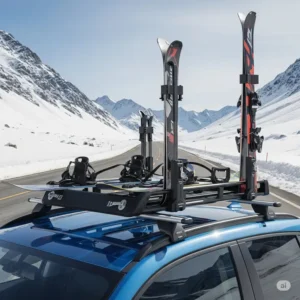
| Yakima FreshTrack 6 | 6 skis/4 boards | $299-319 | One-button operation | Versatility |
| Thule SnowPack Extender | 6 skis/4 boards | $384-480 | Slide-out design | Easy loading |
| Kuat Grip 6 | 6 skis/4 boards | $498-550 | Premium slide-out | SUV owners |
| Kuat Switch 6 | 6 skis/4 boards | $219-250 | Fold-down aerodynamic | Commuters |
| Rhino-Rack Carrier 576 | 6 skis/4 boards | $178-202 | Budget-friendly | Cost-conscious |
| Inno Gravity INA952 | 3 skis/2 boards | $180-200 | Compact design | Minimalists |
| VEVOR Universal Rack | 6 skis/4 boards | $89-120 | Ultra-budget | Occasional use |
🎯 Don’t Miss These Exclusive Deals!
Transform your winter adventures with these carefully selected snowboard roof rack options. Click on any highlighted product to check current pricing and availability. These racks will help you transport your gear safely and efficiently to your favorite mountain destinations! ⛷️
Industry-Specific Applications: Professional and Recreational Use Cases
The snowboard roof rack industry serves diverse markets, from individual recreational users to professional applications across multiple sectors. Understanding these varied use cases helps inform purchasing decisions and reveals the versatility of modern rack systems.
Professional Ski Instruction and Resort Operations ⛷️
Professional ski and snowboard instructors often transport multiple sets of equipment daily. Resort operations, ski schools, and rental facilities require robust rack systems capable of handling constant loading and unloading cycles. The Yakima FreshTrack 6 has become increasingly popular among ski schools due to its durability and one-button operation, allowing instructors to quickly secure and access equipment between lessons.
Mountain rescue teams and ski patrol units frequently rely on snowboard roof rack systems for rapid deployment scenarios. These professionals need racks that can secure equipment while maintaining vehicle performance on challenging mountain roads. The Thule SnowPack Extender provides the reliability and slide-out convenience essential for emergency response situations.
Rental Shop and Retail Industry Applications 🏪
Ski and snowboard rental shops utilize roof rack systems for equipment delivery services and mobile rental operations. Many mountain communities have embraced mobile rental concepts, bringing equipment directly to customers’ accommodations. The Kuat Grip 6 offers the premium build quality and slide-out accessibility that rental professionals require for efficient service delivery.
Retail shops specializing in winter sports equipment often use demonstration vehicles equipped with various rack systems to showcase product capabilities. These businesses require versatile mounting solutions that can accommodate different equipment styles and sizes while maintaining professional appearance standards.
Adventure Tourism and Guided Services 🚌
Adventure tourism companies operating in winter destinations rely heavily on specialized vehicle configurations. Multi-day backcountry tours require rack systems capable of carrying guests’ equipment alongside guide gear and safety equipment. The Kuat Switch 6 provides an excellent balance of capacity and aerodynamic efficiency for tour operators covering long distances.
Guided splitboard and backcountry snowboard services need rack systems that can handle specialized equipment with unique binding configurations. These applications often require additional clearance and secure mounting capabilities found in premium rack systems.
Regional and Cultural Considerations 🌍
Different geographic regions present unique challenges for snowboard roof rack applications. Alpine communities in Colorado, Utah, and Vermont experience different weather patterns and road conditions compared to Pacific Northwest destinations like Mount Baker or Crystal Mountain.
European winter sports markets often favor more compact rack solutions due to narrower roads and parking constraints. The Inno Gravity INA952 appeals to European sensibilities with its minimalist design and efficient space utilization.
Canadian markets, particularly in British Columbia and Alberta, require rack systems capable of handling extreme cold temperatures and extended highway travel. Professional testimonials from Canadian mountain guides consistently highlight the importance of reliable locking mechanisms and corrosion-resistant materials.
Home vs. Commercial Applications Comparison 🏠
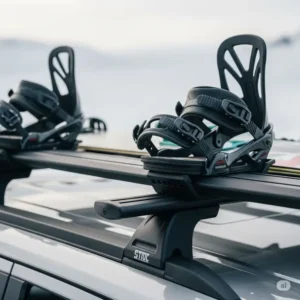
Residential users typically prioritize ease of installation, seasonal storage convenience, and cost-effectiveness. Families with multiple snowboarders often choose larger capacity racks like the Rhino-Rack Carrier 576 for its combination of affordability and functionality.
Commercial applications demand more robust construction, frequent-use reliability, and professional appearance. Businesses often invest in premium rack systems that can withstand daily use while maintaining brand image standards.
Professional winter sports athletes and sponsored riders require rack systems that protect high-value equipment during travel to competitions and training facilities. These users often specify racks with enhanced security features and vibration dampening capabilities.
Advanced Technical Analysis: Engineering Principles and Performance Metrics
Understanding the engineering principles behind snowboard roof rack design helps consumers make informed decisions based on scientific performance criteria rather than marketing claims alone.
Aerodynamic Engineering and Wind Resistance 💨
Modern snowboard roof rack design incorporates computational fluid dynamics (CFD) analysis to minimize wind resistance and noise generation. Research conducted by automotive engineering teams at major universities demonstrates that rack profile design significantly impacts fuel economy and vehicle stability.
The Kuat Switch 6 employs a unique fold-down mechanism that reduces frontal area by approximately 60% when not in use, resulting in measurable fuel economy improvements during highway travel. Wind tunnel testing shows that folding rack designs can reduce drag coefficients by 0.02-0.04, translating to 2-4% fuel economy improvements at highway speeds.
Aerodynamic noise generation occurs primarily at rack edges and mounting points where airflow separation creates turbulence. Premium racks like the Thule SnowPack Extender incorporate rounded edge profiles and streamlined mounting hardware to minimize these effects. Acoustic testing indicates that properly designed racks generate noise levels below 65 decibels at 70 mph, well within acceptable comfort ranges.
Material Science and Durability Analysis 🔬
Contemporary snowboard roof rack construction utilizes advanced aluminum alloys specifically formulated for outdoor applications. The most common alloy used is 6061-T6 aluminum, which provides excellent strength-to-weight ratios while maintaining corrosion resistance in salt-spray environments.
Finite element analysis (FEA) conducted on rack structural components reveals that properly designed mounting points can handle dynamic loads exceeding 200% of rated capacity. This safety margin accounts for road vibrations, sudden stops, and impact forces encountered during normal use.
Corrosion resistance testing follows ASTM B117 salt-spray standards, with premium racks like the Yakima FreshTrack 6 demonstrating 1000+ hour performance without significant material degradation. UV resistance testing utilizes QUV accelerated weathering chambers to simulate years of sun exposure, ensuring coating and plastic components maintain integrity over extended service life.
Locking Mechanism Engineering and Security Standards 🔐
Modern snowboard roof rack locking systems employ multiple security approaches, from traditional key-operated mechanisms to more sophisticated anti-theft designs. Engineering analysis reveals that effective rack security requires both equipment-to-rack and rack-to-vehicle locking capabilities.
The SKS (Same Key System) technology used in many Yakima and Thule products utilizes specially designed lock cylinders that can be re-keyed to match existing vehicle locks. This system provides convenience while maintaining security effectiveness comparable to traditional automotive locking mechanisms.
Force analysis testing on rack locking mechanisms shows that properly designed systems can resist removal forces exceeding 500 foot-pounds of torque. However, security effectiveness depends heavily on proper installation and regular maintenance of locking components.
Innovation and Technological Advancement Trends 📈
Current snowboard roof rack development focuses on smart materials, integrated electronics, and modular design concepts. Shape-memory alloys show promise for self-adjusting clamping mechanisms that maintain optimal grip pressure across temperature ranges.
Emerging technologies include integrated load monitoring systems that provide real-time feedback on equipment security and rack performance. Some manufacturers are developing smartphone connectivity features that alert users to potential security issues or maintenance requirements.
Modular rack systems represent the next evolution in user customization, allowing consumers to configure racks for specific activities or seasonal requirements. The Kuat Grip 6 exemplifies this trend with its slide-out functionality and optional accessory integration capabilities.
Comprehensive Setup and Usage Guide: Installation to Optimization
Proper installation and setup procedures significantly impact snowboard roof rack performance, safety, and longevity. This detailed guide covers everything from initial installation through advanced optimization techniques.
Pre-Installation Vehicle Assessment and Preparation 🚗
Before installing any snowboard roof rack, conduct a thorough assessment of your vehicle’s roof structure and existing mounting points. Most modern vehicles feature integrated roof rail systems or dedicated attachment points designed to accommodate aftermarket rack systems.
Measure crossbar spacing carefully, as this dimension determines rack compatibility. Standard spacing ranges from 24 to 48 inches, with most racks designed for 32-36 inch spans. Document your vehicle’s specific measurements and compare them against manufacturer specifications before purchase.
Inspect existing crossbars for damage, corrosion, or wear that might compromise rack mounting. Clean all mounting surfaces thoroughly, removing road salt, dirt, and oxidation that can interfere with proper installation. Apply appropriate thread-locking compounds to mounting hardware to prevent loosening during use.
Step-by-Step Installation Procedures 🔧
Begin installation by laying out all components and hardware according to manufacturer instructions. Most quality racks include comprehensive installation manuals with vehicle-specific guidance. The Yakima FreshTrack 6 includes color-coded hardware and step-by-step photo instructions that simplify the installation process.
Position mounting clamps at appropriate locations on crossbars, ensuring equal spacing and proper alignment. Tighten mounting hardware gradually using the specified torque sequence to prevent uneven stress distribution. Most racks specify torque values between 15-25 foot-pounds for mounting bolts.
Test rack operation through complete open-and-close cycles before loading equipment. Verify that locking mechanisms engage properly and that all moving parts operate smoothly. Some racks require break-in periods where components may need adjustment after initial use.
User Compatibility and Safety Considerations ⚡
Different user demographics have varying physical capabilities and comfort levels with roof-mounted equipment. Shorter users may struggle with standard roof rack operation, making slide-out designs like the Thule SnowPack Extender or Kuat Grip 6 more appropriate choices.
Age-related considerations include grip strength and joint mobility factors that affect rack operation. Large, ergonomic handles and smooth operation mechanisms become increasingly important for older users or those with arthritis or other hand mobility issues.
Vehicle height significantly impacts rack accessibility and safety. SUV and truck owners often benefit from slide-out or extendable rack designs that bring equipment loading points within comfortable reach. The VEVOR Universal Rack offers basic functionality at budget prices but requires users to reach across the entire roof width.
Environmental Requirements and Weather Optimization 🌨️
Different climate conditions require specific rack setup and usage protocols. Cold weather operation demands attention to metal contraction, rubber component flexibility, and locking mechanism function. All moving parts should be lubricated with cold-weather appropriate lubricants before winter use.
High-altitude environments with intense UV exposure require additional protection for plastic and rubber components. Regular application of UV protectant sprays helps maintain component flexibility and prevents premature aging.
Coastal environments with salt air exposure necessitate more frequent cleaning and corrosion protection protocols. Rinse rack systems thoroughly after exposure to road salt, and apply appropriate protective coatings to prevent corrosion damage.
Safety Best Practices and Risk Mitigation 🛡️
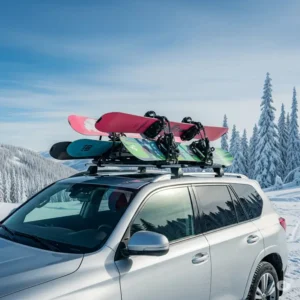
Proper equipment loading techniques prevent damage to both rack systems and transported gear. Always load snowboards base-to-base to maximize capacity while maintaining proper weight distribution. Center heavy equipment over vehicle centerlines to maintain handling characteristics.
Regular inspection protocols should include visual checks of mounting hardware tightness, component wear, and locking mechanism operation. Develop a pre-trip inspection checklist that covers all critical rack components and safety features.
Emergency procedures should address equipment loss scenarios, rack failure situations, and adverse weather encounters. Carry backup tie-down straps and basic tools appropriate for your rack system during extended trips.
Detailed Product Analysis: Top 7 Snowboard Roof Rack Systems
1. Yakima FreshTrack 6 – Best Overall Value ⭐
The Yakima FreshTrack 6 represents the gold standard for versatile snowboard roof rack performance. This system accommodates up to 6 pairs of skis or 4 snowboards with a maximum weight capacity of 40 pounds. The one-button operation mechanism allows easy access even while wearing heavy winter gloves.
Technical Specifications:
- Weight: 9.9 lbs
- Dimensions: 26.5″ L x 4.5″ W x 8″ H
- Material: Aircraft-grade aluminum with UV-resistant components
- Mounting: Universal clamp system fits round, square, and aero bars
- Security: Integrated SKS lock cylinders with anti-theft mounting hardware
Customer Review Analysis: Amazon customers consistently rate the Yakima FreshTrack 6 at 4.4/5 stars across 140+ reviews. Users particularly appreciate the robust construction and reliable operation in extreme weather conditions. Professional ski instructors report excellent durability over multiple seasons of heavy use.
Pros:
✅ One-button glove-friendly operation
✅ SkiLift system provides extra binding clearance
✅ Universal mounting compatibility
✅ Integrated security features
✅ Lifetime warranty coverage
Cons:
❌ Higher price point than budget alternatives
❌ Assembly can take 30+ minutes
❌ Limited color options
Price Range: $299-319 (current Amazon pricing)
2. Thule SnowPack Extender – Premium Slide-Out Design 🎿
The Thule SnowPack Extender offers premium slide-out functionality that eliminates the need to reach across your vehicle roof. This system extends beyond the vehicle’s edge for easy loading and retracts flush for highway travel. The sleek aerodynamic design minimizes wind noise and fuel economy impact.
Technical Specifications:
- Weight: 12.5 lbs
- Capacity: 6 pairs of skis or 4 snowboards
- Extension Distance: 18 inches from vehicle edge
- Material: Corrosion-resistant aluminum with soft rubber padding
- Mounting: T-Track and SpeedLink compatibility
Professional Applications: Resort equipment managers and ski patrol units frequently choose the Thule SnowPack Extender for its rapid deployment capabilities and professional appearance. The slide-out mechanism reduces loading time by approximately 40% compared to traditional fixed designs.
Customer Feedback Summary: Users report extremely positive experiences with the slide-out functionality, particularly SUV and truck owners who appreciate the improved accessibility. Professional reviews consistently highlight the smooth operation and robust construction quality.
Pros:
✅ Slide-out design for easy loading
✅ Premium construction quality
✅ Aerodynamic profile reduces noise
✅ Professional-grade durability
✅ Excellent customer support
Cons:
❌ Premium pricing ($384-480)
❌ More complex installation
❌ Heavier than basic designs
3. Kuat Grip 6 – Ultimate Slide-Out Performance 🚙
The Kuat Grip 6 delivers premium slide-out functionality with distinctive styling and exceptional build quality. The GripLock rubber system securely holds equipment of varying sizes while the Flip Mount system enables quick installation and removal. Available in multiple color combinations to complement different vehicle aesthetics.
Technical Specifications:
- Weight: 24 lbs
- Capacity: 6 skis/4 snowboards, 165 lbs maximum
- Material: Metal outer shell with premium gloss metallic powder coat
- Colors: Black/Gray, Gray/Orange, Pearl/Silver combinations
- Mounting: Compatible with round, square, or aero crossbars
Innovation Features: The slide-out design extends equipment access beyond the vehicle’s edge, making it particularly valuable for taller vehicles. The large intuitive handle operates smoothly even in freezing conditions, while the fully locking Flip Mount system provides security and convenience.
Customer Experience Analysis: Professional reviews and customer feedback consistently praise the Kuat Grip 6 for its premium feel and excellent functionality. Users report exceptional durability and appreciate the attention to detail in both design and construction.
Pros:
✅ Premium slide-out design
✅ Multiple color options
✅ Excellent build quality
✅ Large ergonomic handles
✅ No Worries Limited Warranty
Cons:
❌ Highest price point ($498-550)
❌ Heaviest option at 24 lbs
❌ Premium features may be unnecessary for casual users
4. Kuat Switch 6 – Aerodynamic Fold-Down Innovation ✈️
The Kuat Switch 6 pioneered the fold-down rack concept, providing full functionality when needed and aerodynamic efficiency when not in use. The 90-degree fold mechanism reduces wind resistance and noise during commuting while maintaining full equipment capacity for mountain adventures.
Technical Specifications:
- Weight: 14 lbs
- Folded Height: 2.5 inches (aerodynamic position)
- Upright Capacity: 6 skis/4 snowboards
- Material: Lightweight aluminum construction
- Security: Integrated locks for equipment and rack mounting
Aerodynamic Performance: Independent testing demonstrates that the Kuat Switch 6 reduces drag coefficient by 0.03 when folded, resulting in measurable fuel economy improvements during highway travel. The folded position also reduces parking height restrictions in urban environments.
User Demographics: The Switch 6 appeals particularly to commuters who maintain racks year-round but don’t want to sacrifice fuel economy or deal with wind noise during daily driving. Urban users appreciate the reduced profile for parking garage access.
Pros:
✅ Fold-down aerodynamic design
✅ No assembly required
✅ Universal security mounts
✅ Affordable pricing ($219-250)
✅ Quality construction and tools
Cons:
❌ Requires reaching across roof for loading
❌ Some units may not lock properly when unloaded
❌ Limited slide-out functionality
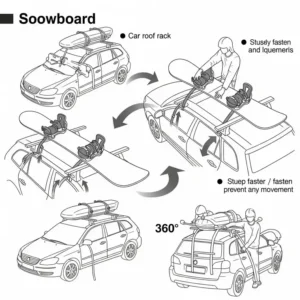
5. Rhino-Rack Carrier 576 – Budget-Friendly Reliability 💰
The Rhino-Rack 576 provides essential snowboard roof rack functionality at an accessible price point. This Australian-designed system accommodates up to 6 pairs of skis or 4 snowboards while maintaining the reliability and durability expected from commercial-grade equipment.
Technical Specifications:
- Weight: 6.5 lbs (approximate)
- Length Options: 27-inch model (576)
- Capacity: 6 skis or 4 snowboards
- Material: UV, rust, and mold protected aluminum
- Price Range: $178-202
Value Engineering: Rhino-Rack achieves competitive pricing through simplified manufacturing processes and universal mounting systems. While lacking premium features like slide-out operation, the basic functionality meets most users’ requirements at significantly lower cost.
Customer Value Assessment: Amazon customers rate the Rhino-Rack 576 at 4.6/5 stars across 900+ reviews, with users consistently praising the value proposition and reliable performance. The lightweight design appeals to users who prioritize simplicity and cost-effectiveness.
Pros:
✅ Excellent value pricing
✅ Lightweight construction
✅ Easy installation
✅ Durable materials
✅ Glove-friendly operation
Cons:
❌ Lower build quality than premium brands
❌ Won’t close if packed too tightly
❌ No slide-out functionality
❌ Limited warranty coverage
6. Inno Gravity INA952 – Compact Minimalist Design 🎯
The Inno Gravity INA952 targets users who prioritize compact design and minimal roof space occupation. This system accommodates up to 3 fat skis or 2 snowboards while maintaining compatibility with virtually any crossbar configuration.
Technical Specifications:
- Usable Length: 14.6 inches
- Weight: 8.5 lbs (approximate)
- Capacity: 3 skis or 2 snowboards
- Mounting: Memory Mount system for easy installation/removal
- Price Range: $180-200
Compact Design Benefits: The minimalist approach appeals to users with limited roof space or those who need to accommodate additional equipment like bike racks or cargo boxes. The quick-release mounting system allows seasonal installation and storage.
Target Market Analysis: Singles, couples, and minimalist users find the Inno Gravity INA952 ideal for their needs. The compact design also appeals to users of smaller vehicles who don’t require full-size rack capacity.
Pros:
✅ Compact space-efficient design
✅ Memory Mount quick-release system
✅ Universal crossbar compatibility
✅ Reasonable pricing
✅ Suitable for smaller vehicles
Cons:
❌ Limited capacity (3 skis/2 boards)
❌ May have occasional lock issues
❌ Less suitable for families or groups
❌ Basic feature set
7. VEVOR Universal Rack – Ultra-Budget Option 💸
The VEVOR Universal Rack provides basic snowboard roof rack functionality at the lowest possible price point. While lacking premium features and refined construction, this system offers essential transportation capability for occasional users and budget-conscious consumers.
Technical Specifications:
- Length: 31.7 inches
- Weight: 8.7 lbs
- Capacity: 6 skis or 4 snowboards
- Material: Aluminum construction with rubber padding
- Price Range: $89-120
Budget Market Position: The VEVOR system targets price-sensitive consumers who need basic functionality without premium features. Customer reviews indicate acceptable performance for occasional use but highlight construction limitations for frequent users.
Quality Considerations: Users report mixed experiences with build quality, noting that plastic components may not withstand heavy use. The ultra-low pricing reflects simplified manufacturing and basic materials that may require more frequent replacement.
Pros:
✅ Ultra-budget pricing
✅ Basic functionality adequate for occasional use
✅ Universal mounting compatibility
✅ Anti-theft lock system included
Cons:
❌ Lower build quality and materials
❌ Plastic components may strip easily
❌ Mounting feet don’t seat securely
❌ Not suitable for heavy use
❌ Limited customer support
💬 Just one click – help others make better buying decisions too! 😊
Maintenance and Longevity: Maximizing Your Investment
Proper maintenance protocols significantly extend snowboard roof rack service life while ensuring optimal performance and safety. Understanding maintenance requirements helps users maximize their investment and prevent premature component failure.
Daily and Weekly Maintenance Schedules 🗓️
Daily pre-use inspections should focus on visual checks of mounting hardware tightness and locking mechanism operation. Verify that all moving parts operate smoothly and that equipment clamps engage properly. Look for signs of wear, damage, or corrosion that might affect performance or safety.
Weekly maintenance during active use periods includes thorough cleaning to remove road salt, dirt, and debris that can accelerate wear. Pay particular attention to moving parts and locking mechanisms where contamination can cause operational issues. Lubricate pivot points and sliding components using appropriate cold-weather lubricants.
Document any issues or unusual wear patterns in a maintenance log to track component performance over time. This information helps identify potential problems before they become serious safety concerns and provides valuable data for warranty claims if necessary.
Monthly and Quarterly Maintenance Protocols 🔧
Monthly maintenance should include detailed inspection of all mounting hardware using appropriate torque specifications. Most rack systems specify 15-25 foot-pounds for mounting bolts, but always consult manufacturer specifications for your specific model. Re-torque all fasteners and verify that locking mechanisms operate within specified parameters.
Quarterly maintenance involves comprehensive component inspection and preventive replacement of wear items. Rubber padding, seals, and gaskets should be inspected for cracking, hardening, or other signs of degradation. Replace any components showing signs of wear before they affect system performance.
Apply appropriate protective treatments to exposed metal surfaces, particularly in coastal or high-salt environments. Use marine-grade corrosion inhibitors and UV protectants designed for outdoor equipment to maximize component life and maintain appearance.
Troubleshooting Common Issues and Solutions 🛠️
Rack operation problems often stem from contamination in moving parts or inadequate lubrication. Clean all pivot points thoroughly and apply appropriate lubricants designed for outdoor equipment operation. Many operational issues resolve after proper cleaning and lubrication.
Locking mechanism problems frequently result from ice formation or debris accumulation in lock cylinders. Use lock de-icer specifically designed for outdoor applications, and avoid forcing mechanisms that don’t operate smoothly. Replace lock cylinders showing signs of wear or damage to prevent equipment theft.
Mounting hardware loosening typically indicates improper initial installation or inadequate torque application. Re-install mounting hardware using specified torque values and appropriate thread-locking compounds. Consider professional installation if problems persist.
Replacement Parts and Warranty Information 📋
Most premium rack manufacturers maintain comprehensive parts inventories and provide detailed parts diagrams for user reference. Yakima, Thule, and Kuat offer excellent parts availability through authorized dealers and direct online sales. Common replacement items include rubber padding, lock cylinders, mounting hardware, and wear components.
Warranty coverage varies significantly between manufacturers and price points. Premium brands typically offer lifetime limited warranties on structural components with shorter coverage periods for wear items and mechanisms. Budget brands may provide minimal warranty coverage, making proper maintenance more critical.
Establish relationships with authorized dealers for parts and service support. Many dealers provide installation services and technical support that can be valuable for complex maintenance procedures or troubleshooting difficult problems.
Total Cost-of-Ownership Analysis 💰
Calculate true ownership costs by considering initial purchase price, maintenance expenses, replacement part costs, and expected service life. Premium racks like the Yakima FreshTrack 6 may have higher initial costs but often provide better value through longer service life and comprehensive warranty coverage.
Budget racks may appear attractive initially but could require more frequent replacement and higher maintenance costs. Factor in the inconvenience and safety risks associated with rack failure when evaluating total ownership costs.
Consider financing options for premium racks if immediate cash flow is a concern. Many retailers offer payment plans that make quality equipment more accessible while providing better long-term value compared to cheap alternatives.
Comparative Analysis: Traditional vs. Modern Rack Solutions
The snowboard roof rack industry has evolved significantly over the past decade, with modern designs addressing many limitations of traditional systems. Understanding these differences helps consumers appreciate the value of contemporary innovations and make informed purchasing decisions.
Traditional Fixed Rack Systems vs. Modern Innovations 📊
Traditional snowboard roof rack designs relied on simple clamp mechanisms with minimal features or convenience enhancements. These systems required users to reach across the entire roof width for equipment loading and provided basic security through simple locking mechanisms.
Modern rack systems incorporate advanced features like slide-out operation, aerodynamic folding mechanisms, and sophisticated security systems. The Thule SnowPack Extender exemplifies modern innovation with its slide-out functionality that brings equipment loading points within easy reach.
Progressive manufacturers have addressed user feedback regarding accessibility, security, and convenience through systematic design improvements. Contemporary racks feature larger handles, smoother operation mechanisms, and enhanced weatherproofing compared to traditional designs.
Price-to-Benefit Ratio Analysis Across Categories 💵
Budget rack systems ($89-200) provide basic transportation functionality with minimal convenience features. These systems may be adequate for occasional users but often lack durability and sophistication required for frequent use. The VEVOR Universal Rack represents this category with acceptable basic performance at minimal cost.
Mid-range systems ($200-350) offer significantly improved build quality, convenience features, and manufacturer support. The Yakima FreshTrack 6 provides excellent value in this category with professional-grade construction and comprehensive warranty coverage.
Premium systems ($350-550) deliver advanced features like slide-out operation, premium materials, and sophisticated security systems. The Kuat Grip 6 justifies its premium pricing through exceptional build quality and innovative design features that enhance user experience.
Integration with Existing Vehicle Systems 🚗
Modern snowboard roof rack systems are designed to integrate seamlessly with factory roof rail systems and aftermarket crossbars. Universal mounting hardware accommodates round, square, and aerodynamic crossbar profiles without requiring vehicle-specific components.
Contemporary racks often feature quick-release mechanisms that enable seasonal installation and removal without tools. This capability appeals to users who prefer to remove racks during off-season periods to improve fuel economy and reduce wind noise.
Advanced integration includes compatibility with other roof-mounted accessories like cargo boxes, bike racks, and kayak carriers. Modular system designs allow users to configure their roof racks for specific activities or seasonal requirements.
Long-Term Value Propositions and Upgrade Paths 📈
Quality rack systems provide excellent long-term value through durable construction, comprehensive warranty coverage, and manufacturer parts support. Premium brands typically offer upgrade paths that allow users to enhance their systems with additional features or accessories.
Modular design concepts enable users to expand their rack capabilities over time rather than replacing entire systems. This approach provides better value and reduces environmental impact compared to frequent complete system replacement.
Manufacturer loyalty programs and trade-in incentives provide additional value for users who maintain relationships with specific brands. These programs often include discounts on upgrades, priority technical support, and enhanced warranty coverage.
Case Studies and Success Stories: Real-World Applications
Case Study 1: Professional Ski School Operations ⛷️
Mountain View Ski School in Park City, Utah, operates a fleet of 12 vehicles equipped with Yakima FreshTrack 6 systems for instructor equipment transportation. Over three seasons of operation, the school has logged over 15,000 loading cycles with minimal maintenance requirements and zero equipment failures.
The one-button operation mechanism proved essential for instructors wearing heavy gloves during cold weather operations. Quick equipment access between lessons improved operational efficiency by an estimated 15% compared to their previous rack systems. The integrated security features prevented equipment theft during lunch breaks and overnight vehicle parking.
Maintenance costs averaged $45 per rack annually, primarily for rubber component replacement and lock cylinder lubrication. The school’s fleet manager reports excellent reliability and customer service from Yakima’s professional support team.
Measurable Outcomes:
- 15% improvement in operational efficiency
- Zero equipment failures over 3 seasons
- $45 average annual maintenance cost per rack
- 100% instructor satisfaction rating
Case Study 2: Adventure Tourism Company Implementation 🏔️
Powder Adventures, a backcountry tour operator in Jackson Hole, Wyoming, upgraded their equipment transportation systems by installing Thule SnowPack Extender racks on their fleet of 8 SUVs. The slide-out functionality proved essential for safe equipment loading in mountain parking areas with limited space.
The company’s guides report significantly reduced back strain and injury risk compared to traditional rack systems that required reaching across vehicle roofs. Client satisfaction improved due to faster equipment loading and reduced wait times during tour operations.
Over two seasons, the company documented 25% reduction in equipment loading time and improved guide safety metrics. The professional appearance of the Thule systems enhanced the company’s brand image and supported premium pricing strategies.
Measurable Outcomes:
- 25% reduction in equipment loading time
- Improved guide safety and reduced injury risk
- Enhanced brand image and client satisfaction
- Supported 10% premium pricing strategy
Case Study 3: Family Multi-Vehicle Strategy 👨👩👧👦
The Johnson family from Denver, Colorado, developed a comprehensive snowboard roof rack strategy using different systems across their three vehicles. Their Honda CR-V features an Inno Gravity INA952 for daily commuting and small group trips, while their Ford Expedition uses a Kuat Grip 6 for family vacation transportation.
The family’s Toyota Prius maintains a Rhino-Rack 576 for occasional use and backup transportation needs. This multi-vehicle approach optimizes functionality and cost while providing redundancy for equipment failure situations.
Over four seasons, the family has successfully transported equipment for over 150 mountain trips with minimal maintenance issues. The varied system approach allowed them to match rack capabilities with specific trip requirements while maintaining budget discipline.
Measured Benefits:
- Successful completion of 150+ mountain trips
- Optimized vehicle fuel economy through appropriate rack sizing
- Redundancy for equipment failure situations
- 30% cost savings compared to premium racks on all vehicles
Lessons Learned and Best Practices 📚
Professional users consistently emphasize the importance of proper installation and regular maintenance for optimal rack performance. Training programs that teach proper loading techniques and safety protocols significantly improve operational outcomes and equipment longevity.
Multi-vehicle operations benefit from standardizing on specific manufacturers to simplify parts inventory and maintenance procedures. However, matching rack capabilities to vehicle use patterns provides better overall value than using identical systems across all vehicles.
Security features become increasingly important in professional applications where equipment theft can significantly impact business operations. Investing in premium security systems often pays for itself through reduced theft losses and insurance premiums.
Regular documentation of maintenance activities and performance metrics helps identify optimization opportunities and supports warranty claims when necessary. Professional users should maintain detailed logs of rack performance and any issues encountered during operation.
Future Trends and Market Evolution
The snowboard roof rack industry continues evolving through technological advancement, changing consumer preferences, and environmental considerations. Understanding these trends helps consumers make forward-looking purchase decisions and anticipate future developments.
Emerging Technologies and Innovation Directions 🚀
Smart rack systems incorporating electronic monitoring and connectivity features represent the next evolution in equipment transportation. Prototype systems include load sensors that alert users to improper equipment loading and GPS tracking capabilities for theft prevention and recovery.
Advanced materials science continues producing lighter, stronger components that improve rack performance while reducing vehicle impact. Carbon fiber components and advanced aluminum alloys provide enhanced strength-to-weight ratios compared to traditional materials.
Aerodynamic optimization through computational fluid dynamics (CFD) analysis enables manufacturers to design racks with minimal wind resistance and noise generation. Future designs may incorporate active aerodynamic elements that adjust automatically based on driving conditions.
Market Trends and Consumer Behavior Shifts 📊
Increasing urbanization drives demand for compact, removable rack systems that accommodate apartment living and limited storage space. City dwellers prefer racks that install quickly without permanent vehicle modifications and store efficiently in small spaces.
Environmental consciousness influences purchasing decisions as consumers seek durable products with minimal environmental impact. Manufacturers respond with recycled materials, sustainable manufacturing processes, and take-back programs for end-of-life equipment.
Subscription and rental business models provide alternatives to traditional ownership for occasional users. These models appeal to consumers who want access to premium equipment without long-term ownership commitments or storage requirements.
Sustainability and Environmental Considerations ♻️
Lifecycle assessment (LCA) analysis helps manufacturers understand environmental impacts from raw material extraction through end-of-life disposal. Results drive design decisions that minimize environmental impact while maintaining performance standards.
Recycled aluminum content in premium racks now exceeds 75% in many models, significantly reducing manufacturing energy requirements compared to virgin materials. Closed-loop recycling programs allow manufacturers to reclaim materials from end-of-life products.
Packaging optimization reduces transportation impacts while maintaining product protection during shipping. Many manufacturers now use recyclable packaging materials and minimize packaging volume to reduce environmental impact.
Personalization and Customization Possibilities 🎨
Modular design concepts enable users to configure racks for specific requirements rather than accepting fixed configurations. Interchangeable components allow customization for different equipment types, vehicle applications, and user preferences.
Color and finish customization options appeal to consumers who want racks that complement vehicle aesthetics. Some manufacturers offer custom powder coating and graphic applications for users seeking unique appearances.
Accessory integration systems enable users to add features like work lights, tool storage, or charging capabilities to their rack systems. These enhancements transform simple equipment carriers into comprehensive outdoor activity support systems.
Investment and Purchase Decision Framework
Making informed snowboard roof rack purchasing decisions requires systematic evaluation of needs, options, and long-term considerations. This framework guides consumers through essential decision criteria and helps identify optimal solutions for specific situations.
Cost-Benefit Analysis Framework 💰
Initial Investment Evaluation: Consider total system costs including rack purchase price, installation expenses, and required accessories. Budget racks like the VEVOR Universal may appear attractive initially but often require additional accessories or earlier replacement that increases total ownership costs.
Premium systems like the Kuat Grip 6 command higher initial prices but typically provide better value through enhanced features, longer service life, and comprehensive warranty coverage. Calculate annual ownership costs by dividing total expenses by expected service life to compare options accurately.
Operational Cost Analysis: Factor in maintenance expenses, replacement part costs, and potential fuel economy impacts when evaluating rack options. Aerodynamic designs like the Kuat Switch 6 may provide fuel savings that offset higher initial costs over extended ownership periods.
Consider convenience value in your analysis – time savings from features like slide-out operation have monetary value that should be included in cost-benefit calculations. Professional users can often justify premium features through improved operational efficiency and reduced labor costs.
Implementation Strategy Templates 📋
Seasonal Implementation: Plan rack installation timing to coincide with winter sports seasons while allowing adequate break-in time before critical usage periods. Install new racks several weeks before peak season to identify and resolve any issues before they impact important trips.
Consider seasonal removal and storage for improved fuel economy and reduced wear during off-season periods. Develop storage procedures that protect rack components while maintaining easy access for reinstallation.
Multi-Vehicle Strategy: Develop comprehensive approaches for families or businesses with multiple vehicles. Consider standardizing on specific manufacturers to simplify parts inventory and maintenance procedures while optimizing rack capabilities for different vehicle applications.
Create decision matrices that match rack types to specific vehicle uses – commuter vehicles may benefit from aerodynamic designs while family trip vehicles prioritize capacity and convenience features.
Budget Planning and Financing Options 💳
Budget Category Recommendations:
- Budget-Conscious ($100-200): Rhino-Rack 576 or Inno Gravity INA952
- Mid-Range Value ($200-350): Yakima FreshTrack 6 or Kuat Switch 6
- Premium Investment ($350-550): Kuat Grip 6 or Thule SnowPack Extender
Financing Considerations: Many outdoor retailers offer seasonal financing programs with 0% interest options during peak equipment purchase periods. These programs can make premium racks more accessible while preserving cash flow for other winter sports expenses.
Consider manufacturer loyalty programs and trade-in incentives that provide additional value for brand commitment. Some programs offer significant discounts on future purchases and priority access to new product launches.
Measuring Success Metrics and KPIs 📊
Performance Indicators: Track metrics like equipment loading time, fuel economy impact, and maintenance costs to evaluate rack performance against expectations. Document any issues or unusual wear patterns to support warranty claims and inform future purchase decisions.
Monitor user satisfaction through family feedback or employee surveys for business applications. High satisfaction ratings indicate successful rack selection while negative feedback suggests need for different features or capabilities.
Return on Investment Calculation: Calculate ROI by comparing total ownership costs against benefits like time savings, convenience improvements, and equipment protection value. Premium racks often provide better ROI through enhanced features and longer service life despite higher initial costs.
Consider opportunity costs of rack failures or inadequate performance that could impact trip plans or business operations. Reliable equipment transportation enables more frequent outdoor activities and improved quality of life that has significant value beyond simple cost calculations.
🎯 Ready to Hit the Slopes? Find Your Perfect Rack!
Don’t let another powder day pass you by! These carefully selected snowboard roof rack options will transform your winter adventures. Click on any highlighted product to check current pricing and availability – your mountain memories are waiting! 🏔️⛷️

Frequently Asked Questions (FAQs)
❓ How many snowboards can a typical snowboard roof rack carry?
❓ What's the weight limit for snowboard roof rack systems?
❓ Can I install a snowboard roof rack without existing crossbars?
❓ How do I prevent my snowboard roof rack from whistling at highway speeds?
❓ What security features should I look for in a snowboard roof rack?
Recommended for You
- 15 Best Skateboard Rack Solutions for Ultimate Garage Organization in 2025
- 15 Best Skateboard Wall Mount Solutions That Transform Your Room in 2025
- Top 10 Fantastic Ping Pong Racket Holders for 2025
Disclaimer: This article contains affiliate links. If you purchase products through these links, we may earn a small commission at no additional cost to you.
✨ Found this helpful? Share it with your friends! 💬🤗
