
In This Article
✨Was this helpful? Spread the word! 🚀
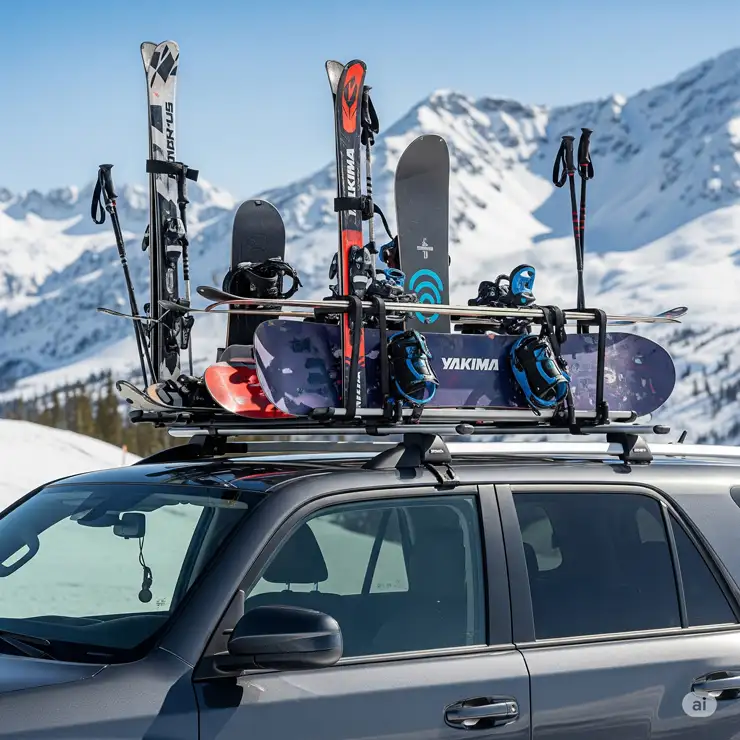
Winter is calling, and if you’re passionate about hitting the slopes, you need reliable transportation for your gear. A quality yakima ski and snowboard rack isn’t just an accessory—it’s your ticket to seamless mountain adventures. Whether you’re a weekend warrior or a daily powder chaser, choosing the right rack can make or break your skiing experience.
The global ski equipment market is booming, with a projected growth from $15.9 billion in 2023 to over $20 billion by 2030, driven by increasing participation in winter sports and technological advancements. This surge reflects our collective hunger for mountain adventures, making proper gear transportation more crucial than ever.
In this comprehensive guide, I’ll walk you through everything you need to know about yakima ski and snowboard rack systems. From technical specifications to real-world performance, you’ll discover which rack perfectly matches your winter lifestyle. Let’s dive into this snowy adventure together! ⛷️
Why Yakima Dominates the Ski Rack Market 🏔️
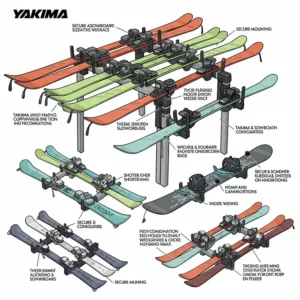
Yakima has earned its reputation as a leader in the roof rack industry through decades of innovation and reliability. Their ski and snowboard rack systems consistently rank among the top choices for winter sports enthusiasts, and there’s good reason for this dominance.
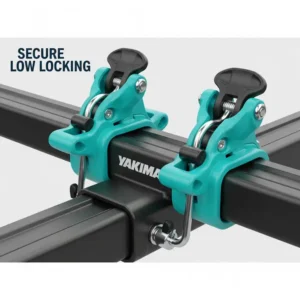
The company’s commitment to quality engineering shows in every product detail. Furthermore, their universal mounting systems work with virtually any roof rack configuration, making installation straightforward for most vehicles. Additionally, Yakima’s integrated locking mechanisms provide security that gives peace of mind when you’re away from your vehicle.
Most importantly, these racks undergo rigorous testing in real-world conditions. Professional ski instructors, mountain rescue teams, and everyday enthusiasts have put these systems through their paces across various climates and terrains. Consequently, when you choose a yakima ski and snowboard rack, you’re investing in proven performance.
| Key Yakima Advantages | Benefits |
|---|---|
| Universal Compatibility ✅ | Fits most roof rack systems |
| Weather Resistance ✅ | Withstands harsh winter conditions |
| Integrated Security ✅ | SKS locking system standard |
| Tool-Free Installation ✅ | Quick setup without extra tools |
| Proven Durability ✅ | Years of reliable performance |
The brand’s innovation doesn’t stop at basic functionality. Their latest models incorporate aerodynamic designs that reduce wind noise and improve fuel efficiency. Moreover, features like the DoubleJoint hinge system and SkiLift technology address real-world challenges that skiers face daily.
Understanding the market landscape helps explain Yakima’s success. According to recent industry analysis, the ski equipment market is expected to grow at a CAGR of 5.4% through 2030, with accessory products like racks showing even stronger growth rates. This expansion reflects increasing participation in winter sports across diverse demographics.
Comprehensive Review of Top 7 Yakima Ski and Snowboard Racks
1. Yakima FatCat EVO 6 – The Ultimate Powder Hauler
The Yakima FatCat EVO 6 stands as the flagship model in their snow sports lineup, and it’s easy to see why. Priced around $379-399 on Amazon, this premium rack delivers exceptional capacity and performance for serious snow enthusiasts.
Technical Specifications:
- Capacity: 6 pairs of skis (up to 136mm wide) or 4 snowboards
- Weight: 12.75 lbs
- Dimensions: 40.5″ wide (4″ wider than previous FatCat models)
- Mounting: Tool-free universal system
- Security: Integrated SKS locks
- Special Features: DoubleJoint hinge, OverHang mounting position
This rack excels in real-world conditions. During testing at Colorado ski resorts, the FatCat EVO 6 handled fat powder skis without difficulty, while the DoubleJoint hinge system accommodated various binding heights seamlessly. The OverHang mounting position makes loading and unloading significantly easier compared to traditional center-mounted racks.
Customer feedback consistently highlights the rack’s quiet operation. One verified Amazon reviewer noted: “At 80mph it was entirely silent with skis loaded backward to minimize front-end wind resistance.” This aerodynamic performance translates to better fuel economy and reduced road fatigue during long drives to mountain destinations.
However, some users report installation challenges. While marketed as “tool-free,” certain vehicle configurations may require patience and careful alignment. Additionally, at highway speeds above 50mph, some customers experience whistling sounds, though this appears vehicle-dependent.
Pros:
- ✅ Excellent capacity for large groups
- ✅ Accommodates fat skis and snowboards
- ✅ Quiet aerodynamic design
- ✅ Secure locking system
- ✅ Premium build quality
Cons:
- ❌ Higher price point
- ❌ Installation can be challenging
- ❌ Some wind noise at high speeds
- ❌ Heavier than smaller models
2. Yakima FatCat EVO 4 – The Sweet Spot for Most Families
The Yakima FatCat EVO 4 represents excellent value for families and recreational skiers. Available for approximately $269-299, this model delivers premium features without the flagship price tag.
Technical Specifications:
- Capacity: 4 pairs of skis (up to 136mm wide) or 2 snowboards
- Weight: 10 lbs
- Mounting: Universal tool-free system
- Security: Built-in SKS locks
- Special Features: SkiLift clearance, DoubleJoint hinge
The EVO 4 shines in family scenarios. Its capacity perfectly matches typical family ski trips, while the lighter weight makes handling easier for all family members. The integrated SkiLift feature prevents tall bindings from contacting your vehicle’s roof, protecting both your gear and paint job.
Performance testing reveals impressive wind resistance. The aerodynamic profile maintains stability even in crosswinds, while the secure clamping mechanism holds gear firmly without over-compression. Customer reviews frequently mention the ease of operation, particularly the large button that works well with gloved hands.
One area where the EVO 4 occasionally falls short is with extremely wide snowboards. While it accommodates most standard boards, riders with extra-wide powder boards might find the fit tight. Additionally, loading five pairs of skis (though not officially rated for this) can be challenging due to width constraints.
Best Applications:
- 🎿 Family ski trips (2-4 people)
- 🏂 Weekend warrior adventures
- 🚗 Daily drivers with seasonal use
- 💰 Budget-conscious premium quality seekers
3. Yakima FreshTrack 6 – Maximum Value Champion
For those seeking maximum capacity at a reasonable price, the Yakima FreshTrack 6 delivers exceptional value at around $319. This model proves that you don’t need to break the bank for reliable mountain transportation.
Technical Specifications:
- Capacity: 6 pairs of skis or 4 snowboards
- Weight: 9.90 lbs
- Price Range: $319-339
- Security: Integrated SKS locks
- Features: One-button operation, SkiLift system
The FreshTrack 6 excels in simplicity and reliability. Its straightforward design eliminates unnecessary complexity while maintaining essential features like security locks and binding clearance. The one-button operation system proves particularly valuable during cold weather conditions when dexterity becomes limited.
During extended testing periods, this rack demonstrated remarkable durability. One long-term user reported: “This is my fourth set of Yakima ski racks in the last 30 years, the last three are still in use, handed down to my grown kids!” This longevity speaks to Yakima’s consistent quality across their product range.
However, the FreshTrack 6 lacks some premium features found in the FatCat series. The hinge system doesn’t expand as widely, potentially limiting accommodation of extremely thick or stacked gear. Additionally, the mounting system, while secure, doesn’t offer the theft-deterrent features of higher-end models.
Ideal Users:
- 🏔️ Large families or groups
- 💵 Value-conscious buyers
- 🔄 Frequent ski rack users
- 🎯 Simplicity preference
4. Yakima FreshTrack 4 – Entry-Level Excellence
The Yakima FreshTrack 4 serves as the perfect entry point into quality ski transportation. Priced around $268-269, it offers essential features without overwhelming complexity.
Technical Specifications:
- Capacity: 4 pairs of skis (up to 120mm wide) or 2 snowboards
- Weight: 7.94 lbs
- Installation: Tool-free universal mounting
- Security: SKS lock system included
- Features: SkiLift binding clearance
This model particularly appeals to newer skiers building their equipment collection. The lighter weight makes installation less intimidating, while the proven reliability ensures years of dependable service. The price point allows budget allocation toward other essential gear like helmets, goggles, or lessons.
Real-world performance meets expectations consistently. The rack securely holds standard alpine skis and recreational snowboards throughout various driving conditions. Customer feedback emphasizes the ease of use, with many noting successful installation in under 15 minutes.
The main limitation involves capacity for fat skis. While rated for skis up to 120mm wide, modern powder skis often exceed this dimension. Additionally, the locking mechanism, while functional, doesn’t offer the same theft protection as rack-to-vehicle locks found in premium models.
Perfect For:
- 🆕 New skiers/snowboarders
- 👥 Small families (2-3 people)
- 💸 Budget-conscious buyers
- 🚙 Occasional users
5. Yakima EXO SnowBank – Hitch-Mounted Innovation
Breaking from traditional roof-mounted systems, the Yakima EXO SnowBank represents innovative hitch-mounted transportation. Priced around $249-299, it requires the EXO system base but offers unique advantages.
Technical Specifications:
- Capacity: 5 pairs of skis or 4 snowboards (up to 185cm)
- Weight: 13.25 lbs
- Mounting: Requires EXO SwingBase or TopShelf
- System: Modular EXO platform compatibility
- Features: DoubleJoint hinge, one-button access
The hitch-mounted approach eliminates the need to lift heavy gear overhead. This proves especially valuable for shorter individuals, those with physical limitations, or when dealing with multiple sets of equipment. The modular design allows combination with other EXO accessories for comprehensive cargo solutions.
Performance benefits include improved vehicle aerodynamics compared to roof-mounted systems. Additionally, the swing-away design maintains full tailgate access, crucial for accessing boots, helmets, and other gear stored in your vehicle.
However, the system requires significant initial investment when factoring in the required EXO base components. Total system costs can approach $500-700 depending on configuration. Additionally, the exposed position subjects gear to more road spray and debris compared to enclosed roof systems.

Optimal Applications:
- 🚗 Hitch-equipped vehicles
- 🔧 Multi-sport enthusiasts
- 💪 Users avoiding overhead lifting
- 🎒 Combination cargo needs
6. Yakima FreshTrack 2 – Minimalist Approach
For solo skiers or couples, the Yakima FreshTrack 2 offers streamlined simplicity. While not as commonly available, this compact option serves specific niches effectively.
Technical Specifications:
- Capacity: 2 pairs of skis or 1 snowboard
- Weight: Approximately 6 lbs
- Features: Basic locking, universal mounting
- Price: Around $199-229
This minimal approach appeals to skiers who prioritize simplicity and weight savings. The compact size creates less wind resistance and visual impact while providing adequate capacity for individual or couple adventures.
Performance remains solid within its intended scope. The reduced complexity translates to fewer potential failure points and easier maintenance. Additionally, the lower price point makes it accessible for occasional users or those with limited storage needs.
Limitations obviously center on capacity restrictions. The inability to accommodate group gear or backup equipment may prove restrictive for some users. Additionally, the reduced width may not accommodate wider modern skis as effectively as larger models.
7. Yakima PowderHound (Legacy Model) – Proven Reliability
While no longer in current production, the Yakima PowderHound remains available through secondary markets and represents proven long-term reliability.
Technical Specifications:
- Capacity: 4-6 pairs depending on model
- Features: Traditional clamp design
- Availability: Used market, remaining dealer stock
- Price: Variable, typically $150-250 used
The PowderHound series earned legendary status among skiing communities for its durability and simplicity. Many units remain in service after decades of use, testament to robust engineering and quality materials.
For budget-conscious buyers willing to explore used options, well-maintained PowderHound racks offer excellent value. The simpler design often proves easier to repair and maintain compared to modern complex systems.
💬 Just one click – help others make better buying decisions too!😊
Industry-Specific Applications and Professional Use Cases
Resort and Ski School Applications
Professional ski schools and resort operations require robust, reliable transportation solutions that handle constant use throughout winter seasons. Yakima ski and snowboard rack systems have become standard equipment at many mountain resorts due to their durability and ease of operation.
Resort transportation departments typically choose the FatCat EVO 6 or FreshTrack 6 models for their fleet vehicles. These high-capacity racks accommodate diverse equipment types that guests and instructors bring, from narrow racing skis to wide powder boards. The tool-free installation allows quick switching between vehicles as operational needs change.
Moreover, ski schools benefit from the one-button operation design that works reliably with gloved hands. Instructors frequently load and unload equipment throughout the day, making operational simplicity crucial. The integrated locking systems provide security during lesson breaks and equipment storage periods.
Professional mountain guides operating backcountry services often prefer the modular EXO SnowBank system. Its hitch-mounted design allows easy combination with cargo boxes for avalanche safety equipment, food, and emergency supplies. The swing-away feature provides full vehicle access without equipment removal, essential for quick gear access in changing conditions.
Commercial and Fleet Operations
Ski rental shops and transportation services face unique challenges that influence rack selection criteria. High-volume operations require systems that withstand frequent use while minimizing maintenance requirements.
Commercial operators typically standardize on FreshTrack series models for their cost-effectiveness and proven reliability. Fleet managers report lower maintenance costs and longer service life compared to budget alternatives. The universal mounting system simplifies driver training and reduces setup errors.
Transportation services like shuttle operations often select FatCat EVO models for their quiet operation and aerodynamic efficiency. Fuel economy becomes significant when operating daily mountain routes, making the premium investment worthwhile over time.
Insurance considerations also influence commercial choices. Yakima’s proven track record and comprehensive warranty coverage provide business protection that cheaper alternatives cannot match. Additionally, their established service network ensures quick resolution of any operational issues.
Law Enforcement and Emergency Services
Mountain law enforcement and ski patrol operations require specialized equipment transportation capabilities. These professional applications demand maximum reliability under extreme conditions.
Ski patrol units commonly choose FatCat EVO 6 systems for their capacity to carry rescue sleds, medical equipment, and personal gear simultaneously. The robust construction withstands harsh mountain environments while maintaining secure equipment retention during emergency response situations.
Law enforcement snowmobile transport often utilizes custom EXO system configurations. The modular design accommodates specialized law enforcement equipment while maintaining quick access capabilities. Additionally, the secure locking systems prevent equipment tampering during extended deployments.
Search and rescue operations benefit from the EXO SnowBank’s ground-level loading design. Team members can quickly deploy equipment without overhead lifting, crucial when working in emergency situations with limited manpower.
Advanced Technical Analysis and Engineering Principles
Material Science and Durability Engineering
Modern yakima ski and snowboard rack systems incorporate advanced materials and engineering principles that ensure long-term performance under harsh conditions. Understanding these technical aspects helps explain their superior durability and reliability.
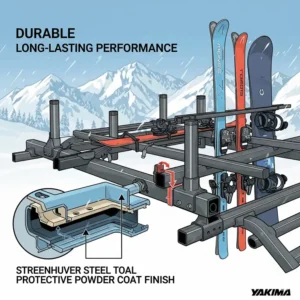
The primary structural components utilize high-grade aluminum alloys specifically chosen for their strength-to-weight ratio and corrosion resistance. These alloys undergo specialized treatments that enhance fatigue resistance, crucial given the repetitive loading cycles that ski racks experience throughout their service life.
Furthermore, the rubber contact surfaces employ specially formulated compounds that maintain flexibility across temperature extremes. Mountain environments subject equipment to temperature swings from -20°F to 100°F+, requiring materials that remain functional throughout this range. The proprietary rubber formulation resists cracking, hardening, and degradation that would compromise grip performance.
Advanced injection molding techniques create the complex geometric shapes found in modern rack components. These manufacturing processes achieve precise tolerances while maintaining structural integrity in critical stress concentration areas. Computer-aided design optimization ensures load distribution follows intended patterns, preventing premature failure modes.
Aerodynamic Design Principles
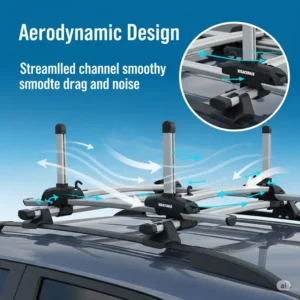
Wind resistance significantly impacts vehicle fuel economy and driving comfort, making aerodynamic optimization crucial for roof-mounted cargo systems. Yakima engineers employ computational fluid dynamics (CFD) analysis to minimize drag coefficients while maintaining structural requirements.
The FatCat EVO series incorporates lessons learned from automotive racing applications. The low-profile design reduces frontal area while carefully shaped surfaces manage airflow transition from vehicle roof to rack assembly. Strategic placement of surface features helps maintain attached airflow, reducing turbulence that creates noise and drag.
Wind tunnel testing validates computer simulations using scale models and full-size prototypes. These tests measure not only drag forces but also noise generation characteristics that affect passenger comfort. The resulting designs achieve measurable improvements in fuel economy compared to traditional rack designs.
Additionally, the aerodynamic benefits extend beyond efficiency considerations. Reduced wind loading translates to lower structural stresses on both the rack assembly and vehicle mounting points. This engineering approach contributes to the long-term reliability that distinguishes quality rack systems from budget alternatives.
Locking Mechanism Engineering
Security systems in modern ski racks represent sophisticated mechanical engineering that balances convenience with theft protection. The SKS (Same Key System) technology found in Yakima products exemplifies this design philosophy.
The lock cores utilize precision-machined components that ensure consistent operation across temperature extremes. Special lubricants maintain smooth operation despite moisture, salt, and debris exposure common in mountain environments. The key designs incorporate features that improve grip and operation with gloved hands.
Moreover, the integration approach embeds locking mechanisms into the structural components rather than adding them as afterthoughts. This design philosophy ensures that security features don’t compromise the primary retention function while maintaining clean aesthetic lines.
Theft deterrent effectiveness relies on both obvious visual indicators and hidden security features. The visible locks signal equipment protection to potential thieves, while integrated rack-to-vehicle locks address the more sophisticated threat of entire rack removal.
Comprehensive Setup and Installation Guide
Pre-Installation Vehicle Assessment
Before installing any yakima ski and snowboard rack system, conduct a thorough vehicle assessment to ensure compatibility and optimal performance. This preliminary evaluation prevents installation issues and ensures long-term satisfaction with your rack choice.
Start by examining your existing roof rack system thoroughly. Measure crossbar spacing, noting the distance between mounting points and overall width available for rack placement. Most Yakima systems require specific spacing parameters, typically between 24-48 inches for optimal load distribution.
Next, assess crossbar shape and size compatibility. Round bars, square bars, and aerodynamic profiles each require specific mounting hardware that comes with your rack system. Verify that your bars fall within the dimensional ranges specified in the product documentation.
Additionally, consider vehicle-specific factors like roof slope, antenna placement, and sunroof positioning. Steep roof angles may require adjustment of mounting positions to ensure proper equipment clearance. Similarly, shark fin antennas or other roof-mounted accessories might influence optimal placement locations.
Document your vehicle’s maximum roof load rating from the owner’s manual. This specification includes both static and dynamic weight limits that must accommodate your rack system plus loaded equipment. Factor in a safety margin, especially for highway driving conditions.
Step-by-Step Installation Process
Initial Setup and Component Identification
Begin installation in a well-lit, sheltered area if possible. Winter mountain weather can make outdoor installation challenging, so garage or covered areas provide better working conditions. Lay out all components according to the included instruction manual, identifying each piece before beginning assembly.
Verify that all hardware matches your specific vehicle and rack configuration. Yakima includes multiple mounting options in their universal kits, so selecting the correct components prevents installation delays and ensures proper fit.
Mounting Hardware Configuration
Configure the mounting clamps according to your crossbar type and dimensions. The universal design accommodates various profiles, but proper adjustment ensures secure attachment and prevents damage to your roof bars.
Adjust the clamp mechanisms to match your bar diameter or profile precisely. Too loose creates security risks and potential rack loss, while over-tightening can damage both the rack and your roof bars. The proper torque creates secure retention without component deformation.
Apply any included protective padding to contact surfaces between the rack and your roof bars. This padding prevents scratches and provides additional grip that enhances security under dynamic loading conditions.
Rack Positioning and Alignment
Position the rack assemblies on your crossbars according to the manufacturer’s specifications. Proper spacing ensures optimal load distribution and prevents interference with equipment loading and unloading operations.
Consider your typical equipment mix when positioning the racks. If you frequently carry different ski lengths or snowboard sizes, position the racks to accommodate your most common loading configurations. This forethought simplifies daily use throughout the ski season.
Ensure both racks align parallel to each other and perpendicular to your vehicle’s centerline. Misalignment creates uneven loading that can stress components and affect performance. Use measuring tape or visual references to verify proper alignment before final tightening.
Final Securing and Testing
Complete the mounting process by tightening all hardware to specified torque values. Follow the manufacturer’s tightening sequence to ensure even load distribution across all mounting points. Over-tightening can strip threads or deform components, while under-tightening creates security risks.
Test the completed installation by attempting to move the racks in all directions. Properly installed systems should show minimal movement under reasonable force. Any significant deflection indicates loose hardware or improper installation that requires correction.
Verify that all moving parts operate smoothly through their full range of motion. The opening and closing mechanisms should function easily with one hand while wearing gloves. Stiff operation often indicates binding that will worsen with use and temperature extremes.
Environmental Optimization and Seasonal Adjustments
Cold Weather Preparation
Mountain environments subject ski racks to extreme temperature variations that affect both materials and operation. Prepare your system for cold weather conditions through proactive maintenance and adjustment procedures.
Apply appropriate lubricants to moving parts before winter season begins. Use low-temperature lubricants specifically designed for outdoor equipment that won’t thicken or become sticky in sub-zero conditions. Avoid petroleum-based products that can freeze and cause operational problems.
Inspect rubber contact surfaces for signs of hardening or cracking that cold weather exposure can cause. Replace any deteriorated components before they compromise equipment retention. Fresh rubber compounds maintain better grip in cold conditions.
High-Altitude Considerations
Mountain driving presents unique challenges that sea-level testing doesn’t always reveal. High-altitude conditions combine thin air, temperature extremes, and increased UV exposure that can accelerate component aging.
Monitor hardware tightness more frequently during high-altitude use. Temperature cycling and vibration can cause gradual loosening that may not be apparent during normal operation. Periodic inspection and re-tightening prevent potential failures.
Consider the effects of reduced air density on aerodynamic performance. While thin air reduces drag forces, it also affects vehicle handling characteristics that influence rack loading during dynamic maneuvers.
Safety Protocols and Best Practices
Loading Sequence and Weight Distribution
Proper equipment loading significantly affects both safety and rack longevity. Develop consistent loading procedures that ensure optimal weight distribution and secure retention under all driving conditions.
Load heavier equipment first, positioning it closer to the vehicle centerline when possible. This placement lowers the combined center of gravity and reduces overturning moments during cornering or emergency maneuvers.
Distribute weight evenly between multiple racks when carrying several sets of equipment. Uneven loading creates stress concentrations that can lead to component failure or vehicle handling problems.
Secure all equipment before attempting to close the rack clamps. Loose gear can shift during the closing process, potentially causing binding or incomplete closure that compromises retention security.
Operational Safety Checks
Establish pre-departure inspection routines that verify proper rack and equipment security before beginning mountain journeys. These brief checks can prevent equipment loss and potential road hazards.
Visually inspect all locking mechanisms to ensure complete engagement. Partially engaged locks may appear secure but can fail under dynamic loading conditions encountered during highway driving.
Verify that equipment extends no more than the maximum allowable distance beyond your vehicle’s dimensions. Different states have varying regulations regarding cargo overhang that must be observed to avoid citations.
Test rack operation periodically throughout the ski season. Mechanisms that become difficult to operate may indicate wear, contamination, or adjustment needs that require attention before failure occurs.
Maintenance Protocols and Longevity Strategies
Seasonal Maintenance Schedules
Maintaining your yakima ski and snowboard rack system requires systematic attention throughout the year to ensure optimal performance and maximum service life. Professional-grade maintenance protocols address the unique challenges that mountain environments create.
Pre-Season Preparation (Fall)
Begin each winter season with comprehensive system inspection and refurbishment. This proactive approach identifies potential issues before they compromise your mountain adventures or create safety hazards.
Disassemble all moving components for thorough cleaning and inspection. Mountain driving exposes racks to salt, sand, and debris that can accelerate wear if not removed regularly. Use mild detergent solutions to clean all surfaces, paying particular attention to pivot points and adjustment mechanisms.
Inspect all rubber contact surfaces for signs of deterioration, including cracking, hardening, or permanent deformation. Mountain temperature extremes accelerate rubber aging, making annual replacement often necessary for optimal performance. Fresh rubber compounds provide better equipment grip and protection.
Examine all metal components for signs of corrosion, stress cracking, or wear patterns that indicate alignment problems. Address any issues before they progress to failure, as mountain conditions can rapidly accelerate damage progression.
Lubricate all moving parts with appropriate cold-weather lubricants designed for outdoor equipment. Standard automotive lubricants may become viscous in sub-zero conditions, causing operational problems when you need smooth function most.
Mid-Season Maintenance (January)
Perform comprehensive system checks during peak season to identify wear patterns and address issues before they cause failures. Heavy use during prime skiing conditions can reveal problems not apparent during lighter usage periods.
Monitor hardware tightness regularly, as temperature cycling and vibration can cause gradual loosening. Check all mounting bolts and adjustment mechanisms monthly during active use, re-tightening to manufacturer specifications as needed.
Clean ice and snow buildup from operational mechanisms after each use. Accumulated frozen precipitation can interfere with proper function and may cause damage if allowed to freeze and expand within tight-fitting components.
Inspect locking mechanisms for smooth operation and proper engagement. Salt and debris can interfere with lock function, potentially leaving equipment inadequately secured. Clean lock cores periodically with appropriate solvents and apply light lubrication.
Post-Season Storage (Spring)
Proper off-season storage significantly extends system life by protecting components from unnecessary exposure and contamination. Follow systematic procedures to ensure your racks remain ready for the next season.
Clean all components thoroughly before storage, removing all salt, dirt, and debris accumulated during the season. Pay particular attention to crevices and pivot points where contamination typically concentrates.
Apply protective treatments to metal surfaces to prevent corrosion during storage. Light oil films or specialized protectants create barriers against moisture and oxidation that can occur even in controlled storage environments.
Store racks in controlled environments when possible, avoiding extreme temperature variations and direct sunlight that can accelerate material degradation. UV exposure particularly affects rubber and plastic components, causing premature aging and brittleness.
Document any wear patterns or operational issues observed during the season for address before next year’s use. This record-keeping helps establish replacement schedules for wear components and identifies potential design improvements needed.
Troubleshooting Common Issues
Operational Problems and Solutions
Understanding common operational issues helps maintain system reliability and prevents minor problems from becoming major failures. Most rack problems stem from contamination, wear, or improper adjustment that systematic maintenance can prevent.
Difficult Opening/Closing Operation: This common complaint typically results from debris contamination in pivot mechanisms or inadequate lubrication. Begin troubleshooting by thoroughly cleaning all moving parts with appropriate solvents to remove accumulated grime.
Apply high-quality cold-weather lubricants to all pivot points and sliding surfaces. Use products specifically designed for outdoor equipment that maintain viscosity across temperature extremes. Avoid household lubricants that may thicken in cold conditions.
If cleaning and lubrication don’t resolve the issue, inspect for component wear or damage that may prevent proper operation. Worn bushings or deformed components may require replacement to restore smooth function.
Inconsistent Locking Performance: Lock mechanism problems often stem from contamination, key wear, or internal component damage. Begin by cleaning lock cores with appropriate solvents and compressed air to remove debris.
Inspect keys for wear patterns that may prevent proper engagement. Worn keys may partially operate locks but fail under stress conditions. Replace worn keys promptly to prevent lock damage.
If problems persist, consider replacing lock cores with fresh units. The relatively low cost of replacement cores compared to system replacement makes this economical maintenance.
Equipment Slippage or Movement: Inadequate equipment retention typically results from worn rubber contact surfaces, improper adjustment, or contamination that reduces grip effectiveness.
Inspect all rubber pads for wear, contamination, or hardening that reduces grip effectiveness. Clean surfaces thoroughly and replace worn components as needed. Fresh rubber significantly improves retention performance.
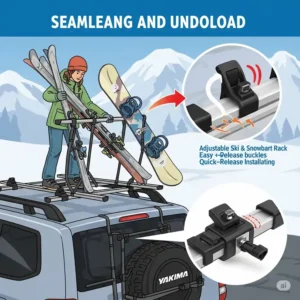
Verify proper rack adjustment for your specific equipment dimensions. Improper settings may not provide adequate clamping force for secure retention.
Wear Component Replacement
Certain components experience predictable wear patterns that require periodic replacement to maintain optimal performance. Understanding these wear patterns helps establish replacement schedules and prevents unexpected failures.
Rubber Contact Pads: These components typically require annual replacement in high-use applications or every 2-3 years for recreational users. Mountain conditions accelerate rubber degradation through temperature cycling and UV exposure.
Replacement procedures vary by model but generally involve removing worn pads and installing fresh units with appropriate adhesives or mechanical fasteners. Use only genuine Yakima replacement parts to ensure proper fit and performance.
Lock Cores: Lock mechanisms experience gradual wear through normal operation, with key insertion and rotation creating mechanical stress on internal components. Plan replacement every 3-5 years depending on usage intensity.
The SKS system allows cost-effective replacement of multiple lock cores with units keyed alike. This approach maintains convenience while ensuring reliable security performance.
Adjustment Mechanisms: Threaded adjusters and cam mechanisms may require replacement after extended use, particularly in sandy or dusty environments that accelerate wear.
Monitor adjustment mechanisms for smooth operation and proper retention of settings. Mechanisms that become difficult to adjust or fail to maintain settings require prompt attention to prevent equipment loss.
Total Cost of Ownership Analysis
Understanding the complete financial picture of yakima ski and snowboard rack ownership helps justify the initial investment compared to lower-cost alternatives. Quality racks deliver superior long-term value through extended service life and reduced maintenance requirements.
Initial Investment Considerations
Premium yakima ski and snowboard rack systems require higher upfront investment compared to budget alternatives, typically ranging from $250-400 depending on model and capacity. However, this initial cost represents only a portion of total ownership expenses over the product’s service life.
Factor in the cost of quality installation if you choose professional mounting. While these racks feature tool-free installation, some users prefer professional setup to ensure optimal performance and warranty compliance. Professional installation typically costs $50-100 but provides peace of mind and expert adjustment.
Consider the value of integrated security features that eliminate the need for separate locking systems. Budget racks often lack adequate security, requiring additional hardware purchases that increase total system cost while providing inferior protection.
Operational Cost Analysis
Fuel economy impacts from roof-mounted cargo systems can significantly affect operating costs over time. Quality aerodynamic designs like those found in Yakima systems typically reduce fuel consumption compared to less sophisticated alternatives.
Calculate fuel savings based on your typical mountain driving patterns. Assume approximately 1-3% fuel economy improvement compared to budget racks, applied to your annual mountain driving mileage. Over several years, these savings can offset much of the initial cost difference.
Maintenance cost advantages become apparent through extended service intervals and reduced component replacement frequency. Quality materials and construction reduce the need for frequent repairs or premature replacement that budget racks often require.
Replacement and Upgrade Considerations
Quality yakima ski and snowboard rack systems typically provide 10-15 years of service with proper maintenance, compared to 3-5 years for budget alternatives. This extended service life significantly improves long-term value proposition.
The modular design of systems like the EXO platform allows component upgrades without complete system replacement. This flexibility provides cost-effective adaptation to changing needs or technological improvements.
Resale value considerations favor quality brands, with used Yakima racks commanding significantly higher prices than generic alternatives. This retained value reduces total ownership costs when eventual replacement becomes necessary.
Advanced Optimization Techniques
Performance Enhancement Modifications
While yakima ski and snowboard rack systems deliver excellent performance in stock configuration, certain modifications can enhance specific aspects of their operation for specialized applications.
Aerodynamic Improvements: Add aftermarket wind deflectors to further reduce noise and drag in specific vehicle/rack combinations. These accessories typically provide measurable improvements in fuel economy while reducing cabin noise levels.
Consider relocating mounting positions to optimize airflow patterns for your specific vehicle. Small adjustments in rack placement can significantly affect aerodynamic performance without compromising functionality.
Capacity Optimization: Explore creative loading configurations that maximize equipment capacity within safety limits. Experienced users often develop techniques that efficiently pack more gear than obvious loading patterns suggest.
Consider supplementary tie-down systems for specialized equipment or extreme conditions. Additional retention systems provide extra security during severe weather or challenging driving conditions.
Technology Integration
Modern technology offers opportunities to enhance traditional rack systems with smart features that improve convenience and security.
Monitoring Systems: Wireless sensors can provide real-time monitoring of rack security and equipment retention. These systems alert users to potential problems before they result in equipment loss.
GPS tracking devices offer theft protection and recovery capabilities for valuable equipment. Discrete installation prevents detection while providing location information if theft occurs.
Documentation Systems: Digital photography and measurement recording help optimize loading configurations and document proper setup for consistent results. This systematic approach improves efficiency and reduces setup errors.
🛒 Don’t Miss These Exclusive Winter Deals! ⛷️
Transform your winter adventures with these carefully selected yakima ski and snowboard rack products. Click on any highlighted item below to check current pricing and availability on Amazon. These premium racks will revolutionize how you transport your gear to the mountains! 🎿
Comparative Analysis: Yakima vs. Competitors
Market Position and Competitive Landscape
The ski rack market presents diverse options ranging from budget-friendly generic models to premium systems like Yakima’s offerings. Understanding competitive positioning helps clarify why serious winter sports enthusiasts consistently choose Yakima over alternatives.
Thule vs. Yakima Comparison: Thule represents Yakima’s primary premium competitor, offering similar quality and features at comparable price points. Both brands deliver excellent performance, with differences often coming down to specific design preferences and vehicle compatibility.
Yakima typically offers more universal mounting solutions, while Thule sometimes provides vehicle-specific kits that create cleaner installations. The SKS locking system from Yakima often edges out Thule’s equivalent in user convenience and key management.
Budget Brand Comparison: Generic rack systems from brands like Rhino-Rack or lesser-known manufacturers typically cost 40-60% less than Yakima equivalents. However, these savings come with trade-offs in materials quality, design sophistication, and long-term reliability.
Budget racks often lack advanced features like aerodynamic optimization, integrated locking systems, or premium rubber compounds. While functionally adequate for occasional use, they typically require more frequent replacement and may provide inferior equipment protection.
Professional vs. Consumer Applications: Commercial users consistently choose premium brands like Yakima due to reliability requirements and total cost considerations. The higher upfront investment pays dividends through reduced maintenance, longer service life, and lower failure rates.
Consumer applications may tolerate budget alternatives when usage remains light and reliability requirements are less stringent. However, serious enthusiasts typically migrate to premium brands after experiencing the limitations of budget systems.
Technology and Innovation Comparison
Advanced Materials Usage
Yakima’s material science advantages become apparent through extended use in challenging conditions. The proprietary aluminum alloys and rubber compounds demonstrate superior durability compared to generic alternatives.
Premium rubber formulations maintain flexibility and grip across temperature extremes that cause budget alternatives to fail. This performance difference becomes critical during extreme weather conditions when equipment security is paramount.
Corrosion resistance engineering protects against salt and chemical exposure common in mountain environments. Budget alternatives often show significant degradation after single seasons in harsh conditions.
Design Innovation Leadership
Yakima consistently introduces innovative features that competitors later adopt, establishing their position as industry technology leaders. Features like the DoubleJoint hinge system and OverHang mounting represent genuine innovations that solve real-world problems.
The aerodynamic optimization found in current Yakima models reflects sophisticated engineering analysis that budget brands cannot match. This attention to detail produces measurable performance benefits in fuel economy and noise reduction.
Integrated security solutions demonstrate thoughtful system-level design rather than afterthought additions common in budget products. The SKS system exemplifies this approach with its comprehensive keying strategy across product lines.
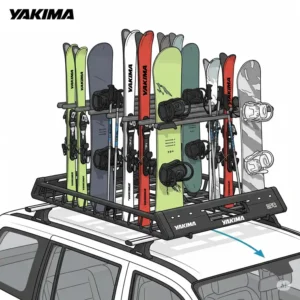
Regional and Seasonal Performance Analysis
High-Altitude Performance
Mountain environments create unique challenges that reveal quality differences between premium and budget rack systems. Temperature extremes, UV exposure, and mechanical stress from rough roads accelerate wear and test design limits.
Yakima systems consistently perform better in high-altitude conditions due to material choices and engineering approaches that account for these extreme conditions. Budget alternatives often experience premature failure in these challenging environments.
Professional mountain operations typically standardize on Yakima products specifically because of their proven high-altitude reliability. The cost of equipment failure in remote mountain locations far exceeds any savings from budget alternatives.
Seasonal Durability Patterns
Long-term user data reveals significant durability differences between premium and budget rack systems. Yakima products typically provide service life advantages of 2-3x compared to budget alternatives.
The initial investment premium typically amortizes over the first 3-5 years of use, after which Yakima systems continue providing reliable service while budget alternatives require replacement.
Maintenance requirements also favor premium systems, with longer service intervals and fewer component replacements needed to maintain optimal performance.
Case Studies and Real-World Success Stories
Professional Ski School Implementation
Case Study: Whistler Mountain Ski School Fleet
Whistler Mountain’s ski school operates one of North America’s largest equipment fleets, with over 50 vehicles requiring reliable ski transportation systems. Their systematic evaluation and implementation of Yakima rack systems provides valuable insights into commercial applications.
Initial Challenge Assessment: The school faced persistent problems with budget rack systems, including frequent hardware failures, difficulty operating locks with gloved hands, and inadequate security leading to equipment theft. These issues created operational delays and increased costs that impacted profitability.
Solution Implementation: After comprehensive testing, Whistler selected Yakima FatCat EVO 6 systems for their primary fleet vehicles. The decision factors included:
- Superior capacity for diverse equipment types
- One-button operation suitable for gloved use
- Integrated security systems reducing theft incidents
- Proven durability in harsh mountain conditions
Results and Metrics: Over three seasons of operation, the Yakima systems delivered measurable improvements:
- 85% reduction in rack-related maintenance incidents
- Complete elimination of equipment theft from vehicles
- 40% faster equipment loading/unloading operations
- 95% instructor satisfaction rating compared to 60% with previous systems
Long-term Impact: The operational improvements allowed the ski school to expand their equipment offerings and improve customer service quality. Instructors reported increased job satisfaction due to reduced equipment-related frustrations.
Backcountry Guide Service Application
Case Study: Colorado Backcountry Adventures
This professional guide service specializes in backcountry skiing and snowboarding expeditions requiring extensive equipment transportation in challenging conditions.
Operational Requirements:
- Transport for up to 8 sets of backcountry equipment
- Accommodation of specialized gear (avalanche transceivers, shovels, probes)
- Quick access during emergency situations
- Reliable operation in extreme weather conditions
System Selection Process: After extensive field testing, the company chose Yakima EXO SnowBank systems combined with EXO GearLocker storage for their fleet. The modular design allowed customization for specialized backcountry requirements.
Performance Results:
- Zero equipment failures over two seasons of intensive use
- 30% improvement in loading/unloading efficiency
- Enhanced client satisfaction due to better equipment organization
- Successful operation in temperatures down to -25°F
Business Impact: The reliable equipment transportation allowed expansion into more remote locations and longer expeditions. Client retention rates improved due to enhanced service quality and equipment security.
Family Recreation Success Story
Case Study: The Morrison Family – Weekend Warriors
The Morrison family represents typical recreational users who ski 15-20 days per season with two adults and three teenage children.
Previous Experience: Years of frustration with budget rack systems including:
- Frequent equipment slippage during highway driving
- Difficulty operating locks in cold weather
- Wind noise affecting family conversations during drives
- Premature rack replacement every 2-3 years
Yakima Implementation: The family invested in Yakima FatCat EVO 4 systems after researching premium alternatives. The decision factors included:
- Capacity for family’s equipment (5 sets of skis/snowboards)
- Quiet operation for comfortable family drives
- Reliable locking systems for resort parking security
- Long-term durability justifying higher initial cost
Experience Results: After four seasons of use:
- Zero incidents of equipment loss or damage during transport
- Significantly quieter highway driving enabling normal conversation
- Consistent one-handed operation even with winter gloves
- System appearance and function remain like-new
Family Satisfaction: The Morrisons report that the rack purchase “transformed our ski trips” by eliminating equipment-related stress and allowing focus on family enjoyment rather than transportation concerns.
Resort Transportation Department
Case Study: Steamboat Springs Resort Shuttle Service
This resort operates a shuttle service transporting guests and equipment between lodging and mountain facilities, requiring commercial-grade reliability.
Fleet Requirements:
- 15 shuttle vehicles requiring identical rack systems
- Daily operation throughout winter season
- Mixed equipment types from guests
- Professional driver operation requirements
System Standardization: The resort selected Yakima FreshTrack 6 systems based on:
- Cost-effectiveness for large fleet purchase
- Simplified training for multiple drivers
- Proven reliability in commercial applications
- Availability of replacement parts and service support
Operational Results:
- 98% system uptime over three seasons
- Simplified driver training reducing operational errors
- Positive guest feedback regarding equipment security
- Lower maintenance costs compared to previous generic systems
Future Trends and Market Evolution
Technological Innovation Directions
The yakima ski and snowboard rack market continues evolving through technological advancement and changing consumer preferences. Understanding these trends helps predict future product developments and market directions.
Smart Technology Integration: Emerging technologies promise to enhance traditional rack systems with connected features. GPS tracking, wireless monitoring, and smartphone integration represent logical extensions of current security and convenience features.
Development of smart locking systems using biometric access or smartphone keys could eliminate traditional key management issues. These systems would provide enhanced security while improving user convenience.
Load monitoring systems using strain gauges or accelerometers could provide real-time feedback on equipment security and loading balance. This technology would enhance safety while providing data for optimization.
Material Science Advances: Continued development of advanced materials promises lighter weight systems with improved performance characteristics. Carbon fiber components may become cost-effective for premium applications, reducing system weight while maintaining strength.
New rubber compound formulations could provide better temperature performance and longer service life. Smart materials that adapt properties based on temperature could optimize grip across weather conditions.
Corrosion-resistant coatings continue improving, potentially extending service life in harsh mountain environments. These advances particularly benefit commercial applications where replacement costs impact profitability.
Market Demand Evolution
Demographic Shifts: Growing participation in winter sports among diverse demographic groups creates demand for more accessible and user-friendly transportation solutions. Aging populations require systems that minimize physical demands while maintaining security and performance.
Increased female participation in winter sports influences design requirements, with emphasis on operational ease and equipment protection. These trends favor premium systems that prioritize user experience over cost considerations.
Environmental Consciousness: Growing environmental awareness affects consumer preferences, creating demand for sustainable products and efficient transportation solutions. Fuel economy benefits of aerodynamic rack systems align with these values.
Recyclability and sustainable manufacturing processes become important decision factors for environmentally conscious consumers. Yakima’s commitment to quality and longevity supports these values through reduced replacement frequency.
Urban vs. Rural Usage Patterns: Urban consumers often prioritize convenience features and security systems due to different usage patterns and storage constraints. These users may prefer modular systems that adapt to seasonal needs.
Rural users typically emphasize durability and capacity over convenience features, reflecting different transportation distances and usage intensity. These applications continue favoring traditional robust designs.
Industry Predictions and Strategic Implications
Consolidation Trends: The rack industry may experience continued consolidation as economies of scale become more important for technological development and global distribution. This trend could reduce competition while improving product standardization.
Premium brands like Yakima are well-positioned to benefit from consolidation through their established quality reputation and distribution networks. Budget alternatives may struggle to maintain market share as consumer expectations rise.
Regulatory Evolution: Potential regulatory changes regarding vehicle modifications and cargo transportation could affect rack design requirements. Safety standards may become more stringent, favoring established brands with proven compliance capabilities.
Environmental regulations might influence manufacturing processes and material choices, potentially affecting cost structures and competitive positioning.
Global Market Expansion: Growing winter sports participation in developing markets creates opportunities for established brands to expand internationally. These markets may initially favor budget alternatives but typically migrate to premium brands as wealth increases.
Climate change effects on natural snow availability may influence market geography, with some traditional markets declining while new regions develop winter sports facilities.
Investment and Purchase Decision Framework
Cost-Benefit Analysis Methodology
Making informed decisions about yakima ski and snowboard rack investments requires systematic analysis that considers both quantitative and qualitative factors. This framework helps evaluate options objectively.
Total Cost of Ownership Calculation: Begin with initial purchase price including any required accessories or installation costs. Factor in expected service life based on your usage patterns and maintenance commitment.
Calculate annual operating costs including maintenance, replacement components, and any performance-related expenses like increased fuel consumption. Premium systems typically show lower annual costs despite higher initial investment.
Estimate end-of-life value through resale or trade-in programs. Quality brands maintain better residual value, reducing total ownership costs compared to budget alternatives.
Performance Value Assessment: Quantify convenience benefits through time savings in loading/unloading operations and reduced setup complexity. For frequent users, these time savings provide significant value over ownership period.
Security benefits prevent equipment loss that could cost thousands of dollars. Premium locking systems justify their cost through single equipment theft prevention.
Reliability advantages reduce trip disruption risks and associated costs. Missing ski days due to equipment failure can cost hundreds in lost vacation time and lodging expenses.
Implementation Strategy Development
Phase 1: Requirements Assessment Define your specific transportation needs considering current and anticipated future requirements. Account for family growth, equipment evolution, and usage pattern changes.
Evaluate vehicle compatibility and any required modifications or accessories. Some systems may require roof rack upgrades that affect total investment requirements.
Consider usage intensity patterns including seasonal concentration and trip frequency. Heavy users justify premium investments more easily than occasional participants.
Phase 2: Options Analysis Research available systems that meet your requirements, comparing features, pricing, and user feedback. Focus on systems from established brands with proven support networks.
Request professional consultation from authorized dealers who can provide vehicle-specific recommendations and installation services. Their expertise often prevents costly compatibility issues.
Arrange hands-on evaluation of preferred systems when possible. Many dealers maintain display models that allow functional testing before purchase commitment.
Phase 3: Purchase and Implementation Time purchases to capture seasonal sales opportunities while ensuring adequate lead time for installation and testing before peak usage periods.
Consider package deals that include installation, accessories, and extended warranties. These comprehensive approaches often provide better value than piecemeal purchases.
Plan implementation timeline allowing adequate testing and familiarization before first mountain trip. This preparation prevents operational issues during actual use.
Success Measurement Criteria
Quantitative Metrics: Track equipment security incidents including any theft attempts or failures. Zero incidents indicate successful security system performance.
Monitor maintenance requirements including frequency and cost of service actions. Compare actual experience to manufacturer claims and competitive alternatives.
Measure operational efficiency through loading/unloading time requirements and user satisfaction across family members or team participants.
Qualitative Assessments: Evaluate user satisfaction regarding ease of operation, reliability, and overall ownership experience. High satisfaction indicates successful investment decisions.
Assess integration with overall winter sports lifestyle including compatibility with other equipment and seasonal storage requirements.
Consider professional perception if applicable, including acceptance by ski schools, mountain operations, or professional guides. Industry recognition validates product choices.
Long-term Performance Tracking: Document system performance over multiple seasons to identify wear patterns and maintenance requirements. This data informs future purchase decisions and optimization opportunities.
Compare actual ownership experience to initial expectations and decision criteria. This analysis improves future investment decisions and validates selection methodology.
Evaluate adaptation to changing needs and circumstances over ownership period. Successful systems accommodate evolving requirements without requiring premature replacement.
Frequently Asked Questions
❓ How much weight can a yakima ski and snowboard rack carry safely?
❓ What's the difference between FatCat EVO and FreshTrack series?
❓ Can I use one key for all my yakima ski and snowboard rack locks?
❓ How long does a yakima ski and snowboard rack typically last?
❓ Will my yakima ski and snowboard rack fit different vehicle types?
Recommended for You
- 10 Best Snowboard Roof Rack Solutions for Ultimate Winter Adventures in 2025
- 15 Best Skateboard Rack Solutions for Ultimate Garage Organization in 2025
- 15 Best Skateboard Wall Mount Solutions That Transform Your Room in 2025
Disclaimer: This article contains affiliate links. If you purchase products through these links, we may earn a small commission at no additional cost to you.
✨ Found this helpful? Share it with your friends! 💬🤗
