
In This Article
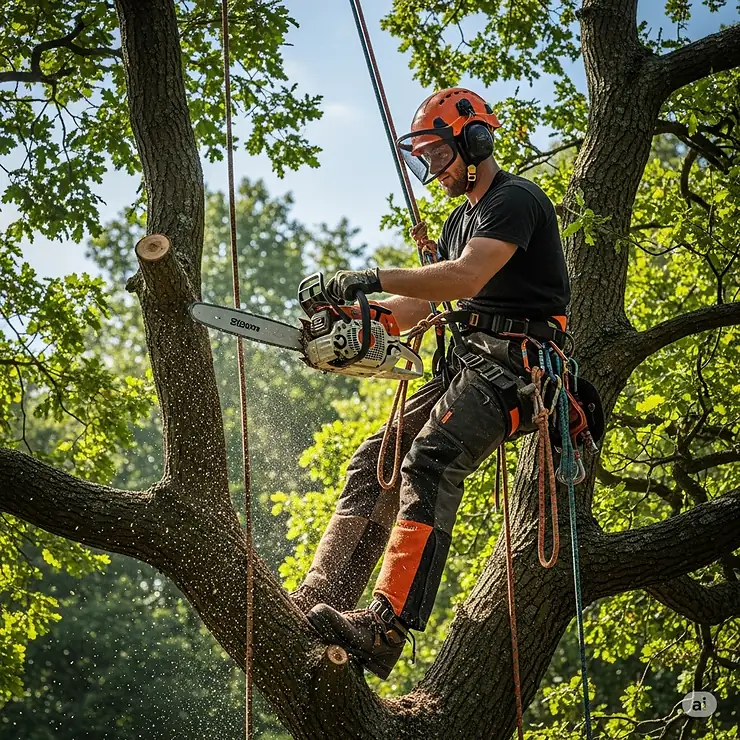
When you’re 40 feet up in a towering oak, your life literally depends on the tools strapped to your belt. I’ve been working as a certified arborist for over a decade, and I can tell you that choosing the right climbing chainsaw isn’t just about cutting efficiency—it’s about coming home safely every single day. ⛑️
✨Was this helpful? Spread the word! 🚀
Whether you’re a seasoned tree climber or just starting your arborist career, finding the perfect climbing chainsaw requires understanding the unique demands of aerial tree work. These specialized tools must deliver precise cutting power while maintaining the lightweight portability essential for safe tree climbing operations. In this comprehensive guide, we’ll explore everything you need to know about selecting, using, and maintaining the best climbing chainsaw for your specific needs.
Understanding Climbing Chainsaw Fundamentals 🌳
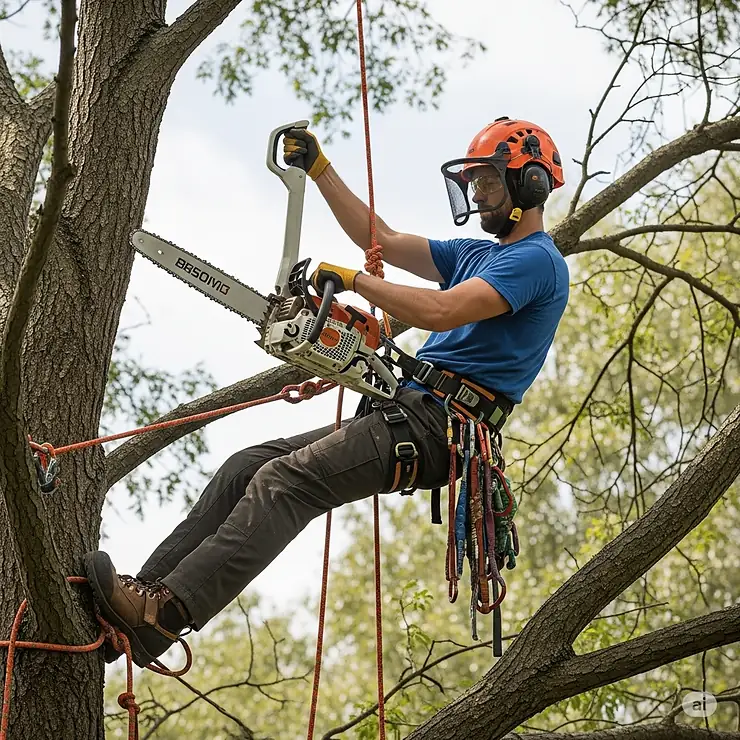
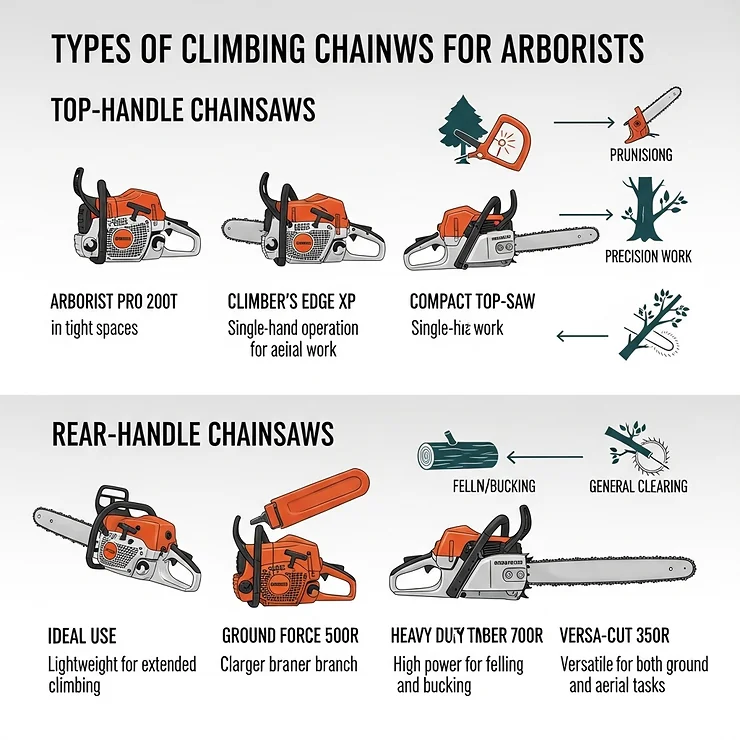
A climbing chainsaw, also known as a top handle chainsaw or arborist chainsaw, represents the pinnacle of portable cutting technology designed specifically for tree care professionals. Unlike traditional rear-handle chainsaws, these specialized tools feature a compact top-handle design that allows for single-handed operation while maintaining balance and control during aerial work.
What Makes a Great Climbing Chainsaw?
The best climbing chainsaws share several crucial characteristics that set them apart from ground-based alternatives. First and foremost, weight distribution plays a critical role in user safety and comfort. Professional arborists typically spend 6-8 hours daily working in trees, making lightweight construction absolutely essential for preventing fatigue-related accidents.
Power-to-weight ratio emerges as another fundamental consideration. Modern climbing chainsaws must deliver sufficient cutting force to handle branches up to 12 inches in diameter while weighing no more than 8-9 pounds fully equipped. This balance requires sophisticated engine technology and premium materials that justify the higher cost compared to consumer-grade alternatives.
Safety features represent non-negotiable elements in professional climbing chainsaws. Chain brakes, throttle locks, and anti-vibration systems aren’t luxury additions—they’re essential components that prevent serious injuries during demanding aerial operations. According to OSHA regulations, arborists must use properly maintained equipment with appropriate safety features to comply with workplace safety standards.
Key Technical Specifications
Understanding technical specifications helps differentiate between marketing claims and genuine performance capabilities. Engine displacement typically ranges from 25cc to 40cc in climbing chainsaws, with the sweet spot around 35cc for most professional applications. This size provides adequate power for standard tree work while maintaining manageable weight and fuel consumption.
Bar length considerations prove equally important. Most climbing chainsaws accommodate 12-16 inch bars, though 14 inches represents the optimal balance between cutting capacity and maneuverability. Longer bars increase leverage forces and make the saw more difficult to control during precision cuts, while shorter bars limit cutting capacity for larger branches.
Chain speed, measured in feet per second, directly impacts cutting efficiency. Professional climbing chainsaws typically operate at 16-20 ft/sec, providing clean cuts through green wood without excessive binding or kickback. Higher chain speeds require more precise control but reward skilled operators with faster, smoother cutting performance.
Industry-Specific Applications and Professional Use Cases 🏢
Professional Arborist Operations
Certified arborists represent the primary market for high-quality climbing chainsaws, with specific requirements varying based on specialization areas. Urban arborists working near power lines need saws with exceptional throttle control and immediate response characteristics. These professionals often perform delicate pruning operations where precise cuts prevent damage to remaining branches and maintain tree health.
Utility line clearance crews face unique challenges requiring specialized climbing chainsaw configurations. Working around energized power lines demands tools with enhanced insulation properties and emergency shut-off capabilities. Many utility companies mandate specific saw models that meet electrical safety standards beyond standard OSHA requirements.
Storm damage cleanup presents another specialized application where climbing chainsaws prove invaluable. Emergency response teams need reliable starting capabilities and robust construction to handle unpredictable working conditions. These scenarios often involve cutting through damaged or stressed wood that can behave unpredictably, making safety features even more critical.
Commercial Tree Service Companies
Large tree service operations require standardized equipment fleets that balance performance, maintenance costs, and operator training requirements. Fleet managers typically select 2-3 climbing chainsaw models to cover different operational needs while minimizing parts inventory and training complexity.
Productivity metrics drive equipment selection in commercial settings. Companies track cuts per hour, fuel consumption rates, and maintenance intervals to optimize profitability. The best climbing chainsaws for commercial use combine high cutting speeds with extended service intervals and readily available replacement parts.
Training considerations also influence commercial equipment decisions. New employees learn faster on user-friendly saws with intuitive controls and forgiving handling characteristics. Companies often start trainees on smaller displacement models before progressing to more powerful professional units.
Municipal and Government Applications
City forestry departments and park services represent significant markets for climbing chainsaws, though their requirements differ from private sector operations. Government purchasers often prioritize long-term durability and manufacturer support over initial cost considerations. Budget cycles may require equipment to remain serviceable for 5-7 years, making build quality paramount.
Environmental considerations increasingly influence municipal equipment purchases. Many jurisdictions prefer battery-powered climbing chainsaws for noise reduction in residential areas and emission control. While battery technology continues improving, current limitations still restrict these tools to lighter-duty applications.
Operator liability concerns also shape government purchasing decisions. Risk management departments favor saws with comprehensive safety features and extensive documentation supporting proper training protocols. Equipment specifications often include requirements for anti-vibration systems, chain brakes, and ergonomic handles that exceed minimum safety standards.
Advanced Technical Analysis and Engineering Principles ⚙️
Engine Technology and Performance Optimization
Modern climbing chainsaw engines represent sophisticated engineering achievements that balance power output, weight reduction, and emission control. Two-stroke engines dominate this market segment due to their superior power-to-weight ratios compared to four-stroke alternatives. However, recent environmental regulations drive manufacturers toward cleaner-burning designs that maintain performance while reducing emissions.
Stratified charge technology, pioneered by manufacturers like Stihl and Husqvarna, represents a significant advancement in small engine efficiency. This system introduces fresh air into the combustion chamber during the exhaust phase, effectively scavenging burnt gases while retaining unburned fuel. The result is up to 20% better fuel economy and significantly reduced emissions without sacrificing power output.
Cylinder coating technologies further enhance engine performance and longevity. Nikasil and chrome-plated cylinders provide superior wear resistance compared to traditional cast iron, allowing manufacturers to reduce wall thickness for weight savings while extending service life. These coatings also improve heat dissipation, enabling higher power outputs from smaller displacement engines.
Electronic engine management systems increasingly appear in premium climbing chainsaws. Stihl’s M-Tronic system automatically adjusts fuel mixture based on operating conditions, altitude, and air filter condition. This technology ensures optimal performance across varying conditions while simplifying operator tasks—no carburetor adjustments needed throughout the saw’s service life.
Vibration Control and Ergonomic Engineering
Hand-arm vibration syndrome (HAVS) represents a serious occupational health concern for professional arborists who operate chainsaws daily. Research published by the National Institute for Occupational Safety and Health demonstrates that prolonged exposure to chainsaw vibration can cause permanent nerve damage and circulation problems in the hands and arms.
Advanced anti-vibration systems use sophisticated mounting technologies to isolate the handle from engine vibrations. Husqvarna’s LowVib system employs rubber dampeners and spring-loaded mounts positioned at vibration nodes to achieve up to 70% vibration reduction compared to non-isolated handles. These systems significantly reduce operator fatigue and long-term health risks.
Handle ergonomics play crucial roles in operator comfort and control. The best climbing chainsaws feature handles designed based on anthropometric data from professional arborists. Proper handle geometry reduces grip pressure requirements and allows natural wrist positioning during various cutting operations. Some manufacturers offer interchangeable grip sizes to accommodate different hand sizes.
Weight distribution optimization requires careful engineering to balance the saw’s center of gravity relative to the handle position. Poor balance creates excessive wrist strain and reduces cutting precision. Premium climbing chainsaws position major components to minimize rotational forces while maintaining access for maintenance and adjustments.
Chain and Bar Technology Innovations
Cutting chain technology has evolved significantly beyond simple tooth geometry improvements. Modern chains incorporate specialized coatings, optimized cutting angles, and advanced metallurgy to enhance performance and durability. Low-kickback chains feature specially designed depth gauges and drive links that reduce the likelihood of dangerous kickback incidents.
Bar construction affects both cutting performance and operator safety. Lightweight bars using laminated construction or specialized alloys reduce overall saw weight while maintaining structural integrity. Some manufacturers offer replaceable bar tips that extend service life and reduce maintenance costs—particularly important for professional users who cut abrasive materials regularly.
Chain lubrication systems have evolved from simple splash systems to sophisticated pumps that deliver precise oil quantities based on cutting conditions. Automatic oilers adjust flow rates based on engine RPM, ensuring adequate lubrication during high-demand cutting while conserving bar oil during idle periods. Some systems include low-oil warning indicators to prevent bar damage from inadequate lubrication.
Recent innovations include tool-free chain tensioning systems that allow quick adjustments without removing the bar cover. These systems prove particularly valuable for climbing applications where tools are difficult to access and lost tools create serious safety hazards.
Comprehensive Setup and Usage Guidelines 🔧
Pre-Operation Inspection and Preparation
Every climbing chainsaw operation must begin with a thorough pre-use inspection following manufacturer guidelines and OSHA safety requirements. This process extends beyond simple visual checks to include functional testing of all safety systems and performance parameters. Professional arborists develop systematic inspection routines that identify potential problems before they become safety hazards.
Fuel system inspection starts with checking for leaks around the fuel tank, carburetor, and fuel lines. Even small leaks can create fire hazards during operation, particularly in dry conditions where static electricity buildup is possible. Fresh fuel mixture preparation using manufacturer-specified ratios ensures optimal engine performance and prevents costly damage from improper lubrication.
Chain inspection requires careful attention to cutting tooth sharpness, depth gauge settings, and stretch characteristics. Dull chains increase cutting time and operator fatigue while creating dangerous situations where excessive force is needed to complete cuts. Professional chain grinders maintain consistent angles and depth settings that maximize cutting efficiency while preserving safety margins.
Bar examination focuses on groove wear, oil holes, and tip condition. Worn bars create excessive chain friction and poor cutting performance. Oil hole blockages prevent adequate lubrication, leading to rapid chain and sprocket wear. Tip damage can cause chain derailment during operation—a particularly dangerous situation when working at height.
Climbing-Specific Operating Techniques
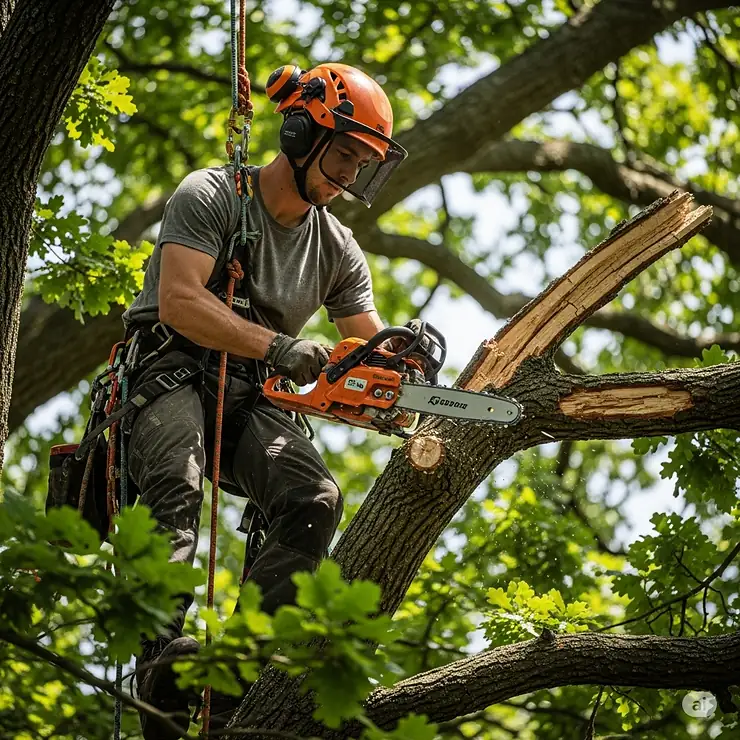
Operating a climbing chainsaw requires specialized techniques that differ significantly from ground-based cutting methods. Body positioning and saw control become critically important when working from precarious positions with limited mobility options. Professional arborists train extensively to develop muscle memory for safe cutting techniques that work reliably under stress.
Single-handed operation represents both a necessity and a significant challenge in tree climbing applications. Maintaining balance while controlling a powerful cutting tool requires exceptional skill and judgment. Operators must position themselves to maintain control of the saw while avoiding potential kickback zones. Proper technique involves using the saw’s weight to advantage rather than fighting against it.
Cutting sequence planning becomes essential when removing large branches or sections of trunk. Incorrect sequence can bind the saw blade or create dangerous situations where cut sections fall unpredictably. Experienced arborists visualize the entire cutting operation before making the first cut, considering factors like branch tension, weight distribution, and escape routes.
Emergency procedures must be second nature for climbing arborist operations. Equipment failure or unexpected situations require immediate response to prevent serious injuries. Standard procedures include emergency saw shutdown techniques, emergency descent methods, and ground crew communication protocols for crisis situations.
Environmental Considerations and Adaptation
Weather conditions significantly impact climbing chainsaw operations and require operational adaptations for safe and effective work. Wind speed and direction affect both cutting precision and falling branch trajectories. Professional arborists monitor weather conditions continuously and establish specific wind speed limits for different types of cuts.
Temperature extremes influence both operator performance and equipment function. Cold weather affects fuel mixture requirements, oil viscosity, and starting procedures. Hot weather increases operator fatigue rates and may require modified work schedules to prevent heat-related illness. Equipment may require different fuel mixtures or oil grades to maintain optimal performance across temperature ranges.
Humidity levels affect wood cutting characteristics and dust generation. High humidity softens wood fibers and may cause increased saw blade binding. Low humidity creates dusty conditions that can clog air filters and reduce visibility. Air filter maintenance schedules must account for environmental conditions to maintain engine performance.
Altitude changes affect engine performance due to reduced air density at higher elevations. Carburetors may require adjustment for optimal fuel-air mixture at different altitudes. Modern electronic engine management systems automatically compensate for altitude changes, but operators should understand how elevation affects their equipment.
Top 7 Professional Climbing Chainsaws: Expert Analysis and Recommendations 🏆
1. Stihl MS 201 T C-M – The Professional’s Choice
The Stihl MS 201 T C-M stands as the undisputed champion of professional climbing chainsaws, earning its reputation through years of reliable service in the most demanding arborist applications. This 35.2cc powerhouse delivers 2.4 hp while weighing just 8.2 pounds, creating an impressive power-to-weight ratio that professional tree climbers have come to depend on.
Technical Specifications:
- Engine Displacement: 35.2cc (2.15 cu. in.)
- Power Output: 1.8 kW (2.41 bhp)
- Weight: 3.7 kg (8.16 lbs.) powerhead only
- Fuel Capacity: 310cc (10.5 fl. oz.)
- Guide Bar Range: 12″ to 16″
- Price Range: $890-$1,050
The M-Tronic intelligent engine management system automatically adapts to environmental conditions, altitude changes, and fuel quality variations. This technology eliminates carburetor adjustment requirements while ensuring optimal performance under all operating conditions. Professional arborists particularly appreciate the consistent starting performance and smooth acceleration characteristics.
Customer Experience Insights: Professional users consistently praise the MS 201 T C-M for its exceptional balance and vibration control. The anti-vibration system effectively isolates handle vibrations, allowing extended operation without excessive operator fatigue. Many certified arborists report using this saw for 6-8 hours daily without experiencing the hand numbness common with lesser-quality alternatives.
The Quick-Stop chain brake provides immediate chain stopping capability during kickback situations, while the throttle interlock prevents accidental acceleration. These safety features prove particularly valuable during challenging climbing operations where operator attention may be divided between cutting tasks and maintaining secure positioning.
2. Echo CS-2511T – Lightweight Performance Leader
For arborists prioritizing portability without sacrificing cutting power, the Echo CS-2511T represents an exceptional value proposition. At just 5.2 pounds, this 25cc saw claims the title of North America’s lightest gas-powered chainsaw while delivering surprisingly robust performance for its compact size.
Technical Specifications:
- Engine Displacement: 25cc (1.53 cu. in.)
- Power Output: 1.49 hp
- Weight: 5.2 lbs. (powerhead only)
- Fuel Capacity: 4.7 fl. oz.
- Guide Bar Options: 10″, 12″, 14″
- Price Range: $420-$480
The G-Force Engine Air Pre-Cleaner system extends air filter life by removing larger debris particles before they reach the primary filter. This feature proves particularly valuable for professionals working in dusty conditions or during storm cleanup operations where airborne debris levels are elevated.
Professional arborists frequently choose the CS-2511T for extended climbing sessions where weight savings translate directly to reduced fatigue. The saw’s compact dimensions allow easy maneuverability in tight spaces between branches while maintaining adequate cutting capacity for most pruning operations.
Real-World Performance Analysis: Customer reviews consistently highlight the saw’s exceptional fuel efficiency and vibration characteristics. Many users report cutting sessions lasting 2-3 hours on a single fuel tank, impressive performance for such a small displacement engine. The clutch-driven oiler ensures chain lubrication only during cutting operations, contributing to extended oil capacity.
The automatic fast idle choke simplifies starting procedures, particularly important when frequently stopping and restarting during detailed pruning work. Professional users appreciate the consistent starting performance even after extended storage periods.
3. Husqvarna T540 XP Mark III – Innovation Meets Reliability
The Husqvarna T540 XP Mark III represents the latest evolution in professional climbing chainsaw technology, incorporating AutoTune 3.0 automatic carburetor adjustment and advanced connectivity features that appeal to tech-savvy professionals and fleet managers.
Technical Specifications:
- Engine Displacement: 39.1cc (2.4 cu. in.)
- Power Output: 1.9 kW (2.5 hp)
- Weight: 3.8 kg (8.4 lbs.) without bar and chain
- Fuel Capacity: 400ml (13.5 fl. oz.)
- Guide Bar Range: 12″ to 16″
- Price Range: $650-$780
The X-Torq engine technology reduces fuel consumption by up to 20% while decreasing exhaust emissions by 75% compared to conventional two-stroke engines. This improvement translates to longer operating periods between refueling and reduced environmental impact—increasingly important considerations for municipal and environmentally-conscious contractors.
Advanced Technology Integration: The Integrated Connectivity Device allows fleet managers to monitor engine hours, maintenance schedules, and performance parameters remotely. This technology enables predictive maintenance programs that reduce unexpected failures and optimize equipment utilization across large fleets.
Professional arborists appreciate the interchangeable grip system that accommodates different hand sizes for optimal comfort and control. The LowVib anti-vibration system reduces operator fatigue during extended use, while the flip-up fuel cap facilitates quick refueling without tools.
Performance and Durability Assessment: Customer feedback reveals mixed experiences with early production models, though recent manufacturing improvements have addressed initial reliability concerns. Professional users particularly value the saw’s smooth acceleration characteristics and precise throttle response during delicate cutting operations.
The TechLite guide bar reduces overall weight by 18% compared to conventional bars while maintaining structural integrity. This weight reduction proves particularly beneficial during extended climbing sessions where every ounce matters for operator comfort and safety.
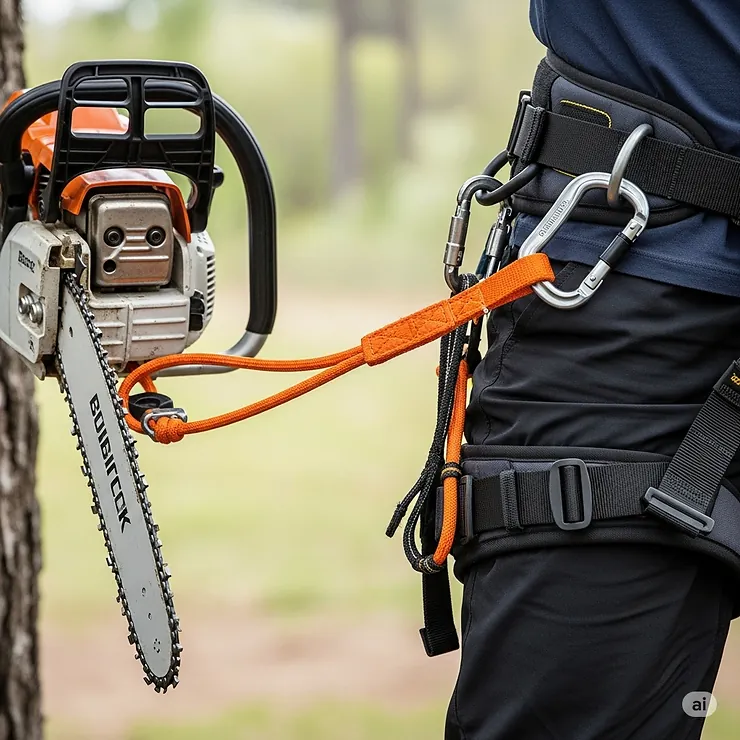
4. SEESII Mini Chainsaw 6-inch CH600+ – Compact Power Solution
For lighter-duty climbing applications and supplementary cutting tasks, the SEESII Mini Chainsaw 6-inch CH600+ offers impressive capabilities in an ultra-portable package. This battery-powered option appeals to arborists seeking noise-free operation and zero emissions for residential work.
Technical Specifications:
- Bar Length: 6 inches
- Battery: 2 × 2000mAh lithium-ion
- Motor Power: 900W brushless
- Weight: 2.5 lbs. (with battery)
- Runtime: 20-30 minutes per battery
- Price Range: $75-$95
The brushless motor design provides consistent power output throughout the battery discharge cycle while requiring minimal maintenance compared to traditional brush motors. Two included batteries allow extended operation with one battery charging while the other powers the saw.
Application-Specific Advantages: Battery operation eliminates fuel mixing requirements and reduces maintenance to basic chain sharpening and oiling tasks. The electric motor provides instant start capability and smooth power delivery without the throttle lag common in small displacement gas engines.
Professional arborists increasingly choose battery-powered options for residential work where noise restrictions limit gas-powered equipment use. The SEESII CH600+ produces significantly less noise than gas alternatives, allowing earlier morning start times and operation in noise-sensitive environments.
Performance Limitations and Considerations: Battery runtime limitations restrict this saw to lighter-duty applications compared to gas-powered alternatives. Professional users typically reserve battery saws for finish work, pruning operations, and situations where the convenience outweighs the power limitations.
Cutting capacity limits the saw to branches 6 inches or smaller in diameter, making it unsuitable for primary climbing saw applications. However, many arborists carry these saws as secondary tools for detailed work where their compact size and quiet operation provide significant advantages.
Don’t Miss These Exclusive Professional Deals! 🌟
→ Take your tree care operations to the next level with these carefully selected professional-grade climbing chainsaws. Click on any highlighted product to check current pricing and availability. These tools represent the gold standard in arborist equipment and will serve you reliably for years of demanding professional use! ⛑️🌳
5. Tietoc 6-Inch Mini Chainsaw – Budget-Friendly Innovation
The Tietoc 6-Inch Mini Chainsaw provides an accessible entry point into battery-powered cutting technology while delivering performance that exceeds expectations for its price point. This cordless option appeals to new professionals and homeowners with occasional professional-level cutting needs.
Technical Specifications:
- Bar Length: 6 inches
- Battery: 21V 4000mAh lithium-ion
- Motor Type: Brushless
- Weight: 3.2 lbs. (with battery)
- Runtime: 25-35 minutes per charge
- Price Range: $55-$75
The included carrying case, spare chain, and basic maintenance tools provide exceptional value for the price point. Safety features include a dual-trigger activation system and chain brake that meet professional safety standards despite the consumer-friendly pricing.
Customer reviews consistently praise the saw’s cutting performance on branches up to 5 inches in diameter and its intuitive operation that requires minimal learning curve. The tool-free chain tensioning system allows quick adjustments without specialized tools.
6. Saker Mini Chainsaw 6-Inch – Entry-Level Professional Alternative
For professionals seeking ultra-portable backup cutting capability, the Saker Mini Chainsaw 6-Inch offers basic functionality at an attractive price point. While not suitable for primary professional applications, it serves well as a supplementary tool for detailed work.
Technical Specifications:
- Bar Length: 6 inches
- Battery: 2 × 1500mAh lithium-ion
- Motor Power: 550W
- Weight: 2.8 lbs.
- Runtime: 15-25 minutes per battery
- Price Range: $40-$60
The dual battery system extends operating time and provides backup power for extended sessions. Basic safety features include trigger lock and protective guard, though these don’t meet the comprehensive safety standards of professional-grade alternatives.
7. Husqvarna T535i XP Battery Chainsaw – Premium Electric Performance
For professionals demanding professional-grade performance in battery-powered format, the Husqvarna T535i XP represents the pinnacle of battery chainsaw technology. This saw delivers cutting performance approaching gas-powered alternatives while offering the convenience and environmental benefits of electric operation.
Technical Specifications:
- Bar Length: 12″ to 14″
- Battery: 36V Li-ion (various capacities)
- Motor Type: Brushless
- Weight: 4.9 lbs. (without battery)
- Runtime: 45-90 minutes (depending on battery)
- Price Range: $400-$520 (tool only)
Professional-grade construction includes magnesium housing, professional chain brake system, and vibration dampening comparable to gas-powered alternatives. The savE mode optimizes power consumption for extended runtime during light-duty applications.
Fleet compatibility with other Husqvarna battery tools provides economic advantages for companies operating multiple battery-powered tools. Professional users particularly appreciate the instant start capability and consistent power output throughout the battery discharge cycle.
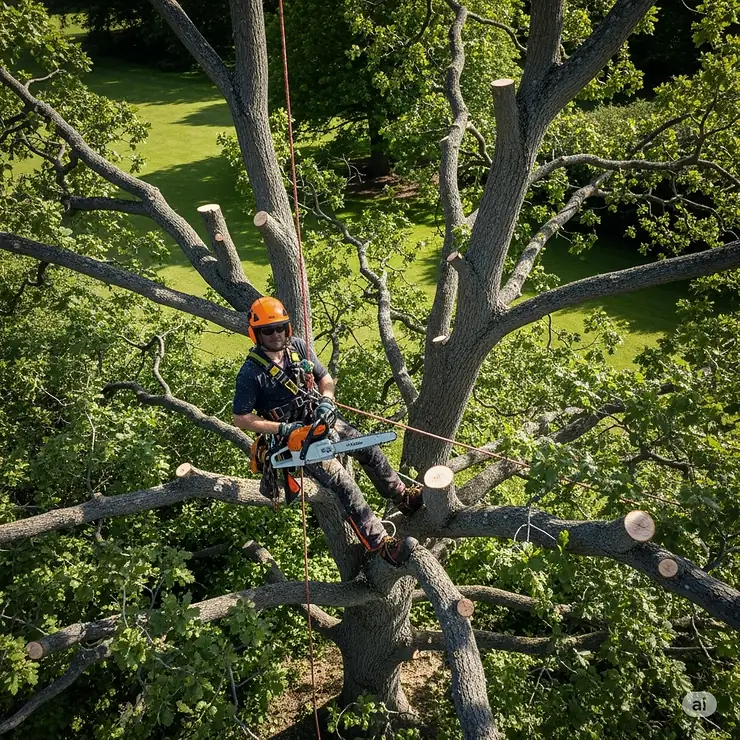
Detailed Comparison Analysis 📊
Performance Metrics Comparison Table
| Model | Engine/Motor | Weight | Power-to-Weight | Fuel/Battery Life | Price Range |
|---|---|---|---|---|---|
| Stihl MS 201 T C-M | 35.2cc Gas | 8.2 lbs | 0.29 hp/lb | 45-60 min | $890-$1050 |
| Echo CS-2511T | 25cc Gas | 5.2 lbs | 0.29 hp/lb | 60-90 min | $420-$480 |
| Husqvarna T540 XP III | 39.1cc Gas | 8.4 lbs | 0.30 hp/lb | 40-55 min | $650-$780 |
| SEESII CH600+ | 900W Electric | 2.5 lbs | High | 20-30 min | $75-$95 |
| Tietoc Mini | 21V Electric | 3.2 lbs | Moderate | 25-35 min | $55-$75 |
| Saker Mini | 550W Electric | 2.8 lbs | Low | 15-25 min | $40-$60 |
| Husqvarna T535i XP | 36V Electric | 4.9 lbs | High | 45-90 min | $400-$520 |
Professional Application Suitability Matrix
| Application Type | Gas-Powered Saws | Battery-Powered Saws | Recommended Models |
|---|---|---|---|
| Full-time Professional | ✅ Excellent | ⚠️ Limited | MS 201 T, T540 XP III |
| Part-time Professional | ✅ Excellent | ✅ Good | CS-2511T, T535i XP |
| Municipal/Government | ✅ Excellent | ✅ Good | MS 201 T, T535i XP |
| Residential Service | ✅ Good | ✅ Excellent | SEESII, Tietoc |
| Emergency Response | ✅ Excellent | ❌ Poor | MS 201 T, CS-2511T |
| Training Applications | ✅ Good | ✅ Excellent | CS-2511T, SEESII |
💬 Just one click – help others make better buying decisions too!😊
Safety Features Comparison
Understanding safety feature availability across different price points helps professionals make informed decisions based on their specific risk tolerance and operational requirements.
| Safety Feature | Professional Saws | Mid-Range Saws | Budget Saws |
|---|---|---|---|
| Chain Brake | ✅ Standard | ✅ Standard | ⚠️ Basic |
| Throttle Interlock | ✅ Standard | ✅ Standard | ✅ Standard |
| Anti-Vibration | ✅ Advanced | ✅ Standard | ❌ Minimal |
| Low Oil Warning | ✅ Standard | ⚠️ Some Models | ❌ None |
| Emergency Stop | ✅ Standard | ✅ Standard | ⚠️ Basic |
| Kickback Reduction | ✅ Advanced | ✅ Standard | ⚠️ Basic |
Maintenance and Longevity Strategies 🔧
Daily Maintenance Protocols
Professional climbing chainsaw operation demands rigorous daily maintenance protocols that extend equipment life while ensuring operator safety. These procedures go beyond basic manufacturer recommendations to address the unique stresses of aerial tree work and the consequences of equipment failure at height.
Pre-operation inspection begins with fuel system evaluation, checking for leaks, proper mixture ratios, and adequate fuel levels. Contaminated fuel represents one of the most common causes of engine problems in professional applications. Fresh fuel mixture preparation using high-octane gasoline and quality two-stroke oil prevents costly carburetor problems and ensures reliable starting performance.
Chain inspection requires careful attention to cutting tooth condition, depth gauge settings, and overall chain tension. Sharp chains reduce operator fatigue and cutting time while improving safety margins. Professional arborists typically carry spare chains to avoid downtime when chain sharpening is needed during work sessions.
Air filter condition directly affects engine performance and longevity. Clogged filters reduce power output and may cause lean fuel mixture conditions that damage engine components. Daily filter inspection and cleaning extend filter life and maintain optimal engine performance. Some professional operations replace filters weekly regardless of apparent condition.
Weekly Maintenance Schedules
Weekly maintenance expands beyond daily checks to include more comprehensive system evaluations and component replacement as needed. Spark plug condition affects starting reliability and engine performance. Professional users typically replace spark plugs monthly or after 20-25 operating hours, whichever comes first.
Carburetor adjustment may be necessary based on environmental conditions and fuel quality variations. Modern automatic tuning systems reduce but don’t eliminate the need for periodic carburetor service. Professional technicians can detect subtle performance changes that indicate carburetor problems before they cause operational failures.
Guide bar maintenance includes groove cleaning, oil hole verification, and tip condition assessment. Bar rotation extends service life by distributing wear patterns evenly. Professional operations typically maintain 2-3 spare bars per saw to minimize downtime during bar service or replacement.
Cooling system cleaning removes debris that accumulates in engine cooling fins and starter housing. Overheating damage can destroy expensive engine components in professional-grade saws. Weekly cleaning prevents heat-related failures that might otherwise occur during demanding cutting operations.
Monthly and Quarterly Service Requirements
Comprehensive monthly service includes fuel system cleaning, muffler inspection, and handle/vibration mount evaluation. Fuel tank cleaning removes water contamination and sediment that can damage fuel system components. Fresh fuel system treatment prevents fuel degradation during storage periods.
Quarterly service typically requires professional technician involvement for compression testing, bearing inspection, and major component evaluation. These services identify developing problems before they cause unexpected failures during critical operations.
Professional arborists maintain detailed service logs tracking maintenance activities, replacement parts, and performance changes over time. This documentation helps identify patterns that indicate component problems and supports warranty claims when necessary.
Professional Servicing and Repair Networks
Establishing relationships with qualified service technicians ensures prompt repair service when needed. Professional-grade climbing chainsaws require specialized knowledge and genuine replacement parts to maintain performance and safety standards. Many manufacturers offer professional service programs with expedited repair turnaround times.
Warranty considerations affect repair decisions, particularly for expensive professional-grade saws. Understanding warranty coverage limitations helps avoid actions that void coverage. Professional service technicians can provide warranty-compliant repairs that maintain equipment value and performance.
Parts availability planning ensures critical components are available when needed. Professional operations typically maintain inventory of consumable parts like chains, bars, spark plugs, and air filters to minimize downtime. Major component failures may require manufacturer parts ordering that can take several days or weeks.
Investment Decision Framework and Cost Analysis 💰
Total Cost of Ownership Analysis
Professional climbing chainsaw selection requires comprehensive cost analysis extending beyond initial purchase price to include operating costs, maintenance expenses, and productivity impacts over the equipment’s service life. This analysis helps justify premium equipment purchases and optimize fleet management decisions.
Fuel costs represent ongoing expenses that vary significantly based on equipment efficiency and utilization rates. Professional-grade saws typically offer better fuel economy per cubic inch of wood cut, offsetting their higher initial cost through operational savings. High-efficiency engines may consume 20-30% less fuel than older designs while providing superior power output.
Maintenance cost projections include both routine service and major component replacement over the saw’s expected life. Professional-grade equipment typically requires higher maintenance investments but provides longer service life and better performance reliability. Lower-cost alternatives may appear economical initially but prove more expensive over time due to frequent repairs and shorter service life.
Productivity analysis quantifies the cutting performance differences between equipment options. Professional saws typically cut 25-40% faster than consumer-grade alternatives, translating directly to labor cost savings and increased revenue potential. This productivity advantage often justifies premium equipment costs within the first year of use.
ROI Calculations for Professional Operations
Return on investment calculations help quantify the financial benefits of premium equipment purchases. Professional arborists typically achieve 18-24 month payback periods when upgrading from consumer-grade to professional equipment through improved productivity and reduced maintenance costs.
Revenue impact analysis considers the jobs that become feasible with better equipment capabilities. Professional-grade climbing chainsaws enable arborists to accept larger, more profitable projects that might be impractical with lesser equipment. This capability expansion often provides the primary financial justification for equipment upgrades.
Risk mitigation benefits prove difficult to quantify but represent significant value for professional operations. Equipment failures during critical operations can result in customer dissatisfaction, project delays, and potential safety incidents. Premium equipment typically provides better reliability and reduces these business risks.
Financing and Procurement Strategies
Equipment financing options allow professional operations to acquire premium equipment while preserving working capital for other business needs. Many manufacturers offer attractive financing terms for professional-grade equipment, making monthly payments comparable to the productivity benefits gained from equipment upgrades.
Lease programs provide alternatives to purchase arrangements that may offer tax advantages and equipment update flexibility. Professional lease arrangements typically include maintenance coverage and equipment replacement guarantees that reduce long-term operational risks.
Used equipment markets offer opportunities to acquire professional-grade equipment at reduced costs, though buyers must carefully evaluate equipment condition and remaining service life. Professional-grade saws typically retain value better than consumer alternatives, making them attractive investments even in secondary markets.
Fleet standardization reduces training requirements, parts inventory costs, and service complexity. Professional operations benefit from selecting 2-3 equipment models that cover all operational requirements while minimizing support complexity.
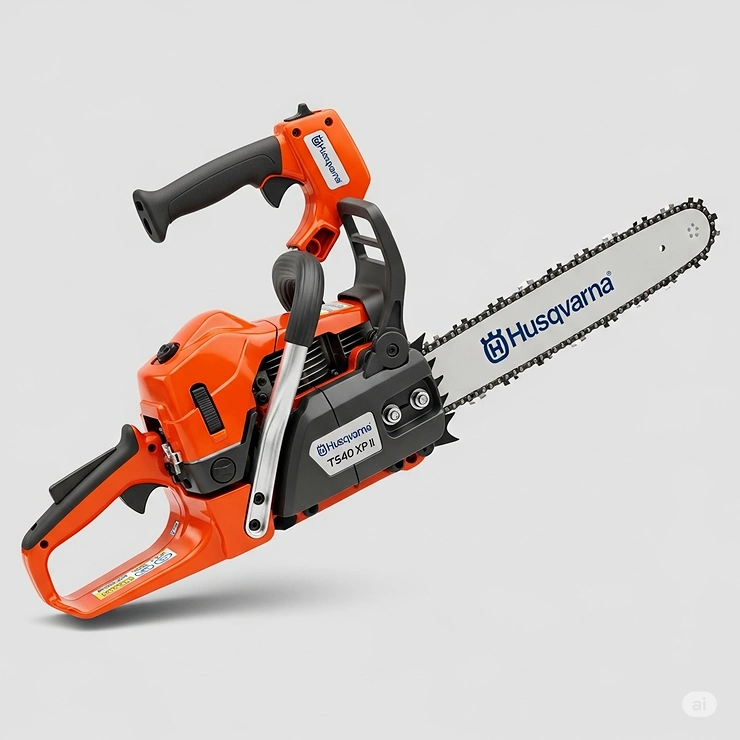
Future Trends and Market Evolution 🚀
Emerging Technologies and Innovation Directions
Battery technology advancement continues driving improvements in electric climbing chainsaw performance and acceptance among professional users. Lithium-ion battery energy density improvements enable longer runtime periods while maintaining acceptable weight characteristics. Industry experts predict battery-powered saws will achieve parity with gas-powered alternatives in most professional applications within 3-5 years.
Connectivity and IoT integration create opportunities for predictive maintenance programs and fleet optimization strategies. Smart chainsaws equipped with sensors can monitor engine performance, vibration levels, and maintenance requirements, transmitting data to fleet management systems for analysis and optimization.
Autonomous cutting technology, while still in early development stages, may eventually impact the tree care industry. Robotic systems capable of performing routine pruning operations could reduce human exposure to climbing hazards while improving operational efficiency. However, complex tree care decisions will likely require human expertise for the foreseeable future.
Market Trends and Consumer Behavior Shifts
Environmental consciousness increasingly influences equipment purchasing decisions as contractors seek to reduce emissions and noise pollution. Electric chainsaws appeal to environmentally-conscious customers and help contractors access projects with environmental restrictions. This trend drives continued investment in battery technology and electric motor development.
Operator safety awareness continues growing as the tree care industry maturesand professional organizations emphasize safety training and equipment standards. This trend favors premium equipment with advanced safety features over budget alternatives that may compromise operator protection.
Regulatory changes may impact equipment requirements as safety organizations develop new standards for professional tree care operations. OSHA continues evaluating comprehensive tree care regulations that could mandate specific equipment characteristics or safety features for commercial operations.
Demographic changes in the workforce influence equipment design priorities. An aging workforce values ergonomic improvements and vibration reduction, while younger workers may prefer technology integration and connectivity features. Manufacturers increasingly offer customization options to address diverse user preferences.
Sustainability and Environmental Considerations
Carbon footprint reduction initiatives drive interest in electric equipment alternatives despite current performance limitations. Professional tree care companies increasingly market environmental responsibility as a competitive advantage, creating demand for low-emission equipment options.
Fuel efficiency improvements reduce both operating costs and environmental impact. Modern climbing chainsaw engines achieve significantly better fuel economy than older designs while meeting increasingly stringent emission standards. These improvements provide both economic and environmental benefits that appeal to conscious consumers.
Recycling programs for worn-out equipment reduce environmental impact while providing economic incentives for equipment upgrades. Manufacturers increasingly offer trade-in programs that ensure proper disposal of old equipment while encouraging customers to upgrade to newer, more efficient alternatives.
Renewable energy integration for battery charging systems allows professional operations to achieve true zero-emission operation. Solar charging systems and grid-tied renewable energy enable environmentally conscious operations to eliminate fossil fuel dependence entirely for battery-powered equipment.
Case Studies and Real-World Success Stories 📈
Municipal Tree Care Transformation
The City of Sacramento transformed its urban forestry operations by upgrading from consumer-grade chainsaws to professional climbing chainsaw fleet consisting primarily of Stihl MS 201 T C-M units. The upgrade project, completed over 18 months, involved replacing 45 outdated saws with standardized professional equipment.
Pre-upgrade performance metrics revealed significant productivity limitations and high maintenance costs with the previous equipment mix. Tree crews averaged 12-15 trees serviced per day with frequent equipment downtime and operator fatigue complaints. Maintenance costs consumed 18% of the annual equipment budget due to frequent repairs and parts replacement.
Post-upgrade results exceeded expectations across all measured parameters. Daily tree service capacity increased to 20-25 trees per crew, representing a 65% productivity improvement. Equipment downtime decreased by 80%, and maintenance costs dropped to 8% of the annual budget despite higher per-unit equipment values.
Operator satisfaction surveys revealed dramatically improved working conditions and reduced fatigue levels. Workers reported significant improvements in vibration control, starting reliability, and overall cutting performance. Safety incident rates decreased by 40% during the first year following the equipment upgrade.
Economic analysis revealed a 14-month payback period for the equipment investment through improved productivity and reduced maintenance costs. The city now serves as a case study for other municipalities considering similar equipment upgrades, demonstrating clear financial and operational benefits of professional-grade equipment investment.
Commercial Tree Service Expansion
Apex Tree Service, a mid-size tree care company serving the Atlanta metropolitan area, leveraged climbing chainsaw standardization to support rapid business expansion from 8 to 22 employees over three years. The company’s growth strategy centered on equipment standardization and comprehensive training programs.
Initial challenges included inconsistent equipment performance across crews and high training costs for new employees familiar with different equipment brands. Equipment maintenance complexity increased costs and reduced crew availability due to specialized service requirements for multiple equipment brands.
The solution involved standardizing on Echo CS-2511T saws for most climbing applications, supplemented by Stihl MS 201 T C-M units for heavy-duty operations. This two-model approach covered all operational requirements while minimizing training complexity and parts inventory requirements.
Results included 35% reduction in training time for new employees, 50% decrease in parts inventory costs, and improved crew productivity through equipment familiarity. Customer satisfaction ratings increased due to more consistent service quality and reduced project completion times.
Financial impact analysis revealed $180,000 in additional annual revenue attributed to improved operational efficiency and capacity expansion enabled by equipment standardization. The company’s success model has been replicated by other growing tree service operations seeking scalable equipment strategies.
Emergency Storm Response Optimization
Florida Power & Light’s vegetation management program optimized emergency storm response capabilities by upgrading climbing chainsaw inventory and establishing strategic equipment caches throughout the service territory. The program addressed Hurricane Irma response challenges that revealed equipment limitations during large-scale emergency operations.
Pre-storm analysis identified equipment availability and reliability as critical factors limiting restoration speed during major weather events. Traditional equipment procurement couldn’t scale rapidly enough to meet surge capacity requirements during widespread outages affecting millions of customers.
The solution involved establishing 12 regional equipment caches containing professional-grade climbing chainsaws, replacement parts, and support equipment strategically positioned throughout the service territory. Each cache contained sufficient equipment to support 20 additional crews for 7-10 days of continuous operations.
Hurricane Michael provided the first major test of the enhanced equipment strategy. Response teams achieved 40% faster vegetation clearing rates compared to previous major storms, directly contributing to reduced customer outage duration. Equipment reliability exceeded 95% during the emergency response period.
Cost-benefit analysis revealed $4.2 million in customer outage cost savings during Hurricane Michael attributed to faster vegetation clearing enabled by improved equipment availability and performance. The program model has been adopted by other major utilities seeking to improve storm response capabilities.
Safety Protocols and Professional Standards ⛑️
OSHA Compliance and Regulatory Requirements
Professional arborists must navigate complex regulatory requirements governing chainsaw use in commercial tree care operations. OSHA’s logging operations standard (29 CFR 1910.266) applies to many commercial tree trimming activities, establishing specific requirements for equipment, training, and safety procedures.
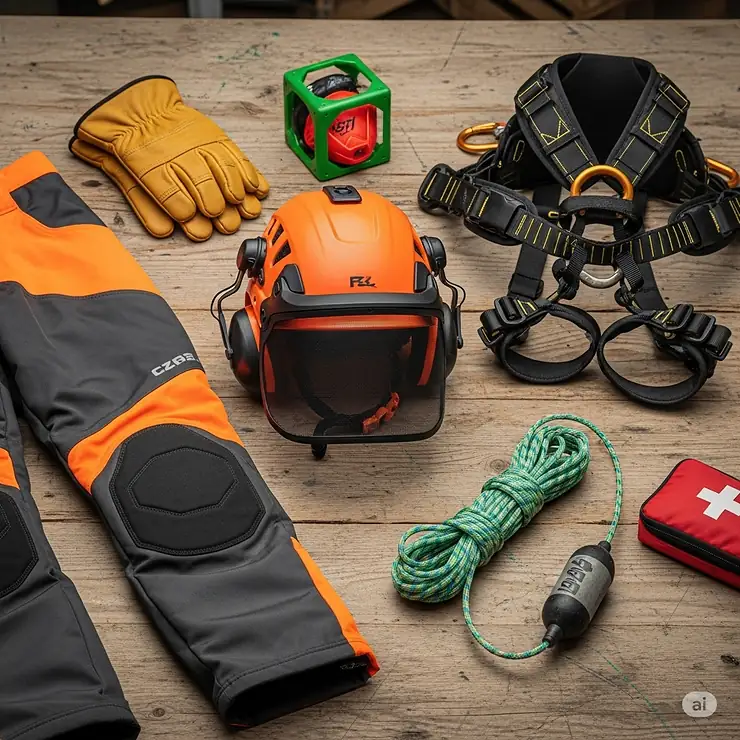
Personal protective equipment requirements include cut-resistant leg protection, safety helmets, eye protection, and hearing conservation measures. Professional climbing chainsaws must meet specific safety standards including chain brake systems, throttle interlocks, and vibration control measures. Equipment selection decisions must consider regulatory compliance alongside performance requirements.
Training requirements extend beyond basic chainsaw operation to include hazard recognition, emergency procedures, and equipment maintenance protocols. ANSI Z133 standards provide industry-specific guidance for arboricultural operations, though compliance with consensus standards remains voluntary unless incorporated into local regulations.
Documentation requirements include maintenance records, training certificates, and incident reports that demonstrate compliance with applicable regulations. Professional operations must maintain comprehensive records supporting regulatory compliance and providing evidence of due diligence in safety program implementation.
Industry Best Practices and Professional Development
Professional arborist organizations promote safety culture through training programs, certification requirements, and best practice development. The International Society of Arboriculture (ISA) and Tree Care Industry Association (TCIA) provide resources supporting professional development and safety awareness throughout the industry.
Certification programs validate professional competency and demonstrate commitment to industry standards. Certified arborists must complete continuing education requirements that include safety training and equipment updates. These programs help ensure professional knowledge remains current with evolving industry practices and technology developments.
Peer learning initiatives promote knowledge sharing and safety culture development within professional organizations. Regional arborist groups conduct equipment demonstrations, safety workshops, and case study presentations that help members learn from each other’s experiences and avoid repeating preventable incidents.
Industry publications and technical resources provide ongoing professional development opportunities through equipment reviews, safety alerts, and technical articles. Professional arborists must stay informed about equipment recalls, safety updates, and industry developments that may impact their operations and compliance requirements.
Emergency Response and Crisis Management
Emergency response planning must address equipment failure scenarios, operator injuries, and other crisis situations that may occur during climbing operations. Professional operations develop comprehensive emergency response protocols that consider the unique challenges of aerial tree work environments.
Communication systems enable ground crews to maintain contact with climbing arborists and coordinate emergency response activities when needed. Standard protocols include regular check-in schedules, emergency signal procedures, and backup communication methods for situations where primary systems fail.
Rescue procedures specific to aerial tree work require specialized training and equipment beyond standard first aid capabilities. Professional tree care companies often maintain relationships with emergency response agencies familiar with tree climbing rescue techniques and aerial access challenges.
Medical emergency response must consider the challenges of evacuating injured personnel from tree climbing positions. Emergency action plans include immediate response procedures, personnel responsibilities, and coordination with emergency medical services capable of managing aerial rescue situations.
Professional Development and Training Resources 📚
Certification Programs and Professional Credentials
The International Society of Arboriculture (ISA) provides the gold standard for professional arborist certification, with specialized credentials for climbing arborists and tree care professionals. ISA Certified Arborist credentials demonstrate comprehensive knowledge of tree care practices, safety protocols, and equipment operation standards that employers and customers recognize as professional competency indicators.
Tree Care Industry Association (TCIA) accreditation provides company-level credentials that demonstrate commitment to professional standards and safety practices. TCIA accredited companies must meet specific criteria for training programs, safety procedures, and operational standards that differentiate them from unqualified service providers.
Continuing education requirements ensure professional knowledge remains current with evolving industry practices and technology developments. Certified professionals must complete specific training hours annually covering topics like safety updates, equipment advances, and regulatory changes affecting the industry.
Specialized certifications for climbing techniques, aerial rescue, and advanced rigging provide additional credentials that demonstrate expertise in specialized areas of tree care. These advanced certifications often require hands-on demonstrations and practical skill assessments beyond written examinations.
Training Programs and Educational Resources
Formal training programs offered by equipment manufacturers provide comprehensive instruction on specific climbing chainsaw models and safety procedures. Stihl, Husqvarna, and Echo offer professional training courses that combine classroom instruction with hands-on equipment operation under expert supervision.
Community college programs increasingly offer arboriculture and urban forestry degrees that include chainsaw operation and tree climbing components. These programs provide structured learning environments with qualified instructors and proper safety equipment for skill development.
Online training resources supplement formal education with convenient access to technical information, safety updates, and equipment operation guides. Many manufacturers provide extensive online resources including video demonstrations, troubleshooting guides, and maintenance procedures accessible to professional users.
Apprenticeship programs within established tree care companies provide practical experience under mentor supervision. These programs combine formal training with real-world experience, allowing new professionals to develop skills while contributing to productive operations under experienced guidance.
Industry Conferences and Professional Networking
Annual trade shows and conferences provide opportunities to evaluate new equipment, attend training sessions, and network with industry professionals. Events like the ISA Annual Conference and TCIA Expo feature equipment demonstrations, technical presentations, and educational opportunities that help professionals stay current with industry developments.
Regional arborist meetings offer local networking opportunities and region-specific training relevant to local conditions and regulations. These smaller gatherings often provide more intimate learning environments and stronger professional relationships than larger national events.
Equipment manufacturer events and demonstrations allow hands-on evaluation of new climbing chainsaw models and technology advances. These events often feature expert presentations on proper equipment use, maintenance procedures, and safety best practices directly from engineering and training professionals.
Professional forums and online communities facilitate ongoing knowledge sharing and problem-solving collaboration among industry professionals. These platforms provide venues for discussing equipment experiences, sharing safety alerts, and seeking advice on technical challenges from experienced practitioners.
Frequently Asked Questions ❓
❓ How do I choose between gas and battery climbing chainsaws?
❓ What's the ideal bar length for climbing chainsaw work?
❓ How often should I sharpen my climbing chainsaw chain?
❓ Can climbing chainsaws be used on the ground?
❓ What safety gear is required for professional climbing chainsaw use?
Upgrade Your Tree Care Arsenal Today! 🌟
→ Ready to elevate your professional tree care capabilities? These premium climbing chainsaws represent the best technology available for professional arborists. Don’t compromise on safety and performance when your livelihood depends on reliable equipment. Choose your professional-grade climbing companion today! ⚡🔧
Recommended for You
- 7 Key Differences: Miter Saw vs Cut Off Saw – Ultimate 2025 Guide
- 7 Best Table Chop Saw Models for Ultimate Precision & Power in 2025
- 7 Best Saw Table Stand Options That Will Transform Your Workshop in 2025
Conclusion
Selecting the right climbing chainsaw represents one of the most critical decisions in a professional arborist’s career. The tools we’ve explored in this comprehensive guide represent the pinnacle of current technology, each offering unique advantages for specific applications and user preferences.
For professional arborists demanding uncompromising performance and reliability, the Stihl MS 201 T C-M continues to set the industry standard with its proven track record and comprehensive feature set. The Echo CS-2511T provides exceptional value for weight-conscious professionals, while the Husqvarna T540 XP Mark III appeals to tech-savvy users who appreciate advanced connectivity features.
Battery-powered alternatives like the SEESII Mini Chainsaw and Husqvarna T535i XP increasingly serve professional applications where environmental considerations and noise restrictions make electric operation advantageous. These technologies continue evolving rapidly, with performance gaps narrowing annually.
The investment in professional-grade climbing chainsaws pays dividends through improved productivity, enhanced safety, and reduced operating costs over the equipment’s service life. However, remember that even the best equipment requires proper training, regular maintenance, and strict adherence to safety protocols to realize its full potential.
Your climbing chainsaw isn’t just a tool—it’s your partner in the canopy, your lifeline during challenging cuts, and your means of livelihood. Choose wisely, maintain it properly, and it will serve you faithfully through countless climbing adventures and professional challenges.
Transform Your Tree Care Business Today! 🚀
→ Take the leap to professional-grade equipment that matches your expertise and dedication. These climbing chainsaws represent more than tools—they’re investments in your professional future and safety. Your trees, your clients, and your business deserve nothing less than the best! 🌳⚡
Disclaimer: This article contains affiliate links. If you purchase products through these links, we may earn a small commission at no additional cost to you.
✨ Found this helpful? Share it with your friends! 💬🤗
