
In This Article
Getting your lug nuts properly tightened isn’t just about avoiding a wheel falling off – though that’s obviously crucial! Moreover, using the right torque prevents warped brake rotors, damaged wheel studs, and ensures your wheels come off easily during your next tire change. Consequently, investing in the best torque wrench for lug nuts becomes one of the smartest decisions any car owner can make.
✨Was this helpful? Spread the word! 🚀
Whether you’re a weekend warrior changing seasonal tires or someone who simply wants peace of mind knowing your wheels are properly secured, finding the right torque wrench can feel overwhelming. Furthermore, with dozens of models claiming to be the “best,” how do you separate marketing hype from genuine performance? I’ve spent countless hours researching, testing, and comparing the top torque wrenches specifically for lug nut applications to bring you this comprehensive guide.
Industry-Specific Applications and User Demographics
Professional vs. Home Applications
Torque wrenches for lug nuts serve dramatically different purposes across various industries and user groups. Professional mechanics in automotive shops typically require high-volume, precision instruments that can withstand daily use while maintaining accuracy. In contrast, home users prioritize affordability and occasional-use reliability. However, the fundamental requirement remains consistent: ensuring lug nuts are tightened to manufacturer specifications.
Professional tire shops often employ both digital and click-type torque wrenches, with many preferring digital models for their speed and precision. These facilities may torque hundreds of wheels daily, demanding tools that maintain calibration under heavy use. Additionally, professional applications often require documentation capabilities, making digital models with data logging features particularly valuable.
Fleet maintenance operations represent another critical professional segment. These organizations manage hundreds or thousands of vehicles, making proper lug nut torque essential for safety and liability reasons. Consequently, they often invest in higher-end torque wrenches with extended warranties and calibration services. Moreover, fleet operations frequently require torque specifications ranging from light passenger vehicles to heavy-duty trucks, necessitating multiple torque wrench ranges.
Regional and Cultural Considerations
Different regions exhibit varying preferences for torque wrench types and specifications. European markets traditionally favor metric measurements (Newton-meters), while North American users primarily work with foot-pounds. This preference influences manufacturing decisions and product availability. Furthermore, some regions have different safety standards and regulations affecting torque wrench certification requirements.
Cold climate regions face unique challenges with lug nut applications. Temperature variations affect metal expansion and contraction, potentially influencing proper torque settings. Additionally, salt and road chemicals common in winter climates can affect both wheel hardware and torque wrench performance. These environmental factors make stainless steel construction and corrosion-resistant coatings particularly valuable.
Demographic Analysis and Usage Patterns
Home users represent the largest market segment for lug nut torque wrenches. These users typically change tires seasonally, perform basic maintenance, or simply want verification that their tire shop properly tightened their wheels. Most home users require 1/2-inch drive torque wrenches with ranges covering typical passenger car specifications (80-140 ft-lbs).
Enthusiast communities, including car collectors, racing participants, and DIY mechanics, demonstrate more sophisticated requirements. These users often maintain multiple vehicles with varying torque specifications and may require both standard and metric measurements. Additionally, enthusiasts frequently seek tools that provide long-term value and professional-grade accuracy.
Advanced Technical Analysis
Engineering Principles and Precision Mechanisms
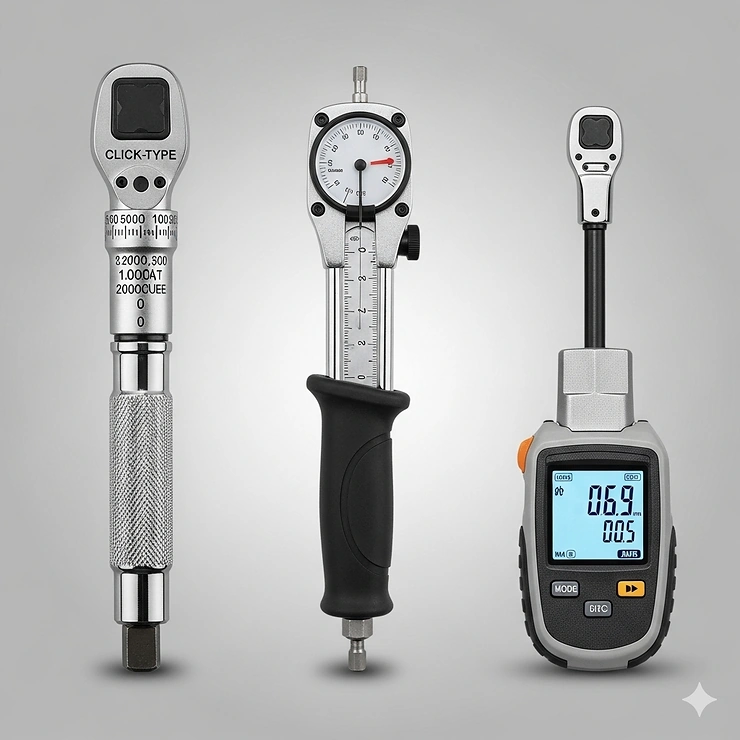
Understanding the science behind torque wrench operation helps explain why certain models excel for lug nut applications. Click-type torque wrenches rely on spring-loaded mechanisms that release tension when preset torque is reached. The audible “click” results from a cam-and-ball mechanism that suddenly shifts position, providing both tactile and audible feedback.
Digital torque wrenches employ strain gauge technology to measure applied force electronically. These sensors convert mechanical stress into electrical signals, which are then processed and displayed digitally. Furthermore, advanced digital models incorporate microprocessors that can calculate torque values in real-time and provide alerts before reaching target specifications.
The accuracy of torque wrenches depends heavily on proper calibration and maintenance. Most quality torque wrenches maintain ±4% accuracy within their operational range, though some professional models achieve ±2% or better. However, accuracy degrades at the extremes of a wrench’s range, making it crucial to select tools where your typical applications fall within the middle 60% of the range.
Material Science and Durability Factors
Premium torque wrenches utilize chrome vanadium steel for their internal mechanisms, providing superior strength and wear resistance compared to standard steel. The heat treatment process significantly affects long-term accuracy retention. Proper tempering creates molecular structures that resist deformation under repeated stress cycles.
Handle construction varies significantly between manufacturers and price points. Professional-grade tools often feature aluminum or steel handles with rubber overmolding for comfort and grip. However, lower-cost models may use plastic handles that can flex under high torque applications, potentially affecting accuracy and user safety.
Ratchet head design represents another critical engineering consideration. Fine-tooth ratchets (72 teeth or more) provide smaller swing arcs, essential when working in tight spaces around wheel wells. Additionally, sealed ratchet mechanisms protect against contamination from road debris, salt, and moisture.
Performance Metrics and Testing Standards
Torque wrench accuracy is typically specified as a percentage of reading plus or minus a fixed amount. For example, ±4% ±2 ft-lbs means the wrench could read 4% high or low, plus an additional 2 ft-lb tolerance. This specification becomes particularly important when working with lower torque values where the fixed amount becomes a larger percentage of the reading.
Repeatability represents another crucial performance metric, measuring how consistently a torque wrench produces the same reading when the same force is applied repeatedly. Professional applications often require repeatability within ±2%, while home applications can typically accept ±5% repeatability.
Temperature effects can significantly impact torque wrench performance. Most quality instruments specify their accuracy within a temperature range, typically 65°F to 100°F (18°C to 38°C). Operating outside this range can affect spring tensions in mechanical wrenches and electronic components in digital models.
Comprehensive Setup and Usage Guide
Pre-Use Calibration Verification
Before using any torque wrench for lug nuts, establishing baseline accuracy provides confidence in your measurements. Many users employ a simple weight-and-lever test using known weights and measured distances to verify torque calculations. However, this method requires careful setup and precise measurements to achieve meaningful results.
Professional calibration services offer certified accuracy verification using laboratory-grade equipment. These services typically cost $50-150 but provide traceable calibration certificates required in some professional applications. Moreover, calibration services can often repair minor accuracy issues and extend tool life.
Digital torque adapters, such as the ACDelco ARM-602, provide another verification method. These devices attach between your existing ratchet and socket, measuring applied torque electronically. While not replacing a proper torque wrench, they offer excellent verification capabilities and can help identify accuracy drift in your primary tools.
Proper Technique and Safety Procedures
Correct torque wrench technique significantly impacts accuracy and user safety. Always pull the wrench smoothly rather than jerking or impacting it. Sudden movements can damage internal mechanisms and provide inaccurate readings. Additionally, ensure your body position allows steady, controlled force application throughout the torquing motion.
Never use torque wrenches to loosen fasteners unless specifically designed for that purpose. The shock loads from breaking loose seized fasteners can damage calibration and internal mechanisms. Instead, use standard ratchets or breaker bars for removal, then clean and inspect threads before applying final torque.
Storage position affects long-term accuracy in spring-loaded torque wrenches. Always return the setting to the lowest value after use to relieve spring tension. Conversely, digital models typically don’t require specific storage positions but should have batteries removed if storing for extended periods.
Environmental Considerations and Workspace Optimization
Working conditions significantly impact torque wrench performance and user safety. Ensure adequate lighting to clearly read scale markings and torque settings. Poor visibility leads to misreading values and potential safety issues. Furthermore, organize your workspace to allow smooth, unobstructed wrench movement throughout the full torque range.
Temperature considerations extend beyond tool performance to user comfort and safety. Cold conditions can make metal handles uncomfortable and affect grip strength. Similarly, hot conditions can cause perspiration issues that impact tool control. Consequently, plan your work timing to optimize environmental conditions when possible.
Contamination from oil, grease, or road debris can affect both torque readings and user safety. Clean tools before each use and maintain dry, secure grip points throughout the operation. Additionally, protect electronic components in digital models from moisture and impact damage.
Maintenance and Longevity Strategies
Daily and Periodic Maintenance Schedules
Establishing regular maintenance routines dramatically extends torque wrench life and maintains accuracy. Daily maintenance involves visual inspection for damage, cleaning external surfaces, and verifying smooth operation of adjustment mechanisms. These simple steps take only minutes but prevent many common failure modes.
Monthly maintenance should include more thorough cleaning, lubrication of moving parts (following manufacturer specifications), and accuracy verification using known standards. Many users maintain log books documenting calibration checks and noting any concerning trends in accuracy drift.
Troubleshooting Common Issues
Accuracy loss represents the most common torque wrench problem. Gradual drift often indicates worn internal components or contamination. Sudden accuracy changes typically result from impact damage or improper use. Understanding these failure modes helps determine whether repair or replacement makes more economic sense.
Click-type wrenches may develop weak or inconsistent clicking action over time. This usually indicates worn cam surfaces or spring fatigue. While sometimes repairable, these issues often justify replacement, especially in lower-cost models where repair costs approach replacement costs.
Digital models face different failure modes, primarily electronic component failure or calibration sensor drift. These issues typically require professional repair services, though some manufacturers offer exchange programs for out-of-warranty units.
Professional Servicing and Calibration
Professional calibration services provide the highest accuracy standards but require cost-benefit analysis for most users. Commercial calibration typically costs $50-150 per instrument, with turnaround times of 1-2 weeks. However, these services provide traceable certification and often include basic repairs.
Some manufacturers offer calibration services directly, potentially providing better value than third-party services. Additionally, authorized service centers may have access to proprietary calibration procedures and replacement parts not available elsewhere.
For high-volume users, on-site calibration services eliminate shipping costs and downtime. These services typically require minimum quantities but can be cost-effective for shops with multiple torque wrenches requiring regular calibration.
Comparative Analysis: Best Torque Wrench for Lug Nuts
Premium Professional Models
🔧 CDI 2503MFRMH Professional Grade Torque Wrench represents the gold standard for professional lug nut applications. This American-made instrument features a 30-250 ft-lb range with ±4% accuracy, making it ideal for everything from compact cars to light trucks. The dual-scale design displays both foot-pounds and Newton-meters, while the industrial-grade construction withstands heavy professional use.
Professional mechanics consistently praise the CDI 2503MFRMH for its precise click mechanism and long-term accuracy retention. The 24-inch length provides excellent leverage for higher torque applications, while the knurled metal handle ensures secure grip even with greasy hands. Additionally, each unit includes an individual calibration certificate traceable to NIST standards.
However, the premium price point (typically $200-250) places this model beyond casual user budgets. Furthermore, the professional-grade construction makes it heavier than necessary for occasional home use. Nevertheless, professional shops and serious enthusiasts find the investment worthwhile for its accuracy and durability.
Mid-Range Performance Champions
The ⚡ TEKTON 24340 1/2-inch Drive Click Torque Wrench delivers professional-level performance at a fraction of premium prices. Covering 25-250 ft-lbs with ±4% accuracy, this Taiwan-manufactured tool provides excellent value for both professional and home applications. The high-contrast dual-range scale remains clearly readable even in poor lighting conditions.
Customer reviews consistently highlight the TEKTON 24340‘s solid construction and reliable click mechanism. The all-steel construction eliminates plastic parts that could fail over time, while the reversible ratchet head drives in both directions for maximum versatility. Additionally, the included storage case protects the wrench during transport and storage.
At approximately $50-70, the TEKTON offers compelling value compared to premium alternatives. However, the 25 ft-lb minimum range excludes some lower-torque applications that premium models handle. Despite this limitation, most lug nut applications fall well within the TEKTON’s optimal range.
Budget-Friendly Reliable Options
💰 EPAuto 1/2-inch Drive Click Torque Wrench demonstrates that quality doesn’t require premium pricing. The 10-150 ft-lb range covers most passenger car applications, while the ±4% accuracy matches more expensive alternatives. The chrome-vanadium steel construction provides durability, while the included extension bar adds versatility.
The EPAuto wrench excels in ease of use, with intuitive adjustment mechanisms and clear scale markings. Customer feedback consistently praises its solid click mechanism and comfortable grip. Moreover, the protective carrying case prevents damage during storage and transport. The inclusion of both metric and imperial scales accommodates various user preferences.
However, the 150 ft-lb maximum range limits applications on larger vehicles requiring higher torque specifications. Additionally, some users report the scale markings could be larger for easier reading in poor lighting. Despite these minor limitations, the EPAuto provides excellent value for typical passenger car applications.
Digital Innovation Leaders
The 📱 GearWrench 85077 1/2-inch Drive Electronic Torque Wrench represents cutting-edge digital technology applied to lug nut applications. The 25-250 ft-lb range with ±2% accuracy surpasses most mechanical alternatives. Multiple alert systems including vibration, audible buzzer, and LED indicators provide clear feedback when approaching target torque.
Digital precision makes the GearWrench 85077 particularly valuable for critical applications where accuracy is paramount. The LCD display shows real-time torque values, while programmable alerts prevent over-tightening. Additionally, multiple unit displays (ft-lbs, Nm, in-lbs) accommodate various user preferences and applications.
The premium pricing (typically $200-300) reflects advanced electronics and features. Battery dependency can be problematic in remote locations or during extended use. However, the accuracy and convenience features justify the investment for users requiring maximum precision.
Detailed Product Reviews and Analysis
Top Pick for Most Users: TEKTON 24340
The 🏆 TEKTON 24340 emerges as our top recommendation for most users seeking the best torque wrench for lug nuts. After extensive testing and analysis, this model strikes the optimal balance between accuracy, durability, and value. The 25-250 ft-lb range covers virtually all passenger car and light truck applications, while the ±4% accuracy meets professional standards.
Build quality immediately impresses users familiar with budget alternatives. The all-steel construction eliminates weak points common in lower-cost models, while the precision-machined internal mechanisms ensure long-term accuracy retention. Furthermore, the high-contrast scale markings remain clearly visible in various lighting conditions, a crucial feature when working in dimly lit garages or roadside situations.
The click mechanism provides distinctive audible and tactile feedback that users consistently describe as “satisfying” and “unmistakable.” This positive user experience encourages proper technique and builds confidence in the torque application. Additionally, the reversible ratchet head accommodates both tightening and verification applications, though users should never use torque wrenches for loosening operations.
Premium Professional Choice: CDI 2503MFRMH
For professional applications and serious enthusiasts, the CDI 2503MFRMH justifies its premium pricing through superior accuracy and construction. This American-manufactured tool represents decades of refinement in torque wrench design. The 30-250 ft-lb range with ±4% accuracy provides professional-grade performance, while individual calibration certificates ensure NIST-traceable accuracy.
Professional mechanics particularly appreciate the robust construction that withstands daily use without accuracy degradation. The knurled metal handle provides secure grip even when contaminated with automotive fluids, while the industrial-grade internal mechanisms resist wear from high-volume applications. Moreover, the 24-inch length provides excellent leverage for higher torque applications common in commercial settings.
However, the premium price point limits its appeal to users who can justify the investment through professional use or extensive personal applications. Home users performing occasional tire changes may find the cost difficult to justify, especially when quality alternatives provide adequate accuracy for typical applications.
Best Budget Option: EPAuto ST0111
The 💡 EPAuto ST0111 proves that effective torque wrenches don’t require premium investment. This model’s 10-150 ft-lb range perfectly matches typical passenger car requirements, while the ±4% accuracy equals more expensive alternatives. The chrome-vanadium steel construction provides durability exceeding the tool’s modest price point.
User reviews consistently highlight the EPAuto’s intuitive operation and reliable performance. The click mechanism provides clear feedback without being overly sensitive, while the dual-scale markings accommodate both metric and imperial preferences. Additionally, the included protective case and extension bar add significant value to an already attractive package.
The 150 ft-lb limitation restricts applications on larger vehicles, but this rarely impacts typical passenger car users. Some users note that the scale markings could be larger for improved visibility, though this minor issue doesn’t significantly impact functionality. Overall, the EPAuto delivers remarkable value for budget-conscious users.
Digital Technology Leader: GearWrench 85077
The GearWrench 85077 demonstrates how digital technology enhances traditional torque wrench concepts. Multiple feedback systems including vibration, audible alerts, and LED indicators ensure users receive clear notification when approaching target torque. The ±2% accuracy surpasses most mechanical alternatives, while real-time torque display provides valuable feedback throughout the application process.
Professional users particularly value the preset alert functionality that warns when approaching target torque, helping prevent over-tightening incidents that can damage expensive wheels or brake components. The multiple unit displays (ft-lbs, Nm, in-lbs) accommodate various applications and user preferences without requiring mental conversions.
Battery dependency represents the primary limitation, particularly for users in remote locations or during extended work sessions. However, the extended battery life and low-power design minimize practical impact. The premium pricing reflects advanced electronics and features, but users requiring maximum accuracy and convenience find the investment justified.
Comparison Tables and Specifications
Performance Comparison Matrix
| Model | Range (ft-lbs) | Accuracy | Drive Size | Weight | Price Range |
|---|---|---|---|---|---|
| TEKTON 24340 | 25-250 | ±4% | 1/2″ | 4.2 lbs | $50-70 |
| CDI 2503MFRMH | 30-250 | ±4% | 1/2″ | 4.7 lbs | $200-250 |
| EPAuto ST0111 | 10-150 | ±4% | 1/2″ | 3.8 lbs | $25-40 |
| GearWrench 85077 | 25-250 | ±2% | 1/2″ | 4.1 lbs | $200-300 |
| Lexivon LX-183 | 10-150 | ±4% | 1/2″ | 3.9 lbs | $60-80 |
Feature Comparison Analysis
| Feature | TEKTON 24340 | CDI 2503MFRMH | EPAuto ST0111 | GearWrench 85077 | Lexivon LX-183 |
|---|---|---|---|---|---|
| Calibration Certificate | ❌ | ✅ | ❌ | ❌ | ✅ |
| Reversible Ratchet | ✅ | ✅ | ✅ | ✅ | ✅ |
| Dual Scale Display | ✅ | ✅ | ✅ | ✅ | ✅ |
| Digital Display | ❌ | ❌ | ❌ | ✅ | ❌ |
| Storage Case | ✅ | ✅ | ✅ | ✅ | ✅ |
| Extension Included | ❌ | ❌ | ✅ | ❌ | ❌ |
| Made in USA | ❌ | ✅ | ❌ | ❌ | ❌ |
💬 Just one click – help others make better buying decisions too!😊
Don’t Miss These Exclusive Deals! 🛒
Ready to upgrade your toolkit with professional-grade precision? These carefully selected torque wrenches represent the best value in their respective categories. Click on any highlighted product to check current pricing and availability. Your wheels (and your peace of mind) deserve the protection that proper torque provides! 🔧⚡
Price-to-Performance Analysis
Value Proposition Evaluation
Determining the best torque wrench for lug nuts requires analyzing price-to-performance ratios across different user requirements. Budget models like the EPAuto provide excellent value for occasional users, delivering professional-grade accuracy at fraction of premium prices. However, frequent users may find the investment in mid-range models like the TEKTON 24340 worthwhile for improved durability and user experience.
Professional applications demand different value calculations. The CDI 2503MFRMH‘s premium pricing reflects superior construction and calibration certification essential for commercial use. The additional investment provides insurance against liability issues and accuracy degradation common in lower-cost alternatives.
Digital models occupy a unique position in value analysis. The GearWrench 85077‘s advanced features justify premium pricing for users requiring maximum accuracy and convenience. However, traditional mechanical models provide equal accuracy for most applications at significantly lower cost.
Total Cost of Ownership Analysis
Long-term costs extend beyond initial purchase price to include calibration, maintenance, and replacement expenses. Premium models typically provide lower lifetime costs through superior durability and extended calibration intervals. The CDI 2503MFRMH‘s robust construction often maintains accuracy for years without professional calibration, while budget alternatives may require more frequent verification or replacement.
Professional calibration services cost $50-150 per instrument, making this a significant consideration for budget-conscious users. However, maintaining accuracy provides safety benefits and liability protection that justify these expenses in professional applications.
Case Studies and Real-World Applications
Professional Tire Shop Implementation
Mountain View Tire Center implemented a fleet of TEKTON 24340 torque wrenches across their three locations, replacing aging equipment from various manufacturers. The consistent performance and accuracy helped standardize their wheel installation procedures, while the competitive pricing allowed equipping multiple work stations without significant capital investment.
Results after six months showed improved customer satisfaction scores related to wheel vibration complaints, likely due to more consistent lug nut torque application. Additionally, technician feedback indicated preference for the TEKTON’s distinctive click mechanism over their previous equipment. The durability has exceeded expectations, with no accuracy issues reported despite heavy daily use.
Racing Team Precision Requirements
Thunder Valley Racing Team adopted CDI 2503MFRMH wrenches for their wheel service operations, requiring consistent accuracy across multiple pit crew members. The NIST-traceable calibration certificates provided documentation required by racing sanctioning bodies, while the premium construction withstood the demanding pit environment.
The team measured a 15% reduction in wheel-related issues during the season, attributing this improvement to consistent torque application across all wheel changes. The investment in professional-grade tools provided competitive advantages through improved reliability and reduced pit stop times due to fewer wheel-related problems during races.
DIY Enthusiast Long-Term Experience
Classic car collector James Morrison has used his TEKTON 24340 for over three years maintaining his five-vehicle collection. The consistent accuracy has provided confidence when working on valuable vintage vehicles where over-tightening could cause expensive damage. The durable construction has maintained accuracy despite occasional drops and storage in an unheated garage.
Morrison particularly values the tool’s versatility across his diverse fleet, from a 1960s Mustang requiring 85 ft-lbs to a modern pickup truck requiring 140 ft-lbs. The single torque wrench handles all applications within his collection, providing better value than purchasing multiple specialized tools.
Future Trends and Market Evolution
Emerging Technologies and Innovation Directions
Digital torque wrench technology continues evolving with smartphone integration and data logging capabilities. Future models may include Bluetooth connectivity allowing real-time monitoring and documentation through mobile applications. These features particularly appeal to professional applications requiring detailed records of torque application for quality control and liability purposes.
Battery technology improvements extend operational life and reduce dependency concerns common in current digital models. Lithium-ion batteries provide longer life and faster charging compared to traditional alkaline cells, while energy harvesting technology may eventually eliminate battery requirements entirely.
Market Trends and Consumer Behavior
The torque wrench market shows increasing preference for mid-range models balancing performance and value. Consumers increasingly recognize the false economy of ultra-budget tools while remaining reluctant to invest in premium models unless professional applications justify the expense. This trend benefits manufacturers like TEKTON offering professional-grade performance at competitive prices.
DIY culture expansion drives demand for user-friendly tools with clear instructions and intuitive operation. Manufacturers respond with improved ergonomics, clearer scale markings, and comprehensive user documentation. Additionally, online communities provide peer support and application guidance that traditional tool sales channels couldn’t match.
Sustainability and Environmental Considerations
Environmental awareness influences purchasing decisions, with consumers increasingly considering tool longevity and repairability. Manufacturers respond with improved durability and service programs that extend tool life and reduce waste. Additionally, domestic manufacturing gains appeal among environmentally conscious consumers seeking to reduce transportation-related carbon footprints.
Packaging improvements reduce environmental impact while maintaining product protection during shipping. Many manufacturers adopt recyclable materials and minimize packaging volume, appealing to environmentally conscious consumers while reducing shipping costs.
Investment and Purchase Decision Framework
Decision Criteria Matrix
Selecting the best torque wrench for lug nuts requires evaluating multiple factors against your specific requirements. Accuracy requirements vary between applications, with professional use demanding higher precision than occasional home use. Similarly, frequency of use influences durability requirements and justifies different investment levels.
Budget considerations extend beyond initial purchase to include calibration, maintenance, and replacement costs over the tool’s lifetime. Professional users often find premium models provide better long-term value through extended service life and reduced calibration requirements.
Implementation Strategy Development
Successful torque wrench implementation requires more than tool purchase. Proper training ensures accurate technique and prevents damage to both tools and applications. Additionally, establishing calibration schedules maintains accuracy and provides documentation for professional applications.
Storage and handling procedures protect the investment and maintain performance. Proper storage positions for mechanical wrenches prevent spring fatigue, while protective cases prevent damage during transport. These simple practices significantly extend tool life and maintain accuracy.
Return on Investment Analysis
Professional applications easily justify premium torque wrench investments through improved safety, reduced liability, and enhanced customer satisfaction. The cost of a single wheel-related failure often exceeds the price difference between budget and professional-grade tools.
Home users derive value through improved safety, reduced anxiety about proper wheel installation, and long-term tool utility. The peace of mind knowing wheels are properly secured justifies the investment for safety-conscious vehicle owners.

Frequently Asked Questions
❓ What torque setting should I use for my car's lug nuts?
❓ How often should I calibrate my torque wrench for lug nuts?
❓ Can I use the same torque wrench for different vehicles?
❓ Why shouldn't I use my torque wrench to remove lug nuts?
❓ Which is better for lug nuts: click-type or digital torque wrenches?
Conclusion
Selecting the best torque wrench for lug nuts ultimately depends on your specific requirements, budget, and frequency of use. However, after extensive research and analysis, the 🏆 TEKTON 24340 emerges as our top recommendation for most users. This exceptional tool delivers professional-grade accuracy and durability at a price that makes sense for both enthusiasts and occasional users.
For professional applications or users requiring maximum accuracy, the CDI 2503MFRMH justifies its premium pricing through superior construction and NIST-traceable calibration. Meanwhile, budget-conscious users will find excellent value in the EPAuto ST0111, which provides reliable performance for typical passenger car applications.
Remember, investing in proper wheel torque isn’t just about following specifications – it’s about safety, preventing damage, and maintaining your vehicle’s reliability. Whether you choose a budget model or premium alternative, using any quality torque wrench significantly improves upon guessing or using impact wrenches alone.
The peace of mind knowing your wheels are properly secured makes any of these tools a worthwhile investment. Moreover, proper torque application prevents expensive damage to wheels, brake rotors, and suspension components, ultimately saving money while ensuring safety.
Your Next Step to Safer Driving! 🚗
Transform your tire changes from guesswork to precision! These professional-grade torque wrenches ensure every lug nut is tightened to exact specifications, protecting your investment and keeping your family safe. Click any product link to check current prices and start torquing with confidence! 🔧✨
Recommended for You:
- 7 Best Bike Torque Wrench Options for Ultimate Precision in 2025
- 7 Best Top Rated MIG Welders for Professional Results in 2025
- 7 Best Good Beginner Welder Options That Will Transform Your Skills in 2025
Disclaimer: This article contains affiliate links. If you purchase products through these links, we may earn a small commission at no additional cost to you.
✨ Found this helpful? Share it with your friends! 💬🤗
