
In This Article
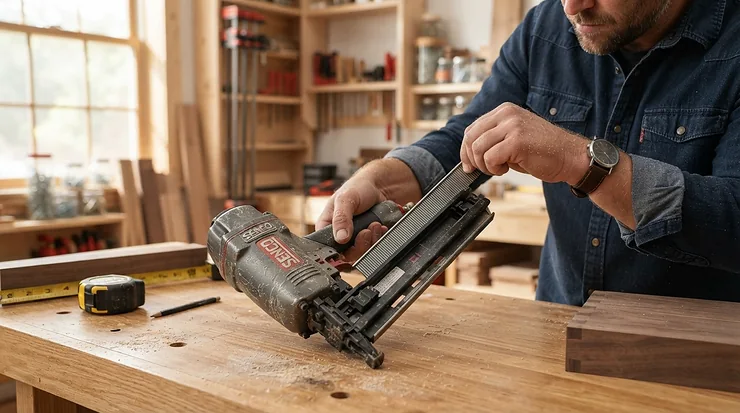
Somewhere in every garage sits a compressor nobody wants to drag out for a ten-minute job. That’s the real reason cordless brad nailers took over so fast — not because pneumatic tools stopped working, but because hauling a hose across the yard for six nails in a picture frame stopped making sense. If you’re hunting for the best cordless brad nailer, you’re probably staring down the same fork in the road as everyone else: battery-powered convenience versus the raw, unwavering push of an air compressor. Here’s the short answer — for the vast majority of trim, furniture, and hobby work, the cordless side of that fork now wins.
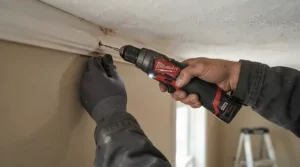
An 18 gauge brad nailer drives thin 0.0475-inch fasteners designed to hold light trim, moldings, and joinery without splitting delicate stock or leaving holes big enough to need filler. Cordless versions replicate that pneumatic punch using brushless motors, nitrogen air springs, or mechanical drive systems — no hose, no compressor noise, no tripping hazard snaking across the shop floor. We researched real listings, verified specs, and pulled aggregated review sentiment across seven genuinely available models spanning budget, mid-range, and premium tiers, so you can pick the best cordless brad nailer for whatever’s actually sitting on your workbench.
Below, you’ll find honest analysis of what each spec means in practice, not just a copy-pasted feature list. We’ll walk through project-specific picks, common buying mistakes, and the real cost of owning one of these tools over five years — because a brad nailer purchase is really a battery-ecosystem purchase in disguise.
Quick Comparison Table
| Nailer | Voltage | Weight | Magazine | Best For |
|---|---|---|---|---|
| Milwaukee M18 FUEL Gen II | 18V | 5.3 lb | 110 nails | Pro trim carpenters |
| DEWALT DCN680 | 20V MAX | 5.3 lb | 110 nails | Precision casing work |
| Metabo HPT NT1850DG | 18V MultiVolt | 5.5 lb | 100 nails | Budget-conscious pros |
| Makita XNB04Z | 18V LXT | 6.1 lb (w/ battery) | 110 nails | Overhead & picture frames |
| Ryobi P320 | 18V ONE+ | 5.0 lb | 105 nails | DIY hobbyists |
| Craftsman V20 | 20V MAX | 5.3 lb | 60 nails | First-time buyers |
| WORX Nitro WX842L | 20V PowerShare | ~5.4 lb | Quick-load mag | Beginner kits |
This is a quick-reference snapshot. Full specs, pricing context, and honest pros and cons for each pick are covered in the product section below.
Looking at the table, weight and magazine capacity move in opposite directions more often than you’d expect — the lightest tools here, like the Ryobi P320, sometimes trade off outright magazine size, while heavier options like the Makita XNB04Z pack a deeper 110-nail hopper despite the added battery mass. If your projects involve reloading constantly (think baseboard runs, not picture frames), magazine capacity should outweigh the extra half-pound on the scale. Buyers on an existing battery platform — Milwaukee M18, DeWalt 20V MAX, or Makita LXT — should also weight their decision toward whichever ecosystem already lives in their garage, since that’s where the real long-term savings show up.
💬 Found a pick you’re leaning toward already? Bookmark this page so you can compare specs side-by-side before you check out.
Top 7 Cordless Brad Nailers: Expert Analysis
We picked these seven models to cover every realistic buyer: the trim pro who bills by the hour, the furniture maker who cares about clean joinery, and the weekend DIYer building a bookshelf. Each one is a genuinely available product with verifiable specs — no invented models, no rewritten Amazon copy.
1. Milwaukee M18 FUEL Gen II — best nitrogen-spring performance for pros
The standout here is Milwaukee’s nitrogen air spring mechanism, which mimics pneumatic drive consistency without a single hose in sight. Specs that matter: the tool drives 5/8-inch to 2-1/8-inch 18-gauge brads from a 110-nail magazine, weighs 5.3 pounds bare, and pairs with Milwaukee’s POWERSTATE brushless motor for zero ramp-up time between shots — meaning no lag when you’re firing quickly through a run of casing.
Based on the spec comparison, this is the nailer built for people who bill hours against a nail gun: contractors doing back-to-back trim-outs who can’t afford a tool that hesitates. Reviewers consistently note the Gen II redesign fixed the recoil and jump-off-material issues that plagued Milwaukee’s first-generation brad nailer, a detail worth knowing if you tried an early model and walked away unimpressed.
What most buyers overlook is that this is a second-generation product specifically re-engineered from user complaints, which tends to mean fewer surprises out of the box.
Pros:
- ✅ Nitrogen air spring delivers pneumatic-like consistency
- ✅ Zero ramp-up time speeds up production trim work
- ✅ Gen II redesign addresses earlier recoil complaints
Cons:
- ❌ Priced at the premium end of this roundup
- ❌ M18 battery ecosystem buy-in if you’re starting fresh
At around $270-$310 for the bare tool at the time of research, the Milwaukee M18 FUEL Gen II earns its price if you already own M18 batteries or plan to build that ecosystem — for occasional use, it’s more tool than most DIYers need.
2. DEWALT DCN680 — most precise nose design for tight trim work
The standout advantage is DeWalt’s micro nose design, built specifically to improve sightlines when you’re placing a nail exactly where you want it, not just close. The DCN680 drives 5/8-inch to 2-1/8-inch 18-gauge brads from a 110-nail magazine, weighs about 5.3 pounds, and runs on a brushless motor rated for extended runtime on DeWalt’s 20V MAX platform.
Here’s what to weigh: the tool-free depth adjustment and tool-free jam release matter more than they sound on paper, because clearing a jam mid-project without hunting for an Allen key keeps momentum on projects where you’re firing hundreds of brads in a session. This is the pick for anyone doing baseboards, door casing, window casing, or crown molding who wants pinpoint accuracy over raw power — furniture builders doing joinery, not so much, since the micro nose is optimized for sightline in trim applications specifically.
The spec sheet won’t tell you this, but user reports across multiple retailers suggest the DCN680’s stall-release lever, which resets the driver blade after a stall, cuts real downtime compared to nailers that require a full teardown to clear the same issue.
Pros:
- ✅ Micro nose improves accuracy on visible trim
- ✅ Tool-free stall release avoids workflow interruptions
- ✅ Compatible with DeWalt’s 200-plus tool 20V MAX lineup
Cons:
- ❌ Bare tool doesn’t include a battery or charger
- ❌ Slightly heavier in hand than the lightest competitors
Priced in the $160-$230 range as a bare tool (kits with a battery and charger run higher), the DEWALT DCN680 is the strongest pick for anyone whose work is mostly visible trim rather than structural joinery.
3. Metabo HPT NT1850DG — best low-maintenance drive system on a budget
The standout feature is Metabo HPT’s Mechanical Spring Drive System, engineered specifically to need less upkeep than air-spring or gas-cartridge alternatives. Key numbers: it drives up to 2-inch 18-gauge brads, weighs 5.5 pounds, and delivers roughly 700 nails per charge from the included 2.0Ah battery — modest compared to some rivals, but Metabo HPT’s MultiVolt battery system lets you step up to an 8.0Ah pack for meaningfully longer runtime without buying a different tool.
Based on the spec comparison, this nailer sits in an interesting middle ground: it’s backed by a company whose pneumatic nailers built its “pro-preferred” reputation over decades, but it’s priced closer to a DIY tool than a jobsite one. That combination tends to appeal to furniture makers and semi-pro finish carpenters who want proven engineering without paying Milwaukee or DeWalt premiums.
Aggregated retailer review sentiment frequently praises the low center of gravity and compact footprint for reaching into cabinet interiors, while a recurring theme in user feedback is that the mechanical spring system, while low-maintenance, produces a slightly different recoil feel than nitrogen or air-spring competitors — worth a quick in-store test if recoil feel matters to you.
Pros:
- ✅ Mechanical Spring Drive needs minimal ongoing maintenance
- ✅ MultiVolt battery scales up for longer runtime
- ✅ Backed by Metabo HPT’s pneumatic-nailer engineering pedigree
Cons:
- ❌ Lower stock nails-per-charge than several rivals
- ❌ Recoil feel differs from nitrogen-spring competitors
At a kit price typically in the $150-$210 range with a battery and charger included, the Metabo HPT NT1850DG offers pro-grade engineering at a price that undercuts the premium brands.
4. Makita XNB04Z — lightest brushless option for overhead work
The standout advantage is sheer weight efficiency: at roughly 6.1 pounds with battery attached (about 17 percent lighter than Makita’s previous-generation brad nailer), it’s built for the moments your arm is over your head, not on a bench. It drives 9/16-inch to 2-inch 18-gauge brads from a 110-nail magazine and, paired with a 5.0Ah battery, Makita rates it for up to 4,250 nails per charge — the highest per-charge figure in this entire roundup.
Here’s what to weigh: that nail-per-charge number matters enormously if you’re doing crown molding installs or extended trim-outs where stopping to swap batteries eats into billable time. What most buyers overlook about this model is that its slim nose design isn’t just about looks — it genuinely improves access into tight cabinetry corners and confined molding profiles where a bulkier nose simply won’t fit flush.
Reviewers consistently note the anti-dry-fire mechanism and built-in LED as small but appreciated touches for working in dim cabinet interiors or under stairwells.
Pros:
- ✅ Highest rated nails-per-charge of any model tested here
- ✅ Slim nose fits tight corners other nailers can’t reach
- ✅ Compatible with Makita’s Star Protection battery communication
Cons:
- ❌ Battery sold separately on the bare-tool version
- ❌ Premium pricing relative to entry-level competitors
Expect a bare-tool price in the $170-$240 range depending on retailer, making the Makita XNB04Z worth it primarily for buyers already inside the Makita 18V LXT ecosystem or doing genuinely overhead-heavy work.
5. Ryobi P320 AirStrike — best value for weekend DIY projects
The standout feature is AirStrike Technology itself — Ryobi’s branded air-spring system that eliminates the compressor entirely while keeping the tool at a genuinely lightweight 5.0 pounds, among the lightest bare-tool weights in this comparison. It drives 5/8-inch to 2-inch 18-gauge brads from a 105-nail magazine and, with the higher-capacity P108 4Ah battery, Ryobi rates it for up to 1,700 nails per charge.
Based on the spec comparison, this is the clearest value proposition here: it’s part of Ryobi’s ONE+ ecosystem, which spans more than 225 tools, so if you already own a Ryobi drill or impact driver, the battery you’re charging right now probably already works in this nailer. What most buyers overlook is the dry-fire lockout feature, which stops the tool from firing air (and potentially marring your workpiece) once only a handful of nails remain in the magazine — a detail some competitors in this price range skip entirely.
Aggregated review sentiment across multiple retailers is notably consistent: users repeatedly describe the P320 as “heavier than pneumatic” in hand feel despite its actual low weight, likely because the added mass is concentrated differently than a hose-fed gun.
Pros:
- ✅ AirStrike system avoids compressor costs entirely
- ✅ Dry-fire lockout protects workpieces from accidental marks
- ✅ ONE+ battery works across 225-plus Ryobi tools
Cons:
- ❌ Smaller 105-nail magazine than some rivals
- ❌ Less refined depth-of-drive consistency than premium picks
Typically priced under $130 as a bare tool, the Ryobi P320 AirStrike is the strongest pick for anyone building furniture or trim on weekends rather than for a living.

6. Craftsman V20 — easiest first cordless brad nailer to own
The standout advantage is sheer accessibility: this is a genuinely no-frills 18-gauge cordless brad nailer built to eliminate compressors and hoses at the lowest buy-in point in this roundup. It drives up to 2-inch brads, weighs about 5.3 pounds, and delivers roughly 420 nails per charge with the included 1.5Ah battery — the smallest per-charge figure here, paired with a comparatively modest 60-nail magazine.
Here’s what to weigh: those lower numbers aren’t a flaw so much as a reflection of who this tool is built for — someone assembling a picture frame collection or fixing a loose baseboard, not someone running trim through an entire house in a day. The tool-free depth setting, tool-free stall release, and tool-free jam release cover the same core conveniences found on pricier nailers, just without the battery capacity to match.
Reviewer sentiment across retail platforms is generally positive on ease of use for first-time nail gun owners, with the recurring caveat that the smaller magazine means more frequent reloading on anything beyond light-duty projects.
Pros:
- ✅ Lowest buy-in price point in this comparison
- ✅ Full set of tool-free adjustment features included
- ✅ Lightweight, balanced design reduces fatigue
Cons:
- ❌ Smallest magazine capacity of any pick here
- ❌ Lower nails-per-charge limits extended sessions
At a kit price generally under $150 with a battery and charger included, the Craftsman V20 makes sense as a genuine starter tool rather than a long-term workhorse.
7. WORX Nitro WX842L — best complete kit for first-time buyers
The standout feature is NailForce Air Impact Technology bundled into a kit that includes the nailer, a 2.0Ah battery, a charger, a carry bag, and 200 brad nails — everything needed to start nailing the moment the box opens. It fires up to 80 brads per minute and up to 500 shots per charge, driving 18-gauge brads up to 2 inches long through a quick-load magazine designed to minimize fumbling during reloads.
Based on the spec comparison, the WX842L’s real advantage isn’t raw power, it’s completeness: buyers who don’t already own a cordless battery platform get everything in one purchase instead of piecing together a bare tool, battery, and charger separately from three different listings. What most buyers overlook is the PowerShare compatibility — that same 20V battery works across more than 140 other WORX tools, so the initial investment isn’t a dead end if you later add a drill or a trimmer to the same battery family.
Aggregated retailer reviews rating the WX842L around 4.4 out of 5 stars consistently praise build quality and battery life, with reviewers describing reliable firing and straightforward reloading, though a recurring theme flags that the tool’s weight can add up during longer sessions.
Pros:
- ✅ Complete kit includes battery, charger, and nails
- ✅ PowerShare battery compatible with 140-plus WORX tools
- ✅ Dry-fire lockout and dual LED lights included
Cons:
- ❌ Heavier in hand than some competitors during long use
- ❌ Lower per-minute fire rate than premium brushless models
Typically priced under $150 for the complete kit, the WORX Nitro WX842L is the easiest on-ramp for anyone who owns zero cordless tools today and wants everything included at checkout.
Practical Usage Guide: Setup, First Loads, and Maintenance
Getting a new cordless brad nailer right in the first 30 days sets the tone for how well it performs for years. Start by fully charging the included battery before the first use — most manufacturers rate initial charge cycles as important for long-term capacity, and skipping this step is a common early mistake. When loading the magazine, always load nails in the same orientation shown in the manual; loading them backward is the single most common cause of a first-week jam. Set your depth-of-drive on a test scrap of the exact material you’re using, not a random offcut, since MDF, pine, and hardwood all compress differently under the same drive force.
For ongoing care, wipe down the nose and magazine track after each session to prevent sawdust buildup, which is the leading cause of misfires in nailers like the Craftsman V20 and Ryobi P320 AirStrike that use tighter tolerances at lower price points. Check the no-mar tip periodically — nailers including the DEWALT DCN680 and Makita XNB04Z ship with spare tips specifically because the original wears down with heavy trim use. Store the battery at partial charge (not fully drained, not fully topped off) if the tool will sit unused for more than a month, which extends lithium-ion cell life across every brand covered here. A common first-30-days mistake is chasing “more power” by cranking depth settings too high on delicate trim; start shallow and increase gradually instead.
Cordless Brad Nailers by Project Type: Trim, Furniture, Hobby Work, and Picture Frames
Not every brad nailer suits every project, and matching the tool to the task matters more than chasing the highest spec sheet.
Brad Nailer for Trim Work
If you’re installing baseboards, door casing, or crown molding across an entire room or house, prioritize magazine capacity and sustained fire rate over raw lightness. The Milwaukee M18 FUEL Gen II and DEWALT DCN680 both hold 110 nails and are engineered for the repeated, rapid firing that trim-outs demand — their brushless motors and tool-free adjustments reduce the friction of doing hundreds of shots in a session. For trim carpenters running multiple rooms a day, the reduced downtime from fewer reloads and faster jam clearing pays for the price premium fairly quickly.
Brad Nailer for Furniture Making
Furniture joinery calls for precision and control more than volume. The Metabo HPT NT1850DG and Makita XNB04Z both offer adjustable depth settings fine enough to countersink brads flush without blowing through veneer or thin hardwood edging — a real risk with less controllable nailers. If you’re gluing and pinning joints rather than fastening large panels, a nailer with a narrower nose and reliable anti-dry-fire protection, like the Makita XNB04Z, reduces the chance of marring a finished surface you’ve already sanded and stained.
Brad Nailer for Hobby Projects
Hobbyists building the occasional shelf, bird house, or small cabinet don’t need a 700-dollar tool ecosystem. The Ryobi P320 AirStrike and WORX Nitro WX842L both deliver genuinely solid performance at entry-level prices, and both plug into wider battery platforms (ONE+ and PowerShare, respectively) that make sense if you already own — or plan to own — other tools in those families. The Craftsman V20 is the leanest option of all, ideal if brad nailing is a once-a-month activity rather than a weekly one.
Brad Nailer for Picture Frames
Picture frames demand the lightest touch of any project type here — thin stock, short brads, and zero tolerance for splitting. The Makita XNB04Z‘s slim nose and the Ryobi P320 AirStrike‘s low overall weight both shine for this kind of delicate, low-volume work, where you’re firing a handful of brads per frame rather than hundreds per room. A shallow depth setting and a light touch matter more than raw power for frame corners specifically.
✨ Not sure which project type matches your next build? Scroll back up to the comparison table and match your use case to a Best For column before you decide.
Problem → Solution: Fixing the Most Common Cordless Brad Nailer Headaches
Problem: Nails are jamming repeatedly. This usually traces back to worn or bent brads, an improperly seated magazine strip, or sawdust buildup in the nose track. Clean the nose assembly, verify the nail strip is fully seated, and switch to a fresh box of brads before assuming the tool itself is defective.
Problem: The nailer won’t fire at all. Check the battery charge first — most cordless nailers, including the Craftsman V20 and WORX Nitro WX842L, include a low-nail or low-charge lockout that silently prevents firing rather than displaying an obvious error. Confirm the safety contact tip is fully depressed against the workpiece, since incomplete contact is a frequent, overlooked cause.
Problem: Nails aren’t sinking flush. This is almost always a depth-of-drive setting issue rather than a power problem. Increase the depth incrementally on a test scrap of your actual material rather than guessing on the finished piece — hardwoods and softwoods require noticeably different settings even on the same nailer.
Problem: The nail splits delicate trim. Switch to a shorter brad length, angle the nailer slightly off the wood grain rather than driving straight into it, and reduce your depth setting. This is a common issue on picture-frame corners and thin veneer edges regardless of which nailer you’re using.
Problem: Battery life feels shorter than advertised. Manufacturer nails-per-charge ratings (like the Makita XNB04Z‘s 4,250-nail figure) are measured under ideal lab conditions with a specific nail length and material. Cold weather, harder woods, and longer nail lengths all reduce real-world performance below the spec sheet number.
How to Choose a Cordless Brad Nailer
Choosing the best cordless brad nailer for your situation comes down to seven practical criteria, in rough order of importance:
- Battery ecosystem fit — if you already own 20V MAX, M18, or 18V LXT batteries, buying within that platform (like the DEWALT DCN680, Milwaukee M18 FUEL Gen II, or Makita XNB04Z) saves real money over time.
- Magazine capacity — 100-plus nails suits trim-outs; 60 nails, like the Craftsman V20, is plenty for occasional projects.
- Weight in hand — overhead work favors lighter tools; bench work tolerates a bit more heft for added stability.
- Depth-of-drive adjustment — tool-free adjustment saves time switching between hardwoods and softwoods on the same project.
- Nail length range — confirm the nailer covers the specific brad lengths your project actually needs, not just the maximum advertised length.
- Jam and stall recovery — tool-free release mechanisms, found on the DEWALT DCN680 and Milwaukee M18 FUEL Gen II, minimize downtime.
- Kit versus bare tool — bare tools cost less upfront but assume you already own compatible batteries and a charger.
Cordless Brad Nailer Specs That Actually Matter: Battery Voltage and Tool Weight
Brad Nailer Battery Voltage
Manufacturers market these tools as “18V” or “20V MAX,” and the difference confuses more buyers than it should. Nominal voltage — the number that actually predicts sustained performance — sits at 18 volts for both naming conventions in nearly every case; “20V MAX” simply reflects the peak voltage measured at the battery terminals with zero load, a number that drops toward 18V the instant the tool is under real working strain. In practice, this means a nailer like the DEWALT DCN680 or Craftsman V20, both labeled 20V MAX, performs comparably to genuinely 18V-labeled tools like the Milwaukee M18 FUEL Gen II or Metabo HPT NT1850DG. What actually matters more than the voltage label is battery amp-hours (Ah) — a 4.0Ah pack will sustain significantly more nails per charge than a 1.5Ah pack on the identical tool, regardless of which voltage marketing term appears on the box.
Cordless Brad Nailer Weight
Weight differences across this roundup span from the Ryobi P320 AirStrike‘s 5.0 pounds up to the Makita XNB04Z‘s 6.1 pounds with battery attached — a range that sounds negligible until you’re holding a nailer over your head for an hour installing crown molding. Here’s what to weigh: a heavier tool isn’t automatically worse, since added mass can actually improve drive consistency by absorbing recoil rather than transferring it into your wrist. For bench-height work like furniture joinery or picture frames, weight matters far less than it does for ceiling trim, overhead cabinetry, or extended vertical runs, where every extra half-pound compounds across a full workday.
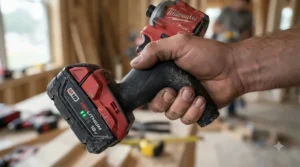
Cordless vs Pneumatic Brad Nailers: Which Wins for 18 Gauge Brad Nailer Projects
| Factor | Cordless Brad Nailer | Pneumatic Brad Nailer |
|---|---|---|
| Setup time | Instant, no hose or compressor | Requires compressor and hose setup |
| Mobility | Fully portable, no tether | Limited by hose length |
| Upfront cost | Higher per tool | Lower per tool, plus compressor cost |
| Best for | Trim, furniture, hobby projects | High-volume production framing |
Independent field testing across pine, poplar, and MDF has found that brushless cordless brad nailers now deliver drive-depth consistency equivalent to mid-range pneumatic models for standard residential trim work. In practice, that means the compressor’s traditional advantage — raw, unwavering consistency — has largely closed for 18 gauge brad nailer projects specifically. The remaining edge for pneumatic tools shows up in high-volume production settings, where the cost of running an air hose is lower per nail than swapping batteries all day. For anyone working solo on trim, furniture, or hobby builds, cordless options like the Milwaukee M18 FUEL Gen II or Ryobi P320 AirStrike now make the compressor genuinely optional rather than essential. According to a widely referenced entry on nail gun history and mechanics, pneumatic tools have dominated construction for decades precisely because of that consistency advantage — which makes the cordless catch-up even more notable for everyday buyers.
Common Mistakes When Buying a Cordless Brad Nailer
The most frequent mistake is buying based on maximum nail length alone without checking magazine capacity or nails-per-charge, then being surprised by constant reloading mid-project. A close second is ignoring existing battery ecosystems — buying a Makita XNB04Z when you already own six Ryobi ONE+ batteries means paying full price for a battery and charger you didn’t need to buy again. Buyers also frequently underestimate weight’s cumulative effect, assuming a half-pound difference is trivial until they’re an hour into overhead crown molding installation. Another common error is assuming “18 gauge” and “16 gauge” are interchangeable terms — as HGTV’s breakdown of nailer types explains, brad nailers specifically drive thinner 18-gauge fasteners, while finish nailers use thicker 15- or 16-gauge nails built for heavier trim — and using the wrong gauge for your material either splits delicate wood or fails to hold heavier trim securely. Finally, many first-time buyers skip reading return policies on bare tools, only to discover the battery and charger they assumed were included cost an additional $80-$120 separately.
Long-Term Cost & Maintenance: The Real ROI of Going Cordless
The sticker price on any of these seven nailers is only part of the real cost. Battery replacement is the single largest recurring expense in cordless tool ownership — a 4.0Ah battery typically runs $60-$100 depending on brand, and most lithium-ion packs lose meaningful capacity after 500-1,000 charge cycles, roughly 2-4 years of moderate use. This is where ecosystem choice pays off: buying into a platform you already own, whether that’s Ryobi ONE+, DeWalt 20V MAX, or Milwaukee M18, means a dying battery is a $70 replacement rather than a reason to buy an entirely new nailer. Maintenance costs run lower for cordless tools than pneumatic equivalents overall, since there’s no compressor to service, no air line fittings to replace, and no oil to buy for models using mechanical or nitrogen drive systems like the Metabo HPT NT1850DG or Milwaukee M18 FUEL Gen II. Total cost of ownership over five years for a mid-range pick like the DEWALT DCN680, factoring in one battery replacement and routine nose-tip swaps, typically lands well below the combined cost of a compressor, hose, fittings, and pneumatic nailer purchased new — a gap that widens further if you already own compatible batteries.
Safety and Regulations: Using Your Brad Nailer Responsibly
Cordless doesn’t mean risk-free. According to OSHA’s guidance on nail gun safety, nail guns remain a leading cause of preventable construction and DIY injuries, largely tied to unintended discharge and improper trigger use. Every nailer in this roundup, including entry-level picks like the Craftsman V20, includes a sequential or selectable trigger mode — using sequential mode (one press, one nail, full release required before the next shot) rather than bump-fire mode significantly reduces the risk of accidental double-fires, especially for less experienced users. Always keep your free hand well clear of the nose area, wear side-shield safety glasses regardless of how “light-duty” 18 gauge brads seem, and never bypass the safety contact tip by taping or disabling it. Research summarized by CDC’s National Institute for Occupational Safety and Health has specifically pointed to sequential-trip triggers as more effective at reducing injuries than training alone, particularly for consumers who don’t receive formal tool training before first use — a detail worth remembering before you switch a new nailer to bump-fire mode for speed on your first project.

Frequently Asked Questions
❓ What gauge should I use for baseboard and trim?
❓ How many nails can a cordless brad nailer fire per charge?
❓ Can a brad nailer replace a finish nailer entirely?
❓ Do cordless brad nailers require regular maintenance?
❓ Is an 18V or 20V MAX brad nailer more powerful?
Conclusion
Across budget, mid-range, and premium tiers, the best cordless brad nailer really depends on what’s already in your garage and what you’re building next. The Milwaukee M18 FUEL Gen II and DEWALT DCN680 lead for anyone doing serious trim work who values consistency over cost. The Metabo HPT NT1850DG and Makita XNB04Z carve out a strong middle ground for furniture makers and precision-focused buyers who want proven engineering without the top-tier price tag. And for weekend projects, hobby builds, or a first cordless nail gun ever, the Ryobi P320 AirStrike, Craftsman V20, and WORX Nitro WX842L all deliver genuine value without demanding an ecosystem commitment.
Whichever you choose, match the tool to your actual project mix rather than chasing the highest spec sheet — a lightweight pick built for picture frames won’t thank you on an all-day trim-out, and a heavy-duty trim nailer is overkill for the occasional bird house. Check current pricing and availability before buying, since ranges shift with retailer promotions throughout the year, and prioritize whichever battery platform you can build on for years, not just for this one project.
Recommended for You
- Best Brad Nailer Overall 2026: 7 Top Picks Ranked
- Best Cordless Finish Nailer for Trim: 7 Picks for 2026
- 15 Gauge vs 16 Gauge Finish Nailer: 7 Best Picks for 2026
Affiliate Disclosure: This article contains affiliate links. As an Amazon Associate, I earn from qualifying purchases. If you purchase products through these links, we may earn a small commission at no additional cost to you.
✨ Found this helpful? Share it with your friends! 💬🤗
