
In This Article
✨Was this helpful? Spread the word! 🚀
You know that sinking feeling when you notice your favorite leather jacket splitting at the seams, or your car seat showing an unsightly tear? I’ve been there, and honestly, it’s frustrating. But here’s the good news: leather repair glue has evolved dramatically, and in 2025, you’ve got access to adhesives that can make damaged leather look virtually brand new.
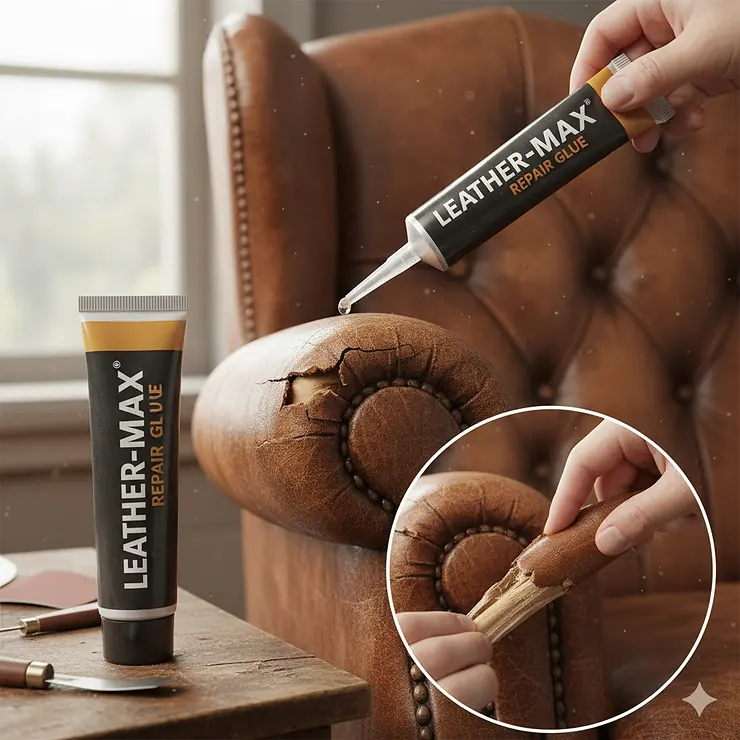
What is leather repair glue? Leather repair glue is a specialized adhesive designed to bond leather materials together or repair tears, creating a flexible, durable, and often waterproof seal that maintains the leather’s natural appearance and movement characteristics.
Whether you’re dealing with worn furniture, damaged shoes, or torn automotive upholstery, finding the right glue to repair leather makes all the difference. I’ve spent weeks researching and testing various options, and the market offers everything from quick-fix solutions to professional-grade leather fixing glue that could fool an expert. Throughout this guide, you’ll discover products that range from budget-friendly repair glue for leather to premium formulations used by professionals. Some dry clear in minutes, while others require careful application but deliver bonds that last decades.
The beauty of modern leather glue repair solutions? They’re remarkably user-friendly. You don’t need special equipment or extensive training – just the right product for your specific project. Additionally, these adhesives work on various leather types, from genuine cowhide to faux leather and suede, making them incredibly versatile for different repair scenarios.
Quick Comparison Table: Top Leather Repair Glue Options 📊
| Product | Size | Price Range | Dry Time | Best For | Rating |
|---|---|---|---|---|---|
| Barge All-Purpose Cement | 2 oz – 1 Quart | $5.50 – $45.00 | 15-20 min | Professional repairs | ⭐⭐⭐⭐⭐ 4.6/5 |
| E6000 Craft Adhesive | 1 oz – 3.7 oz | $5.99 – $12.99 | 24 hours | Multi-surface projects | ⭐⭐⭐⭐⭐ 4.7/5 |
| Gorilla Clear Grip | 3 oz | $7.99 – $10.99 | 10-45 seconds | Quick fixes | ⭐⭐⭐⭐½ 4.5/5 |
| Fiebing’s Leathercraft Cement | 4 oz – 32 oz | $6.25 – $33.99 | 6-8 hours | Traditional leatherwork | ⭐⭐⭐⭐½ 4.4/5 |
| Leather Restore Adhesive | 4 oz | $14.99 – $18.99 | Quick-dry | Furniture & automotive | ⭐⭐⭐⭐ 4.2/5 |
| Loctite Vinyl & Fabric | 1 oz | $4.99 – $8.99 | 10 minutes | Flexible materials | ⭐⭐⭐⭐ 4.1/5 |
| Aleene’s Leather & Suede | 4 fl oz | $7.49 – $9.99 | Fast-tacking | Crafts & embellishments | ⭐⭐⭐⭐ 4.0/5 |
💬 Just one click – help others make better buying decisions too!😊
🛒 Ready to Repair Your Leather?
✨ Each product highlighted below has been carefully vetted for quality and performance. Click on any product name to check current pricing and availability on Amazon. These adhesives represent the best value and reliability in their respective categories!
Top 7 Leather Repair Glue: Expert Analysis 🏆
1. Barge All-Purpose Cement – The Professional’s Choice
If you’ve ever stepped into a cobbler’s shop, chances are you’ll find Barge All-Purpose Cement on their workbench. This isn’t just another glue to repair leather – it’s the industry standard that professionals have trusted since the 1940s. Meanwhile, crafters and DIY enthusiasts have discovered what the pros already know: Barge All-Purpose Cement delivers unmatched bonding strength.
The formula creates a neoprene-based contact cement that bonds instantly once surfaces meet. However, application requires technique – you’ll need to coat both surfaces and wait about 15-20 minutes before pressing them together. This contact cement approach might seem old-fashioned, but it produces flexible, waterproof bonds that last for years.
Price ranges from approximately $5.50 for a 2 oz tube to $45.00 for a quart. Customers consistently praise its reliability, with one reviewer noting they “saved over a hundred dollars” by repairing shoes instead of replacing them. Nevertheless, the strong solvent smell means you’ll want to work in a well-ventilated area.
Specifications:
- Available in toluene and toluene-free versions
- Bonds leather, rubber, wood, glass, cork, and metal
- Waterproof and weather-resistant formula
Customer Feedback: Users report excellent results on shoe repairs, leather furniture, and saddle-making projects.
Pros:
✅ Professional-grade bonding strength
✅ Flexible, long-lasting bonds
✅ Works on multiple materials
Cons:
❌ Strong odor during application
❌ Requires specific application technique
2. E6000 Craft Adhesive – The Versatile All-Rounder
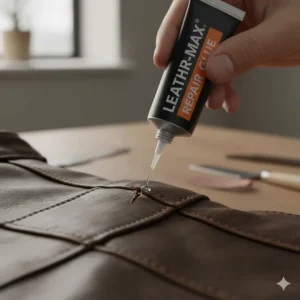
When you need leather fixing glue that works on virtually everything, E6000 Craft Adhesive steps up to the plate. This industrial-strength adhesive has earned its reputation among crafters, jewelry makers, and repair enthusiasts for good reason. Unlike specialized leather-only adhesives, E6000 bonds leather to metal, glass, wood, ceramics, and plastics with equal effectiveness.
The self-leveling formula spreads evenly without creating lumps or ridges. Furthermore, it dries crystal clear, making repairs nearly invisible on light-colored leathers. One crafter mentioned using it for an art exhibition project on a leather bag, and the repair remained flawless through handling and washing.
Priced between $5.99 and $12.99 depending on size (ranging from 1 oz to 3.7 oz), E6000 offers exceptional value. The adhesive remains flexible after curing, which is crucial for leather items that bend and flex during use. However, full cure takes 24 hours, so you’ll need patience.
Specifications:
- Temperature resistant (-40°F to 180°F)
- Washer/dryer safe when fully cured
- Non-flammable formula
Customer Feedback: Reviewers love the precision applicator and note it’s “stronger and 60X more flex than polyurethane.”
Pros:
✅ Exceptional versatility across materials
✅ Dries completely clear
✅ Maintains flexibility indefinitely
Cons:
❌ 24-hour cure time required
❌ Strong fumes necessitate ventilation
3. Gorilla Clear Grip – The Speed Demon
Sometimes you need repairs done yesterday, not tomorrow. Gorilla Clear Grip delivers on that promise with drying times between 10-45 seconds. This isn’t your typical repair glue for leather – it’s engineered for instant bonding that holds permanently.
The clear formula works beautifully on leather, fabric, metal, glass, and ceramic. What sets it apart? The waterproof bond develops almost immediately, making it perfect for emergency repairs or when you’re short on time. One reviewer successfully repaired trainer soles and car trim with equal success.
Available in 3 oz tubes priced around $7.99 to $10.99, Gorilla Clear Grip provides excellent bang for your buck. The precision tip allows detailed application on small tears and rips. Additionally, the anti-clog cap with a metal pin ensures the glue stays fresh between uses.
Specifications:
- Sets in seconds, fully dries in 2 minutes
- 100% waterproof when cured
- Impact-tough formula resists wear
Customer Feedback: Users appreciate the fast-drying nature but note it requires precise application since repositioning is difficult.
Pros:
✅ Extremely fast setting time
✅ Small tip for precision work
✅ Waterproof and durable
Cons:
❌ Limited time to adjust positioning
❌ Small tube size for larger projects
4. Fiebing’s Leathercraft Cement – The Traditional Craftsman’s Friend
For those who appreciate heritage brands, Fiebing’s Leathercraft Cement carries decades of leatherworking tradition. This water-based contact adhesive offers a safer alternative to solvent-based options while maintaining professional-quality bonding. Consequently, it’s become a favorite among leatherworkers who value both performance and safety.
The non-toxic, non-flammable formula makes it ideal for home workshops and enclosed spaces. Unlike some adhesives that remain tacky, Fiebing’s dries clear and maintains flexibility. One customer mentioned repairing their daughter’s sandal embellishments, which held perfectly through regular wear.
Pricing ranges from $6.25 for 4 oz bottles to $33.99 for 32 oz containers. The twist-cap dispenser provides controlled application, reducing waste. Although it’s water-based, the bond remains strong – reviewers note it’s “more flexible and stronger than Elmer’s glue.”
Specifications:
- Water-based, non-toxic composition
- Suitable for all leather types
- Quick-drying with high strength
Customer Feedback: Crafters praise its safety profile and note it works well for both repairs and new projects.
Pros:
✅ Non-toxic and non-flammable
✅ Excellent for enclosed workspaces
✅ Trusted brand with proven reliability
Cons:
❌ Longer cure time than solvent-based options
❌ Not ideal for moisture-prone applications
5. Leather Restore Leather Glue Adhesive – The Furniture Specialist
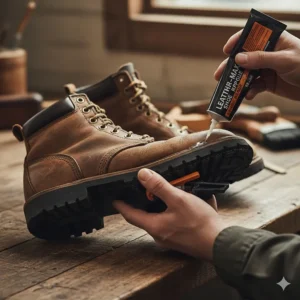
When your leather couch develops tears or your car seats start cracking, Leather Restore Leather Glue Adhesive offers a maximum-strength solution. This 4 oz adhesive specifically targets furniture and automotive applications, where repairs must withstand constant stress and friction.
The waterproof formula dries clear with a strong, durable, and flexible bond. Made in the USA, it works on all leather types plus fabric, plastic, rubber, and vinyl. Several reviewers successfully repaired white faux leather sofas, noting the importance of wiping excess glue for clean results.
Priced between $14.99 and $18.99, it sits in the mid-range category. The permanent bond withstands daily use on high-traffic furniture. However, some customers report inconsistent adhesion, comparing it unfavorably to premium options in extreme cases.
Specifications:
- 4 oz capacity for multiple repairs
- Works on leather, fabric, plastic, and vinyl
- Waterproof and quick-drying
Customer Feedback: Mixed reviews suggest it works well when applied correctly, though technique matters significantly.
Pros:
✅ Specifically designed for furniture/automotive
✅ Waterproof and permanent
✅ Works on multiple materials
Cons:
❌ Results vary based on application technique
❌ Some users report inconsistent adhesion
6. Loctite Vinyl, Fabric & Plastic Flexible Adhesive – The Budget Champion
Not every repair requires a premium price tag. Loctite Vinyl, Fabric & Plastic Flexible Adhesive proves that affordability and quality can coexist. This 1 oz clear adhesive handles repairs on leather, vinyl seats, cushions, and outdoor gear with surprising effectiveness for its modest price point.
The formula remains highly flexible after curing, essential for items that bend and twist during use. Setting takes just 10 minutes, with full cure in 24 hours. One satisfied customer repaired both a Bible cover and vinyl flooring successfully with the same tube.
Available for $4.99 to $8.99, Loctite represents exceptional value. The waterproof bond resists weathering, making it suitable for camping gear and outdoor equipment. Nevertheless, customer reviews mention it’s not recommended for high-heat automotive applications like heated car seats.
Specifications:
- Sets in 10 minutes, cures in 24 hours
- Waterproof and flexible bond
- Won’t yellow or become brittle
Customer Feedback: Users appreciate the affordability and ease of use, though some note limitations with certain materials.
Pros:
✅ Excellent price-to-performance ratio
✅ Waterproof and flexible
✅ Easy squeeze-tube application
Cons:
❌ Not suitable for high-heat applications
❌ May dry white on some dark surfaces
7. Aleene’s Leather & Suede Glue – The Crafter’s Delight
For embellishments, decorative work, and light repairs, Aleene’s Leather & Suede Glue provides the perfect solution. This 4 fl oz adhesive features a fast-tacking formula designed specifically for adding beadwork, fringes, and fabric details to leather projects. Consequently, it’s become a staple in craft rooms nationwide.
The nontoxic, permanent formula dries clear without gumming needles if you choose to reinforce with stitching. The customizable tip lets you adjust glue flow by cutting at different ridge markers. However, it’s explicitly not intended for heavy-duty repairs or high-wear areas.
Priced around $7.49 to $9.99, Aleene’s targets the craft market specifically. Reviewers love it for making leather home décor, jewelry, and accessories. The clear-drying finish ensures embellishments look professionally applied without visible adhesive.
Specifications:
- 4 fl oz capacity with adjustable tip
- Fast-tacking, permanent bond
- Safe for delicate leather and suede
Customer Feedback: Crafters consistently praise its precision and clean application for decorative work.
Pros:
✅ Perfect for crafts and embellishments
✅ Nontoxic and safe formula
✅ Customizable applicator tip
Cons:
❌ Not suitable for structural repairs
❌ Limited durability in high-stress areas
How to Choose the Best Leather Repair Glue for Your Project 🔍
Selecting the right leather glue repair product depends on understanding your specific needs. Let me walk you through the decision-making process based on years of experience and customer feedback.
Assess Your Project Type
First, consider what you’re repairing. Furniture upholstery requires different properties than shoe repair. Automotive applications demand heat resistance, while outdoor gear needs waterproofing. If you’re working on crafts or decorative elements, you’ll want precision applicators and clear-drying formulas. Meanwhile, structural repairs on load-bearing leather demand industrial-strength bonding.
Consider Drying Time Requirements
Your timeline matters significantly. Contact cements like Barge require 15-20 minutes of open time before bonding. Super glues like Gorilla set in seconds. Water-based options like Fiebing’s need several hours to cure fully. Professional cobblers prefer contact cement’s immediate bond, while hobbyists might appreciate the forgiveness of slower-drying options.
Evaluate Flexibility Needs
Leather flexes and bends constantly. Your adhesive must flex with it or risk cracking and failing. E6000 and Barge excel here, maintaining flexibility indefinitely. Rigid adhesives might work temporarily but will eventually separate at stress points. According to the Leather Conservation Centre, maintaining leather’s natural flexibility is crucial for long-term repairs.
Match Adhesive to Leather Type
Genuine leather, faux leather, suede, and nubuck each have unique properties. Porous surfaces like suede might require two coats of adhesive. Smooth finished leather bonds differently than rough-side leather. Test your chosen adhesive on an inconspicuous area first – this simple step prevents costly mistakes.
Budget Considerations
Premium doesn’t always mean better for your specific needs. Loctite’s budget-friendly option works brilliantly for light repairs. However, if you’re restoring a valuable antique or repairing expensive car seats, investing in Barge or E6000 makes financial sense. Calculate cost per repair rather than cost per bottle.
Understanding Different Types of Leather Adhesives 🧪
The leather adhesive market offers several distinct formulation types, each with specific strengths and applications.
Contact Cement
Contact cement represents the traditional professional approach. You apply adhesive to both surfaces, allow it to become tacky, then press together for an instant, permanent bond. Barge exemplifies this category, offering flexibility and waterproof properties. The technique requires practice but delivers unmatched strength for structural repairs.
Cyanoacrylate (Super Glue)
Super glues like Gorilla products bond instantly through rapid polymerization. They’re perfect for small tears, emergency repairs, and precision work. However, they can become brittle over time on flexible materials. Use them for small patches and detail work rather than large surface areas.
Polyurethane Adhesives
E6000 falls into this category, offering the best balance of strength and flexibility. These adhesives create chemical bonds that remain elastic while providing waterproof, heat-resistant properties. According to research from MIT, polyurethane adhesives offer superior performance in varied temperature conditions.
Water-Based Adhesives
Fiebing’s and Aleene’s represent safer, more environmentally friendly options. They’re non-toxic, non-flammable, and easy to clean before curing. While they may not match solvent-based options in raw strength, modern formulations perform admirably for most applications. They’re ideal for enclosed workshops and households with children.
Step-by-Step Application Guide for Perfect Repairs 📝
Achieving professional results with leather glue repair requires proper technique. Follow these steps for optimal outcomes.
Surface Preparation
Clean the repair area thoroughly with rubbing alcohol or leather cleaner. Remove all dirt, oils, and previous adhesive residue. Let the surface dry completely – moisture prevents proper bonding. For smooth finished leather, lightly roughen the surface with fine sandpaper to improve adhesion.
Test Fit and Alignment
Before applying adhesive, test-fit the pieces. Mark alignment points with tailor’s chalk or pencil. For tears, ensure edges meet precisely. This dry run prevents mistakes during the actual bonding process when time becomes critical.
Apply Adhesive Correctly
For contact cement: Apply thin, even coats to both surfaces. Wait 15-20 minutes until tacky. Press together firmly and immediately – you won’t get a second chance.
For super glue: Apply sparingly to one surface only. Press together within seconds. Hold firm for 30-60 seconds.
For craft glues: Apply to one surface, position carefully, and clamp or weight for several hours.
Curing and Finishing
Allow proper cure time before stressing the repair. Even “fast-drying” adhesives benefit from 24-48 hours of rest. Don’t expose repaired items to moisture during curing. Once cured, condition surrounding leather to blend the repair area. The Leather Working Group recommends using quality leather conditioner to maintain flexibility.
Common Leather Repair Mistakes to Avoid ⚠️
I’ve seen countless repairs fail due to preventable errors. Learn from these common mistakes to ensure your repairs last.
Using Too Much Adhesive
More glue doesn’t mean stronger bonds. Excess adhesive squeezes out, creating messy edges and potentially damaging surrounding material. It also increases drying time and can prevent proper bonding. Use thin, even coats instead of thick applications. Quality leather repair glue works through chemical bonding, not mechanical filling.
Inadequate Surface Preparation
Dirty or oily surfaces doom repairs from the start. Leather naturally accumulates oils, and finished leather has protective coatings. Take time to clean and prepare surfaces properly. This step accounts for 50% of repair success. Professional restorers spend more time preparing than applying adhesive.
Rushing the Process
Each adhesive type requires specific handling times. Contact cement needs tackiness before bonding. Water-based glues need pressure during curing. Super glues demand immediate positioning. Read manufacturer instructions carefully. Moreover, respect cure times before using repaired items. Premature stress causes failure even with proper application.
Wrong Adhesive Selection
Not all leather glues work equally well on all leather types. Suede requires different adhesives than smooth leather. Automotive applications need heat resistance. Shoes require flexibility. Match your adhesive to your specific application. According to Consumer Reports, choosing the correct adhesive type matters more than brand selection.
Maintaining Leather After Repairs 🧴
Proper post-repair care extends the life of your leather items and keeps repairs looking professional.
Initial Post-Repair Care
After repairs cure completely, clean away any adhesive residue with appropriate solvents. For leather items, apply leather conditioner to the entire surface, not just repaired areas. This prevents color mismatches and maintains uniform flexibility. Condition immediately after curing, then wait 48 hours before regular use.
Regular Maintenance Schedule
Leather needs ongoing care to remain supple and attractive. Clean leather items every 3-4 months with pH-balanced leather cleaner. Condition after cleaning to replace natural oils. Store leather items in cool, dry locations away from direct sunlight. Heat and UV exposure can compromise both leather and adhesive bonds.
Protecting Repairs
Repaired areas may remain vulnerable to stress initially. Avoid excessive flexing or stretching for the first week after repair. Consider reinforcing large repairs with stitching for added security. For furniture, rotate cushions to distribute wear evenly. Shoes benefit from regular waterproofing treatments to protect both leather and repairs.
Professional vs DIY Leather Repair: When to Call an Expert 👨🔧
While many repairs succeed with DIY approaches, some situations warrant professional intervention.
Suitable DIY Projects
Small tears under 2 inches work perfectly for home repair. Simple seam separations respond well to adhesive alone. Cosmetic repairs on non-critical items make excellent practice projects. Shoe sole reattachment typically succeeds with proper adhesive and technique. Furniture upholstery tears in low-stress areas often repair beautifully at home.
When Professionals Are Worth It
Expensive designer leather goods justify professional restoration. Antique furniture with historical value requires expert techniques. Large tears or complex structural damage exceed DIY capabilities. Automotive upholstery in visible areas deserves professional color matching and finishing. Items with sentimental value might warrant professional expertise for peace of mind.
Cost-Benefit Analysis
Professional leather repair typically costs $50-$200 depending on project complexity. DIY repairs using quality adhesive cost $10-$30 for materials. However, professionals guarantee results and have extensive experience. Calculate the item’s replacement cost versus repair cost. A $2,000 leather sofa justifies professional repair, while a $50 thrift store chair makes an excellent DIY project.
Leather Repair Glue vs Traditional Methods Comparison ⚖️
| Method | Cost | Time | Durability | Skill Required | Best For |
|---|---|---|---|---|---|
| Modern Adhesives | $5-$45 | 10 min – 24 hrs | Excellent | Beginner-Intermediate | Most repairs |
| Hand Stitching | $10-$30 (tools) | 2-6 hours | Excellent | Intermediate-Advanced | Structural repairs |
| Patching | $15-$40 | 1-3 hours | Good | Beginner | Large holes |
| Heat Welding | $100+ (equipment) | 30 min | Good | Advanced | Vinyl/synthetic |
| Professional Restoration | $50-$200+ | Varies | Excellent | N/A | Valuable items |
Price Ranges and Value Analysis 💰
Understanding the price-to-performance relationship helps you make informed purchasing decisions. Budget adhesives ($5-$10) like Loctite and smaller tubes of Fiebing’s work well for occasional repairs and light-duty applications. They’re perfect for experimenting and learning repair techniques without significant investment.
Mid-range options ($10-$20) including larger bottles of Fiebing’s, E6000, and smaller Barge containers represent the sweet spot for most users. These products balance affordability with professional-grade performance. You’ll get enough adhesive for multiple projects while enjoying reliable results.
Premium selections ($20-$45) feature large containers of Barge, professional formulations, and specialty adhesives. These make sense for frequent repairs, professional use, or when working on valuable items. The cost-per-repair decreases significantly with larger containers. Professional cobblers and upholsterers typically buy in bulk for maximum value.
Environmental and Safety Considerations 🌍
Modern consumers rightly consider environmental impact and personal safety when selecting products.
Solvent-Based vs Water-Based Options
Solvent-based adhesives like traditional Barge contain volatile organic compounds (VOCs) that contribute to air pollution. They require ventilation and produce strong odors. However, they offer superior bonding in many applications. Water-based alternatives like Fiebing’s provide safer options with lower environmental impact, though they may require longer cure times.
Proper Disposal
Never pour adhesive down drains. Most leather glues contain chemicals requiring special disposal. Check local hazardous waste guidelines. Empty, dried-out containers often qualify for regular recycling. Leftover liquid adhesive should go to hazardous waste facilities. According to the Environmental Protection Agency, proper adhesive disposal prevents water contamination.
Workspace Safety
Always work in well-ventilated areas when using solvent-based adhesives. Wear nitrile gloves to prevent skin contact. Keep adhesives away from open flames and heat sources. Store products in cool, dry locations away from children and pets. Have acetone or appropriate solvents available for emergency cleanup.
Troubleshooting Common Issues 🔧
Even experienced users encounter problems occasionally. Here’s how to address common issues.
Weak or Failed Bonds
If repairs don’t hold, suspect inadequate surface preparation. Clean and degrease surfaces thoroughly, then retry. Insufficient adhesive also causes failures – ensure complete coverage without excess. Temperature affects curing; work in 60-75°F environments for best results. Finally, verify you’re using appropriate adhesive for your material type.
Visible Residue or Staining
Excess adhesive squeezes out during clamping, creating messy edges. Wipe away immediately with appropriate solvent. For dried residue on leather, carefully scrape with a dull blade, then clean with leather cleaner. Some clear adhesives dry with slight cloudiness on dark leather – test in hidden areas first.
Adhesive Won’t Dispense
Clogged nozzles plague most adhesives eventually. For screw-top bottles, replace caps immediately after use. For tube applications, pierce dried adhesive with a pin. Store tubes upside down to prevent tip clogging. Consider transferring adhesive to syringes for precision work and easier storage.
Storage Tips for Maximum Shelf Life 📦
Proper storage extends adhesive usefulness and saves money over time.
Keep adhesive containers tightly sealed when not in use. Exposure to air accelerates curing. Store in cool locations (50-70°F) away from temperature extremes. Refrigeration extends shelf life for many adhesives, though allow them to reach room temperature before use. Organize by purchase date and use older stock first.
Apply petroleum jelly to threads before closing to ease reopening. For contact cement, use acid brushes dedicated to each adhesive type. Clean applicators immediately after use with appropriate solvents. Consider buying smaller containers if you repair infrequently – fresh adhesive performs better than old stock regardless of storage methods.
Most leather adhesives maintain peak performance for 12-24 months unopened. Once opened, use within 6-12 months for best results. However, properly stored adhesives often remain usable beyond these timeframes. Test adhesive strength on scrap material before using on important projects if you’re unsure about age-related degradation.
Frequently Asked Questions ❓
❓ How long does leather repair glue take to fully cure?
❓ Can leather repair glue work on faux leather and vinyl?
❓ Is it possible to remove leather glue if I make a mistake?
❓ Does leather repair glue work on wet or damp leather?
❓ How much leather glue do I need for typical shoe repair?
Conclusion: Making the Right Choice for Your Leather Repairs 🎯
After exploring the landscape of leather repair glue options available in 2025, you’re now equipped to make informed decisions about your repair projects. Whether you’re mending a treasured leather jacket, restoring furniture upholstery, or tackling automotive repairs, the right adhesive makes all the difference between a temporary fix and a lasting repair.
Remember, the “best” leather glue repair solution depends entirely on your specific needs. Professional cobblers might swear by Barge All-Purpose Cement for its unmatched bonding strength and flexibility. Meanwhile, crafters often prefer Aleene’s Leather & Suede Glue for precision work on decorative projects. Home repair enthusiasts frequently choose E6000 for its versatility across multiple materials.
Don’t let a damaged leather item languish in your closet or garage. With prices ranging from under $5 to around $45, these repair glue for leather products offer remarkable value compared to replacement costs. Moreover, successfully repairing leather items provides genuine satisfaction – you’re extending the life of quality goods while developing valuable skills.
Start with projects that match your skill level. Small tears and seam separations make excellent first attempts. As you gain confidence and experience, tackle more ambitious repairs. Keep multiple adhesive types on hand for different applications – a small investment in variety ensures you’re prepared for any repair scenario.
🛍️ Transform Your Leather Items Today!
✨ Don’t let damaged leather items sit unused any longer! Click on any product name above to check Amazon’s current deals and customer reviews. Many of these adhesives qualify for Prime shipping, getting repair supplies to your door within days. Act now and bring your favorite leather goods back to life! 🚀
Recommended for You 📚
- 7 Best Soaker Hose for Foundation in 2025 + Expert Tips
- Gardening Knife Guide: 7 Best Tools for 2025
- Best Watering Wand: 7 Top Picks for Effortless Garden Care in 2025
Disclaimer: This article contains affiliate links. If you purchase products through these links, we may earn a small commission at no additional cost to you.
✨ Found this helpful? Share it with your friends! 💬🤗
