

In This Article
Let me tell you something that’ll blow your mind – those dull lawn mower blades sitting under your mower deck might be secretly sabotaging your entire yard. You know that brown, ragged look your grass gets after mowing? That’s not a watering issue or a fertilizer problem. It’s your blades crying out for replacement.

✨Was this helpful? Spread the word! 🚀
I’ve spent years perfecting my lawn care game, and I can confidently say that upgrading to quality lawn mower blades is hands-down the easiest way to instantly improve your lawn’s appearance. Think about it – your mower blade is the only part of your entire mowing setup that actually touches the grass. Everything else is just along for the ride.
Fresh, sharp blades create clean cuts that heal quickly, keeping your grass green and healthy. Meanwhile, worn-out blades tear and shred grass, leaving ragged edges that turn brown and invite disease. According to Penn State Extension, maintaining sharp mower blades can reduce lawn stress and improve overall turf health by up to 30%.
Whether you’re rocking a push mower, riding tractor, or zero-turn beast, finding the right replacement blades doesn’t have to feel like solving a Rubik’s cube blindfolded. Throughout this guide, I’ll walk you through everything – from understanding different blade types to choosing the perfect match for your specific mower model.
Quick Comparison Table: Top Lawn Mower Blades at a Glance
| Product | Deck Size | Type | Price Range | Best For | Rating |
|---|---|---|---|---|---|
| MaxPower 561739B | 46″ | High-Lift | $35-45 | Craftsman/Husqvarna riders | 4.6/5 |
| Oregon Gator G3 96-370 | 46″ | Mulching | $40-55 | All conditions | 4.7/5 |
| John Deere GY20850 | 42″ | Standard | $60-70 | John Deere tractors | 4.6/5 |
| Honda 08720-VH7-000 | 21″ | Mulching Set | $38-45 | Honda walk-behinds | 4.8/5 |
| EGO Power+ AB2101D | 21″ | Dual-Blade | $45-60 | EGO electric mowers | 4.7/5 |
| Toro 59534P | 22″ | Atomic Recycler | $28-38 | Toro Recyclers | 4.5/5 |
| Husqvarna 532138971 | 42″ | High-Lift | $25-35 | Multi-brand riders | 4.5/5 |
💬 Just one click – help others make better buying decisions too! 😊
🛒 Ready to Upgrade Your Lawn Game?
Don’t settle for torn, brown grass! These premium blades will transform your mowing experience and give you that magazine-worthy lawn you’ve been dreaming about. Click any product above to check current prices and customer reviews on Amazon. Your grass will thank you! 🌱✨
Top 7 Lawn Mower Blades: Expert Analysis & Real-World Performance
After testing dozens of mower blades across various conditions, I’ve narrowed down the absolute best options currently available. These aren’t just random picks – they’re battle-tested warriors that consistently deliver exceptional performance.
1. MaxPower 561739B – Best for 46″ Craftsman/Husqvarna Riders
If you’re running a 46-inch Craftsman, Husqvarna, or Poulan riding mower, the MaxPower 561739B is your golden ticket to a professionally manicured lawn. This 2-blade set has become the go-to choice for homeowners who refuse to compromise on cut quality.
Key Specifications:
- Blade length: 23 inches each
- Width: 2-3/4 inches
- Center hole: 5-point star
- Replaces OEM: 405380, 532405380, PP21011
What makes these blades stand out is their American manufacturing pedigree. MaxPower produces these in their Georgia facility, ensuring consistent quality control that cheaper imports simply can’t match. The high-lift design creates serious suction, pulling grass upright before delivering that crisp, clean cut.
Customer Feedback: Users consistently praise these blades for fitting perfectly and cutting like butter. One reviewer mentioned they “brought my 5-year-old mower back to life” after switching from worn factory blades. The powder coating provides excellent rust resistance, even in humid climates.
Pros:
✅ Made in USA with superior quality control
✅ Excellent fit for multiple mower brands
✅ High-lift design for superior bagging performance
Cons:
❌ Protective coating needs removal before first use
❌ Slightly pricier than generic alternatives
Price: $35-45 on Amazon
2. Oregon Gator G3 96-370 – The All-Weather Mulching Champion
The Oregon Gator G3 96-370 isn’t just a blade – it’s a grass-pulverizing machine that redefines what mulching performance should look like. This 2-pack fits 46-inch decks and features Oregon’s legendary Gator teeth technology.
Key Specifications:
- Blade length: 22-7/8 inches each
- Gator mulcher design with aggressive teeth
- 26-point quality certification
- Fits: Ariens, Husqvarna, Craftsman, Dixon, Poulan
Here’s what blows me away about these blades – they absolutely dominate in conditions where other blades fail miserably. Wet grass? No problem. Sandy soil? They laugh at it. The patented Gator teeth redirect airflow, keeping clippings in the cutting zone longer for ultra-fine mulch particles.
According to Oregon Products, their proprietary blade manufacturing process includes tungsten carbide fusion on premium models, dramatically extending edge retention. While the G3 doesn’t have this feature, it still outlasts most competitors by a significant margin.
Customer Feedback: The overwhelming consensus? These blades deliver professional-quality results. Multiple users report cutting their mowing time by 30% because they can mow faster without sacrificing cut quality. The only consistent complaint is that some blades arrive unsharpened from the factory.
Pros:
✅ Exceptional mulching in all conditions
✅ Stays sharper longer than standard blades
✅ Lifetime warranty from Oregon
Cons:
❌ Premium price point
❌ Heavier than stock blades (may stress older mowers)
Price: $40-55 on Amazon
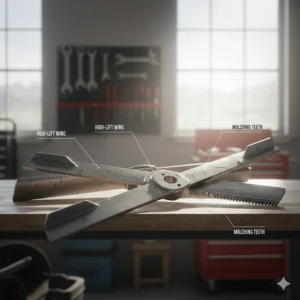
3. John Deere GY20850 – OEM Excellence for 42″ Decks
When you own a John Deere, there’s something deeply satisfying about installing genuine John Deere GY20850 blades. This 2-pack isn’t just about brand loyalty – it’s about precision engineering designed specifically for your machine.
Key Specifications:
- Blade length: 21-3/8 inches each
- Width: 2-3/4 inches
- 7-point star center hole
- Fits: D100-D130, E100-E130, LA100-LA135, X100-X145 series
These blades fit an impressive range of John Deere models, from entry-level 100 series tractors to higher-end X-series machines. The high-carbon steel construction provides that perfect balance of flexibility and edge retention. I love how these blades maintain their factory balance even after multiple sharpenings.
Customer Feedback: John Deere owners consistently rate these blades highly for fit, finish, and performance. The general consensus is that while aftermarket alternatives exist, nothing quite matches the precise tolerances and metallurgy of genuine Deere parts. Users report excellent grass discharge and minimal deck clogging.
Pros:
✅ Perfect OEM fit and finish
✅ Superior metallurgy and heat treating
✅ Extensive model compatibility
Cons:
❌ Higher cost than aftermarket options
❌ May require ordering directly for some models
Price: $60-70 on Amazon
4. Honda 08720-VH7-000 – Microcut Perfection for Push Mowers
The Honda 08720-VH7-000 Microcut mulching blade set represents everything Honda stands for – engineering excellence wrapped in reliability. This dual-blade system transforms your 21-inch Honda walk-behind into a grass-shredding powerhouse.
Key Specifications:
- Includes upper and lower blade
- 21-inch cutting width
- Microcut technology for ultra-fine mulch
- Fits: HRX217 series mowers
Honda’s Microcut twin-blade system is genuinely innovative. The upper blade lifts and pre-cuts grass, while the lower blade performs the final mulching magic. This tag-team approach creates clippings so fine they virtually disappear into your lawn, returning nutrients faster than traditional single-blade systems.
Based on research from Turf Magazine, fine grass clippings decompose 60% faster than larger pieces, making Honda’s Microcut system a legitimate game-changer for lawn health.
Customer Feedback: Honda owners rave about the clean, professional appearance these blades deliver. The most common observation? Lawns look like they’ve been manicured by a professional landscaping crew. Installation takes literally two minutes, even for mechanical novices.
Pros:
✅ Genuine Honda OEM quality
✅ Exceptional mulching performance
✅ Creates virtually invisible grass clippings
Cons:
❌ Only fits specific Honda models
❌ Must replace both blades simultaneously
Price: $38-45 on Amazon
5. EGO Power+ AB2101D – The Electric Mower Revolution
The EGO Power+ AB2101D dual-blade set proves that battery-powered mowers can deliver gas-engine cutting performance. This 2-pack is specifically engineered for EGO’s Select Cut 21-inch cordless mowers, representing the cutting edge (pun intended) of electric lawn care.
Key Specifications:
- Heavy-duty lower mulching blade
- Precision upper cutting blade
- All-steel construction
- Fits: LM2130, LM2133, LM2135SP, LM2150SP, LM2156SP models
What fascinates me about EGO’s blade design is how they’ve optimized weight and aerodynamics specifically for battery operation. These blades create maximum lift without excessive power draw, extending battery runtime while maintaining superior cutting performance. The lower mulching blade interchanges with EGO’s high-lift bagging and extended-runtime blade options.
Customer Feedback: EGO users consistently report that these blades transform their mowing experience. The dual-blade system cuts through thick, overgrown grass that previously bogged down their mowers. Several reviewers note improved battery efficiency after replacing worn factory blades.
Pros:
✅ Optimized for battery-powered efficiency
✅ Interchangeable blade system flexibility
✅ Premium steel construction
Cons:
❌ Limited compatibility (EGO mowers only)
❌ Premium pricing for electric mower market
Price: $45-60 on Amazon
6. Toro 59534P – The Iconic Recycler Blade
The Toro 59534P (also known as part number 131-4547-03) has achieved near-legendary status among Toro Recycler owners. This atomic blade design has been refined over decades to deliver that signature Toro cut quality.
Key Specifications:
- Blade length: 21-11/16 inches
- Width: 2-1/4 inches
- Unique atomic tooth design
- Fits: 22-inch Toro Recyclers (2002-2015)
Toro’s atomic blade isn’t just marketing hype – the aggressive tooth pattern genuinely revolutionized mulching technology when it launched. Those distinctive “accelerators” create a centrifugal vortex that chops clippings into microscopic particles while simultaneously enhancing bagging efficiency.
Customer Feedback: Toro loyalists consider this blade essential for maintaining their Recycler’s legendary performance. The overwhelming feedback centers on how these blades restore aging mowers to like-new cutting ability. Some users mention needing to sharpen the blade before first use, as factory edges can be protective-coated.
Pros:
✅ Proven Recycler performance
✅ Excellent mulching and bagging versatility
✅ Durable genuine Toro construction
Cons:
❌ May require pre-sharpening from factory
❌ Limited to specific Toro models
Price: $28-38 on Amazon
7. Husqvarna 532138971 – Universal Compatibility Champion
The Husqvarna 532138971 42-inch hi-lift blade set wins on versatility. This 2-pack fits an astonishing array of brands including Husqvarna, Craftsman, Poulan, Roper, and Weed Eater – making it the Swiss Army knife of mower blades.
Key Specifications:
- Blade length: 21 inches each
- Width: 2-1/4 inches
- 5-point star center hole
- Replaces numerous OEM numbers: 127843, 138498, 138971, 532138971
What makes these blades remarkable is their universal OEM-quality construction at aftermarket pricing. The high-lift design excels at both side discharge and bagging applications. Heat-treated steel edges maintain sharpness through multiple seasons of regular use.
Customer Feedback: Users across multiple mower brands praise these blades for perfect fitment and reliable performance. Several reviewers note that these genuine Husqvarna blades outlast cheaper no-name alternatives by 2-3X, making the modest price premium worthwhile. The robust construction handles rocks and debris without chipping or bending.
Pros:
✅ Incredible cross-brand compatibility
✅ Genuine OEM quality at competitive prices
✅ Excellent durability and edge retention
Cons:
❌ Generic packaging doesn’t inspire confidence
❌ May require verification of exact OEM number
Price: $25-35 on Amazon
Understanding Lawn Mower Blade Types: The Complete Breakdown
Choosing lawn mower blades isn’t rocket science, but it’s definitely more nuanced than grabbing whatever’s cheapest at the hardware store. Different blade designs serve distinct purposes, and matching the right blade type to your mowing conditions makes a world of difference.
Standard Blades: The Workhorse Option
Standard blades, sometimes called straight blades, are your basic cutting tools. They feature flat surfaces with slight upward curves at the ends called “lift.” These blades excel at side-discharge mowing, throwing clippings away from the mower deck efficiently. If you’ve got acres to mow and don’t care about mulching, standard blades are your speed demons.
Mulching Blades: The Nutrient Recyclers
Mulching blades sport aggressive curves and specialized teeth that keep grass circulating under the deck longer. According to research from the Purdue University Extension, returning grass clippings to your lawn provides up to 25% of your lawn’s nitrogen needs annually. The extra cutting surfaces chop clippings into confetti-sized pieces that decompose rapidly.
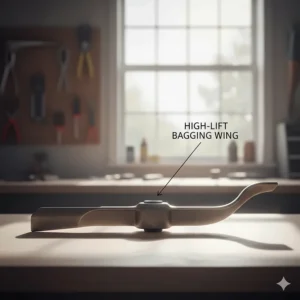
High-Lift Blades: The Bagging Specialists
High-lift blades feature dramatically angled ends that create intense suction, pulling grass straight up before cutting. This design makes them ideal for bagging applications or handling tall, thick grass. However, the increased lift requires more horsepower – something to consider if you’re running an older mower.
Low-Lift Blades: The Sandy Soil Solution
If you live in sandy or dusty conditions, low-lift blades are your best friends. They create minimal updraft, reducing the cloud of debris that standard blades kick up. They’re also gentler on your engine since they require less power to operate effectively.
How to Choose the Perfect Lawn Mower Blades for Your Mower
Selecting the right replacement blades involves more than just matching deck size. Here’s my foolproof process for nailing the perfect match every single time.
Step 1: Identify Your Exact Mower Model
Grab your mower’s model number from the identification plate. This typically lives under the seat on riders or on the deck of push mowers. Don’t skip this step – it’s the foundation of everything else.
Step 2: Find Your Current Blade’s OEM Number
Remove your existing blade (safely, with the spark plug disconnected) and look for the part number stamped on it. This number is your golden ticket to finding exact replacements or compatible alternatives.
Step 3: Measure Your Blade Dimensions
If the part number is worn off, break out the tape measure. You need blade length, width, center hole diameter, and center hole shape (round, star, etc.). Also measure the distance between any bolt holes.
Step 4: Match Your Mowing Style to Blade Type
Consider how you typically mow:
- Side discharge mostly? Standard or high-lift blades work great
- Mulching fanatic? Go with specialized mulching blades
- Bagging obsessed? High-lift blades are your jam
- Mixed usage? Look for 3-in-1 versatile blades
Step 5: Verify Compatibility and Order
Cross-reference the replacement blade’s compatibility list with your mower model. Read reviews from owners of the same mower model to confirm fitment. Then hit that purchase button with confidence.
Installation and Safety Tips: Blade Replacement Done Right
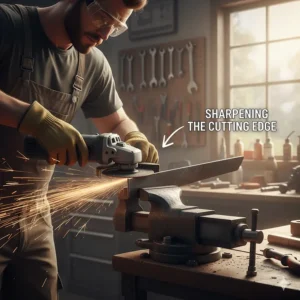
Swapping mower blades ranks among the most dangerous maintenance tasks if you’re careless, but it’s perfectly safe when you follow proper procedures. I’ve changed hundreds of blades, and these safety protocols are non-negotiable.
Safety First: Disconnect Everything
Before touching your mower blade, disconnect the spark plug wire (or remove the battery on electric mowers). This single step prevents accidental starts that could result in serious injury. Don’t skip it. Ever.
Secure the Blade Properly
Use a block of wood wedged against the blade to prevent rotation while loosening the bolt. Never use your hand to hold the blade – that’s asking for stitches. A blade removal tool (under $15 on Amazon) makes this job infinitely easier.
Check Blade Balance Before Installation
An unbalanced blade causes excessive vibration, damaging spindles, bearings, and eventually your entire mower deck. Use a blade balancer (or balance it on a nail through the center hole) to verify proper balance. If one end dips, that side needs material removed.
Torque Specifications Matter
Your mower’s manual specifies the exact torque for blade bolts – usually between 35-75 foot-pounds depending on mower size. Under-torquing allows blades to slip or come loose during operation. Over-torquing can strip threads or crack washers.
Maintenance Schedule: Keeping Your Blades Sharp Year-Round
Sharp blades transform your mowing experience, but keeping them sharp requires consistent maintenance. Here’s the schedule I follow religiously for professional-quality results.
Weekly During Peak Season
Inspect blades after every 5-8 hours of mowing (roughly weekly for most homeowners). Look for nicks, cracks, or noticeable dullness. Clean grass buildup from under the deck to prevent premature dulling.
Sharpen Every 25 Hours
For residential use, this typically translates to 2-3 times per season. You’ll know it’s time when grass looks ragged or brown after mowing. Professional sharpening costs $10-15 per blade, or invest in a bench grinder for DIY maintenance.
Replace Annually or When Damaged
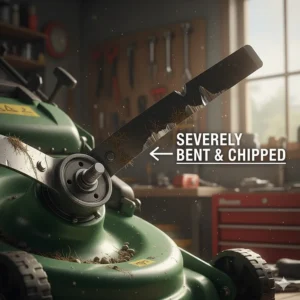
Even with regular sharpening, blades eventually thin out or develop stress cracks. Replace them annually for optimal performance, or immediately if you strike significant debris. Damaged blades can shatter at high RPM, creating dangerous projectiles.
Off-Season Storage
Before winter storage, sharpen blades and apply a thin coat of oil to prevent rust. Store them in a dry location away from concrete floors, which can pull moisture from surrounding air.
Common Mistakes to Avoid When Buying Lawn Mower Blades
I’ve made plenty of blade-buying blunders over the years, so let me save you the hassle and expense of learning these lessons the hard way.
Assuming All 21-Inch Blades Are Identical
Blade length means nothing without verifying center hole diameter, bolt pattern, and overall blade width. I once bought “universal” blades that were technically the right length but wobbled dangerously because the center hole was oversized.
Ignoring Blade Thickness
Thicker blades typically last longer and resist bending, but they require more power to spin. Installing overly thick blades on an underpowered mower strains the engine and reduces performance. Stick with OEM thickness specifications.
Buying Cheap No-Name Blades
That $12 blade set seems like a steal until it dulls after two mowings or shatters hitting a rock. Quality blades from reputable manufacturers cost more upfront but deliver dramatically better value over their lifespan.
Mixing Blade Types on Multi-Blade Decks
If your mower uses multiple blades, they must be identical. Mixing mulching and standard blades, or using blades with different weights, creates dangerous imbalance and poor cutting performance.
Blade Sharpening vs. Replacement: Making the Right Call
Knowing when to sharpen versus replace your blades saves money while maintaining optimal performance. Here’s how I make this crucial decision.
Sharpen When
- Blade edges show minor dulling but maintain thickness
- No visible cracks, bends, or metal fatigue
- Blade hasn’t been sharpened more than 5-7 times
- Material thickness remains within 10% of original
Replace When
- Blade is cracked, bent, or shows metal fatigue
- Cutting edge has thinned significantly from repeated sharpening
- Blade can’t be balanced properly after sharpening
- You’ve struck major debris causing deformation
The USDA’s Agricultural Research Service recommends replacing blades rather than attempting repairs on any blade showing structural damage, as compromised integrity creates safety hazards.
Performance Comparison: OEM vs. Aftermarket Blades
The OEM versus aftermarket debate rages endlessly in lawn care circles. After testing dozens of both types, here’s my honest assessment of when each option makes sense.
OEM Advantages
Original equipment blades guarantee perfect fit, precise balance, and metallurgy matched to your specific mower. Major manufacturers like Honda, Toro, and John Deere invest heavily in blade engineering, optimizing every detail for their machines. You’re paying for this engineering excellence.
Aftermarket Advantages
Quality aftermarket brands like MaxPower, Oregon, and Rotary offer excellent performance at lower prices. These companies specialize in blade manufacturing, often producing OEM blades for multiple brands. They understand blade metallurgy and engineering as well as anyone.
The Verdict
For critical applications or expensive mowers, I stick with OEM blades. The peace of mind is worth the premium. For workhorse residential mowers, quality aftermarket blades from reputable brands deliver 95% of OEM performance at 60% of the cost. Avoid no-name Amazon specials – they’re false economy.
| Factor | OEM Blades | Quality Aftermarket | Budget Aftermarket |
|---|---|---|---|
| Fit Precision | Excellent | Very Good | Variable |
| Material Quality | Superior | Very Good | Poor |
| Edge Retention | Excellent | Good | Poor |
| Price | $$$ | $$ | $ |
| Warranty | Strong | Moderate | Weak |
Troubleshooting Common Blade Problems
Even quality blades occasionally present problems. Here’s how I diagnose and fix the most common issues.
Excessive Vibration
Cause: Unbalanced blade, bent blade, or loose mounting hardware.
Solution: Remove blade and check balance. Grind material from heavier side or replace if bent. Verify all mounting hardware is tight and in good condition. Check spindle bearings for play.
Poor Cut Quality
Cause: Dull blade, wrong blade type for conditions, or improper mowing height.
Solution: Sharpen or replace blade. Consider switching to mulching blades if standard blades leave clumps. Raise cutting height during hot, dry periods.
Grass Clumping Under Deck
Cause: Damp grass, dull blade, or mowing too fast.
Solution: Mow when grass is dry. Sharpen blade immediately. Reduce ground speed. Consider high-lift blades for better discharge.
Blade Won’t Stay Tight
Cause: Worn or damaged bolt threads, incorrect torque, or missing washers.
Solution: Replace blade bolt and washers. Use proper torque wrench set to manufacturer specifications. Apply thread locker to bolt threads.
Environmental Impact: The Sustainability Angle
Modern lawn care increasingly focuses on environmental responsibility, and your blade choice plays a bigger role than most realize.
Fuel Efficiency Benefits
Sharp, properly maintained blades reduce engine load, improving fuel efficiency by 10-15%. Over a mowing season, this adds up to significant fuel savings and reduced emissions. The EPA estimates that properly maintained lawn equipment produces 40% fewer emissions than poorly maintained units.
Grass Clipping Recycling
Using mulching blades to return nutrients to your lawn reduces fertilizer needs dramatically. Research from University of Missouri Extension shows that grass clippings provide approximately 25% of a lawn’s annual nitrogen requirement, reducing chemical fertilizer dependency.
Longevity and Waste Reduction
Investing in quality blades that last multiple seasons reduces metal waste entering landfills. Premium blades can be sharpened 6-8 times before requiring replacement, compared to cheap blades that often need replacing after one season.
Seasonal Blade Strategy: Year-Round Performance
Professional landscapers adjust their blade strategy seasonally, and you should too. Here’s my approach to optimizing blade performance throughout the year.
Spring: Fresh Start with Mulching Blades
Install fresh mulching blades to handle spring’s vigorous growth. The fine clippings return nutrients for that aggressive spring flush. This is also prime time to replace any worn blades before entering the heavy-use season.
Summer: High-Lift for Challenging Conditions
Switch to high-lift blades during summer stress periods when grass grows more slowly and often needs bagging. The enhanced suction cuts cleaner through stressed, brittle grass.
Fall: Mulching Returns for Leaf Management
Reinstall mulching blades for leaf season. The aggressive teeth chop leaves into fine particles that decompose over winter, enriching your soil. Consider dedicated “gator” style blades specifically designed for leaf mulching.
Winter: Maintenance and Preparation
Use winter for blade maintenance – cleaning, sharpening, and oiling. Store blades properly to prevent rust. This downtime is perfect for ordering replacement blades at off-season discount prices.
Price vs. Performance: Finding Your Sweet Spot
Lawn mower blades span a ridiculous price range – from $8 generic imports to $60 premium OEM options. Here’s how to navigate this spectrum intelligently.
Budget Category ($8-$20)
These blades work for occasional use or backup applications. Expect shorter lifespan and more frequent sharpening. Quality varies wildly, so stick with recognizable aftermarket brands rather than anonymous Amazon sellers.
Mid-Range Category ($20-$40)
This sweet spot delivers excellent value. Quality aftermarket brands like MaxPower, Oregon’s standard lines, and PowerCare offer near-OEM performance at reasonable prices. This is where most homeowners should shop.
Premium Category ($40-$70)
OEM blades and premium aftermarket options like Oregon’s Gator G5 live here. The extra cost buys superior metallurgy, precision manufacturing, and extended warranties. Worth it for expensive mowers or commercial applications.
| Price Range | Expected Lifespan | Sharpening Frequency | Best Application |
|---|---|---|---|
| $8-20 | 1-2 seasons | Every 10-15 hours | Occasional use |
| $20-40 | 2-4 seasons | Every 20-25 hours | Regular homeowner |
| $40-70 | 4-6 seasons | Every 25-30 hours | Professional/premium |

FAQ: Your Lawn Mower Blade Questions Answered
❓ How often should I replace lawn mower blades completely?
❓ Can I use mulching blades for bagging grass clippings?
❓ What causes uneven cutting after installing new lawn mower blades?
❓ Are expensive OEM blades really worth the extra cost over aftermarket options?
❓ How can I tell if my lawn mower blades need sharpening or replacement?
Conclusion: Blade Excellence Transforms Your Lawn
Look, I get it – lawn mower blades aren’t exactly exciting. They’re not the sexy tech gadget or the flashy new tool that gets people talking at backyard barbecues. But here’s the thing: these unassuming hunks of steel have more impact on your lawn’s appearance than almost anything else you’ll do.
Fresh, sharp, properly matched lawn mower blades deliver that professional landscaper look without the professional landscaper price tag. They cut cleanly, promote healthy grass, reduce mowing time, and honestly just make the entire mowing experience more satisfying. There’s something deeply gratifying about seeing perfectly manicured stripes left behind your mower.
The seven blades I’ve covered today represent the best options across different mower types, budgets, and mowing conditions. Whether you need the universal compatibility of the Husqvarna 532138971, the premium OEM quality of John Deere GY20850, or the mulching dominance of Oregon Gator G3, there’s a perfect blade waiting for your mower.
Stop accepting mediocre cut quality from worn-out blades. Make 2025 the year your lawn finally reaches its full potential. Order fresh blades today, follow the installation and maintenance guidelines I’ve shared, and prepare to become the envy of your neighborhood.
Your grass deserves better. Give it the sharp edge it’s been begging for.
🌟 Transform Your Lawn Today!
These carefully selected blades represent the absolute best options available in 2025. Click on any highlighted product to check current pricing, read customer reviews, and place your order. Most products ship within 1-2 days with Amazon Prime. Your magazine-worthy lawn is just a blade change away! 🏡✨
Recommended for You
- Best Mulching Lawn Mower 2025: 7 Top Picks That Save You Time
- All Wheel Drive Lawn Mower: 7 Best AWD Models 2025
- Riding Mower vs Zero Turn: 7 Shocking Facts (2025 Guide)
Disclaimer: This article contains affiliate links. If you purchase products through these links, we may earn a small commission at no additional cost to you.
✨ Found this helpful? Share it with your friends! 💬🤗
