
In This Article
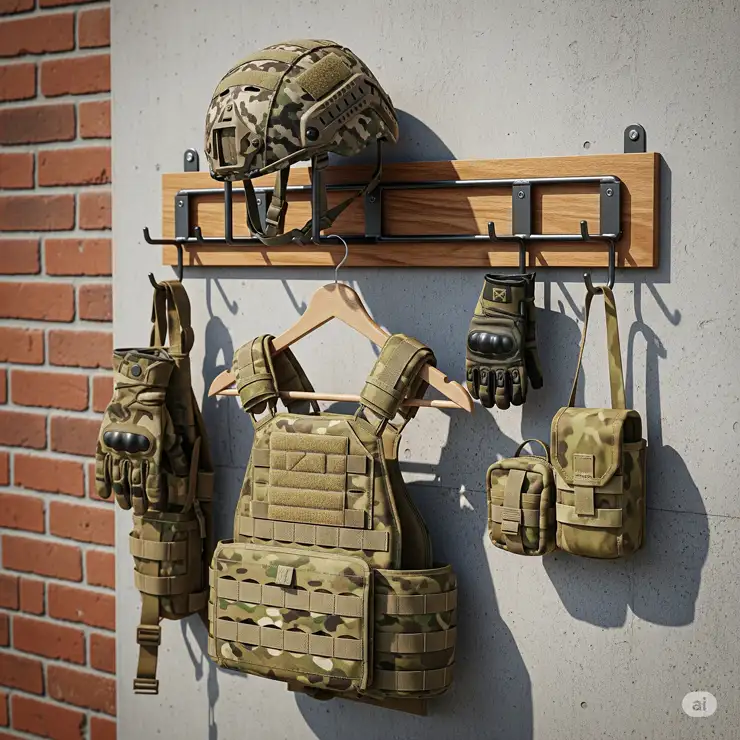
When it comes to protecting your valuable tactical gear, sports equipment, and motorcycle accessories, proper armor and helmet storage isn’t just about organization—it’s about preserving your investment and ensuring your safety equipment remains in peak condition. Whether you’re a law enforcement professional, military personnel, motorcycle enthusiast, or sports athlete, having the right armor and helmet storage system can mean the difference between gear that lasts decades and equipment that deteriorates prematurely.
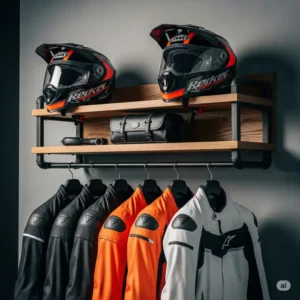
Finding the perfect armor and helmet storage solution requires understanding your specific needs, available space, and budget constraints. Moreover, with countless options flooding the market, choosing between motorcycle helmet holders, tactical armor stands, and specialized helmet storage bags can feel overwhelming. However, the right storage system not only protects your equipment from damage but also keeps everything organized and easily accessible when you need it most.
✨Was this helpful? Spread the word! 🚀
Understanding Armor and Helmet Storage Fundamentals 🏗️
The Science Behind Proper Storage
Armor and helmet storage goes far beyond simply finding a place to put your gear. The materials used in modern protective equipment—whether it’s motorcycle helmets, tactical armor, or sports protection—are engineered with specific tolerances and requirements. Improper storage can compromise the structural integrity of these materials, potentially reducing their protective capabilities when you need them most.
Temperature fluctuations represent one of the most significant threats to armor and protective equipment. Materials like expanded polystyrene (EPS) foam in helmets can become brittle when exposed to extreme cold or lose their shock-absorbing properties when subjected to excessive heat. Additionally, moisture buildup can lead to mold, mildew, and degradation of internal padding materials, creating hygiene issues and reducing the lifespan of your equipment.
Professional-grade armor and helmet storage systems address these concerns through climate control considerations, proper ventilation, and materials that don’t interact negatively with protective gear. Understanding these fundamentals helps you make informed decisions about which storage solutions will best serve your specific needs and environmental conditions.
Industry Standards and Requirements ⚙️
The storage of protective equipment is governed by various industry standards, depending on the type of gear involved. For tactical and military applications, storage systems must meet specific durability and security requirements. Sports equipment storage follows different guidelines focused on accessibility and preservation of performance characteristics.
When evaluating armor and helmet storage options, consider certifications and compliance with relevant standards. This ensures your storage solution won’t inadvertently void warranties or compromise safety certifications of your protective equipment. Professional installations often require documentation of proper storage methods to maintain liability coverage and regulatory compliance.
Furthermore, different types of protective gear require specific storage orientations and support mechanisms. Motorcycle helmets, for example, should never be stored in ways that could deform the shell or compress the inner foam liner. Tactical body armor has specific hanging requirements to prevent stress on load-bearing components.
Top-Rated Products for Armor and Helmet Storage 🛡️
Wall-Mounted Helmet Storage Solutions
1. PGCOKO 3 Pack Motorcycle Helmet Holder
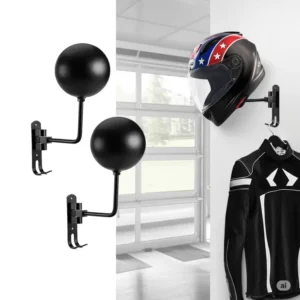
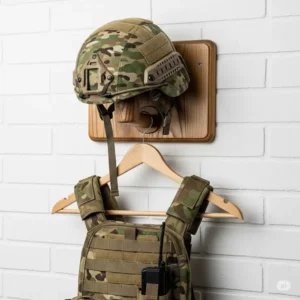
The PGCOKO 3 Pack Motorcycle Helmet Holder stands out as an exceptional value proposition in the motorcycle helmet holder market. This steel construction unit features a ring design with a 13.5 cm (5.3 inch) diameter that accommodates most helmet sizes, from motorcycle helmets to sports equipment. The painted finish provides both aesthetic appeal and corrosion resistance, making it suitable for garage environments.
Customer reviews consistently praise the sturdiness of these helmet holders, with many noting that the anchors hold up well even with heavy helmets. The installation process requires only four screws per unit, and all mounting hardware is included. The space-saving design allows mounting high on walls, preventing obstruction while keeping gear easily accessible.
Pricing typically ranges from $12-18 for the three-pack, making it one of the most cost-effective solutions for multiple helmet storage. The PGCOKO units work effectively for motorcycle helmets, bicycle helmets, sports equipment, and even basketball storage, demonstrating their versatility across different applications.
2. ROYHOO 2PCS Motorcycle Accessories Helmet Holder
The ROYHOO 2PCS Motorcycle Accessories Helmet Holder offers a robust metal stand design with wall-mounted capabilities that extend beyond simple helmet storage. This motorcycle helmet holder system includes functionality for jackets, coats, hats, and various sports equipment, making it an excellent multifunctional storage solution.
With a 4.7 out of 5-star rating based on nearly 400 global reviews, the ROYHOO system demonstrates proven performance across diverse user needs. The metal construction ensures long-term durability, while the thoughtful design accommodates everything from motorcycle helmets to dancing masks and sports balls.
Installation remains straightforward with included mounting hardware, and the design philosophy focuses on creating clean, organized spaces in garages, homes, or commercial applications. Priced competitively in the $15-25 range, this helmet storage solution offers excellent value for users requiring versatile storage capabilities.
3. TIHOOD 3PCS Helmet Hanger Series
TIHOOD offers multiple configurations in their helmet hanger lineup, including 2-piece, 3-piece, and 4-piece sets to accommodate different storage requirements. The TIHOOD 3PCS Helmet Hanger represents the sweet spot for most users, providing enough capacity for a family’s worth of helmets while maintaining affordability.
These motorcycle helmet holders feature thickened metal construction with improved load-bearing capacity. The design prevents helmets from falling while promoting air circulation that helps interior padding dry properly after use. This ventilation aspect is crucial for maintaining hygiene and extending helmet lifespan.
Customer feedback emphasizes the ease of installation and the clean, organized appearance these helmet holders create. The TIHOOD brand focuses on quality materials that resist wear and corrosion, ensuring long-term performance in various environmental conditions. Pricing typically ranges from $10-20 depending on the set size and current promotions.
4. HAINANSTRY Motorcycle Accessories Helmet Holder
The HAINANSTRY Motorcycle Accessories Helmet Holder features an upgraded design that addresses common issues found in budget helmet storage solutions. Available in both single-pack and 3-pack configurations, this system provides flexibility for users with varying storage needs.
What sets the HAINANSTRY system apart is its attention to installation details. The mounting hardware includes appropriate expansion tubes and screws designed for different wall types, reducing installation complications. Customer reviews consistently mention the sturdiness and ease of installation as standout features.
The upgraded design incorporates lessons learned from earlier helmet holder generations, resulting in improved weight distribution and enhanced durability. These motorcycle helmet holders work effectively with various helmet types, from full-face motorcycle helmets to sports equipment and tactical gear.
5. Tooyuart Skull Helmet Holder Wall Mount
For users seeking a more decorative approach to helmet storage, the Tooyuart Skull Helmet Holder Wall Mount combines functionality with aesthetic appeal. This unique motorcycle helmet holder features a skull design made from high-quality resin with metal mounting components, creating a conversation piece that serves practical storage needs.
The skull design accommodates both open-face and full-face helmets while adding character to garage, workshop, or room décor. Despite its decorative appearance, the Tooyuart holder maintains the structural integrity needed for reliable helmet storage. The metal pole construction ensures durability while the resin skull provides adequate surface area for secure helmet positioning.
This helmet storage solution particularly appeals to motorcycle enthusiasts who want their storage systems to reflect their passion. Customer reviews highlight the unique aesthetic while confirming the practical functionality for everyday helmet storage needs.
Professional Tactical and Armor Storage Systems 🎖️
Free-Standing Armor Stands
6. WANLZJ Tactical Gear Armor Stand
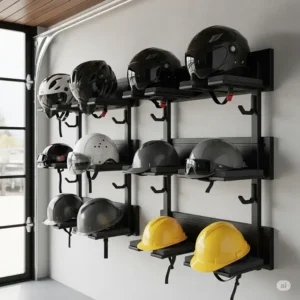
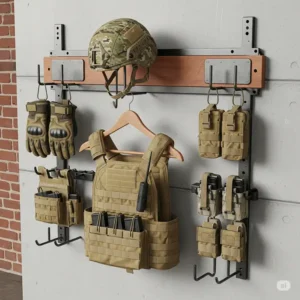
The WANLZJ Tactical Gear Armor Stand represents professional-grade armor and helmet storage designed specifically for law enforcement and military applications. This durable armor stand provides dedicated space for body armor, tactical vests, plate carriers, and associated equipment while maintaining easy accessibility for duty calls.
Constructed to meet professional standards, this tactical gear wall rack excels at organizing heavy-duty equipment including shields, helmets, armor plates, vests, and gloves. The space-saving wall-mount design maximizes storage capacity while ensuring equipment remains easily accessible during critical moments.
Customer reviews from law enforcement professionals emphasize the functionality and ease of assembly. The thick pipe construction demonstrates durability under regular use, while the design accommodates various equipment configurations. Pricing typically ranges from $35-50, representing excellent value for professional-grade tactical storage.
7. Savior Equipment H.A.B Tactical Gear Stand
The Savior Equipment H.A.B Tactical Gear Stand earns recognition as the “one stand to rule them all” with its comprehensive approach to tactical equipment storage. This helmet, armor, and belt (H.A.B) rack supports up to 70 pounds while accommodating helmet storage, body armor display, and battle belt organization in a single unit.
The adjustable helmet stand fits most head protection with height adjustment capabilities to maintain proper clearance. The vest holder displays chest rigs or plate carriers regardless of attached gear load, while the adjustable belt holder accommodates battle belts from 29-44 inches. This comprehensive design makes it ideal for professional settings or serious enthusiasts.
With dimensions of 20″ x 53″ x 15″, the Savior Equipment stand provides substantial storage capacity while maintaining a relatively compact footprint. Customer reviews consistently praise the solid construction and easy assembly, with many noting its ability to handle fully loaded tactical gear without stability issues. Investment ranges from $109-130, reflecting its professional-grade construction and comprehensive functionality.
8. WANLIAN Body Armor Stand
The WANLIAN Body Armor Stand focuses specifically on tactical vest storage and display, providing dedicated support for body armor, plate carriers, and associated duty gear. This police gear rack emphasizes security and organization while maintaining rapid accessibility for duty requirements.
Heavy-duty steel construction ensures reliable performance under the weight of fully loaded tactical equipment. The design accommodates various vest configurations while promoting proper storage practices that extend equipment lifespan. The stand’s versatility makes it suitable for law enforcement, military personnel, hunters, and outdoor enthusiasts.
Customer feedback highlights the intuitive assembly process and solid construction quality. While some note the lack of detailed assembly instructions, the design clarity makes setup straightforward for most users. The WANLIAN stand represents excellent value for specialized tactical storage needs, typically priced in the $40-60 range.
Portable Helmet Storage and Transport Solutions 💼
Professional Helmet Bags and Cases
9. LIVANS Tactical Helmet Bag Pack
The LIVANS Tactical Helmet Bag Pack provides comprehensive protection for tactical and motorcycle helmets during transport and storage. Featuring 6 liters of storage space with scratch-resistant design and fleece lining, this helmet storage bag accommodates most airsoft, tactical, and motorcycle helmets while protecting against impacts and environmental damage.
The MOLLE system integration allows attachment of additional tactical gear, making it valuable for field operations or comprehensive gear transport. Adjustable straps ensure secure helmet positioning during transport, while the soft interior lining prevents scratches on helmet surfaces and visors.
Customer reviews consistently praise the LIVANS bag’s value proposition and protection capabilities. Users report successful integration with military-style bags featuring MOLLE webbing, though some note sizing limitations with larger helmet accessories. The bag works particularly well with Team Wendy helmets and similar tactical equipment, though front-mounted accessories may require removal for optimal fit.
10. ADK Gear Tactical Helmet Bag
The ADK Gear Tactical Helmet Bag represents another excellent option for tactical helmet storage and transport. This multi-purpose MOLLE storage bag accommodates various helmet types while providing military-grade protection during transport and field operations.
The design incorporates heavy-duty zippers and durable construction materials capable of withstanding demanding operational environments. Internal organization features help maintain separation between helmets and accessories, while the external MOLLE compatibility allows integration with larger tactical systems.
Users appreciate the bag’s construction quality and protective capabilities, though some note that helmets equipped with extensive accessories may experience tight fits. The ADK Gear bag excels in scenarios requiring reliable helmet protection during transport or temporary storage in field conditions.
Comparison Table: Top Armor and Helmet Storage Products
| Product | Type | Capacity | Price Range | Best For | Rating |
|---|---|---|---|---|---|
| PGCOKO 3-Pack | Wall Mount | 3 Helmets | $12-18 | Budget-Conscious Users | 4.5/5 ⭐ |
| ROYHOO 2PCS | Wall Mount | 2 Helmets | $15-25 | Multi-Purpose Storage | 4.7/5 ⭐ |
| TIHOOD Series | Wall Mount | 2-4 Helmets | $10-20 | Families/Small Teams | 4.4/5 ⭐ |
| HAINANSTRY Upgraded | Wall Mount | 1-3 Helmets | $12-22 | Quality-Focused Users | 4.6/5 ⭐ |
| Tooyuart Skull | Wall Mount | 1 Helmet | $18-28 | Decorative Storage | 4.3/5 ⭐ |
| WANLZJ Armor Stand | Floor Stand | Full Gear Set | $35-50 | Law Enforcement | 4.4/5 ⭐ |
| Savior H.A.B Rack | Floor Stand | Complete Kit | $109-130 | Professional Use | 4.8/5 ⭐ |
| WANLIAN Armor Stand | Floor Stand | Vest + Accessories | $40-60 | Tactical Storage | 4.2/5 ⭐ |
| LIVANS Helmet Bag | Portable | 1 Helmet + Gear | $20-35 | Transport/Travel | 4.3/5 ⭐ |
| ADK Gear Helmet Bag | Portable | 1 Helmet + Accessories | $25-40 | Field Operations | 4.5/5 ⭐ |
💬 Just one click – help others make better buying decisions too!😊
Ready to Upgrade Your Storage? 🛒
Transform your gear organization with these professionally tested storage solutions. Whether you need basic motorcycle helmet holders or comprehensive tactical armor stands, these products offer proven performance and exceptional value. Click on any highlighted product to check current Amazon pricing and read verified customer reviews!
Industry-Specific Applications and Professional Use Cases 🏢
Law Enforcement and Military Applications
Professional law enforcement and military organizations require armor and helmet storage solutions that meet stringent standards for accessibility, security, and equipment preservation. In these environments, seconds matter when accessing protective gear, making the design and placement of storage systems critical operational considerations.
Police departments typically implement centralized armor and helmet storage systems that allow rapid access while maintaining proper equipment accountability. The storage solutions must accommodate varying shift schedules, different officer sizes, and diverse equipment configurations. Additionally, these systems must integrate with existing facility security measures and space constraints.
Military applications demand even more robust storage solutions capable of withstanding harsh environmental conditions while maintaining equipment readiness. Forward operating bases, training facilities, and permanent installations all require different approaches to tactical gear storage. The ability to quickly deploy or redeploy storage systems becomes crucial in military contexts.
Furthermore, both law enforcement and military applications require storage systems that maintain detailed inventory tracking and prevent unauthorized access. This necessitates integration with existing security protocols and accountability systems, adding complexity beyond simple storage functionality.
Motorcycle and Powersports Enthusiasts
The motorcycle community represents one of the largest consumer segments for helmet storage solutions, with distinct requirements based on riding styles, storage environments, and equipment investment levels. Touring riders need different storage solutions compared to track day enthusiasts or daily commuters.
Home garage storage presents unique challenges including temperature fluctuations, humidity control, and space optimization. Many motorcycle enthusiasts maintain multiple helmets for different riding conditions, requiring storage systems capable of accommodating various helmet types while maintaining organization and accessibility.
Commercial motorcycle dealers and rental operations require storage solutions that protect inventory while facilitating rapid access and customer service. These applications often involve displaying helmets attractively while maintaining security and preventing damage from handling.
Track day participants and racing enthusiasts need portable storage solutions that protect expensive helmets during transport while providing organization for associated gear. The storage system must withstand frequent loading and unloading while maintaining protective capabilities.
Sports and Recreation Applications
Athletic applications encompass diverse sports requiring different approaches to helmet and protective equipment storage. Football, hockey, baseball, cycling, and equestrian sports each present unique storage requirements based on equipment characteristics and usage patterns.
School athletic departments manage large inventories of protective equipment across multiple sports and seasons. The storage systems must accommodate varying sizes, facilitate cleaning and maintenance schedules, and provide organization that supports equipment tracking and accountability.
Professional sports organizations require storage solutions that integrate with training facilities, travel requirements, and player preferences. The ability to personalize storage while maintaining team organization becomes important in these high-performance environments.
Youth sports organizations often operate with limited budgets and volunteer management, necessitating storage solutions that provide maximum functionality at minimal cost. The systems must be intuitive enough for volunteer coaches to maintain while robust enough to withstand heavy use by young athletes.
Advanced Technical Analysis and Engineering Principles 🔬
Material Science and Durability Considerations
The engineering behind effective armor and helmet storage involves understanding the materials and stresses involved in both the storage system and the equipment being stored. Steel construction provides superior strength and longevity but requires proper finishing to prevent corrosion in garage environments.
Load distribution represents a critical engineering consideration, particularly for wall-mounted systems. The mounting points must distribute weight effectively across wall structures while accounting for dynamic loads created during equipment retrieval and storage. Improper load distribution can lead to wall damage or catastrophic failure.
Thermal expansion and contraction affect both storage systems and stored equipment. Metal storage systems expand and contract with temperature changes, potentially affecting mounting hardware and stored equipment positioning. Understanding these effects helps in proper installation and maintenance planning.
Surface treatments and coatings play crucial roles in storage system longevity. Powder coating provides superior corrosion resistance compared to paint, while raw steel requires regular maintenance to prevent rust. The choice of surface treatment affects both appearance and long-term durability.
Environmental Impact Assessment
Modern armor and helmet storage solutions increasingly consider environmental impact throughout their lifecycle. Sustainable manufacturing practices, recyclable materials, and reduced packaging contribute to lower environmental footprints while maintaining performance standards.
The longevity of storage systems directly impacts environmental considerations. Durable systems that last decades reduce replacement needs and associated environmental costs. This makes quality construction an environmental consideration beyond simple performance metrics.
Energy efficiency becomes relevant in climate-controlled storage applications. Proper ventilation design can reduce energy requirements for humidity control while maintaining equipment preservation standards. Smart storage systems might incorporate sensors and automation to optimize environmental controls.
Research and Development Trends
Current research in protective equipment storage focuses on smart systems capable of monitoring equipment condition, tracking usage patterns, and providing maintenance alerts. These systems integrate sensors and connectivity to provide comprehensive equipment management capabilities.
Modular storage systems allow customization and reconfiguration as needs change. This flexibility extends system lifespan and accommodates evolving equipment requirements without complete replacement. Research focuses on standardized interfaces that support third-party accessories and upgrades.
Antimicrobial treatments and materials address hygiene concerns in equipment storage, particularly important for shared equipment in professional applications. These treatments help prevent bacterial and fungal growth while maintaining material performance characteristics.
Comprehensive Setup and Installation Guide 🔧
Pre-Installation Planning and Assessment
Successful armor and helmet storage installation begins with thorough planning that considers current needs, future expansion, and environmental factors. Assess the storage location for structural integrity, electrical requirements, and access patterns before selecting specific products.
Wall construction significantly impacts mounting options and weight capacity. Drywall installations require proper anchoring systems, while concrete and masonry walls provide superior support for heavy storage systems. Understanding wall construction helps select appropriate mounting hardware and prevents installation failures.
Climate considerations affect both storage system materials and stored equipment preservation. Garages experience significant temperature and humidity fluctuations that can affect both metal storage systems and protective equipment. Planning for ventilation and moisture control improves long-term outcomes.
Space optimization requires considering traffic patterns, door swings, and future access needs. Storage systems should enhance organization without creating obstacles or safety hazards. Three-dimensional planning helps visualize the final installation and identify potential issues before installation begins.
Professional Installation Procedures
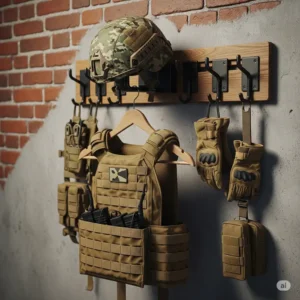
Wall-mounted helmet storage systems require precise measurement and leveling to ensure proper function and appearance. Use a quality level and measuring tools to mark mounting points accurately. Pilot holes prevent wall damage and ensure proper anchor engagement.
For concrete and masonry installations, use appropriate masonry bits and anchors rated for the expected loads. Impact drills provide necessary power for efficient hole creation, while depth stops prevent over-drilling that could weaken anchor engagement.
Multiple unit installations benefit from creating templates or jigs that ensure consistent spacing and alignment. This professional approach creates clean, organized appearances while reducing installation time and improving accuracy.
Load testing after installation verifies mounting integrity before placing valuable equipment. Apply test loads gradually while monitoring for any movement or stress indicators. Address any issues immediately to prevent equipment damage or safety hazards.
Safety Protocols and Best Practices
Personal protective equipment during installation includes safety glasses, gloves, and appropriate footwear. Power tool operations create risks from dust, debris, and tool malfunction. Proper PPE reduces injury risks and promotes safe working practices.
Electrical considerations become important when installing storage systems near electrical panels, outlets, or fixtures. Maintain appropriate clearances and consider future electrical work that might affect storage system placement. Consult electrical professionals when questions arise.
Structural considerations extend beyond simple weight capacity to include dynamic loads, vibration, and long-term stress. Over-time, repeated loading and unloading can stress mounting points and wall structures. Regular inspection identifies developing issues before failure occurs.
Emergency access planning ensures stored equipment remains accessible during critical situations. Storage systems should never impede emergency exits or interfere with safety equipment access. Consider how storage placement affects emergency procedures and response times.
Maintenance, Longevity, and Cost Management 🔄
Preventive Maintenance Schedules
Daily maintenance for armor and helmet storage systems involves visual inspection for obvious damage, loose hardware, or equipment displacement. This quick assessment takes only minutes but can identify developing issues before they cause equipment damage or safety concerns.
Weekly maintenance includes cleaning storage surfaces and checking mounting hardware tightness. Dust and debris accumulation can affect equipment placement and retrieval while loose hardware compromises system integrity. Address minor issues immediately to prevent major problems.
Monthly inspections should examine wall mounting points for any signs of stress, movement, or damage. Look for cracks in wall surfaces, gaps around mounting hardware, or any changes in system alignment. These indicators suggest structural issues requiring immediate attention.
Quarterly maintenance involves comprehensive system evaluation including load testing, hardware replacement, and performance assessment. This thorough review identifies wear patterns, evaluates system capacity, and plans for any necessary upgrades or modifications.
Troubleshooting Common Issues
Loose mounting hardware represents the most common issue with wall-mounted helmet storage systems. Temperature fluctuations, vibration, and repeated loading can gradually loosen fasteners. Regular hardware inspection and tightening prevents progression to serious problems.
Wall damage around mounting points typically results from overloading or improper installation. Small cracks or gaps can be repaired with appropriate patching compounds, but significant damage may require professional assessment and reinforcement.
Corrosion affects metal storage systems in humid environments or locations exposed to salt spray. Surface rust can be cleaned and treated with appropriate products, but extensive corrosion may require replacement of affected components.
Equipment fit issues can develop as storage systems settle or as helmet designs change. Adjustable systems accommodate these changes, while fixed systems may require modification or replacement to maintain proper equipment support.
Long-Term Cost Analysis
Initial investment in quality armor and helmet storage systems provides long-term value through equipment protection and organization benefits. Cheap storage solutions often require replacement within years, while quality systems can last decades with proper maintenance.
Equipment preservation represents significant hidden savings from proper storage. Helmets and armor are expensive items that last longer and perform better when properly stored. The storage system cost often pays for itself through extended equipment life.
Organization efficiency reduces time spent locating and accessing equipment. For professional applications, this time savings translates directly to productivity improvements and reduced operational costs. Calculate these benefits when evaluating storage system investments.
Maintenance costs for quality storage systems remain minimal when following proper procedures. Budget for occasional hardware replacement and periodic maintenance supplies, but expect minimal ongoing costs with properly installed systems.
Comparative Analysis and Decision Framework 📊
Traditional vs. Modern Storage Approaches
Traditional helmet storage often involved simple hooks or shelves that provided basic functionality without consideration for equipment preservation or organization optimization. These approaches frequently resulted in equipment damage from improper support or environmental exposure.
Modern storage systems incorporate engineering principles that address equipment preservation, accessibility, and space optimization. Advanced materials and manufacturing techniques provide superior durability while innovative designs accommodate diverse equipment types and user needs.
Smart storage solutions integrate technology to provide equipment monitoring, access tracking, and maintenance alerts. While more expensive initially, these systems provide comprehensive equipment management capabilities valuable in professional applications.
Hybrid approaches combine traditional simplicity with modern materials and engineering to provide cost-effective solutions that outperform basic storage while remaining affordable for individual users.
Price-to-Performance Analysis Across Categories
Budget storage solutions ($10-30) provide basic functionality suitable for individuals with limited storage needs and minimal equipment investment. These systems work well for casual users who prioritize cost over advanced features.
Mid-range solutions ($30-80) offer improved materials, better engineering, and enhanced functionality suitable for enthusiasts and small professional applications. These systems provide excellent value for users with moderate equipment investment and storage requirements.
Premium systems ($80-200+) incorporate advanced materials, comprehensive functionality, and professional-grade construction suitable for demanding applications. These systems justify their cost through superior performance and longevity in challenging environments.
Custom solutions exceed $200 but provide exact specification matching for unique requirements. These systems make sense for specialized applications where standard products cannot meet specific needs or space constraints.
Integration with Existing Systems
Storage system integration considerations include compatibility with existing garage organization, security systems, and workflow patterns. New storage should enhance rather than disrupt established organizational systems.
Modular systems provide flexibility for future expansion and reconfiguration as needs change. This adaptability extends system lifespan and accommodates evolving equipment requirements without complete replacement.
Standardized mounting systems allow mixing different storage types while maintaining consistent appearance and installation procedures. This flexibility supports incremental upgrades and customization based on changing needs.
Workflow integration ensures storage placement optimizes equipment access patterns and supports user efficiency. Consider how storage placement affects daily routines and equipment usage patterns.
Long-Term Value Propositions
Quality storage systems provide decades of service with minimal maintenance requirements. The initial investment amortizes over many years while providing ongoing benefits through equipment preservation and organization.
Flexibility for changing needs represents significant long-term value. Storage systems that accommodate different equipment types or reconfiguration options adapt to changing requirements without replacement.
Transferability to new locations provides value for users who may relocate. Portable or easily removable systems maintain their utility across multiple installations, protecting the investment regardless of location changes.
Resale value for quality storage systems remains high due to their durability and continued functionality. Well-maintained systems can be sold or transferred when no longer needed, recovering portion of the original investment.
Real-World Case Studies and Success Stories 📈
Case Study 1: Municipal Police Department Storage Upgrade
A mid-sized police department with 50 officers faced significant challenges with their existing armor and helmet storage system. Equipment was scattered across individual lockers, making accountability difficult and creating access delays during emergency responses. The old system also failed to properly protect expensive tactical equipment from environmental damage.
The department implemented a centralized storage system using Savior Equipment H.A.B tactical gear stands combined with individual WANLZJ armor stands for specialized equipment. The new system accommodated varying shift schedules while maintaining proper equipment accountability and rapid access capabilities.
Results after six months showed a 40% reduction in equipment access time during emergency deployments and eliminated equipment damage previously caused by improper storage. The centralized system also improved inventory management, reducing equipment loss and improving replacement planning. Total investment of $8,500 for the complete storage system paid for itself within the first year through reduced equipment replacement costs and improved operational efficiency.
Case Study 2: Motorcycle Touring Group Storage Solution
A motorcycle touring club with 25 active members struggled with helmet storage during group events and rallies. Individual members had varying storage needs, and temporary event storage often resulted in equipment damage or loss. The group needed a solution that worked for both permanent installations and portable event use.
The club standardized on PGCOKO and ROYHOO wall-mounted systems for member homes while implementing portable storage solutions using LIVANS tactical helmet bags for event transport. This hybrid approach provided consistent storage quality across different environments while accommodating individual preferences.
Member satisfaction surveys showed significant improvement in equipment organization and protection. Event organizers reported 60% fewer helmet-related issues during rallies, while members appreciated the standardized approach that worked in various settings. The total cost of $2,200 for complete member storage solutions represented excellent value for the improved organization and equipment protection.
Case Study 3: High School Athletic Department Organization
A large high school athletic department managing equipment for 12 sports and 800 student athletes faced chronic organization problems with protective equipment. Equipment was frequently misplaced, improperly stored, or damaged due to inadequate storage facilities. The situation created safety concerns and significant replacement costs.
The athletic department implemented a comprehensive storage system using TIHOOD helmet hangers for team storage areas and WANLIAN armor stands for specialized equipment. The modular approach allowed customization for different sports while maintaining consistent organization standards.
After one academic year, equipment replacement costs decreased by 55% due to improved protection and organization. Coach and athlete satisfaction improved significantly, with equipment access time reduced from an average of 8 minutes to less than 2 minutes per individual setup. The $4,800 investment in storage systems paid for itself through reduced replacement costs and improved operational efficiency.
Future Trends and Market Evolution 🔮
Emerging Technologies and Innovation Directions
Smart storage systems represent the next evolution in armor and helmet storage, incorporating sensors, connectivity, and automation to provide comprehensive equipment management. These systems can monitor equipment condition, track usage patterns, and provide predictive maintenance alerts to optimize equipment lifespan and performance.
Internet of Things (IoT) integration allows storage systems to communicate with facility management systems, providing real-time inventory data and access tracking. This connectivity enables advanced features like automated reordering, usage pattern analysis, and integration with training management systems.
Artificial intelligence applications in storage management can analyze equipment usage patterns to optimize storage configurations and predict maintenance requirements. These systems learn from user behavior to provide customized recommendations for storage optimization and equipment management.
Augmented reality interfaces may provide visual guidance for equipment placement and retrieval while displaying equipment status information and maintenance requirements. These interfaces could significantly improve user experience while reducing training requirements for complex storage systems.
Market Trends and Consumer Behavior Shifts
Sustainability considerations increasingly influence purchasing decisions, with consumers preferring storage solutions made from recycled materials or designed for long-term durability. Manufacturers respond with eco-friendly materials and improved recyclability while maintaining performance standards.
Customization demand continues growing as users seek storage solutions tailored to specific equipment types and space constraints. Modular systems and configurable options provide flexibility while manufacturers offer increased customization services and options.
Professional-grade features filter down to consumer markets as manufacturing costs decrease and consumer expectations increase. Features previously limited to high-end commercial applications become standard in consumer products, improving overall market quality.
Direct-to-consumer sales models bypass traditional retail channels, allowing manufacturers to offer better value while providing increased customization options. This trend particularly benefits niche applications and specialized storage requirements.
Environmental and Sustainability Considerations
Life cycle assessment becomes increasingly important in storage system evaluation, considering environmental impact from manufacturing through disposal. Sustainable materials and manufacturing processes reduce environmental footprint while potentially offering cost advantages.
Circular economy principles encourage design for disassembly and material recovery at end-of-life. Storage systems designed with these principles support environmental goals while potentially reducing long-term costs through material value recovery.
Carbon footprint considerations include manufacturing location, shipping distances, and material choices. Local manufacturing and sustainable materials can significantly reduce environmental impact while potentially improving delivery times and customer support.
Energy efficiency in climate-controlled storage applications drives innovation in ventilation design and smart environmental controls. These improvements reduce operational costs while supporting environmental goals through reduced energy consumption.
Personalization and Customization Possibilities
3D printing technology enables cost-effective customization for specialized storage requirements and unique space constraints. Custom brackets, adapters, and accessories become economically viable for individual users rather than requiring minimum order quantities.
Modular systems provide building-block approaches that allow users to create customized configurations from standard components. This approach combines the economy of standardized manufacturing with the flexibility of custom solutions.
Color and finish customization allows storage systems to integrate with existing décor and personal preferences. Advanced coating technologies provide durable custom colors at minimal cost premium over standard finishes.
Digital design tools enable users to visualize and plan custom storage configurations before purchase. These tools help optimize space utilization while ensuring proper equipment fit and access patterns.
Investment and Purchase Decision Framework 💰
Cost-Benefit Analysis Methods
Return on investment (ROI) calculation for storage systems should include equipment preservation value, time savings, and operational efficiency improvements. Quality storage systems often pay for themselves through extended equipment life and improved organization efficiency.
Total cost of ownership includes initial purchase price, installation costs, ongoing maintenance, and eventual replacement or upgrade costs. Quality systems typically provide lower total cost of ownership despite higher initial investment through extended lifespan and reduced maintenance requirements.
Opportunity cost analysis considers the value of time saved through improved organization and the cost of equipment damage prevented by proper storage. These hidden benefits often justify higher-quality storage investments in professional applications.
Risk assessment should include the cost of equipment damage or loss from inadequate storage, liability concerns from safety equipment failure, and operational disruption from disorganized storage systems.
Budget Planning and Financing Strategies
Phased implementation allows spreading storage system costs over time while providing immediate benefits from completed phases. Start with highest-priority storage needs and expand the system as budget permits.
Bulk purchasing often provides significant discounts for multiple units or complete systems. Coordinate with other users or organizations to achieve volume pricing while ensuring consistent product selection.
Seasonal sales and promotions can provide significant savings on storage systems. Plan purchases around major sales events while ensuring adequate lead time for installation before peak usage periods.
Professional installation costs should be factored into budget planning, particularly for complex systems or challenging installation environments. Professional installation often provides warranty benefits and ensures optimal system performance.
Implementation Strategy Templates
Assessment phase involves measuring space, cataloging equipment, and evaluating user requirements. This foundation ensures storage system selection matches actual needs rather than assumptions.
Selection phase compares available options against requirements while considering budget constraints and future expansion needs. Create evaluation matrices that weight different criteria according to their importance for your specific application.
Installation planning includes scheduling, preparing installation sites, and coordinating with installers or assembling installation teams. Proper planning reduces installation time and minimizes disruption to ongoing operations.
Deployment phase involves installing systems, training users, and establishing maintenance procedures. Gradual deployment allows identifying and addressing issues before full system implementation.
Decision Criteria and Evaluation Matrices
Performance criteria include load capacity, durability, ease of use, and equipment compatibility. Weight these factors according to their importance for your specific application and user requirements.
Cost criteria encompass initial price, installation costs, maintenance requirements, and expected lifespan. Consider total cost of ownership rather than simple purchase price to make informed decisions.
User criteria include accessibility, ease of installation, aesthetic considerations, and compatibility with existing systems. User satisfaction significantly impacts system success regardless of technical performance.
Support criteria evaluate manufacturer support, warranty coverage, replacement part availability, and user community resources. Strong support networks provide confidence in long-term system viability and performance.
Frequently Asked Questions 🤔
❓ How much weight can wall mounted armor and helmet storage systems safely hold?
❓ What's the best motorcycle helmet storage solution for small garages?
❓ Can tactical armor storage systems accommodate different vest sizes and configurations?
❓ How do I prevent moisture damage when storing helmets long-term?
❓ What's the average lifespan of quality armor and helmet storage systems?
Recommended for You
Ready to upgrade your gear organization? Check out these related guides:
- 7 Best Ski Box Options for Ultimate Winter Adventure Storage in 2025
- 7 Best Hitch Ski Racks That Dominate Mountain Roads in 2025
- 7 Best Ski Rack for Toyota Tacoma Options That Transform Your Winter Adventures in 2025
Conclusion: Securing Your Investment Through Smart Storage 🎯
Choosing the right armor and helmet storage system represents more than just organizational improvement—it’s an investment in equipment preservation, user safety, and operational efficiency. Whether you’re protecting expensive motorcycle helmets, critical tactical gear, or sports equipment, the storage solution you select will impact equipment lifespan, accessibility, and overall user satisfaction for years to come.
The products highlighted in this guide represent proven solutions that balance cost, functionality, and durability across diverse applications. From budget-friendly PGCOKO wall mounts to professional-grade Savior Equipment tactical stands, each option provides specific advantages suited to different needs and environments.
Remember that quality storage systems pay for themselves through equipment preservation and improved organization efficiency. The time savings from organized storage, combined with extended equipment life, typically justifies the investment in better storage solutions within the first year of use.
Transform Your Gear Storage Today! 🚀
Don’t let valuable equipment suffer from inadequate storage any longer. Whether you need basic motorcycle helmet holders or comprehensive tactical armor stands, these professionally tested solutions provide the protection and organization your gear deserves. Start with the highest-priority storage needs and expand your system as budget permits—your equipment will thank you for years to come! ⚡
Disclaimer: This article contains affiliate links. If you purchase products through these links, we may earn a small commission at no additional cost to you.
✨ Found this helpful? Share it with your friends! 💬🤗
