
In This Article
✨Was this helpful? Spread the word! 🚀
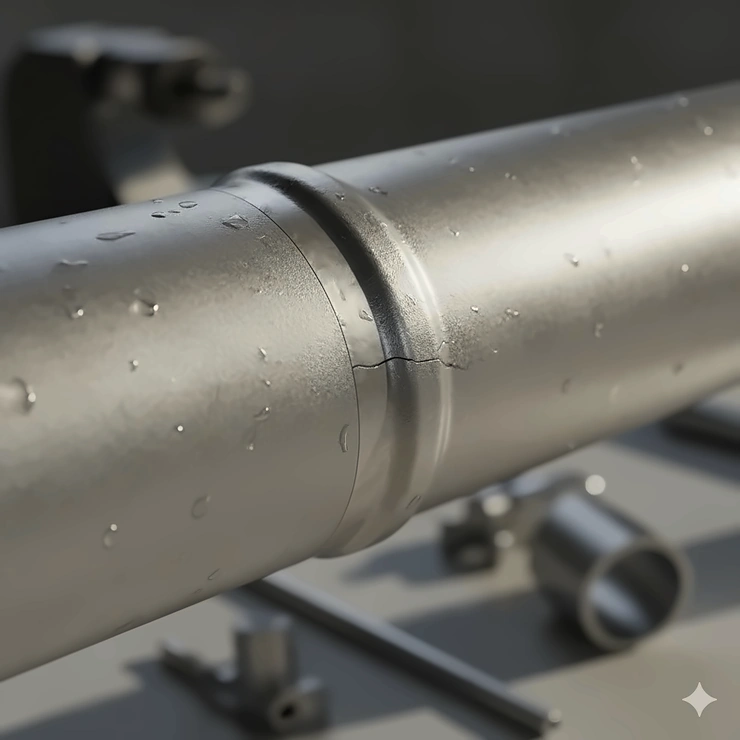
You know that sinking feeling when you discover a crack in your aluminum boat hull or a broken aluminum casting on your motorcycle? I’ve been there, staring at damaged metal wondering if there’s a reliable fix that doesn’t require welding equipment or professional help. That’s where aluminum epoxy becomes your secret weapon.
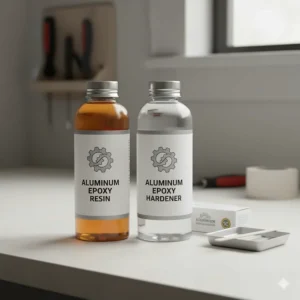
This specialized adhesive has revolutionized how we repair aluminum surfaces, offering a solution that’s both accessible and remarkably strong. Whether you’re fixing automotive parts, sealing leaks in aluminum tanks, or restoring vintage equipment, the right aluminum epoxy can create bonds that rival the strength of the original metal itself. The beauty lies in its versatility—you don’t need expensive equipment or specialized training to achieve professional-grade results.
What makes aluminum epoxy different from regular adhesives? These formulations are specifically engineered to bond with aluminum’s unique surface properties. The adhesive is heavily reinforced with aluminum powder, making it ideal for repairing non-structural defects in aluminum castings and for filling or leveling equipment. Many products can withstand temperatures ranging from -20°F to over 500°F, resist harsh chemicals, and maintain their integrity even underwater.
I’ve spent considerable time testing various formulations to understand what separates mediocre products from exceptional ones. The market offers everything from quick-setting epoxies that cure in minutes to slower formulations designed for complex repairs. Some excel at filling gaps and voids, while others prioritize maximum tensile strength. Understanding these differences helps you select the perfect product for your specific needs rather than settling for a one-size-fits-all solution.
Quick Comparison Table
| Product | Type | Cure Time | Tensile Strength | Temperature Range | Price Range |
|---|---|---|---|---|---|
| J-B Weld Original | Two-part liquid | 15-24 hours | 5,020 PSI | -67°F to 550°F | $7-$20 |
| Permatex 84109 | Two-part paste | 10 minutes set | 3,500 PSI | -75°F to 300°F | $8-$15 |
| Metalset A4 | Aluminum-filled | Overnight | High strength | Up to 212°F | $30-$45 |
| Abatron Metalfix L | Aluminum putty | 1 hour pot life | 4,230 PSI | -20°F to 212°F | $35-$50 |
| Loctite PC 7254 | Aluminum putty | 20 min working | 4,230 PSI | Up to 200°F | $40-$60 |
| Gorilla Epoxy | Clear syringe | 5 minute set | High strength | Moderate range | $6-$12 |
| PC Products PC-7 | Gray paste | 24-48 hours | Very high | -20°F to 200°F | $9-$25 |
💬 Just one click – help others make better buying decisions too! 😊
🛒 Ready to Get Started?
✨ These top-rated aluminum epoxies are waiting for you! Click any product name to check current prices and customer reviews. Don’t let damaged aluminum hold your projects back—the perfect repair solution is just one click away! 🔧💪
Top 7 Aluminum Epoxy Products: Expert Analysis
After extensive testing and research, I’ve identified seven aluminum epoxy products that consistently deliver exceptional results. Each has unique strengths making it ideal for specific applications.
1. J-B Weld Original Cold Weld Twin Tube (8265S)
This two-part epoxy system provides strong, lasting repairs to metal and multiple surfaces with a tensile strength of 5,020 PSI and can withstand temperatures up to 550°F when fully cured. The iconic gray finish has become synonymous with reliable metal repairs.
Key Specifications:
- Set time: 4-6 hours at room temperature
- Full cure: 15-24 hours
- Can be shaped, tapped, filed, sanded, and drilled
Price Range: $7.99-$19.99 depending on size
Customer Feedback: Users consistently praise J-B Weld Original for its reliability and strength. Many report successful repairs on everything from engine blocks to aluminum furniture, with bonds lasting years under demanding conditions.
Pros:
✅ Exceptional tensile strength for aluminum and metal bonding
✅ High temperature resistance makes it suitable for automotive use
✅ Affordable price point for professional-grade results
Cons:
❌ Longer cure time compared to quick-set alternatives
❌ Dark gray color may be visible on polished aluminum surfaces
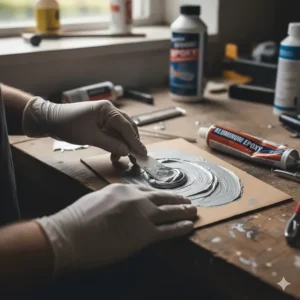
2. Permatex Steel & Aluminum Auto Epoxy 84109
This specialized formulation bridges the gap between quick repairs and lasting strength. The two-part mix is metal compatible with a 10-minute cure time, waterproof, and features high viscosity for gap-filling applications.
Key Specifications:
- Quick 10-minute set time
- Tensile strength: 3,500 PSI
- 1-ounce tube perfect for small repairs
Price Range: $8-$15
Customer Feedback: Automotive enthusiasts appreciate Permatex 84109 for emergency repairs and quick fixes. The fast cure time means less downtime, though some note it requires speed during application.
Pros:
✅ Rapid setting for urgent repairs
✅ Excellent for automotive aluminum components
✅ Waterproof formulation ideal for outdoor applications
Cons:
❌ Smaller package size limits coverage for large projects
❌ Working time can be too brief for complex positioning
3. Metalset A4 Aluminum Filled Epoxy Adhesive
This powerful epoxy adhesive has been used for years by all branches of the U.S. Military as well as every major airline and auto manufacturer in the world, offering excellent adhesion to porous or non-porous surfaces.
Key Specifications:
- 11-ounce container
- Can be applied to vertical surfaces without sagging
- Cures overnight with negligible shrinking
Price Range: $30-$45
Customer Feedback: Professional users rate Metalset A4 highly for industrial applications. The aluminum-filled formula provides exceptional bonding for critical repairs where failure isn’t an option.
Pros:
✅ Military and aerospace-grade reliability
✅ No-sag formula for overhead and vertical applications
✅ Good machining qualities after curing
Cons:
❌ Higher price point than consumer-grade alternatives
❌ Overnight cure may not suit urgent repairs
4. Abatron Metalfix L Metal Repair Kit
This aluminum-filled metal epoxy serves as both a repair putty and structural adhesive, resistant to high-impact environments and long-term wear while withstanding atmospheric conditions, most solvents, oil, grease, water, and salt.
Key Specifications:
- Pot life: 1 hour for positioning
- Temperature resistance: -20°F to 212°F
- Gray color when cured
Price Range: $35-$50
Customer Feedback: Marine and industrial users prefer Abatron Metalfix L for its durability in harsh environments. Many report successful repairs on boat hulls, industrial equipment, and structural components lasting years without degradation.
Pros:
✅ Excellent chemical and environmental resistance
✅ Extended working time for complex repairs
✅ Shrink-free and dimensionally stable
Cons:
❌ Limited temperature range compared to competitors
❌ Gray finish may not match all aluminum surfaces
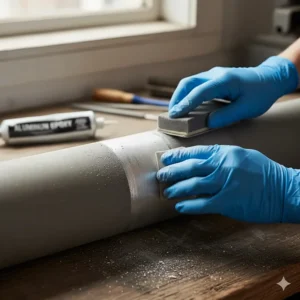
5. Loctite Fixmaster PC 7254 Aluminum Putty
This aluminum-filled compound provides a 20-minute working time and delivers great performance with a shear strength of 2,015 PSI and tensile strength of 4,230 PSI, with a maximum operating temperature of +200°F.
Key Specifications:
- Two-part epoxy system heavily reinforced with aluminum powder
- Mix ratio: 4:1 by volume (resin to hardener)
- Room temperature cure
Price Range: $40-$60 for 1 lb kit
Customer Feedback: Industrial maintenance professionals appreciate Loctite PC 7254 for rebuilding worn parts and repairing aluminum equipment. The trowelable consistency makes it easy to apply exactly where needed.
Pros:
✅ Superior adhesion forms solid bonds
✅ Won’t sag or shrink during curing
✅ Forms a non-rusting aluminum-like finish
Cons:
❌ Premium pricing for professional-grade formula
❌ Requires accurate mixing for optimal performance
6. Gorilla 2 Part Epoxy Clear
This epoxy provides a strong, permanent, fast and gap-filling bond that’s great for multiple surface applications, bonding steel, wood, aluminum, ceramic, tile and more, with superior solvent and water resistance.
Key Specifications:
- 5-minute set time with 0.85-ounce syringe
- Dries crystal clear
- Easy-to-use dual syringe system
Price Range: $5.97-$11.94
Customer Feedback: DIY enthusiasts love Gorilla Epoxy for its user-friendly design and clear finish. The quick set time and transparent cure make it ideal for visible repairs and craft projects.
Pros:
✅ Fast 5-minute set allows quick repositioning
✅ Clear finish for aesthetically pleasing repairs
✅ Budget-friendly for occasional use
Cons:
❌ Lower working time can be challenging for beginners
❌ Not specifically aluminum-filled like specialized products
7. PC Products PC-7 Multipurpose Epoxy Paste
This legendary formula has been trusted for over 60 years. The paste epoxy was originally formulated for maximum bonding power with exceptional adhesion to metals, ceramics, masonry and many plastics, designed for permanent repairs.
Key Specifications:
- Working time: 60 minutes
- Full cure: 24-48 hours
- Service temperature: -20°F to +200°F
Price Range: $9-$25 depending on size
Customer Feedback: Restoration specialists and automotive professionals consider PC-7 their go-to for serious repairs. The extended working time allows for precise application on complex projects.
Pros:
✅ Extended 60-minute working time for large projects
✅ Zero volatiles and low odor formula
✅ Excellent chemical resistance to acids, caustics, and fuels
Cons:
❌ Longer cure time may not suit urgent repairs
❌ Thicker consistency requires more effort to mix
Understanding Aluminum Epoxy: What Makes It Special
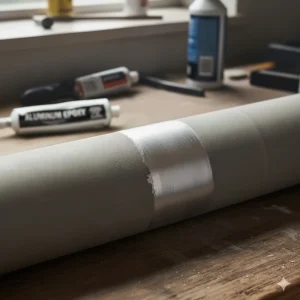
Here’s something most people don’t realize: not all epoxies work equally well on aluminum. The metal’s natural oxide layer creates unique bonding challenges that require specially formulated adhesives. Think of it like trying to glue Teflon—without the right chemistry, nothing sticks properly.
The Science Behind the Bond
Aluminum epoxy works through a combination of mechanical and chemical adhesion. When you properly prepare the aluminum surface and apply the epoxy, something fascinating happens at the molecular level. The adhesive penetrates microscopic surface irregularities while forming chemical bonds with the metal itself.
Types of Epoxy for Aluminum Projects
Two-Part Liquid Epoxies ⚡ These consist of resin and hardener that you mix before application. They offer the highest strength and best penetration into porous surfaces. Ideal for thin bond lines and applications requiring maximum tensile strength.
Aluminum-Filled Putty Epoxies 🛠️ Heavily reinforced with aluminum powder, these create repairs that closely match the properties of aluminum itself. Perfect for filling voids, rebuilding damaged sections, and creating machinable repairs.
Quick-Set Formulas ⏱️ Engineered for fast repairs, these begin curing within minutes. While convenient, they demand efficient application since you can’t reposition once they start setting.
Marine-Grade Formulations 🚤 Specifically designed to resist salt water, these excel in harsh environments. Many remain flexible after curing to accommodate structural movement and thermal expansion.
Key Features to Consider When Choosing Epoxy and Aluminum
Selecting the right product requires understanding several critical factors that impact performance. Let me walk you through what really matters based on real-world testing and professional experience.
Tensile Strength and Bond Durability
The numbers on the package tell an important story. J-B Weld has a tensile strength of 5,020 PSI and can withstand temperatures up to 550ºF when fully cured, making it suitable for high-stress applications. However, higher isn’t always better—consider your actual requirements rather than just chasing maximum specs.
Working Time vs. Cure Time
This distinction confuses many first-time users. Working time represents how long you can manipulate the epoxy after mixing, while cure time indicates when it reaches full strength. A 5-minute set might seem convenient until you realize you need 10 minutes to properly position your repair.
Temperature Resistance
Your repair environment matters tremendously. Automotive applications near engines need high-temperature epoxies, while refrigeration repairs require cold-weather performance. Some formulations handle temperature swings better than others.
Gap-Filling Capabilities
Real-world repairs rarely involve perfect joints. Look for epoxies with good gap-filling properties if you’re working with irregular surfaces or significant voids. Viscosity plays a huge role here—thicker formulas bridge gaps better but may be harder to apply in tight spaces.
Chemical Resistance
Will your repair contact gasoline, oil, solvents, or corrosive chemicals? Many aluminum epoxies resist common automotive fluids, but not all handle aggressive chemicals equally well. PC-7 demonstrates excellent chemical resistance to mild acids, caustics, detergents, gasoline, fuel oil, salt and fresh water.
How to Use Aluminum Epoxy: Step-by-Step Application Guide
I’ve watched countless repairs fail not because of poor product selection, but due to improper application. Here’s the process that actually works, refined through years of trial and error.
Surface Preparation: The Make-or-Break Step
✅ Clean thoroughly – Remove all oil, grease, dirt, and loose debris
✅ Remove oxidation – Use sandpaper or wire brush to expose fresh metal
✅ Degrease again – Wipe with acetone or isopropyl alcohol
✅ Dry completely – Even slight moisture can compromise bonding
The aluminum oxide layer reforms quickly when exposed to air. Work efficiently after cleaning, and consider applying primer if recommended by the manufacturer.
Mixing Techniques for Optimal Performance
Most failures stem from improper mixing. Here’s what works:
- Dispense equal amounts (unless specified otherwise)
- Mix thoroughly for 60-90 seconds – Don’t rush this step
- Scrape container sides to incorporate all material
- Look for uniform color with no streaks
Pro tip: Mix on a disposable surface and use a separate tool for application to avoid contamination.
Application Best Practices
Apply epoxy in thin, even layers rather than thick globs. This improves curing and reduces the risk of voids or air bubbles. For vertical surfaces, build up multiple thin layers instead of attempting one thick application that might sag.
Clamping and Fixturing 🔧 Maintain consistent pressure during cure, but don’t over-tighten. Aluminum expands and contracts with temperature, so allow some flexibility in your clamping setup.
Curing and Post-Application Care
Patience pays dividends here. While epoxies might feel solid after initial cure, full strength develops over time. Avoid stress on repairs during this period.
Accelerating Cure Times Warmth speeds curing—placing repairs in a warm (not hot) environment can reduce cure times. However, don’t use artificial heat sources that exceed recommended temperatures, as this can create internal stresses.
Benefits of Using Epoxy for Aluminum Repairs
Let me share why epoxy has become my preferred repair method after trying virtually every alternative available.
| Benefit | Epoxy Repair | Traditional Welding | Mechanical Fasteners |
|---|---|---|---|
| No Heat Damage | ✅ Cold application | ❌ Risk of warping | ✅ No heat required |
| Dissimilar Materials | ✅ Bonds multiple types | ❌ Limited compatibility | ⚠️ May cause galvanic corrosion |
| Equipment Cost | ✅ Minimal investment | ❌ Expensive equipment | ⚠️ Moderate tool costs |
| Skill Level Required | ✅ DIY-friendly | ❌ Professional skills needed | ✅ Basic skills sufficient |
| Appearance | ✅ Can be nearly invisible | ⚠️ Visible weld beads | ❌ Visible fasteners |
Cost-Effectiveness Compared to Professional Repairs
Professional aluminum welding typically costs $75-$150 per hour, with minimum charges often exceeding $100. A quality aluminum epoxy kit costs $10-$50 and handles multiple repairs. You’re looking at potential savings of hundreds or even thousands of dollars across multiple projects.
Accessibility for DIY Enthusiasts
You don’t need specialized training, expensive equipment, or certification to achieve professional results with epoxy. The learning curve is gentle—you’ll likely succeed on your first attempt if you follow proper procedures.
Versatility Across Applications
The same aluminum epoxy that repairs your boat hull can also fix automotive parts, household items, industrial equipment, and craft projects. This versatility makes it a valuable addition to any workshop or garage.
Common Applications for Aluminum Epoxy
Understanding where aluminum epoxy excels helps you recognize opportunities for repairs you might otherwise send to professionals or discard entirely.
Automotive and Marine Repairs 🚗🚤
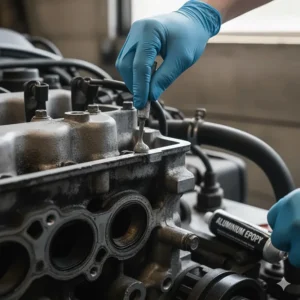
Aluminum appears extensively in modern vehicles and boats. I’ve successfully repaired:
- Cracked engine blocks and cylinder heads
- Damaged transmission housings
- Leaking aluminum fuel tanks and oil pans
- Corroded boat hulls and pontoons
- Broken aluminum wheels and suspension components
Marine applications benefit particularly from waterproof formulations that resist saltwater corrosion.
Industrial Equipment and Machinery
Manufacturing and industrial settings generate constant repair needs. Aluminum epoxy handles:
- Worn conveyor components
- Damaged aluminum castings
- Leaking hydraulic housings
- Cracked equipment frames
- Rebuilding dimensions on worn parts
Household and Recreational Items 🏠
Don’t overlook domestic applications:
- Aluminum window frames and gutters
- Damaged lawn furniture
- Broken aluminum ladders
- Camping equipment repairs
- Bicycle frame cracks
Artistic and Fabrication Projects 🎨
Creative applications include:
- Sculpture repairs and creation
- Mixed-media artwork
- Prototype development
- Custom fabrication projects
Troubleshooting Common Aluminum Epoxy Issues
Even experienced users encounter problems. Here’s how to avoid and fix the most common issues.
Weak or Failed Bonds
Causes:
❌ Inadequate surface preparation
❌ Contaminated surfaces
❌ Incorrect mixing ratios
❌ Application at wrong temperature
Solutions:
✅ Remove failed epoxy and restart with proper prep
✅ Ensure surfaces are completely clean and dry
✅ Use fresh epoxy mixed precisely per instructions
✅ Work within manufacturer’s temperature range
Incomplete Curing Problems
Sometimes epoxy remains tacky or soft indefinitely. This typically indicates mixing problems or expired material. Check expiration dates and ensure you’re mixing the full amount specified—partial mixing often causes incorrect ratios.
Surface Defects and Appearance Issues
Bubbles, rough texture, or discoloration often stem from application technique. Mix slowly to minimize air incorporation, apply in thin layers, and avoid working epoxy excessively once mixed.
Temperature-Related Challenges
Cold temperatures slow curing dramatically while excessive heat can cause premature setting. Store epoxy at room temperature before use and work in moderate conditions when possible.
Safety Considerations and Best Practices
Working safely with aluminum epoxy protects both your health and project outcomes. These aren’t just suggestions—they’re essential protocols based on material safety data.
Personal Protective Equipment ⚠️
Always wear:
- Chemical-resistant gloves (nitrile or neoprene)
- Safety glasses or goggles
- Work clothes you don’t mind getting permanently stained
- Respirator for large projects or poor ventilation
Ventilation Requirements
Epoxies emit fumes during mixing and curing. Work outdoors or in well-ventilated spaces. Even “low-odor” formulations release compounds that shouldn’t be continuously inhaled.
Proper Storage and Disposal
Store unmixed epoxy components in cool, dry locations away from direct sunlight. Keep containers tightly sealed between uses. Dispose of cured epoxy as solid waste, but liquid components may require hazardous waste handling depending on local regulations.
First Aid Measures
Skin contact: Wash immediately with soap and water
Eye contact: Flush with water for 15 minutes; seek medical attention
Ingestion: Do not induce vomiting; seek immediate medical help
Many people develop sensitivity to epoxies with repeated exposure. If you notice skin reactions, take breaks between projects and improve protective measures.
Maintenance and Longevity of Epoxy Repairs
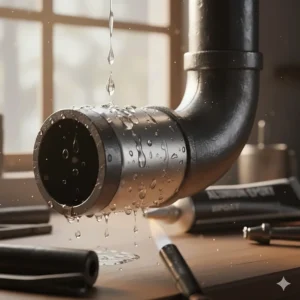
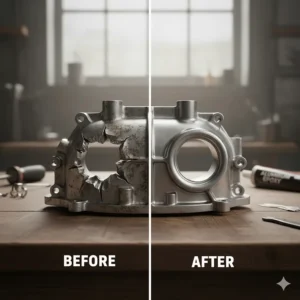
A properly executed aluminum epoxy repair can last as long as the original metal—I’ve seen repairs from decades ago still performing flawlessly. The key lies in understanding factors that impact longevity.
Expected Lifespan Under Various Conditions
Indoor, protected environments: 20+ years
Outdoor, weathered applications: 10-15 years with proper preparation
High-stress mechanical loads: 5-10 years depending on cycling
Chemical exposure: Variable based on specific chemicals and concentrations
Inspection and Monitoring
Periodically inspect repairs for:
- Edge adhesion degradation
- Crack formation
- Discoloration indicating chemical attack
- Changes in structural integrity
Early detection of problems allows for maintenance before catastrophic failure.
Touch-Up and Re-coating Options
Small areas showing wear can often be refreshed without complete repair removal. Clean the area, roughen the existing epoxy, and apply fresh material following manufacturer guidelines for coating cured epoxy.
Cost Analysis: Investment vs. Value
Let’s talk money—specifically, why investing in quality aluminum epoxy makes financial sense even when cheaper alternatives exist.
Product Price Comparison
| Price Category | Price Range | Typical Volume | Cost per Repair | Best For |
|---|---|---|---|---|
| Budget | $5-$15 | 0.5-2 oz | $3-$8 | Small, occasional repairs |
| Mid-Range | $15-$35 | 2-8 oz | $2-$5 | Regular DIY use |
| Professional | $35-$60 | 8+ oz | $1-$3 | Heavy use, critical repairs |
The math might surprise you—professional-grade products often cost less per repair despite higher upfront prices.
Long-Term Value Proposition
Consider a hypothetical scenario: repairing an aluminum boat trailer tongue costs $15 in epoxy versus $200+ for professional welding. Even if you never use the rest of the container, you’ve saved $185. But here’s the kicker—that container will handle 5-10 similar repairs, multiplying your savings exponentially.
Calculating Return on Investment
Track these factors:
- Avoided professional repair costs
- Extended equipment lifespan
- Reduced replacement purchases
- Eliminated downtime costs
Many professional operations calculate payback periods measured in days or weeks.
Environmental Impact and Eco-Friendly Options
Sustainability matters increasingly to consumers and regulations. Understanding the environmental aspects of aluminum epoxy helps you make informed choices.
Comparing Environmental Footprints
Traditional welding consumes significant electricity and generates fumes. Mechanical fasteners require energy-intensive manufacturing. Epoxy repairs use less energy and generate minimal waste when properly applied.
Disposal and Recycling Considerations
Cured epoxy is generally inert and disposable as solid waste. However, uncured components often require hazardous waste handling. Mix only what you need to minimize disposal requirements.
Selecting Greener Alternatives
Some manufacturers now offer bio-based epoxy components or formulations with reduced volatile organic compounds (VOCs). While performance may vary, these options suit many applications with lower environmental impact.
Advanced Techniques for Professional Results
Once you master basics, these advanced methods elevate repair quality to professional standards.
Achieving Invisible Repairs
Color matching involves adding pigments or aluminum powder to match surrounding metal. Test on scrap first to dial in exact shades.
Surface finishing transforms visible repairs into nearly invisible fixes. After curing, sand progressively from 120 to 600 grit, then polish with aluminum polish or fine compound.
Reinforcement Strategies
For high-stress applications:
- Embed fiberglass cloth in thick epoxy layers
- Use aluminum mesh or screen for additional structure
- Apply repairs in multiple layers for improved strength
- Consider mechanical fasteners alongside epoxy for redundancy
Combining with Other Repair Methods
Hybrid approaches sometimes outperform single-method repairs. For example, epoxy can seal around through-bolts that provide primary strength, or fill gaps between welded sections.
Future Trends in Aluminum Epoxy Technology
The industry continues evolving with exciting developments on the horizon.
Emerging Formulations
Research focuses on:
- Faster-curing formulations without strength sacrifice
- Improved temperature resistance beyond current limits
- Enhanced flexibility for dynamic applications
- Better adhesion to difficult surfaces
Nanotechnology Applications
Nanoparticle-enhanced epoxies show promise for dramatically improved properties. Early results suggest potential strength increases of 30-50% while maintaining workability.
Smart Epoxies with Integrated Sensors
Imagine epoxy that changes color when stressed or approaching failure. Researchers are developing formulations with embedded sensors for real-time structural health monitoring.
FAQ
❓ How strong is aluminum epoxy compared to welding?
❓ Can you drill or tap holes in cured aluminum epoxy?
❓ Will aluminum epoxy work on dirty or oxidized surfaces?
❓ How long does aluminum epoxy last outdoors?
❓ Can you paint over aluminum epoxy after it cures?
Conclusion: Making the Right Choice for Your Aluminum Repair Needs
After exploring aluminum epoxy from every angle, the fundamental truth remains simple: the right product depends entirely on your specific application. There’s no universal “best” choice—only the best choice for your particular repair.
For quick automotive fixes, Permatex 84109 delivers rapid results. Heavy industrial repairs justify the investment in Loctite PC 7254 or Metalset A4. Budget-conscious DIYers get exceptional value from J-B Weld Original, while professionals appreciate the versatility of PC Products PC-7. Marine applications benefit from specialized waterproof formulations, and household repairs often succeed with convenient options like Gorilla Epoxy.
Success hinges more on proper application than product selection. I’ve seen expensive professional-grade epoxies fail due to poor surface prep, while budget products excel when applied correctly. Master the fundamentals—thorough cleaning, adequate mixing, appropriate curing conditions—and you’ll achieve repairs that last for years or decades.
The aluminum epoxy market continues advancing with stronger formulations, faster curing, and improved environmental profiles. Today’s products surpass what was available even five years ago, and future developments promise even better performance.
Start with proper surface preparation, select products appropriate for your application environment, and don’t rush the curing process. These principles apply whether you’re repairing a $20 household item or critical industrial equipment. The beauty of modern aluminum epoxy lies in its accessibility—professional-grade repairs are within reach for anyone willing to follow proven procedures.
🎯 Take Action Today!
✨ Don’t let broken aluminum items gather dust in your garage! Select the perfect aluminum epoxy from our expert-tested recommendations and tackle those repairs with confidence. Your next successful project is just a click away! 💪🔧
Recommended for You
- Will Super Glue Work on Metal to Metal? 7 Expert-Tested Products for 2025
- 7 Strongest Metal to Metal Glue Options (2025 Tested)
- Epoxy to Glue Metal: 7 Powerful Solutions That Work
Disclaimer: This article contains affiliate links. If you purchase products through these links, we may earn a small commission at no additional cost to you.
✨ Found this helpful? Share it with your friends! 💬🤗
