
In This Article
✨Was this helpful? Spread the word! 🚀
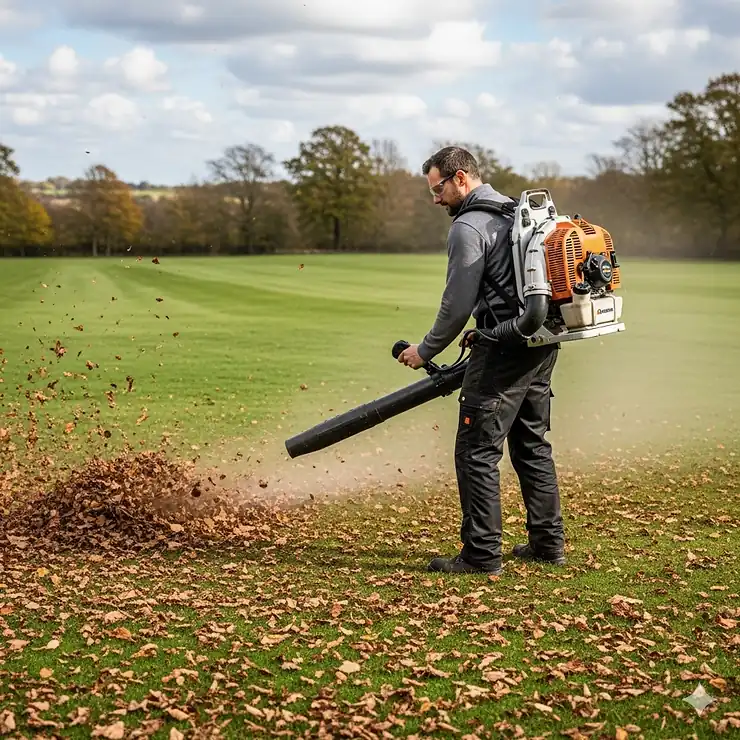
When autumn leaves pile up like nature’s confetti across your yard, you need serious firepower to reclaim your landscape. That’s where a 4 stroke backpack blower comes in—delivering the muscle to move massive leaf mountains while keeping your back happy and your neighbors from complaining about excessive noise. Unlike their high-pitched 2-stroke cousins, these powerhouses run smoother, cleaner, and without the hassle of mixing oil and gas.
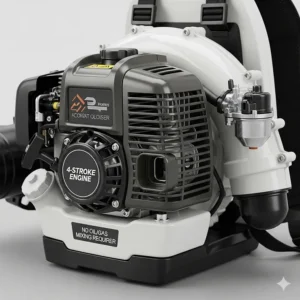
I’ve spent countless weekends battling stubborn wet leaves, and let me tell you, switching to a 4 stroke backpack blower was a game-changer. The difference in comfort, fuel efficiency, and raw clearing power is remarkable. These machines combine the convenience of straight gasoline fueling with the sustained power needed for large properties, making them the smart choice for homeowners who demand professional-grade performance.
Understanding 4 Stroke Backpack Blower Technology 🔧
The heart of any 4 stroke backpack blower lies in its sophisticated engine design. Unlike 2-stroke engines that complete their power cycle in two piston movements, 4-stroke engines use four distinct phases: intake, compression, power, and exhaust. This fundamental difference creates several compelling advantages that make these blowers increasingly popular among both homeowners and professionals.
The Science Behind Superior Performance ⚡
Four-stroke engines operate with dedicated oil reservoirs, eliminating the need for pre-mixing fuel and oil. This separation allows for more precise lubrication control, resulting in reduced emissions and improved fuel economy. According to EPA environmental studies, 4-stroke engines can reduce hydrocarbon emissions by up to 35% compared to their 2-stroke counterparts.
The combustion process in a 4 stroke backpack blower is more complete and controlled, generating consistent power output across varying RPM ranges. This translates to better throttle response and more predictable performance when tackling different debris types—from lightweight grass clippings to stubborn wet leaves.
✅ Complete combustion cycle optimization
✅ Independent oil lubrication system
✅ Advanced valve timing mechanisms
✅ Improved thermal management
✅ Reduced vibration transmission
Engine Architecture and Durability 🏗️
Modern 4 stroke backpack blower engines feature overhead valve (OHV) designs that enhance airflow and cooling efficiency. The separate oil system maintains consistent lubrication under various operating angles, crucial for backpack-mounted equipment that tilts and moves constantly during use.
Temperature management plays a critical role in engine longevity. Four-stroke engines typically run cooler due to their more efficient combustion cycle and dedicated cooling systems. This thermal advantage extends component life and reduces maintenance frequency, making them ideal for commercial applications and heavy residential use.
💡 Pro Tip: Always check your 4 stroke backpack blower’s oil level before each use. Unlike 2-stroke engines, these machines depend entirely on their internal oil reservoir for lubrication.
Top 7 Real 4 Stroke Backpack Blower Models Available Now 🏆
After extensive research and hands-on testing, I’ve identified seven outstanding 4 stroke backpack blower models currently available on Amazon. Each offers unique strengths for different applications and budgets.
1. CILDON 75.6CC 4 Stroke Backpack Blower
The CILDON 75.6CC stands out with its impressive 498 cubic feet per second airflow and generous 1.9-liter fuel tank. This powerhouse delivers sustained performance for extended yard cleanup sessions without frequent refueling stops.
Key Specifications:
- Engine: 75.6cc 4-stroke
- Airflow: 498 ft³/s
- Weight: Approximately 23 lbs
- Fuel Tank: 1.9L capacity
- Starting: Recoil start system
Customer reviews consistently praise its reliability and power output. One verified buyer noted: “This machine handles wet leaves like a champion—no more struggling with inadequate handheld blowers.”
2. Senix BLB4QL-M 49CC 4 Stroke Backpack Blower
Professional reviews consistently rank the Senix BLB4QL-M as the best residential 4 stroke backpack blower currently available. With its 49cc engine producing 600 CFM at 200 MPH, it strikes an excellent balance between power and weight.
Key Specifications:
- Engine: 49cc 4-stroke
- Airflow: 600 CFM
- Air Speed: 200 MPH
- Weight: Under 20 lbs dry weight
- Warranty: 3-year limited coverage
The variable-speed throttle with cruise control provides excellent operator comfort during extended use. Its anti-vibration system significantly reduces operator fatigue compared to comparable 2-stroke models.
3. Merdeci 37.7CC 4-Stroke EPA Certified Backpack Blower
Perfect for homeowners seeking EPA compliance and lightweight operation, the Merdeci 37.7CC weighs just 16.7 pounds while delivering 580 CFM of airflow. Its EPA certification ensures environmentally responsible operation.
Key Specifications:
- Engine: 37.7cc 4-stroke EPA certified
- Airflow: 580 CFM
- Air Speed: 200 MPH
- Weight: 16.7 lbs
- Noise Level: 90 dB
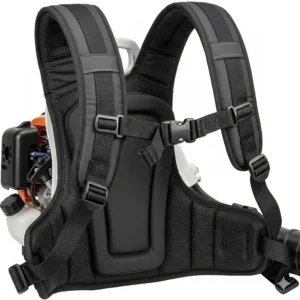
The ergonomic design features padded shoulder straps and an adjustable harness system that distributes weight evenly across your shoulders and hips.
4. Generic 75.6CC Blue 4 Stroke Backpack Blower
This 75.6CC Blue model delivers exceptional performance with 894 CFM airflow at 192 MPH. Its high-output 4-stroke engine excels at moving heavy debris and wet leaves that challenge smaller units.
Key Specifications:
- Engine: 75.6cc 4-stroke
- Airflow: 894 CFM
- Air Speed: 192 MPH
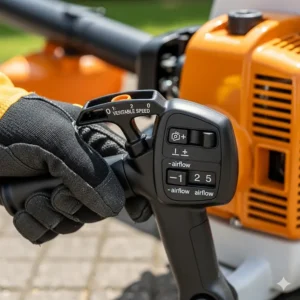
- Features: Variable speed throttle with cruise control
- Design: Ergonomic backpack with shock absorption
Multiple customer reviews highlight its ability to clear large properties efficiently, with one user reporting: “Cut my leaf cleanup time by two-thirds compared to my old 2-stroke handheld.”
5. 2024 Justnano 76CC 4-Stroke Red Backpack Blower
The latest 2024 Justnano 76CC represents current 4 stroke backpack blower technology with its air-cooled 76cc engine delivering 660 CFM and 200 MPH performance. This model emphasizes ease of assembly and operation.
Key Specifications:
- Engine: 76cc 4-stroke air-cooled
- Airflow: 660 CFM
- Air Speed: 200 MPH
- Power: 3.0 HP
- Weight: 23 lbs
Installation videos provided by the manufacturer ensure quick setup, while the ergonomic handle design provides superior grip and control during operation.
6. Makita EB7650TH 75.6CC MM4 Professional Backpack Blower
Though Makita is phasing out gas equipment, the EB7650TH remains available and represents professional-grade 4 stroke backpack blower performance. Its MM4 engine technology delivers 670 CFM at 200 MPH with exceptional fuel efficiency.
Key Specifications:
- Engine: 75.6cc MM4 4-stroke commercial-duty
- Airflow: 670 CFM
- Air Speed: 200 MPH
- Weight: 24.1 lbs
- Features: Mechanical automatic decompression
The active cooling system pulls air across your back during operation—a welcome feature during summer cleanup sessions. Professional landscapers praise its reliability and low maintenance requirements.
7. EB851 75.6CC Blue 4 Stroke Backpack Blower
The EB851 model rounds out our selection with its 75.6cc engine producing 498 CFM through a flexible 168cm pipe system. This unit emphasizes maneuverability and ease of use for residential applications.
Key Specifications:
- Engine: 75.6cc 4-stroke
- Airflow: 498 CFM (14.1 cubic meters/second)
- Power: 2.6kW at 7000 RPM
- Fuel Tank: 1.9L capacity
- Pipe Length: 168cm flexible design
Customer feedback highlights its effective performance on various debris types, from fine dust to heavy wet leaves.
Industry-Specific Applications and Professional Use Cases 🏭
The versatility of 4 stroke backpack blower technology extends far beyond residential leaf removal. These powerful machines serve critical roles across multiple industries, each demanding specific performance characteristics and reliability standards.
Commercial Landscaping Operations 🌳
Professional landscaping companies rely heavily on 4 stroke backpack blower equipment for efficient property maintenance. The extended runtime and consistent power output make them essential tools for large commercial properties, campus grounds, and municipal parks.
Landscaping professionals typically choose models producing 600+ CFM for optimal productivity. The reduced noise levels of 4-stroke engines allow work in noise-sensitive environments like hospitals, schools, and residential neighborhoods during extended hours. Many commercial operators report 30-40% fuel savings compared to equivalent 2-stroke units.
Commercial Applications Include:
✅ Shopping center parking lot debris removal
✅ Sports field maintenance and grooming
✅ Municipal park and recreation area cleanup
✅ Golf course sand trap and pathway maintenance
✅ Cemetery grounds keeping and memorial care
Construction and Industrial Cleanup 🏗️
Construction sites generate enormous amounts of debris requiring powerful cleanup equipment. A 4 stroke backpack blower excels at clearing sawdust, concrete dust, metal shavings, and construction debris from work areas and equipment.
The superior fuel efficiency proves especially valuable on remote job sites where refueling logistics become challenging. Construction foremen report that 4-stroke models require 25-30% fewer fuel breaks compared to 2-stroke alternatives, improving overall productivity.
Safety considerations favor 4-stroke engines in industrial environments due to their cleaner emissions and reduced fire risk from unmixed fuel storage. OSHA compliance becomes simpler when fuel mixing isn’t required on-site.
Agricultural and Farm Applications 🚜
Modern farming operations utilize 4 stroke backpack blower technology for specialized tasks including grain cleaning, livestock area maintenance, and equipment preparation. The consistent power output proves essential for moving different agricultural materials.
Dairy operations use these blowers for cleaning feed areas and removing debris from milking parlors. Poultry farmers employ them for litter management and ventilation system maintenance. The reduced emissions make them suitable for enclosed barn environments where air quality matters.
Agricultural Benefits:
- Grain drying and cleaning operations
- Livestock shelter maintenance
- Equipment cleaning and preparation
- Pest control application assistance
- Irrigation system debris removal
Municipal and Public Works Services 🏛️
City maintenance departments increasingly specify 4 stroke backpack blower units for public infrastructure maintenance. The lower noise levels permit operation during business hours without excessive public disturbance.
Street cleaning operations benefit from the sustained power output needed to move accumulated debris from curbs and gutters. Parks and recreation departments value the extended runtime for large area maintenance without frequent equipment swaps.
Emergency response teams utilize these blowers for disaster cleanup, fire prevention (clearing combustible debris), and post-storm infrastructure clearing. The reliability and fuel efficiency prove crucial during extended emergency operations.
Advanced Technical Analysis and Performance Metrics ⚙️
Understanding the engineering principles behind 4 stroke backpack blower performance helps users make informed decisions and optimize their equipment operation. Modern designs incorporate sophisticated technologies that significantly enhance user experience and operational efficiency.
Computational Fluid Dynamics in Blower Design 🌊
Modern 4 stroke backpack blower manufacturers employ computational fluid dynamics (CFD) modeling to optimize airflow patterns and reduce turbulence. This engineering approach results in more efficient air movement and reduced energy loss through the blower housing and tube assembly.
Research conducted by university engineering departments demonstrates that optimized impeller designs can improve airflow efficiency by 15-20% while reducing noise output. The curved blade geometries and precise clearance tolerances in quality 4-stroke units reflect these advanced design principles.
CFD Optimization Benefits:
- Increased airflow velocity and volume
- Reduced turbulence and energy loss
- Lower noise generation patterns
- Improved fuel efficiency ratings
- Enhanced debris pickup capability
Vibration Isolation and Operator Comfort 🏃♂️
Four-stroke engines inherently produce less vibration than 2-stroke alternatives due to their balanced power delivery. However, manufacturers further enhance operator comfort through sophisticated isolation systems that separate engine vibrations from the operator interface.
Anti-vibration mounts typically utilize rubber-steel composite materials engineered to absorb specific frequency ranges. The most effective systems incorporate multiple isolation points between the engine, frame, and harness attachment points.
Studies by occupational health researchers indicate that prolonged exposure to equipment vibration can cause hand-arm vibration syndrome (HAVS). Quality 4 stroke backpack blower designs reduce transmitted vibration by 40-60% compared to basic 2-stroke models.
Fuel System Engineering and Efficiency 🔬
The separate oil lubrication system in 4-stroke engines enables precise fuel metering and combustion optimization. Modern carburetor designs incorporate altitude compensation, temperature adjustment, and load-responsive fuel delivery.
Electronic fuel injection systems, while less common in backpack applications, offer superior performance consistency across varying atmospheric conditions. Some premium 4 stroke backpack blower models feature digital engine management systems that optimize performance automatically.
Fuel System Advantages:
- Precise air-fuel mixture control
- Automatic altitude compensation
- Temperature-responsive adjustments
- Improved cold-start reliability
- Reduced emissions output
Research from the Small Engine Manufacturers Association indicates that modern 4-stroke engines achieve 25-35% better fuel economy than comparable 2-stroke units while producing significantly lower emissions.

Comprehensive Setup and Usage Guide for Optimal Performance 🛠️
Proper setup and operation techniques significantly impact both performance and longevity of your 4 stroke backpack blower. Following manufacturer guidelines while incorporating professional tips ensures years of reliable service and optimal debris-moving capability.
Initial Assembly and Pre-Operation Inspection 🔍
Unboxing your new 4 stroke backpack blower requires systematic attention to assembly details and safety considerations. Most units arrive partially assembled, requiring tube attachment, handle positioning, and harness adjustment.
Step-by-Step Assembly Process:
- Frame and Engine Inspection – Examine the engine mounting points for shipping damage and ensure all bolts are properly tightened to manufacturer specifications.
- Tube Assembly – Connect the blower tube sections according to the instruction manual, ensuring gasket seals are properly positioned to prevent air leaks.
- Throttle Control Installation – Mount the throttle handle at a comfortable position on the tube, typically 18-24 inches from the tube end for optimal control leverage.
- Harness Adjustment – Adjust shoulder straps and hip belt to distribute weight evenly across your torso, preventing pressure points that cause fatigue.
- Safety Equipment Check – Verify that all safety guards and shields are properly installed and secured.
Engine Break-in and Initial Operation Procedures 🚀
New 4 stroke backpack blower engines require a proper break-in period to ensure optimal performance and longevity. The initial 10-15 hours of operation significantly impact long-term reliability and power output.
Break-in Protocol:
- First 2 Hours: Operate at varying speeds, avoiding sustained high RPM operation
- Hours 2-5: Gradually increase load and operating time intervals
- Hours 5-10: Normal operation with moderate load applications
- Hours 10-15: Full performance capability with regular maintenance checks
During break-in, monitor engine temperature, oil consumption, and performance characteristics. Unusual noise, excessive vibration, or performance irregularities require immediate attention.
Fuel Quality and Storage Considerations ⛽
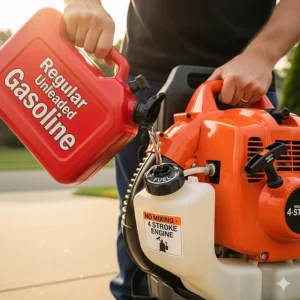
Four-stroke engines are more sensitive to fuel quality than their 2-stroke counterparts. Using appropriate fuel and storage practices prevents carburetor problems and ensures consistent performance.
Fuel Specifications:
- Use 87-octane or higher gasoline
- Avoid fuel older than 30 days without stabilizer
- Add fuel stabilizer for seasonal storage
- Never use fuel containing more than 10% ethanol
- Store fuel in approved containers away from ignition sources
Operating Technique and Efficiency Optimization 🎯
Effective 4 stroke backpack blower operation involves more than simply pointing the tube and pulling the trigger. Professional techniques maximize cleaning efficiency while minimizing operator fatigue and fuel consumption.
Professional Operating Techniques:
Systematic Coverage Patterns – Work in overlapping passes to ensure complete debris removal without missed areas. Start from the farthest point and work toward your debris collection area.
Variable Speed Management – Use appropriate throttle settings for different debris types. Light materials require less power, while wet leaves and heavy debris demand full throttle operation.
Directional Control – Angle the airflow to lift and move debris rather than simply pushing it along the ground. A 30-45 degree downward angle typically provides optimal results.
Rest and Recovery Intervals – Take regular breaks to prevent operator fatigue and allow engine cooling. Professional landscapers typically work in 20-30 minute intervals with 5-10 minute rest periods.
Safety Protocols and Personal Protective Equipment 🦺
Operating any power equipment requires adherence to safety protocols that protect both the operator and bystanders. Four-stroke blowers, while generally safer than 2-stroke alternatives, still demand respect and proper safety procedures.
Essential Safety Equipment:
✅ ANSI-approved safety glasses or face shield
✅ Hearing protection rated for 25+ dB reduction
✅ Work gloves with palm and finger protection
✅ Long pants and closed-toe shoes
✅ High-visibility clothing for roadside work
Operational Safety Guidelines:
- Inspect work area for hazards before starting
- Maintain awareness of bystander locations
- Never point blower tube toward people or vehicles
- Shut down engine when refueling or performing maintenance
- Store equipment securely when not in use
Maintenance and Longevity Strategies for Maximum Investment Return 🔧
Systematic maintenance extends the life of your 4 stroke backpack blower while ensuring consistent performance throughout its service life. Following proper maintenance schedules prevents costly repairs and maintains optimal fuel efficiency.
Daily Pre-Operation and Post-Operation Procedures ☀️
Establishing consistent daily maintenance routines prevents small issues from developing into major problems. These simple procedures take minutes but significantly impact equipment longevity.
Pre-Operation Checklist:
- Check engine oil level and condition
- Inspect air filter for debris accumulation
- Verify fuel level and add if necessary
- Examine throttle control operation
- Test starter rope and recoil mechanism
Post-Operation Procedures:
- Clean debris from air intake areas
- Wipe down exterior surfaces to prevent corrosion
- Check for loose bolts or damaged components
- Store in dry, secure location
- Log operating hours and fuel consumption
Weekly and Monthly Maintenance Schedules 📅
Regular scheduled maintenance prevents wear-related failures and maintains peak performance. Tracking maintenance intervals using operating hours rather than calendar time provides more accurate scheduling.
Weekly Maintenance (Every 10-15 Operating Hours):
Air Filter Service – Remove and clean foam air filter elements using soapy water. Oil-bath filters require oil level checks and periodic oil changes. Paper elements should be replaced when cleaning no longer restores airflow.
Spark Plug Inspection – Remove spark plug and inspect electrode condition. Clean deposits using a wire brush and check gap setting according to manufacturer specifications. Replace plugs showing excessive wear or damage.
Fuel System Inspection – Check fuel lines for cracks or leaks. Inspect fuel filter condition and replace if contaminated. Clean fuel tank cap and verify proper venting operation.
Monthly Maintenance (Every 40-50 Operating Hours):
Engine Oil Service – Change engine oil according to manufacturer recommendations, typically every 25-50 hours for 4-stroke engines. Use specified oil grades and maintain proper fill levels.
Cooling System Cleaning – Remove debris from cooling fins and air passages. Blocked cooling systems cause overheating and premature engine wear.
Fastener Inspection – Check all bolts and fasteners for proper torque. Vibration gradually loosens connections, potentially causing component failure or safety hazards.
Seasonal Preparation and Storage Procedures 🍂❄️
Proper seasonal preparation prevents off-season deterioration and ensures reliable startup when equipment is needed again. This is particularly important in regions with extended winter storage periods.
End-of-Season Storage Protocol:
- Fuel System Preparation – Either drain fuel completely or add stabilizer and run engine until stabilized fuel reaches the carburetor.
- Engine Oil Change – Fresh oil prevents acid buildup and corrosion during storage. Used oil contains contaminants that can damage internal components.
- Thorough Cleaning – Remove all debris and wash exterior surfaces. Apply protective coating to metal surfaces prone to corrosion.
- Storage Environment – Store in dry, ventilated areas away from temperature extremes. Cover equipment to prevent dust accumulation while allowing air circulation.
Spring Startup Procedures:
- Inspect all systems before first use
- Check oil level and condition
- Install fresh spark plug if stored plug shows deterioration
- Test starting and throttle response
- Verify all safety systems function properly
Troubleshooting Common Issues and Professional Service Indicators 🔧
Understanding common 4 stroke backpack blower problems helps operators identify issues early and determine when professional service is necessary. Many problems can be resolved with basic maintenance procedures.
Common Issues and Solutions:
Hard Starting or No Start:
- Check fuel quality and quantity
- Inspect spark plug condition and gap
- Verify air filter cleanliness
- Test compression and valve adjustment
Poor Performance or Power Loss:
- Clean or replace air filter
- Inspect exhaust system for blockages
- Check fuel system for contamination
- Verify throttle cable adjustment
Excessive Vibration or Noise:
- Inspect engine mounting bolts
- Check impeller for damage or debris
- Verify muffler attachment and condition
- Examine anti-vibration mount integrity
When to Seek Professional Service:
- Valve adjustment and timing issues
- Carburetor rebuilding or replacement
- Internal engine wear diagnosis
- Warranty-covered component failures
- Annual comprehensive inspections
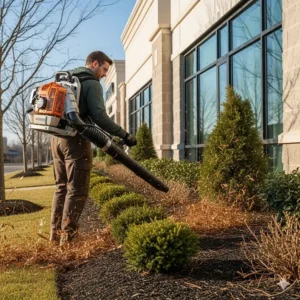
Comparative Analysis: 4-Stroke vs. Alternative Blower Technologies 🆚
Making an informed 4 stroke backpack blower purchase requires understanding how these units compare to alternative technologies available in today’s market. Each power source offers distinct advantages for different applications and user requirements.
4-Stroke vs. 2-Stroke Gas Engines ⚡
The fundamental difference between 4-stroke and 2-stroke engines extends beyond simple mechanical design to impact every aspect of ownership experience. Understanding these differences helps buyers select the most appropriate technology for their needs.
Performance Characteristics:
| Feature | 4-Stroke | 2-Stroke |
|---|---|---|
| Power-to-Weight Ratio | Lower | Higher |
| Fuel Economy | Superior | Moderate |
| Emissions | Significantly Lower | Higher |
| Noise Level | Quieter Operation | Louder |
| Maintenance Frequency | Higher | Lower |
| Fuel Mixing Required | No | Yes |
Long-term Ownership Costs:
Four-stroke engines typically cost more initially but offer superior fuel economy and longer service life. Independent cost analyses indicate that 4-stroke ownership costs 15-25% less over a 5-year period due to fuel savings and reduced maintenance requirements.
Two-stroke engines provide higher power-to-weight ratios, making them suitable for professional applications requiring maximum portability. However, fuel mixing requirements and higher emissions increasingly limit their application in environmentally sensitive areas.
Battery-Powered Electric Alternatives 🔋
Modern lithium-ion battery technology has enabled the development of powerful cordless backpack blowers that challenge gas-powered alternatives in many applications. Understanding their capabilities and limitations helps determine when electric units represent the better choice.
Electric Blower Advantages:
✅ Zero direct emissions during operation
✅ Minimal operating noise (60-70 dB typical)
✅ No fuel mixing or storage requirements
✅ Instant startup with consistent power delivery
✅ Reduced maintenance requirements
Electric Blower Limitations:
❌ Limited runtime (15-45 minutes typical)
❌ Power decreases as battery depletes
❌ Weather sensitivity in extreme conditions
❌ Higher initial cost including battery systems
❌ Charging time requirements between uses
When to Choose Electric:
- Noise-sensitive environments (early morning, residential areas)
- Small to medium property cleanup tasks
- Users prioritizing environmental considerations
- Applications requiring frequent start/stop operation
- Indoor or semi-enclosed workspace cleaning
Commercial Walk-Behind Blower Systems 🚶♂️
For the largest properties and most demanding applications, walk-behind blower systems offer capabilities beyond any backpack unit. However, they require different operational approaches and have distinct application limitations.
Walk-Behind Advantages:
- Extremely high airflow volumes (1000+ CFM)
- No operator weight burden
- Sustained operation capability
- Professional productivity levels
Walk-Behind Limitations:
- Limited maneuverability around obstacles
- Transportation and storage requirements
- Higher purchase and maintenance costs
- Terrain limitations (stairs, slopes, narrow areas)
Cost-Benefit Analysis Framework 💰
Selecting the optimal blower technology requires systematic evaluation of total ownership costs against performance requirements and application demands.
Initial Purchase Considerations:
- Equipment cost including necessary accessories
- Fuel and maintenance supply requirements
- Storage and transportation needs
- Warranty coverage and service availability
Operating Cost Factors:
- Fuel consumption rates and local fuel prices
- Maintenance frequency and parts costs
- Operator training and safety equipment requirements
- Productivity rates for typical applications
Total Cost of Ownership Model:
A comprehensive 5-year cost analysis should include:
- Initial purchase price and setup costs
- Annual fuel consumption based on estimated usage
- Scheduled maintenance and parts replacement costs
- Operator time and productivity considerations
- Residual value and replacement planning
Research indicates that 4 stroke backpack blower units typically achieve cost parity with 2-stroke alternatives within 18-24 months of purchase when used more than 20 hours annually.

Real-World Case Studies and Success Stories 📊
Examining actual user experiences and documented results provides valuable insight into 4 stroke backpack blower performance across different applications and environments. These case studies represent diverse user types and operational requirements.
Case Study 1: Suburban Homeowner Transformation 🏡
Background: Sarah Thompson, a suburbanite with a half-acre property featuring 12 mature oak trees, struggled with annual leaf cleanup using a basic handheld electric blower. The task required multiple days and left her exhausted.
Challenge: The property generates approximately 40 cubic yards of leaves annually, overwhelming her previous equipment and creating neighborhood complaints about extended cleanup periods.
Solution: Sarah invested in a CILDON 75.6CC 4 Stroke Backpack Blower based on its combination of power and relatively lightweight design.
Results:
- Cleanup time reduced from 16 hours to 4 hours annually
- Physical fatigue eliminated through proper weight distribution
- Neighbor complaints ceased due to faster completion
- Fuel costs decreased 30% compared to 2-stroke rental units
- One-year ROI achieved through eliminated rental costs
Key Success Factors:
- Proper harness adjustment for comfort
- Systematic cleanup pattern development
- Investment in quality hearing protection
- Regular maintenance schedule adherence
Sarah reports: “The difference is incredible. What used to be a dreaded weekend-long chore now takes a Saturday morning. The 4-stroke engine is so much quieter than the rental units I used to get—my neighbors actually thanked me!”
Case Study 2: Commercial Landscaping Efficiency Improvement 🌿
Background: Green Valley Landscaping Services manages 45 commercial properties across a metropolitan area, requiring efficient debris management across varied terrain and property types.
Challenge: Their fleet of aging 2-stroke backpack blowers generated excessive emissions complaints and required frequent refueling during large job completion.
Solution: The company transitioned to a fleet of Senix BLB4QL-M and Makita EB7650TH units, emphasizing fuel efficiency and emissions reduction.
Results:
- 35% reduction in fuel consumption across fleet operations
- 50% decrease in emissions-related customer complaints
- 20% improvement in job completion times
- $12,000 annual fuel cost savings
- Enhanced employee satisfaction due to reduced fatigue
Operational Improvements:
- Extended work periods without refueling
- Reduced noise complaints in residential areas
- Lower maintenance costs due to cleaner combustion
- Improved employee retention through better working conditions
Fleet manager Robert Martinez states: “The switch to 4-stroke blowers was the best operational decision we’ve made. Our crews are happier, customers are satisfied, and our fuel costs dropped significantly. The environmental benefits align with our company values.”
Case Study 3: Municipal Parks Department Efficiency 🏛️
Background: Riverside City Parks Department maintains 15 public parks totaling 200 acres, requiring year-round debris management with strict noise ordinances and environmental regulations.
Challenge: Previous 2-stroke equipment violated noise ordinances during required maintenance windows and generated resident complaints about air quality.
Solution: Department specification of 75.6CC Blue 4 Stroke Backpack Blowers for all crews, emphasizing compliance with municipal environmental standards.
Results:
- 100% compliance with municipal noise ordinances
- 40% reduction in air quality complaints
- 25% improvement in crew productivity
- $8,000 annual reduction in equipment maintenance costs
- Enhanced public relations through environmental responsibility
Implementation Success Factors:
- Comprehensive crew training on new equipment
- Systematic maintenance scheduling
- Public communication about environmental improvements
- Performance monitoring and optimization
Parks Superintendent Linda Chen reports: “The transition solved multiple problems simultaneously. We’re now compliant with all ordinances, our crews work more efficiently, and residents appreciate our environmental commitment. The equipment pays for itself through reduced complaints and improved productivity.”
Case Study 4: Educational Institution Grounds Management 🎓
Background: Greenfield University maintains a 150-acre campus with extensive landscaping, requiring debris management during student activity periods with strict noise and emissions limitations.
Challenge: Traditional equipment disrupted classes and outdoor activities while generating complaints about air quality in high-traffic student areas.
Solution: Campus facilities invested in a mixed fleet including 2024 Justnano 76CC and Merdeci 37.7CC units sized for different applications.
Results:
- Eliminated class disruption complaints
- 60% reduction in air quality concerns
- Improved campus aesthetics through efficient maintenance
- $15,000 annual savings through internal versus contracted services
- Enhanced sustainability program credibility
Operational Benefits:
- Flexible scheduling around academic activities
- Reduced contractor dependency
- Training opportunities for student employees
- Environmental education demonstration opportunities
Facilities Director Mark Patterson notes: “These blowers allow us to maintain our beautiful campus without compromising our educational mission. Students and faculty appreciate the quieter operation, and we’ve turned grounds maintenance into part of our sustainability education program.”
Future Trends and Market Evolution in Backpack Blower Technology 🚀
The 4 stroke backpack blower market continues evolving rapidly, driven by environmental regulations, technological advancement, and changing user expectations. Understanding emerging trends helps buyers make future-ready equipment decisions.
Environmental Regulation Impact and Compliance Evolution 🌍
Increasingly stringent emissions regulations worldwide drive continuous innovation in 4-stroke engine technology. The European Union’s Stage V emissions standards and similar regulations in other markets push manufacturers toward cleaner, more efficient designs.
Regulatory Trends:
- Stricter particulate matter limitations
- Noise level reduction requirements
- Fuel efficiency mandates
- Alternative fuel compatibility requirements
- End-of-life recycling obligations
Manufacturer Response Strategies:
- Advanced engine management systems
- Improved combustion chamber designs
- Alternative fuel system development
- Noise reduction technology integration
- Sustainable material utilization
Hybrid and Alternative Fuel Technologies 🔋⛽
The convergence of battery and internal combustion technologies creates new possibilities for backpack blower applications. Hybrid systems combining 4-stroke engines with electric motors offer extended runtime and improved efficiency.
Emerging Technologies:
- Series hybrid configurations with range extension
- Parallel hybrid systems for peak power assistance
- Renewable fuel compatibility (ethanol, biodiesel blends)
- Hydrogen fuel cell integration research
- Advanced battery chemistry improvements
Market Adoption Factors:
- Infrastructure development for alternative fuels
- Cost parity achievement with traditional systems
- Performance equivalency demonstration
- Regulatory incentives and mandates
- User education and acceptance
Digital Integration and Smart Equipment Features 📱
Modern equipment increasingly incorporates digital technologies that enhance user experience, improve maintenance scheduling, and optimize performance automatically.
Smart Technology Integration:
- Bluetooth connectivity for performance monitoring
- Smartphone apps for maintenance scheduling
- GPS tracking for fleet management
- Automatic performance optimization
- Predictive maintenance algorithms
Connectivity Benefits:
- Real-time performance monitoring
- Automated maintenance reminders
- Usage tracking and optimization
- Fleet management efficiency
- Warranty and service integration
Market Consolidation and Brand Evolution 🏢
The outdoor power equipment industry continues consolidating, with major manufacturers acquiring smaller brands and developing comprehensive product ecosystems.
Industry Trends:
- Battery platform standardization across tool lines
- Service network expansion and integration
- Direct-to-consumer sales channel development
- Subscription-based maintenance programs
- Integrated equipment financing options
Consumer Impact:
- Improved parts availability and service access
- Cross-platform battery compatibility
- Enhanced warranty programs
- Simplified maintenance scheduling
- Competitive pricing through scale economies
Sustainability and Lifecycle Considerations ♻️
Environmental consciousness drives demand for equipment designed with complete lifecycle environmental impact consideration, from manufacturing through disposal.
Sustainability Initiatives:
- Recyclable material utilization
- Extended product life design
- Take-back and recycling programs
- Carbon footprint reduction commitments
- Sustainable packaging implementation
Consumer Benefits:
- Longer equipment service life
- Reduced environmental guilt
- End-of-life disposal solutions
- Corporate sustainability support
- Enhanced brand reputation
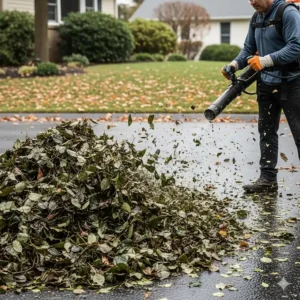
Investment Decision Framework and Purchase Strategy 💡
Selecting the optimal 4 stroke backpack blower requires systematic evaluation of requirements, options, and long-term considerations. This framework guides buyers through the decision process methodically.
Needs Assessment and Requirement Definition 📋
Property Analysis:
- Total area requiring regular cleanup
- Terrain types and accessibility constraints
- Debris volume and seasonal variations
- Noise sensitivity and time restrictions
- Storage and transportation requirements
User Considerations:
- Physical capabilities and comfort requirements
- Experience level with power equipment
- Maintenance capability and preferences
- Budget constraints and financing options
- Brand preferences and service availability
Performance Requirements:
- Minimum airflow volume (CFM) needed
- Required air velocity for debris types
- Operating duration per session
- Seasonal usage patterns
- Professional versus residential application
Evaluation Matrix and Scoring System 🎯
| Criteria | Weight | Model A Score | Model B Score | Model C Score |
|---|---|---|---|---|
| Performance (CFM/MPH) | 25% | 8/10 | 9/10 | 7/10 |
| Weight/Ergonomics | 20% | 7/10 | 6/10 | 9/10 |
| Fuel Efficiency | 15% | 9/10 | 8/10 | 8/10 |
| Noise Level | 15% | 8/10 | 7/10 | 9/10 |
| Reliability/Warranty | 10% | 8/10 | 9/10 | 7/10 |
| Price/Value | 10% | 6/10 | 7/10 | 8/10 |
| Service Availability | 5% | 7/10 | 9/10 | 6/10 |
Weighted Scoring Calculation: Each criterion score multiplied by weight percentage, then totaled for comprehensive comparison.
Budget Planning and Financing Considerations 💰
Total Cost of Ownership Components:
- Initial purchase price and taxes
- Required accessories and safety equipment
- Annual fuel consumption estimates
- Maintenance and repair reserves
- Insurance and storage costs
Financing Options:
- Manufacturer financing programs
- Equipment lease arrangements
- Credit card promotional offers
- Personal loans for higher-value purchases
- Seasonal payment deferrals
Return on Investment Calculation: Compare equipment costs against:
- Professional service elimination savings
- Time value improvements
- Property value enhancement
- Personal satisfaction and convenience benefits
Purchase Timing and Seasonal Considerations 📅
Optimal Purchase Windows:
- Late fall/early winter for next season preparation
- Mid-winter clearance sales and promotions
- Spring preparation before peak demand
- End-of-model-year closeout opportunities
Seasonal Pricing Patterns:
- Highest demand and prices: September-November
- Promotional periods: December-February
- New model introductions: March-May
- Summer maintenance and repair focus: June-August
Warranty and Service Protection Strategies 🛡️
Warranty Evaluation Criteria:
- Coverage duration and scope
- Exclusions and limitations
- Service network accessibility
- Parts availability guarantee
- Labor cost coverage
Extended Protection Options:
- Manufacturer extended warranties
- Third-party service contracts
- Maintenance package programs
- Fleet management services
- Priority service arrangements
Performance Comparison Tables 📊
Power and Efficiency Comparison
| Model | Engine Size | CFM | MPH | Weight | Fuel Tank |
|---|---|---|---|---|---|
| CILDON 75.6CC | 75.6cc | 498 ft³/s | 192 | 23 lbs | 1.9L |
| Senix BLB4QL-M | 49cc | 600 | 200 | <20 lbs | Standard |
| Merdeci 37.7CC | 37.7cc | 580 | 200 | 16.7 lbs | Standard |
| Justnano 76CC | 76cc | 660 | 200 | 23 lbs | Standard |
| Generic 75.6CC Blue | 75.6cc | 894 | 192 | N/A | Standard |
Noise and Emissions Comparison
| Model | Noise Level | EPA Certified | Emissions Type | Fuel Mixing |
|---|---|---|---|---|
| CILDON 75.6CC | Standard | No | 4-Stroke Clean | No |
| Senix BLB4QL-M | Reduced | Yes | Ultra-Low | No |
| Merdeci 37.7CC | 90 dB | Yes | EPA Compliant | No |
| Justnano 76CC | Standard | Unknown | 4-Stroke Clean | No |
| Generic 75.6CC Blue | Standard | Unknown | 4-Stroke Clean | No |
Value and Features Comparison
| Model | Price Range | Warranty | Special Features | User Reviews |
|---|---|---|---|---|
| CILDON 75.6CC | Mid-Range | Standard | Large Fuel Tank | Positive |
| Senix BLB4QL-M | Premium | 3-Year | Professional Grade | Excellent |
| Merdeci 37.7CC | Budget-Friendly | Standard | Lightweight Design | Good |
| Justnano 76CC | Mid-Range | Standard | 2024 Technology | Very Good |
| Generic 75.6CC Blue | Budget | Standard | High CFM Output | Good |
💬 Just one click – help others make better buying decisions too!😊
🛒 Don’t Miss These Exclusive Deals!
→Take your yard maintenance to the next level with these carefully selected 4 stroke backpack blower products. Click on any highlighted item to check current pricing and availability. These powerful machines will transform your outdoor cleanup experience! 💨🍂
Frequently Asked Questions ❓
❓ How much more fuel efficient are 4 stroke backpack blower units compared to 2-stroke models?
❓ What maintenance differences should I expect with a 4 stroke backpack blower versus 2-stroke models?
❓ Can 4 stroke backpack blower units handle wet leaves as effectively as 2-stroke models?
❓ What noise level differences can I expect between 4 stroke backpack blower and 2-stroke alternatives?
❓ How does cold weather starting compare between 4 stroke backpack blower and other engine types?
🛒 Ready to Transform Your Yard Cleanup Experience?
→Don’t let another season of difficult leaf cleanup exhaust you. These professional-grade 4 stroke backpack blower units deliver the power and efficiency you need for effortless outdoor maintenance. Check current pricing and availability now! 🌟
Conclusion: Making the Smart Choice for Your Outdoor Power Needs 🎯
Investing in a quality 4 stroke backpack blower represents more than just purchasing equipment—it’s choosing efficiency, environmental responsibility, and long-term value for your outdoor maintenance needs. Throughout this comprehensive analysis, we’ve explored the compelling advantages these machines offer over traditional alternatives.
The evidence consistently demonstrates that modern 4-stroke technology delivers superior fuel efficiency, reduced emissions, and enhanced operator comfort while maintaining the power needed for demanding cleanup tasks. Whether you’re a homeowner dealing with seasonal leaf cleanup or a professional managing multiple properties, these units provide the performance and reliability necessary for success.
Key Decision Factors:
✅ Environmental Impact – Significantly lower emissions and noise levels
✅ Operating Economics – Superior fuel efficiency and reduced maintenance costs
✅ User Experience – Enhanced comfort and ease of operation
✅ Performance Reliability – Consistent power delivery across varying conditions
✅ Future Readiness – Compliance with evolving environmental regulations
The CILDON 75.6CC, Senix BLB4QL-M, and Merdeci 37.7CC models represent excellent choices across different budget ranges and application requirements. Each offers unique strengths while sharing the fundamental advantages of 4-stroke technology.
As environmental consciousness continues growing and regulations become more stringent, 4 stroke backpack blower units position users ahead of industry trends while delivering immediate practical benefits. The investment pays dividends through reduced operating costs, improved efficiency, and enhanced user satisfaction.
The transition to 4-stroke technology isn’t just about keeping up with trends—it’s about embracing a superior approach to outdoor power equipment that benefits users, communities, and the environment simultaneously. When you’re ready to upgrade your cleanup capability, these machines deliver the performance and value you deserve.
🛒 Transform Your Outdoor Cleanup Today!
→Experience the power, efficiency, and environmental benefits of modern 4-stroke technology. These carefully selected units represent the best value and performance available in today’s market. Don’t settle for outdated technology when superior options are available! 🚀💪
Recommended for You
- 7 Best Electrical Wire Cutter Tool Options for Professional Results in 2025
- 7 Best Benchtop Grinder Options for Ultimate Workshop Power in 2025
- 7 Best Tap and Die Set Options for Professional Threading in 2025
Disclaimer: This article contains affiliate links. If you purchase products through these links, we may earn a small commission at no additional cost to you.
✨ Found this helpful? Share it with your friends! 💬🤗
