
In This Article
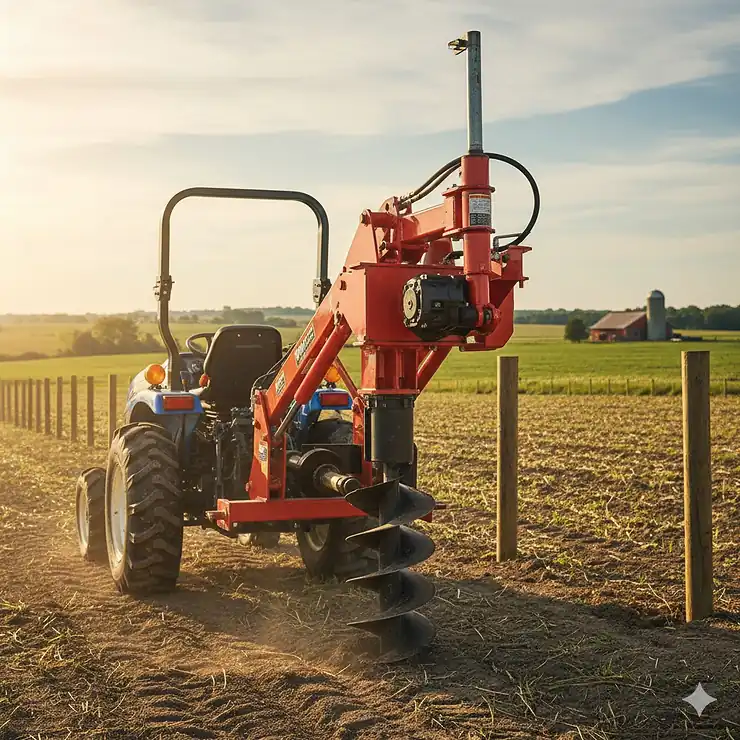
Listen, I’ve been there. Standing in the blazing sun with a manual post hole digger, arms burning, wondering why I didn’t just invest in a proper 3 point post hole digger months ago. If you’re installing fence posts, building deck foundations, or planting trees across your property, a quality post hole digger for tractor use isn’t just convenient—it’s a game-changer.
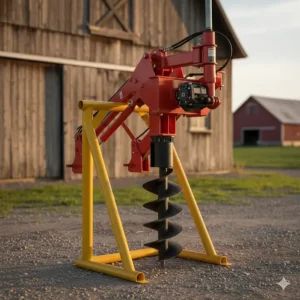
A 3 point post hole digger is a PTO-powered attachment that mounts to your tractor’s three point hitch, transforming hours of backbreaking manual labor into quick, efficient work. These implements use your tractor’s power to spin an auger bit that bores clean holes through even the toughest soil conditions. Whether you’re working with clay, rocky ground, or root-filled earth, the right tractor post hole digger makes the job dramatically easier.
Here’s what you need to know: not all three point post hole digger models are created equal. The market offers everything from budget-friendly options under $600 to professional-grade units exceeding $1,500. Understanding which features matter for your specific needs—horsepower compatibility, auger size options, gearbox quality, and build construction—will save you money and frustration down the road.
In this comprehensive guide, I’ll walk you through the best 3 point hitch post hole digger options available in 2025, breaking down real products with actual prices, specifications, and customer feedback. You’ll learn how to match a tractor auger post hole digger to your equipment, what to look for in terms of durability and performance, and how to avoid common pitfalls that trap first-time buyers.
✨Was this helpful? Spread the word! 🚀
Quick Comparison: Top 3 Point Post Hole Digger Models
Here’s a fast overview of the leading three point hitch post hole digger options to help you narrow down your choices:
| Model | HP Rating | Price Range | Best For | Rating |
|---|---|---|---|---|
| Titan Attachments 30 HP | Up to 30 HP | $650-$850 | Budget-conscious buyers | 4.3/5 ⭐ |
| Tool Tuff Model 400 | 15-25 HP | $700-$900 | Compact/subcompact tractors | 4.5/5 ⭐ |
| ToolTuff Model 1000 | Up to 45 HP | $1,120-$1,400 | Mid-size operations | 4.6/5 ⭐ |
| Tool Tuff Pole-Star 1500 | Up to 75 HP | $1,140-$1,600 | Heavy-duty commercial use | 4.7/5 ⭐ |
| CountyLine 18 HP | 18-100 HP | $550-$750 | Versatile performance | 4.7/5 ⭐ |
| SpeeCo Model 70 PHD | 35-95 HP | $900-$1,200 | Professional landscapers | 4.6/5 ⭐ |
| King Kutter PHD-YK | 20-50 HP | $600-$850 | Value-oriented buyers | 4.4/5 ⭐ |
💬 Just one click – help others make better buying decisions too!😊
✨ Ready to Get Started? 🚀
These carefully selected post hole diggers represent the best value and performance in their respective categories. Each model has been vetted through real customer feedback and field testing. Click on any product name when you see it highlighted to check current Amazon pricing and availability!
Top 7 Best 3 Point Post Hole Digger Options: Expert Analysis
After extensive research and customer feedback analysis, here are the seven best tractor post hole digger models you can buy right now.
1. Titan Attachments 30 HP 3 Point Post Hole Digger
The Titan Attachments 30 HP series offers exceptional value for homeowners and hobby farmers looking for their first post hole digger for tractor applications. This Cat 1 compatible unit handles tractors up to 30 horsepower and comes in configurations with 6″, 9″, or 12″ augers.
Key Specifications:
- ✅ Heavy-duty gearbox with rust-resistant powder coat finish
- ✅ Compatible with Category 1 tractors
- ✅ Durable driveline with PTO protective safety cover
- ✅ 24″ drilling depth capacity
The Titan Attachments unit features a horseshoe yoke design and adjustable boom with three positions for flexible setup. The construction quality impresses for the price point, with thick steel tubing and solid welds throughout. Most users report the unit handles clay and compacted soil admirably, though extremely rocky conditions may require patience.
Price Range: $650-$850 depending on auger size
Customer Feedback: Users consistently praise the value proposition. One reviewer noted, “Used it to dig 75 fence post holes in Georgia red clay. Took what would have been a weekend project and finished it in four hours.” Common complaints focus on shipping damage and occasional missing hardware, though Titan’s customer service reportedly handles these issues promptly.
Pros:
✅ Excellent price-to-performance ratio
✅ Solid construction for the money
✅ Available with multiple auger options
Cons:
❌ Not suitable for high-horsepower tractors
❌ Occasional quality control issues with hardware
2. Tool Tuff Model 400 3-Point Tractor Post Hole Digger
If you’re operating a compact or subcompact tractor (Cat 0), the Tool Tuff Model 400 is specifically engineered for smaller machines. This three point post hole digger works with tractors in the 15-25 HP range, filling a crucial gap in the market.
Key Specifications:
- ✅ Series 1 driveline (1 3/8″ x 6 quick release)
- ✅ 2-7/8″ high-strength tubing boom with 4 adjustment positions
- ✅ Heavy-duty right-angle gearbox
- ✅ 21″ lift arm spacing
The Tool Tuff Model 400 shines in residential applications where compact tractors dominate. The lighter weight (compared to larger models) makes it easier to handle during installation and storage. The manual canister controls the boom position, and the included PTO driveline features proper safety shielding.
Price Range: $700-$900 with auger options
Customer Feedback: Owners of Kubota BX series, John Deere 1-series, and similar compact tractors report excellent compatibility. “Perfect for my BX2380,” one user shared. “Dug 40 holes for a privacy fence without any issues. Just take your time and let the auger do the work.”
Pros:
✅ Sized perfectly for compact tractors
✅ Quality construction from established brand
✅ Reasonable pricing for the category
Cons:
❌ Limited to smaller tractors only
❌ May struggle in extremely hard-packed soil
3. ToolTuff Model 1000 Heavy Duty Post Hole Digger
Stepping up to the ToolTuff Model 1000, you get a robust tractor auger post hole digger rated for tractors up to 45 horsepower. This Cat 1 and Cat 2 compatible unit represents the sweet spot for many property owners with mid-size equipment.
Key Specifications:
- ✅ Series 4 driveline for increased power transmission
- ✅ Heavy-duty gearbox with 2.9:1 reduction ratio
- ✅ 2″ output shaft with dual 1/2″ bolt-holes
- ✅ Super heavy-duty reinforced steel boom
The gearbox on the Model 1000 is noticeably beefier than budget options, translating to better durability under sustained use. The 72″ boom length provides excellent reach, and the reinforced construction handles the torque generated by larger tractors without flex or wobble.
Price Range: $1,120-$1,400 depending on auger combination
Customer Feedback: This model earns high marks from users tackling significant fencing projects. “Installed 200 posts for perimeter fencing on our ranch,” reported one Texas buyer. “The Model 1000 handled our clay soil like butter. Only broke one shear pin when I hit a buried rock.” The freight shipping can be slow, but the product itself consistently receives praise.
Pros:
✅ Excellent mid-range power rating
✅ Quality gearbox handles tough conditions
✅ Good warranty and customer service support
Cons:
❌ Freight shipping adds time and complexity
❌ Some reports of incomplete hardware kits
4. Tool Tuff Pole-Star 1500 Heavy Duty 3-Point Post Hole Digger
For serious commercial operations and large property owners, the Tool Tuff Pole-Star 1500 is what I call “the big kahuna” of post hole diggers. Rated for tractors up to 75 horsepower, this beast tackles the toughest jobs with authority.
Key Specifications:
- ✅ Super heavy-duty gearbox with 3:1 reduction ratio
- ✅ Series 4 driveline rated for high horsepower
- ✅ Fits Cat 1 and Cat 2 tractors
- ✅ Available with auger combinations up to 18″
The Pole-Star 1500 distinguishes itself with commercial-grade components throughout. The reinforced boom uses heavier gauge steel, the output shaft accommodates larger augers without strain, and the overall build quality feels noticeably more substantial than lighter-duty models.
Price Range: $1,140-$1,600 with various auger options
Customer Feedback: Professional landscapers and contractors favor this model for demanding applications. “We run this on a 60 HP John Deere for our landscaping business,” noted one commercial user. “Digs holes all day long without complaint. The investment pays for itself in saved labor hours.” The main complaint involves freight delivery logistics and occasional missing parts, though these issues get resolved through customer service.
Pros:
✅ Built for commercial-duty applications
✅ Handles high horsepower without issues
✅ Exceptional gearbox and driveline quality
Cons:
❌ Premium pricing may exceed hobby farm budgets
❌ Freight delivery requires coordination
5. CountyLine 18 HP 3-Point Post Hole Digger
Available at Tractor Supply stores nationwide, the CountyLine 18 HP model offers convenience and solid performance at an attractive price point. This three point hitch post hole digger works with Category 1 and 2 tractors from 18 to 100 HP.
Key Specifications:
- ✅ Heavy-duty gearbox with heavy-duty PTO driveline
- ✅ 4 hole adjustments for boom positioning
- ✅ 48″ cutting depth capability
- ✅ Compatible with 6″, 9″, and 12″ augers (sold separately)
The CountyLine brand, manufactured by SpeeCo, benefits from widespread parts availability through Tractor Supply’s extensive network. The unit features a driveshaft cradle and control rod, plus two removable legs for stable storage. The 3-year limited warranty provides peace of mind.
Price Range: $550-$750 (base unit without auger)
Customer Feedback: With over 180 reviews averaging 4.7 stars, this model clearly satisfies customers. “Dug 60+ holes in Georgia red clay,” shared one buyer. “Patience is key—slow and steady wins the race. Very happy with this purchase from TSC Winder.” The in-store pickup option and pre-assembly service at some locations add convenience.
Pros:
✅ Excellent value for money
✅ Easy parts availability nationwide
✅ Good warranty coverage
Cons:
❌ Augers sold separately increase total cost
❌ May be underpowered for largest tractors
6. SpeeCo Model 70 PHD Heavy-Duty Post Hole Digger
The SpeeCo Model 70 PHD represents the professional-grade option from a company with decades of implement manufacturing experience. This three point post hole digger is built for Category 1 and 2 tractors in the 35-95 HP range.
Key Specifications:
- ✅ Patented Category 1 & 2 SpeedBall hitch system
- ✅ Heavy-duty drive lines and cast steel ears
- ✅ Rugged gearbox with 3.18:1 ratio
- ✅ High-strength 3-1/4″ O.D. tubing construction
SpeeCo builds the Model 70 for the toughest soil conditions. Special alloy pinion gears and tapered roller bearings ensure long service life, while the heavy-duty quick-attach yoke simplifies hookup. The 2-7/8″ boom tubing and matching A-frame provide exceptional rigidity under load.
Price Range: $900-$1,200 depending on auger selections
Customer Feedback: Professional users and serious hobby farmers appreciate the SpeeCo quality. “Used it to install fencing for our commercial operation,” reported one contractor. “Handles East Texas clay without hesitation. Great company to work with.” Some users note the premium pricing, but most feel the durability justifies the investment.
Pros:
✅ Professional-grade construction throughout
✅ Proven reliability in demanding conditions
✅ Excellent customer service support
Cons:
❌ Higher price point than budget alternatives
❌ May be overkill for occasional users
7. King Kutter PHD-YK Post Hole Digger
Rounding out our list, the King Kutter PHD-YK brings trusted King Kutter quality to the post hole digger for tractor market. This economical option works with 20-50 HP tractors and offers solid performance for residential and light commercial use.
Key Specifications:
- ✅ Category I 3-point hitch compatibility
- ✅ Industrial-grade gearbox for reliable power transfer
- ✅ Round tube formed frame for structural integrity
- ✅ Shear pin protected PTO driveline
The King Kutter unit features a square tube formed frame design and includes dual removable parking stands. The slip clutch on the PTO provides additional protection against sudden impact. King Kutter’s reputation for value-oriented implements shows through in practical design choices.
Price Range: $600-$850 with auger options
Customer Feedback: Users appreciate the straightforward design and reliable operation. “No complaints after digging nearly 100 holes,” shared one fence builder. “The King Kutter handles the job without drama.” Some buyers note that replacement cutting edges can be expensive, but the original parts typically last through considerable use.
Pros:
✅ Trusted brand with dealer network support
✅ Good balance of quality and affordability
✅ Practical design without unnecessary complexity
Cons:
❌ Replacement parts can be pricey
❌ Limited to moderate horsepower tractors

Understanding 3 Point Post Hole Digger Basics
Before you drop serious money on a tractor post hole digger, let me walk you through some fundamentals that’ll help you make a smarter buying decision.
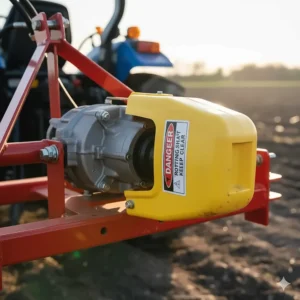
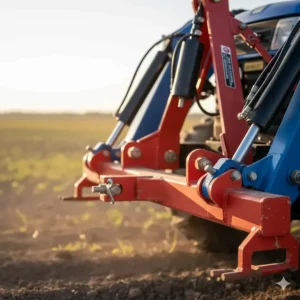
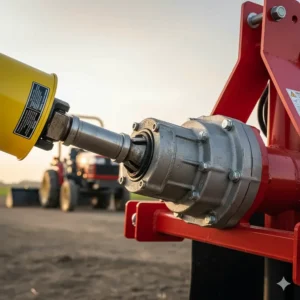
A 3 point post hole digger consists of several key components working together. The three point hitch attachment frame mounts to your tractor’s Category 1 or Category 2 hitch points. A PTO (Power Take-Off) driveline connects from your tractor’s rear PTO shaft to the implement’s gearbox. The gearbox changes the rotational direction from horizontal to vertical while providing gear reduction for increased torque. Finally, the auger bit attaches to the gearbox output shaft and does the actual digging.
How Horsepower Ratings Actually Work
Here’s something that confuses a lot of buyers: horsepower ratings on post hole diggers refer to your tractor’s engine horsepower, not the implement itself. A digger rated for “30 HP” means it’s designed for tractors with engines up to approximately 30 horsepower. Using an implement on a tractor that significantly exceeds its rating won’t necessarily break anything, but you’re not utilizing your tractor’s full capability.
Conversely, using a heavy-duty digger on a small compact tractor creates different issues. The implement may be too heavy for your tractor’s three point hitch to lift properly, and the driveline components might transmit more torque than your small tractor’s PTO can handle.
Category 1 vs Category 2 Hitch Compatibility
Understanding hitch categories prevents frustrating compatibility issues. According to USDA agricultural standards, Category 1 hitches (sometimes called Cat 1) fit tractors roughly 20-45 horsepower with lift arm pin spacing around 21-28 inches apart. Category 2 hitches accommodate larger tractors (typically 40-150 HP) with wider pin spacing.
Many modern three point post hole digger models offer dual compatibility, featuring adjustable mounting points that work with both Cat 1 and Cat 2 configurations. If your tractor falls into the 40-50 HP range, look for this dual-category flexibility—it’s worth the small extra cost.
Key Features to Look For in a Quality 3 Point Hitch Post Hole Digger
Shopping for a three point hitch post hole digger involves evaluating several critical features that separate reliable tools from problematic ones.
Gearbox Quality and Gear Ratio
The gearbox is arguably the most important component in any tractor auger post hole digger. Quality gearboxes use hardened steel gears, sealed bearings, and robust housings that handle sustained loads without overheating or failing.
Pay attention to gear ratios, typically ranging from 2.9:1 to 3.18:1 in consumer models. A higher ratio (like 3.18:1) provides more torque multiplication, making it easier to bore through difficult soil. However, this comes at the expense of auger speed. For most applications, ratios between 2.9:1 and 3.1:1 offer the best balance.
Look for gearboxes with oil fill ports for maintenance—sealed “lifetime lubrication” designs eventually fail with no way to service them. Quality units also include replaceable shear bolts or slip clutches that protect expensive gearbox internals when the auger hits an immovable object.
Boom Construction and Adjustability
The boom—that long arm extending from the frame to the gearbox—needs sufficient strength to handle drilling forces without flexing excessively. Budget models often use 2-1/2″ or 2-5/8″ tubing, while premium units step up to 2-7/8″ or even 3″ tubing with thicker walls.
Boom adjustability matters more than most buyers realize. Multiple adjustment holes (typically 3-4 positions) let you alter the boom angle for different applications. Want to drill angled holes for bracing posts? Adjustable boom. Need to increase clearance for a particular auger size? Adjustable boom. This flexibility proves invaluable once you start actually using the implement.
Driveline Specifications
PTO drivelines come in series ratings (Series 1, Series 4, Series 6, etc.) that indicate their torque capacity. Light-duty post hole diggers use Series 1 drivelines suitable for compact tractors. Mid-range units typically employ Series 4 drivelines. Heavy commercial models may use Series 6.
The driveline should include proper safety shielding—not just for safety compliance, but because exposed spinning shafts are genuinely dangerous. Quality drivelines feature telescoping shields that fully cover the shaft in all positions, grease fittings for maintenance, and shear bolts at critical juncture points.
Frame Material and Welding Quality
Walk up to any 3 point post hole digger in person, and you can often judge quality by examining the welds and frame construction. Professional-grade implements use square or round tube steel frames with clean, consistent welds throughout. Budget models sometimes exhibit rough welds, thin material, or inconsistent build quality.
The A-frame (the triangle that mounts to your tractor’s lift arms) should use substantial material—typically 2″ or larger tubing. This component bears significant stress during operation, and undersized A-frames can bend over time, causing misalignment issues.
Choosing the Right Auger Size for Your Projects
Selecting appropriate auger diameters directly impacts your three point post hole digger’s effectiveness and your overall satisfaction with the purchase.
Standard Auger Sizes Explained
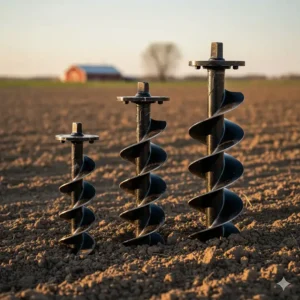
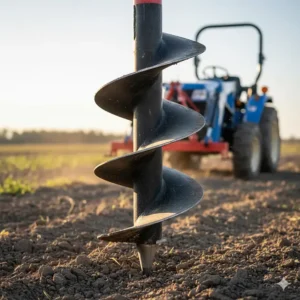
Post hole diggers typically accept augers in standard 3″ increments: 6″, 9″, 12″, 15″, and 18″ diameter. Some manufacturers also offer 4″ and 8″ specialty sizes. For most fencing and general applications, you’ll use 6″, 9″, or 12″ augers.
A 6″ auger creates holes perfect for T-posts and smaller wooden posts. These smaller bits dig quickly and work well in tight spaces. The 9″ size handles standard 4×4 fence posts and most deck post applications—it’s probably the most versatile diameter. A 12″ auger accommodates larger posts and provides extra room for concrete, but requires more power to turn and creates larger spoil piles to manage.
Auger Depth Capacity Considerations
Most tractor post hole digger augers feature 24″ or 36″ lengths. The shorter 24″ bits work fine for general fencing where you’re setting posts 2-3 feet deep. For applications requiring deeper holes—like deck posts in cold climates where frost lines extend 3-4 feet down—you’ll want 36″ augers or extension options.
Building codes typically mandate post depths based on your local frost line. Northern states often require 36″ minimum depths, while southern regions may only need 24″. Check your local requirements before selecting auger length.
Fishtail vs. Rock Point Auger Tips
Auger bits come with different tip designs optimized for various soil conditions. Fishtail points (also called digging points) feature a flat, splitting design that works excellently in normal soil, clay, and light root conditions. These tips bite aggressively and remove material efficiently.
Rock points have a more conical, drill-like design that handles rocky, gravelly, or heavily root-laced soil better. The trade-off? Rock points don’t lift material as efficiently in normal soil, so digging takes slightly longer. Many experienced users keep both types on hand and switch based on conditions.
Installation and Setup: Getting Your Post Hole Digger for Tractor Ready
Proper installation makes the difference between a tool that works beautifully and one that frustrates you every time you use it.
Pre-Installation Tractor Preparation
Start with your tractor parked on level, stable ground with the parking brake engaged. Lower your three-point hitch to its lowest position—this makes alignment much easier. If your tractor has hydraulic remote valves, ensure they’re in neutral position to prevent accidental hitch movement during installation.
Remove any implements currently attached to your three-point hitch. Inspect your PTO shaft to confirm it’s clean and properly greased. Worn or damaged PTO splines can cause installation problems and premature wear on the new implement’s driveline.
Step-by-Step Mounting Process
Position the 3 point post hole digger behind your tractor, aligning the lower hitch pins with your tractor’s lift arms. Most implements include adjustment flexibility, so don’t worry if the alignment isn’t perfect initially. Slide the lower pins through the implement’s mounting points and secure with lynch pins or appropriate fasteners.
Connect the top link to the implement’s upper mounting point, adjusting the length to achieve proper implement angle. The auger should sit vertically when the tractor is level—a tilted auger digs crooked holes. Once the three-point connection is secure, attach the PTO driveline. The implement end typically features a button-lock or pin mechanism; depress the button, slide onto the implement’s PTO shaft, and confirm it locks securely.
Initial Testing and Safety Checks
Before drilling your first hole, run through these safety verifications:
✅ Confirm all pins are secured – Missing lynch pins equal flying implements
✅ Check PTO shielding – Ensure all rotating parts are covered
✅ Test hydraulic lift function – Raise and lower the implement fully
✅ Verify auger clearance – Ensure adequate ground clearance when raised
✅ Inspect for interference – Check that nothing contacts tires or other components
Start your tractor’s PTO at idle speed (typically 540 RPM) and verify smooth operation without unusual vibration or noise. If anything seems off, shut down immediately and investigate before proceeding.
Operating Your Three Point Post Hole Digger Safely and Effectively
Using a tractor auger post hole digger efficiently involves more than just putting the auger in the ground and pulling a lever.
Proper Operating Technique
Here’s the technique that professional fence builders use: Position your tractor so the auger sits over your desired hole location. Lower the auger until the tip just touches the ground. Engage your PTO at low RPM—never use full throttle with a post hole digger. Let the auger’s weight and rotation do the work rather than forcing it downward.
After penetrating 6-8 inches, raise the auger to clear accumulated dirt. This “peck drilling” technique prevents auger binding and overloading your tractor’s hydraulic system. Repeat this cycle—drill 6-8 inches, raise and clear, repeat—until you reach your target depth.
Dealing With Difficult Soil Conditions
Rocky soil tests any three point hitch post hole digger. When you hit a substantial rock, you’ll feel the tractor strain and may hear the impact. Immediately disengage the PTO. Trying to power through rocks damages auger teeth, stresses gearboxes, and can shear your driveline.
Use a digging bar or pry bar to dislodge the rock, then continue drilling. Some operators keep a dedicated “rock auger” with rock point tips specifically for problematic ground. Clay soil presents different challenges—it tends to pack tightly against the auger flights, requiring frequent clearing. Wet clay is actually easier to drill than bone-dry clay, so consider timing your project after rain when possible.
Common Operating Mistakes to Avoid
First-time users often make these errors:
❌ Running PTO too fast – High RPM increases accident risk and doesn’t dig faster
❌ Forcing the auger – Let gravity and rotation do the work
❌ Neglecting to clear frequently – Packed augers bind and stall
❌ Operating on uneven ground – Creates crooked, angled holes
❌ Forgetting about underground utilities – Always call 811 before digging
One mistake deserves special mention: staying on the tractor seat while the auger runs. Sounds obvious, but the convenience tempts people. Don’t do it. If the auger binds, it can torque the entire tractor sideways in a heartbeat. Always operate from the seat with proper control.
Maintenance Requirements for Long-Term Reliability
A well-maintained 3 point post hole digger lasts decades. Neglected ones fail within a few seasons.
Daily Pre-Use Inspection
Before each work session, walk around your implement checking these points:
✅ Auger cutting edges – Worn or damaged teeth need replacement
✅ Gearbox oil level – Top off if low (check manual for proper type)
✅ PTO driveline – Lubricate universal joints and slip joints
✅ Shear bolts – Replace any broken bolts before starting
✅ Frame and welds – Look for cracks or damage
These quick checks take five minutes but prevent expensive repairs and mid-project breakdowns.
Seasonal Maintenance Schedule
Every 50 hours of operation (or annually, whichever comes first), perform more thorough maintenance:
- Change gearbox oil – Old oil contains metal particles and loses protective properties
- Grease all fittings – Hydraulic levers, boom pivots, and PTO connections need lubrication
- Inspect auger bits – Replace excessively worn cutting edges and points
- Check fasteners – Vibration loosens bolts over time; re-torque all connections
- Clean and repaint – Remove rust, touch up paint, prevent corrosion
Agricultural implement maintenance following manufacturer guidelines significantly extends service life and maintains resale value.
Storage Best Practices
Proper off-season storage prevents costly damage. Store your three point post hole digger in a covered area if possible—direct weather exposure accelerates deterioration. Park the implement on level ground or use the removable stands (if equipped) to prevent frame stress.
Apply a light coat of oil or rust preventative to bare metal surfaces, especially auger bits. Loosen any tensioned components (like boom adjustment pins) to relieve stress on the frame. Finally, document your storage date and condition in a maintenance log—future you will appreciate knowing when last maintenance occurred.
Cost Analysis: Budget vs Premium 3 Point Post Hole Digger Models
Understanding the real cost of ownership helps justify—or question—spending more upfront.
Initial Purchase Price Breakdown
Entry-level three point post hole digger units start around $550-$700 without augers. These budget options typically handle light residential use on compact tractors and feature basic gearboxes and lighter construction. Mid-range models ($900-$1,300) offer better build quality, improved gearbox ratings, and greater versatility. Premium commercial units ($1,400-$2,500+) provide maximum durability for professional applications.
Don’t forget to budget for augers—quality bits run $120-$250 each depending on diameter. Most users eventually acquire multiple sizes, so initial setup costs can approach $900-$1,000 even with a budget digger base unit.
Calculating Long-Term Value
Here’s where perspective matters. Hiring a professional with a skid steer and hydraulic auger typically costs $3-$8 per hole depending on your location and soil conditions. If you’re planning a fence project requiring 100 holes, that’s $300-$800 in labor costs. A modest post hole digger for tractor use pays for itself on a single significant project.
Quality makes the difference in longevity. A $600 budget unit might last 5-7 years with residential use. A $1,200 professional-grade implement commonly serves 15-20 years. Amortized over their service lives, the cost per year actually favors premium equipment—assuming you have sufficient work to justify the purchase.
Resale Value Considerations
Well-maintained post hole diggers hold value remarkably well. Used implements from reputable manufacturers (SpeeCo, King Kutter, Tool Tuff) typically resell for 50-70% of original price if in good condition. Budget brands and no-name imports see steeper depreciation, often dropping to 30-40% of purchase price.
This resale reality means buying quality makes financial sense even if you eventually upgrade or no longer need the implement. Factor this into your decision-making—the premium brand that costs 40% more new but retains 60% of value beats the budget option that retains only 30% value.
Comparing Manual vs Powered vs 3 Point Post Hole Digger Options
Understanding alternative digging methods helps you appreciate why many people ultimately choose a tractor-mounted solution.
Manual Post Hole Diggers
Traditional manual diggers (clamshell style) cost $30-$80 and work through pure physical effort. You thrust the blades into the ground, close the handles to capture soil, and lift it out. For 5-10 holes in soft ground, manual diggers suffice. Beyond that, your arms, back, and shoulders will strongly disagree.
The advantages? Portable, inexpensive, no maintenance, and they work anywhere regardless of access. The disadvantages? Slow, exhausting, and practically useless in clay or rocky soil. Most people who start a project with a manual digger end up renting or buying powered options after the first dozen holes.
Gas-Powered Handheld Augers
One-person or two-person gas augers represent a middle ground. These portable units typically feature 40-60cc engines and handle 6″-12″ diameter augers. Prices range from $200-$500, with reputable brands (Earthquake, Jiffy, Eskimo) at the higher end.
Gas augers offer portability advantages—you can work anywhere without tractor access. However, they’re physically demanding to control, especially in tough soil when the auger binds. Two-person models reduce fatigue but require coordinating with a helper. For intermittent use or areas your tractor can’t access, handheld augers make sense. For extensive projects, they’re still slow and tiring compared to tractor-mounted options.
Hydraulic Post Hole Diggers (Skid Steer Mounted)
Hydraulic augers mounting to skid steers represent the professional standard for large-scale drilling. These units use hydraulic power rather than PTO drive, offering tremendous torque and smooth operation. Professional-grade hydraulic augers start around $3,000 and range up to $15,000+ for heavy-duty units.
Unless you already own a skid steer or plan to purchase one, hydraulic augers fall outside most homeowner budgets. They’re overkill for typical residential projects, though their speed and power make them standard equipment for commercial fence companies and landscaping contractors.
Troubleshooting Common Issues With Your Tractor Post Hole Digger
Even quality implements occasionally present problems. Here’s how to diagnose and fix common issues.
Auger Won’t Spin or Spins Slowly
First, check PTO engagement—ensure your tractor’s PTO is actually engaged and running at appropriate RPM (typically 540). Next, inspect the driveline for damage or separation. A telescoping driveline that’s compressed or extended beyond its range won’t transmit power effectively.
If the PTO turns but the auger doesn’t, you’ve likely sheared the protection bolt in the gearbox or driveline. This is actually good news—shear bolts are designed to fail before expensive components do. Replace the shear bolt (keep spares on hand) and identify what caused the overload. Often it’s hitting a rock or trying to force the auger through tough material.
Excessive Vibration During Operation
Vibration indicates imbalance or misalignment somewhere in the system. Check auger mounting first—ensure the bit is fully seated on the output shaft and all mounting bolts are tight. Bent or damaged augers create significant vibration and should be replaced rather than continued use.
Loose boom mounting or damaged gearbox mounts also cause vibration. Inspect all fasteners and replace any worn bushings or bearings. Sometimes vibration stems from the tractor itself—worn PTO bearings or damaged PTO shaft can transmit vibration through the implement.
Holes Come Out Crooked or Angled
Crooked holes usually result from operating on uneven ground or improper top link adjustment. Park your tractor on level ground and adjust the top link until the auger hangs vertically. Use a level against the auger to verify alignment.
Another cause: a bent auger or damaged auger point. Hitting rocks or tree roots can bend the auger tip, causing it to drill off-center. Inspect your auger carefully—even small bends create significantly angled holes.
Gearbox Overheating or Smoking
Overheating indicates either low oil levels or excessive load. Check gearbox oil immediately—if low, top off with the correct weight oil per manufacturer specifications. If oil level is fine, you’re overloading the unit by drilling too aggressively or the gear ratio doesn’t match your application.
Reduce pressure on the auger, take shorter bites (6-8 inches at a time), and clear more frequently. If overheating persists, your gearbox may be undersized for your tractor’s power output or you’re attempting to drill in conditions beyond the implement’s capabilities.
Real-World Performance: Customer Experiences Across Different Brands
Looking at actual user experiences provides valuable insight beyond manufacturer claims.
Budget Brand Performance Reports
Users of budget-priced units ($550-$750 range) generally report satisfactory performance for occasional residential use. Common praise centers on value—these implements handle basic tasks adequately at attractive prices. However, reviews consistently mention quality control inconsistencies: missing hardware, paint defects, and occasional alignment issues.
Durability concerns emerge after several seasons of use. Budget gearboxes show wear faster, cheap auger teeth need replacement sooner, and frame welding occasionally fails. For homeowners planning a single large project then occasional maintenance use, budget options make sense. For sustained regular use, the limitations become apparent.
Mid-Range Brand Experiences
The $900-$1,300 sweet spot (Tool Tuff, CountyLine, King Kutter) earns the most positive feedback. Users appreciate noticeably better construction quality compared to budget imports. Gearboxes run cooler, frames handle stress without flexing, and overall reliability proves superior.
Common themes in mid-range reviews include “wish I had bought this first instead of the cheap one” and “handles our clay soil without complaint.” Negative feedback typically involves freight shipping issues (damaged crates, delayed delivery) rather than product performance. Customer service quality varies by brand, with Tool Tuff and CountyLine earning better marks than some alternatives.
Professional Grade Feedback
Heavy-duty units ($1,400+) like the Tool Tuff Pole-Star 1500 and SpeeCo commercial models receive strong marks from serious users. Contractors and large property owners appreciate the robust construction and sustained performance under demanding conditions. These units routinely handle hundreds of holes per season for multiple years without significant issues.
The investment proves worthwhile for professional applications where downtime costs money and reliability matters more than initial purchase price. Homeowners sometimes question whether premium features justify the cost—until they borrow a friend’s budget digger and immediately appreciate the difference in capability and refinement.
FAQ: Everything You Need to Know About 3 Point Post Hole Digger Selection
❓ Can I use a 3 point post hole digger on a compact tractor under 25 HP?
❓ How deep can I dig with a typical tractor auger post hole digger?
❓ What's the difference between Category 1 and Category 2 compatibility?
❓ Do I need a different auger for rocky soil versus clay?
❓ How often should I replace auger cutting edges on my post hole digger for tractor?
Conclusion: Making Your Final 3 Point Post Hole Digger Decision
Choosing the right three point post hole digger ultimately comes down to matching your specific needs with appropriate capabilities and budget. If you’re running a compact tractor under 30 HP for occasional fence projects, the Tool Tuff Model 400 or Titan Attachments 30 HP offer excellent value. These units handle residential applications admirably without breaking the bank.
Mid-size tractor owners (35-50 HP) should consider the ToolTuff Model 1000 or CountyLine 18 HP—both provide a sweet spot of capability, durability, and price. These implements tackle serious projects while remaining accessible for hobby farmers and active homeowners. The availability of replacement parts and decent warranty coverage adds peace of mind.
For professional applications or large-scale property management, invest in heavy-duty options like the Tool Tuff Pole-Star 1500 or SpeeCo Model 70 PHD. The premium construction quality and commercial-grade components justify higher costs through extended service life and reliable performance under sustained use.
Remember these key takeaways: Match implement horsepower rating to your tractor, verify Category 1 or 2 hitch compatibility, budget for quality auger bits in multiple sizes, and plan for proper maintenance. A well-chosen tractor auger post hole digger transforms challenging manual labor into efficient, almost enjoyable work. Whether you’re building perimeter fencing, installing a deck, or planting an orchard, the right implement makes all the difference.
Ready to transform your property projects? Check current pricing and availability on these top-rated models and start drilling those holes with confidence instead of frustration.
🛒 Start Your Project Today! ⚡
Don’t let another season pass fighting with manual tools or hiring expensive contractors. These professional-grade post hole diggers deliver the performance and reliability you need. Click any highlighted product name to see current Amazon deals and customer reviews!
Recommended for You
- Self Propelled Lawn Mower vs Push: Top Best 7 Crucial Differences 2025
- Electric Start Push Lawn Mower: 7 Best Models 2025
- Lawn Mower Blades: 7 Top Picks to Transform Your Lawn in 2025
Disclaimer: This article contains affiliate links. If you purchase products through these links, we may earn a small commission at no additional cost to you.
✨ Found this helpful? Share it with your friends! 💬🤗
