
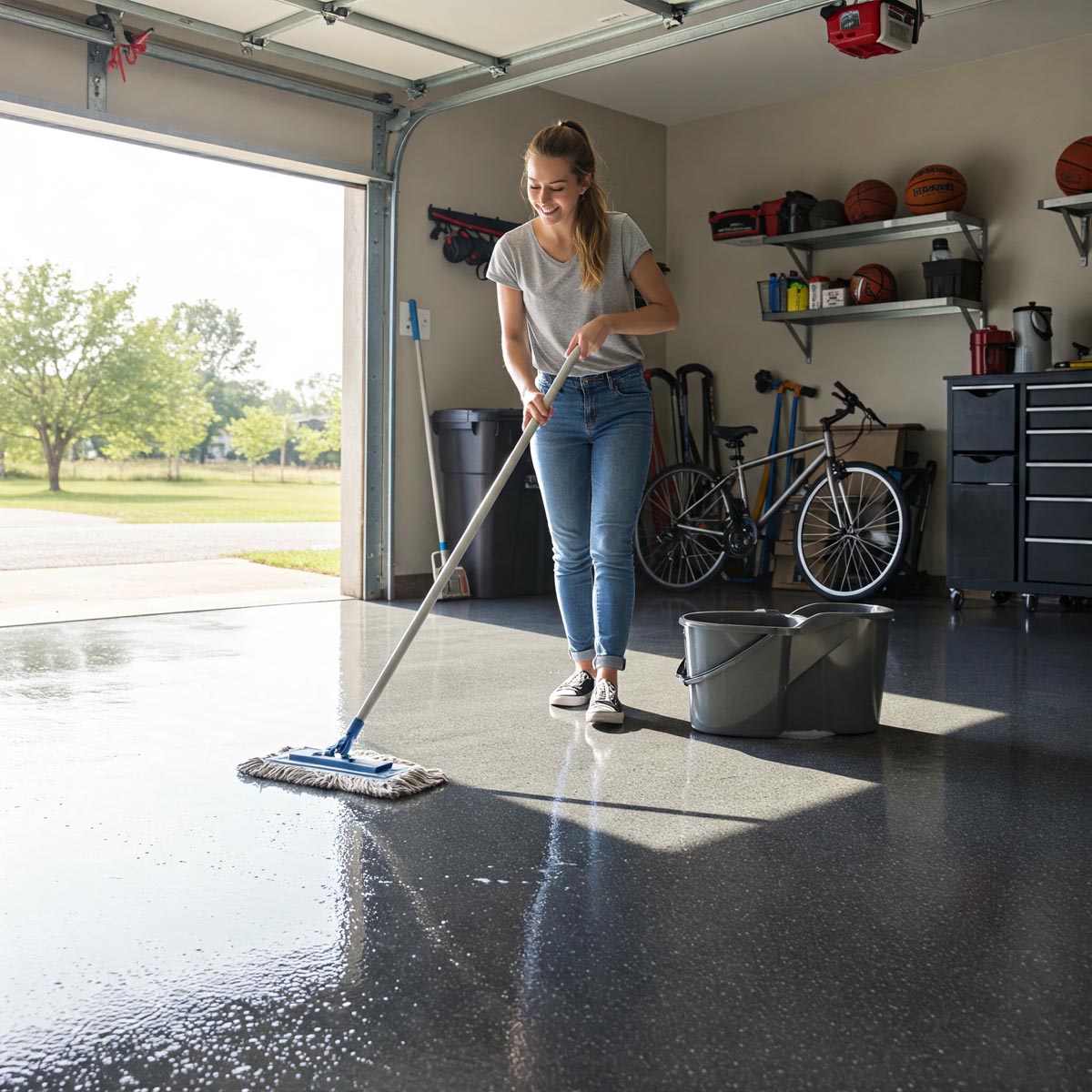
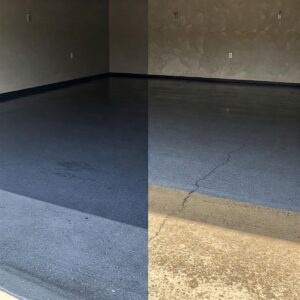
Are you tired of your garage floor looking worn, stained, and just plain unattractive? I certainly was when I moved into my current home. The previous owners had left the concrete bare for years, and it showed every oil stain, crack, and bit of wear possible. However, after researching various flooring solutions, I discovered something that completely transformed my garage: polyaspartic garage floor coating.
Polyaspartic garage floor coating has emerged as a revolutionary solution for homeowners seeking durable, attractive, and long-lasting protection for their garage floors. Unlike traditional epoxy coatings, polyaspartic offers remarkable advantages that make it worth considering for your next garage renovation project.
In this comprehensive guide, I’ll share everything you need to know about polyaspartic garage floor coating—from what it is and how it differs from other options to installation processes, costs, and maintenance tips. Additionally, I’ll recommend some top-quality products that can help you achieve professional results if you’re considering a DIY approach.

In This Article
What Is Polyaspartic Garage Floor Coating?
Polyaspartic garage floor coating is a relatively new type of polyurea coating that was initially developed for industrial applications but has since gained popularity in residential settings. It’s a high-performance, two-component aliphatic polyurea product that creates an extremely durable and chemical-resistant surface when properly applied to concrete floors.
The polyaspartic technology originated in the 1990s when companies were searching for faster-curing alternatives to traditional epoxy and polyurethane coatings for steel bridges and other industrial structures. Today, it has been refined for use in residential and commercial flooring applications, particularly for garage floors that require exceptional durability and chemical resistance.
As The Concrete Network explains, “Polyaspartic coatings represent the newest technology in resinous floor coatings, offering rapid cure times and excellent durability.”
The Chemical Composition
At its core, polyaspartic is a type of aliphatic polyurea, which is formed by combining an aliphatic polyisocyanate with a polyaspartic ester. This chemical reaction creates a polymer with exceptional characteristics:
- Ultra-high solids content (often 70-100%)
- Variable cure times (from 5 minutes to several hours)
- Outstanding UV stability
- Excellent chemical and abrasion resistance
- Remarkable flexibility and impact resistance
Unlike aromatic polyureas that may yellow when exposed to sunlight, aliphatic polyaspartic coatings maintain their color and clarity over time, making them perfect for decorative floor applications.
Polyaspartic vs. Epoxy: Understanding the Key Differences
When considering garage floor coating options, many homeowners find themselves choosing between polyaspartic and epoxy coatings. While both provide protective layers for concrete floors, they differ significantly in several important aspects.
1. Cure Time ⏱️
Perhaps the most significant advantage of polyaspartic garage floor coating is its incredibly fast cure time:
✅ Polyaspartic: Typically cures in 1-2 hours and allows for return to service within 24 hours
❌ Epoxy: Often requires 12-24 hours between coats and 3-7 days before full use
This dramatic difference means a polyaspartic floor installation can often be completed in a single day, while epoxy installations typically require multiple days and significantly longer periods where the garage cannot be used.
2. Temperature Flexibility 🌡️
Another major advantage of polyaspartic coatings is their ability to be installed across a wider temperature range:
✅ Polyaspartic: Can be applied in temperatures ranging from -30°F to 140°F (-34°C to 60°C)
❌ Epoxy: Generally requires application temperatures between 50°F and 90°F (10°C to 32°C)
According to research published in the Journal of Coatings Technology and Research, “Polyaspartic coatings demonstrate superior performance in extreme temperature conditions compared to traditional epoxy systems.”
3. UV Stability ☀️
Ultraviolet light stability is critical for maintaining appearance over time:
✅ Polyaspartic: Naturally UV-stable, will not yellow or fade with sun exposure
❌ Epoxy: Prone to yellowing and chalking when exposed to UV light
4. Chemical Resistance 🧪
Both coatings offer chemical resistance, but to different degrees:
✅ Polyaspartic: Exceptional resistance to harsh chemicals, including gasoline, oil, salt, and household chemicals
✅ Epoxy: Good chemical resistance, but generally not as comprehensive as polyaspartic
5. Thickness and Build
The application thickness differs between the two:
✅ Polyaspartic: Applied in thinner coats (typically 2-3 mils per coat)
❌ Epoxy: Applied in thicker layers (typically 10+ mils per coat)
Despite being thinner, polyaspartic coatings often provide superior protection due to their enhanced molecular structure and density.
5 Outstanding Benefits of Polyaspartic Garage Floor Coating
Now that we understand what polyaspartic garage floor coating is and how it compares to other options, let’s explore the five major benefits that make it an exceptional choice for homeowners.
1. Remarkable Durability and Longevity 💪
Polyaspartic garage floor coating creates an extraordinarily tough surface that can withstand the demands of busy garage environments:
- Impact Resistance: Polyaspartic coatings absorb and distribute impact energy, reducing the likelihood of chipping or cracking when tools or heavy objects are dropped.
- Abrasion Resistance: The coating stands up to tire traffic, moving furniture, and equipment without showing wear paths or scratches.
- Longevity: While epoxy floors typically last 5-7 years before requiring recoating, polyaspartic floors routinely last 10-15 years or more with proper maintenance.
According to a study by the National Research Council of Canada, polyaspartic floor coatings demonstrated “superior wear resistance and extended service life compared to conventional coating systems in high-traffic applications.”
2. Fast Installation and Minimal Downtime ⚡
One of the most practical advantages of polyaspartic garage floor coating is the rapid installation process:
- Single-Day Application: Most polyaspartic floors can be completely installed in just one day, compared to 3-4 days for epoxy systems.
- Rapid Return to Service: You can typically walk on the floor within 1-2 hours after the final coat and park vehicles on it within 24 hours.
- Year-Round Installation: The wide temperature application range means installation isn’t limited to warm seasons like epoxy installations often are.
This quick turnaround is particularly valuable for busy households where having the garage out of commission for several days would create significant inconvenience.
3. Superior Chemical and Stain Resistance 🛡️
Garages are exposed to numerous potential contaminants that can damage and stain flooring:
- Automotive Fluids: Polyaspartic coatings resist damage from oil, gasoline, transmission fluid, and other automotive chemicals.
- De-icing Salts: In colder climates, salt carried in on vehicle tires won’t damage or penetrate polyaspartic coatings.
- Household Chemicals: From cleaning products to fertilizers, polyaspartic coatings provide an impermeable barrier against common chemical spills.
The Department of Transportation has documented polyaspartic coatings’ exceptional resistance to road salts and chemicals in infrastructure applications, properties that translate well to residential garage environments.
4. Aesthetic Versatility and UV Stability 🎨
Polyaspartic garage floor coating isn’t just functional—it’s also highly customizable to match your aesthetic preferences:
- Color Options: Available in virtually any color, with the ability to incorporate custom color flakes or chips for decorative effects.
- Clarity: The coating remains clear and doesn’t yellow over time, even with direct sunlight exposure.
- Gloss Retention: Maintains a high-gloss, wet-look finish for years without dulling.
- Decorative Possibilities: Compatible with metallic pigments, colored quartz, and other decorative additives for unique, personalized flooring designs.
5. Low Maintenance Requirements 🧹
Once installed, polyaspartic garage floor coating is remarkably easy to maintain:
- Non-Porous Surface: The seamless, non-porous nature prevents dirt, dust, and liquids from penetrating the coating.
- Easy Cleaning: Simple sweeping and occasional mopping with mild detergent is all that’s typically required.
- Stain Prevention: Spills that would permanently stain concrete can be easily wiped away from polyaspartic surfaces.
- No Waxing or Polishing: Unlike some flooring options, polyaspartic coatings require no waxing, polishing, or resealing to maintain their appearance and performance.
According to Home Advisor, floor maintenance costs can be reduced by up to 70% when switching from uncoated concrete to high-performance coatings like polyaspartic systems.
The Installation Process: What to Expect
Whether you’re hiring professionals or considering a DIY approach, understanding the polyaspartic garage floor coating installation process will help you make informed decisions and set appropriate expectations.
Professional Installation Steps
A typical professional installation follows these key stages:
1. Surface Preparation
The most critical step in any floor coating installation is proper surface preparation:
- Concrete Cleaning: Removal of all dirt, grease, oil, and other contaminants.
- Mechanical Profiling: Diamond grinding or shot blasting to create the optimal surface profile for adhesion.
- Crack and Joint Repair: Filling and repairing any existing damage in the concrete substrate.
- Moisture Testing: Evaluating the concrete for moisture issues that could affect coating adhesion.
Professional installers use specialized equipment like industrial diamond grinders that create the ideal profile while minimizing dust through vacuum systems.
2. Primer Application (if needed)
While some polyaspartic systems are self-priming, others require a primer coat:
- Moisture Mitigation: For concrete with higher moisture levels, specialized primers can prevent issues.
- Adhesion Promotion: Primers enhance the bond between the concrete and subsequent coating layers.
3. Base Coat Application
The first coat of polyaspartic is applied to the prepared surface:
- Roller or Squeegee Application: Depending on the specific product, application methods may vary.
- Working in Sections: Installers typically work in manageable sections due to the rapid cure time.
- Proper Thickness: Careful attention to application thickness ensures optimal performance.
4. Decorative Flake Application (Optional)
For decorative finishes, vinyl color flakes are broadcast into the wet base coat:
- Broadcast Methods: Flakes may be hand-cast for random patterns or densely applied for full coverage.
- Variety of Options: Flakes come in numerous color combinations and sizes to achieve different aesthetic effects.
5. Top Coat Application
After the base coat has cured and any excess flakes have been removed:
- Clear Polyaspartic Sealer: Applied as the final protective layer.
- Uniform Coverage: Ensures consistent gloss and protection across the entire floor.
- Anti-Slip Additives: Optional texture additives can be incorporated for enhanced slip resistance.
6. Curing and Return to Service
The rapid cure time of polyaspartic allows for quick completion:
- Light Foot Traffic: Typically allowed within 1-2 hours of final coat application.
- Full Vehicle Traffic: Usually permitted within 24 hours.
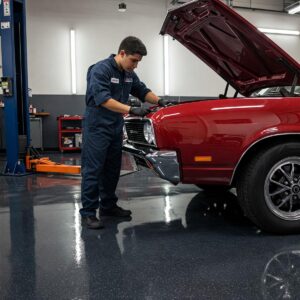
DIY Installation Considerations
While professional installation is recommended for optimal results, some homeowners with advanced DIY skills may consider tackling this project themselves. If you’re considering this route, here are some important factors to keep in mind:
- Specialized Equipment: Proper concrete preparation requires professional-grade equipment like diamond grinders.
- Working Time Challenges: The rapid cure time of polyaspartic coatings means you must work quickly and confidently.
- Temperature Sensitivity: While more forgiving than epoxy, application temperature and humidity still affect working time and cure.
- Safety Considerations: Proper ventilation and personal protective equipment are essential when working with polyaspartic coatings.
If you decide to pursue DIY installation, consider using products specifically formulated for homeowner application, which typically offer slightly longer working times.
Top Polyaspartic Garage Floor Coating Products for DIY Projects
If you’re considering a DIY garage floor coating project, these high-quality polyaspartic products offer excellent performance while being somewhat more user-friendly than professional-grade systems.
1. ArmorGarage Extreme 2.5X Polyaspartic Kit
This all-inclusive kit provides everything needed for a professional-quality polyaspartic garage floor coating. The ArmorGarage Extreme 2.5X Polyaspartic Kit features a two-component system that offers exceptional durability with slightly extended working time for DIY applications.
Key Features:
- Complete kit with base coat, top coat, and decorative flakes
- 2.5 times thicker than standard polyaspartic coatings
- Hot tire resistance and UV stability
- Coverage for a standard 2-car garage
- Includes detailed application instructions
Price Range: $390-$490 (depending on color and flake options)
2. RockSolid Polycuramine Garage Floor Coating
While technically a polycuramine (a blend of polyurea, polyurethane, and epoxy), the RockSolid Polycuramine Garage Floor Coating offers many benefits similar to pure polyaspartic systems but with more DIY-friendly application characteristics.
Key Features:
- 20x stronger than epoxy alone
- Self-leveling, pourable application
- Low VOC formula
- 7-day automotive fluid resistance
- Available in multiple colors
Price Range: $150-$200 per car garage space
3. EpoxyShield Industrial Polyaspartic Floor Coating
From the makers of Rust-Oleum, the EpoxyShield Industrial Polyaspartic Floor Coating offers commercial-grade performance with application properties designed for experienced DIYers.
Key Features:
- High-solids formula for excellent coverage
- Superior chemical and abrasion resistance
- UV stable for long-term color retention
- Rapid cure time (walk on in 4 hours, drive on in 24)
- Low temperature application (as low as 40°F)
Price Range: $220-$290 per kit
Product Comparison Table
| Product | Coverage Area | Cure Time | Application Temp Range | VOC Content | Chemical Resistance | Price Range |
|---|---|---|---|---|---|---|
| ArmorGarage Extreme 2.5X | 500 sq ft | Walk: 2 hrs<br>Drive: 24 hrs | 40°F-90°F | Low | Excellent | $390-$490 |
| RockSolid Polycuramine | 250 sq ft | Walk: 8-10 hrs<br>Drive: 24 hrs | 50°F-90°F | Very Low | Very Good | $150-$200 |
| EpoxyShield Industrial | 300 sq ft | Walk: 4 hrs<br>Drive: 24 hrs | 40°F-90°F | Low | Excellent | $220-$290 |
🔥 Transform Your Garage Floor Today! 🔥
Ready to upgrade your garage with a premium polyaspartic coating? Click on any of the product links above to check current pricing and availability. These professional-grade systems will help you achieve a durable, beautiful floor that will last for years to come!
Cost Considerations: What to Budget for Polyaspartic Garage Floor Coating
When planning for a polyaspartic garage floor coating project, understanding the cost factors will help you budget appropriately and determine whether to pursue professional installation or a DIY approach.
Professional Installation Costs
For professional installation, polyaspartic garage floor coating typically ranges from $5 to $12 per square foot, depending on several factors:
Location and Market Factors
- Geographic Region: Labor rates vary significantly across different parts of the country.
- Local Competition: Areas with more coating contractors may offer more competitive pricing.
- Urban vs. Rural: Installation in metropolitan areas generally costs more than in rural locations.
Concrete Condition and Preparation Requirements
- Surface Preparation Needs: Floors requiring extensive grinding, crack repair, or moisture mitigation will increase costs.
- Existing Coatings: Removal of old coatings or sealers adds to the preparation expenses.
- Concrete Repairs: Fixing cracks, spalling, or other damage will add to the overall project cost.
System Specifications
- Coating Thickness: Systems with higher build (thicker application) cost more but offer enhanced durability.
- Number of Coats: Basic systems might include a primer and one top coat, while premium systems often include multiple coats.
- Decorative Elements: Adding decorative flakes, metallic pigments, or custom patterns increases material costs.
For a standard two-car garage (approximately 400-500 square feet), professional polyaspartic floor coating installation typically costs:
- Basic System: $2,000-$3,000
- Mid-Range System with Decorative Flakes: $3,000-$4,500
- Premium System with Custom Design: $4,500-$6,000+
According to HomeGuide, “While polyaspartic garage floor coatings have a higher initial cost than epoxy, their extended lifespan and reduced maintenance requirements often make them more economical over time.”
DIY Installation Costs
For those with the skills and equipment to tackle installation themselves, DIY polyaspartic garage floor coating typically costs between $2-$4 per square foot for materials alone:
- Basic Materials for 500 sq ft Garage: $1,000-$1,500
- Premium Materials for 500 sq ft Garage: $1,500-$2,000
However, when budgeting for DIY installation, don’t forget to account for:
- Equipment Rental: Floor grinder/shot blaster ($150-$300/day)
- Additional Tools: Rollers, squeegees, mixing buckets ($100-$200)
- Protective Equipment: Respirators, gloves, eye protection ($50-$100)
- Miscellaneous Supplies: Tape, plastic sheeting, cleaning materials ($50-$100)
Long-Term Value Considerations
While the initial investment in polyaspartic garage floor coating exceeds that of simple epoxy or paint, several factors contribute to its superior long-term value:
- Extended Service Life: Typically lasts 10-15+ years compared to 3-5 years for DIY epoxy kits.
- Reduced Maintenance Costs: Minimal upkeep requirements save money over time.
- Property Value Enhancement: Quality garage improvements can increase home resale value.
- Avoided Replacement Costs: Less frequent recoating or replacement saves future expenses.
The National Association of Realtors reports that garage improvements, including high-quality floor coatings, can return 65-85% of their cost at resale.
Maintenance Tips for Polyaspartic Garage Floor Coating
One of the most appealing aspects of polyaspartic garage floor coating is its minimal maintenance requirements. Following these simple care guidelines will help maintain your floor’s appearance and performance for many years.
Routine Cleaning Procedures
To keep your polyaspartic floor looking its best:
- Regular Sweeping: Use a soft-bristle broom or dust mop to remove dirt, dust, and debris weekly.
- Periodic Washing: Clean the floor monthly using warm water and a pH-neutral cleaner specifically formulated for coated floors.
- Spill Management: Clean up spills promptly, even though polyaspartic is highly resistant to staining. This prevents dirt from accumulating around spill areas.
- Proper Tools: Use microfiber mops or soft-bristle brushes rather than abrasive cleaning tools that might scratch the surface.
What to Avoid
To prevent damage to your polyaspartic floor coating:
- Harsh Chemicals: Avoid acidic cleaners, bleach, ammonia, or citrus-based cleaners that might dull the finish over time.
- Abrasive Tools: Steel wool, abrasive scrubbing pads, or wire brushes can scratch the coating.
- Dragging Heavy Objects: Lift rather than drag heavy equipment or furniture across the floor.
- Rubber Mats: Some rubber products can cause discoloration due to a reaction called plasticizer migration. Use vinyl or polyurethane mats instead if needed.
Seasonal Maintenance Considerations
Depending on your climate and garage usage, consider these seasonal maintenance tips:
- Winter Care: In regions with snow and ice, regularly remove road salt residue that might be tracked in on vehicles.
- Spring Cleaning: Perform a more thorough cleaning after winter to remove accumulated salt and grime.
- Summer Heat: In extremely hot climates, parking hot tires on the same spots repeatedly can eventually cause marking, so occasional repositioning of vehicles is recommended.
Long-Term Care
For extended coating life:
- Annual Inspection: Check for any signs of wear or damage annually and address minor issues promptly.
- Touch-Up Procedures: Small chips or scratches can be repaired with touch-up kits available from many manufacturers.
- Professional Cleaning: Consider a professional deep cleaning every 2-3 years to maintain optimal appearance.
Following these simple maintenance procedures will help ensure your polyaspartic garage floor coating remains beautiful and functional for its entire service life, which typically exceeds a decade with proper care.
Common Questions About Polyaspartic Garage Floor Coating
Here are answers to some frequently asked questions about polyaspartic garage floor coating:
How long does polyaspartic garage floor coating last?
With proper installation and maintenance, polyaspartic garage floor coating typically lasts 10-15 years or more before requiring recoating. This significantly exceeds the 3-7 year lifespan of most epoxy coatings. Factors affecting longevity include:
- Quality of surface preparation
- Professional vs. DIY installation
- Coating thickness and number of layers
- Traffic volume and type
- Maintenance practices
Is polyaspartic flooring slippery when wet?
Basic polyaspartic coatings can be somewhat slippery when wet, similar to other high-gloss floor finishes. However, this is easily addressed during installation by incorporating anti-slip additives into the top coat. These additives create microscopic texture that improves traction without significantly affecting the floor’s appearance or cleanability.
Common anti-slip additives include:
- Aluminum oxide particles
- Polymer-based texture agents
- Fine silica sand
- Synthetic anti-slip beads
The amount of texture can be customized based on your specific needs and preferences.
Can polyaspartic be applied over existing epoxy or other coatings?
Yes, polyaspartic can often be applied over existing coatings, provided:
- The existing coating is well-bonded to the concrete
- The surface is properly cleaned and abraded to create a profile
- Compatibility testing is performed
- Any damage to the existing coating is repaired
However, for optimal performance, many professionals recommend complete removal of old coatings before applying polyaspartic systems. This ensures the best possible adhesion and eliminates the risk of future failures caused by problems with the underlying coating.
Does polyaspartic flooring emit strong odors during installation?
Polyaspartic coatings generally have lower odor than traditional epoxy systems, but they do contain solvents and chemicals that produce some odor during installation. The odor is typically less intense and dissipates much faster than epoxy odors due to the rapid cure time.
Important considerations regarding odors:
- Proper ventilation is essential during installation
- Most odors dissipate within hours rather than days
- Low-VOC and zero-VOC formulations are available
- Occupants with extreme sensitivity should vacate during installation
How soon can I use my garage after polyaspartic floor coating is installed?
One of the most significant advantages of polyaspartic coatings is their rapid return-to-service time:
- Light foot traffic: 1-2 hours after final coat
- Heavy foot traffic: 4-8 hours
- Vehicle traffic: 24 hours
- Full chemical cure: 7 days (though the floor is usable much sooner)
This quick turnaround contrasts sharply with epoxy systems, which typically require 3-7 days before vehicle traffic is permitted.
🛒 Ready to Experience the Polyaspartic Difference? 🛒
Don’t settle for outdated garage flooring solutions when polyaspartic technology offers superior performance in every category. Click on any of our recommended products to check prices and availability now. Upgrade your garage with a floor coating that will look amazing and perform flawlessly for years to come!
Professional vs. DIY Installation: Making the Right Choice
Deciding between professional installation and a DIY approach for your polyaspartic garage floor coating involves weighing several factors:
When to Choose Professional Installation
Professional installation is typically recommended for most homeowners, especially in these situations:
- Complex Concrete Issues: If your garage floor has significant cracks, moisture problems, or severe oil staining, professional remediation will ensure these issues don’t compromise your new coating.
- Time Constraints: Professional teams can complete even large installations in a single day, while DIY projects often take an entire weekend or longer.
- Quality Expectations: For showroom-quality results with perfect finish and maximum durability, professional installation offers significant advantages.
- Warranty Considerations: Many professional installations come with multi-year warranties against delamination, peeling, and other failures.
According to This Old House, “While DIY floor coating kits have improved, professional installation still offers significant advantages in terms of concrete preparation, which is the most critical factor in coating longevity.”
When DIY Might Be Appropriate
DIY installation may be suitable in certain circumstances:
- Budget Constraints: When professional installation costs exceed your budget and you’re willing to invest time instead of money.
- Advanced DIY Skills: Homeowners with significant experience in similar projects may achieve good results.
- Simple Applications: Garages with new, clean concrete in good condition present fewer challenges for DIY installation.
- Limited Vehicle Traffic: If your garage sees minimal vehicle traffic, minor imperfections in a DIY application may be less problematic.
Key Success Factors for DIY Installation
If you do choose the DIY route, these factors will significantly impact your success:
- Thorough Research: Study application techniques and watch instructional videos before beginning.
- Proper Preparation: Invest the time and equipment necessary for thorough concrete preparation.
- Quality Materials: Purchase professional-grade products rather than budget options.
- Environmental Control: Time your project when temperature and humidity conditions are optimal.
- Patience: Follow all manufacturer instructions regarding cure times and application procedures.
Hybrid Approaches
Some homeowners opt for a middle-ground approach:
- DIY Preparation with Professional Application: Complete the cleaning and minor repairs yourself, then hire professionals for the coating application.
- Professional Preparation with DIY Application: Have professionals handle the critical concrete grinding and preparation, then apply the coating yourself.
- Coaching Services: Some coating companies offer consultation and guidance for DIY installers, including equipment rental and technical support.
Ultimately, the decision between professional and DIY installation should balance your budget, skills, time availability, and quality expectations.
Conclusion: Is Polyaspartic Garage Floor Coating Right for You?
After exploring the features, benefits, installation processes, and considerations surrounding polyaspartic garage floor coating, you’re now equipped to make an informed decision about whether this premium flooring solution aligns with your needs and priorities.
Ideal Scenarios for Polyaspartic Garage Floor Coating
Polyaspartic garage floor coating is particularly well-suited for homeowners who:
- Value long-term performance over initial cost savings
- Need rapid installation with minimal garage downtime
- Live in regions with extreme temperatures where application window for other coatings is limited
- Desire a high-end, showroom-quality appearance for their garage
- Want maximum protection against automotive fluids, chemicals, and physical wear
- Prefer minimal maintenance requirements for their flooring solution
According to a survey by Garage Living, over 85% of homeowners who installed polyaspartic flooring reported high satisfaction with their decision, citing durability and appearance as the top benefits.
When to Consider Alternatives
While polyaspartic coatings offer exceptional benefits, they might not be the ideal choice in every situation:
- Tight Budget Constraints: If initial cost is your primary concern, epoxy coatings or simple concrete sealers may be more appropriate.
- DIY Preference: If you’re committed to a DIY approach but lack experience with fast-setting coatings, traditional epoxy might provide more working time.
- Extremely Damaged Concrete: In cases of severe concrete deterioration, more extensive remediation or even replacement might be necessary before any coating is applied.
Final Recommendation
Based on comprehensive research and performance data, polyaspartic garage floor coating represents the current gold standard for residential garage flooring solutions. While the initial investment exceeds that of basic coatings, the superior durability, rapid installation, chemical resistance, and aesthetic qualities make it the most cost-effective option over the life of the floor.
Whether you choose professional installation or a DIY approach with high-quality products, a properly installed polyaspartic coating will transform your garage floor from a utilitarian surface into a highlight of your home that will perform beautifully for many years to come.
🚘 Elevate Your Garage Experience Today! 🚘
Transform your garage from ordinary to extraordinary with a premium polyaspartic floor coating. Click on any of our recommended products to check current pricing and availability. Create a durable, beautiful space you’ll be proud to show off for years to come!
More FAQs:
❓ How long does polyaspartic garage floor coating take to install?
❓ Is polyaspartic garage floor coating more durable than epoxy?
❓ What is the cost of polyaspartic garage floor coating?
❓ Can I apply polyaspartic coating myself?
❓ How soon can I use my garage after applying polyaspartic coating?
Recommended for You:
- 10 Best Spooktacular Halloween Garage Door Covers To Transform Your Home in 2025
- Top 10 Golf Cart Garage Ideas & Solutions for Perfect Storage in 2025
- 10 Best Garage Storage Lift Solutions for Maximizing Space in 2025
Disclaimer: This article contains affiliate links. If you purchase products through these links, we may earn a small commission at no additional cost to you.
