
In This Article
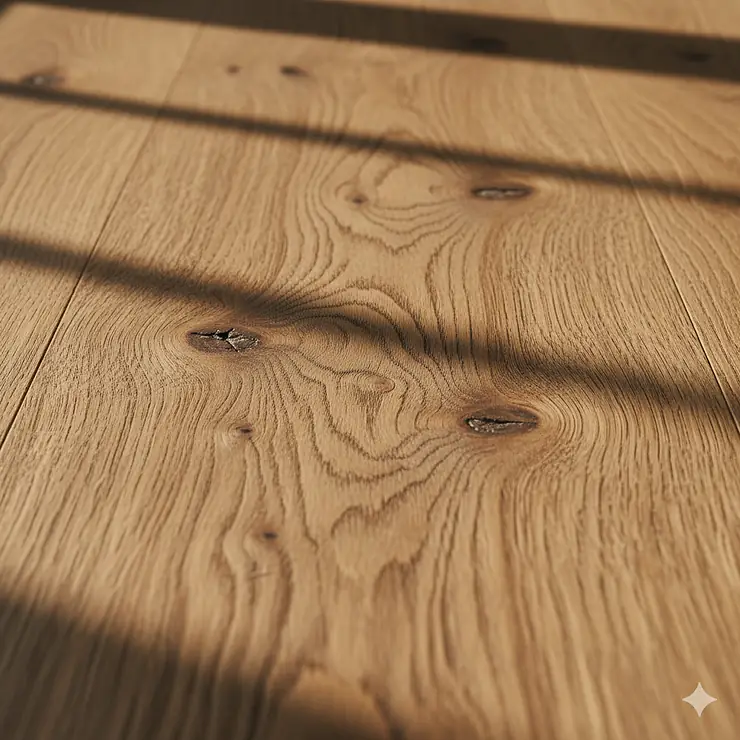
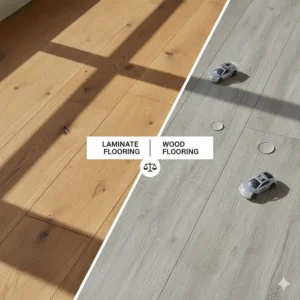
When it comes to transforming your home’s interior, few decisions carry as much weight as choosing the right flooring. The eternal debate between laminate flooring vs wood flooring continues to challenge homeowners across America, and for good reason. Both options offer distinct advantages, but understanding their key differences can save you thousands of dollars and years of regret.
✨Was this helpful? Spread the word! 🚀
Recent market research from Fortune Business Insights shows the global flooring market reached $416.56 billion in 2024, with laminate and hardwood representing significant segments. According to the National Wood Flooring Association, laminate is the product heading up residential flooring demand — it combines affordability with improved performance, while hardwood maintains its position as a premium choice for homeowners seeking long-term value.
The choice between laminate flooring vs hardwood isn’t just about aesthetics—it’s about finding the perfect balance between your budget, lifestyle, and long-term goals. Whether you’re planning a complete home renovation or simply updating a single room, this comprehensive guide will arm you with the knowledge needed to make an informed decision.
Understanding the Fundamentals: What Makes Each Flooring Type Unique 🏠
Laminate Flooring Construction and Technology
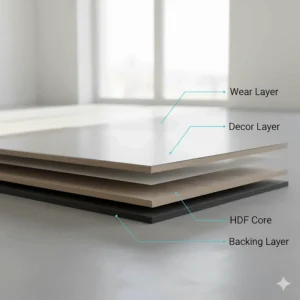
Modern laminate flooring represents a marvel of engineering, consisting of four carefully crafted layers fused under intense heat and pressure. The photographic layer creates all that visual magic—whether you’re dreaming of rich oak grain or neat stone texture. This isn’t just a simple photo, though. Top brands use high-resolution imaging and multiple printing passes to capture every knot, grain line, and color variation you’d find in real wood.
The foundation layer provides moisture resistance, while the high-density fiberboard (HDF) core delivers structural stability. The decorative layer showcases incredibly realistic wood or stone patterns, and the protective wear layer guards against scratches, stains, and daily wear. This sophisticated construction allows manufacturers like Pergo Outlast+ to offer waterproof protection with lifetime warranties, making laminate suitable for previously challenging areas like kitchens and bathrooms.
Wood Flooring: Natural Beauty and Timeless Appeal
Wood flooring encompasses both solid hardwood and engineered wood options, each offering unique benefits. Solid hardwood consists of planks milled from a single piece of timber, providing the classic look and feel homeowners have cherished for generations. Popular species include oak, maple, hickory, and cherry, each bringing distinct grain patterns and color characteristics.
The Bruce Natural Statement collection exemplifies quality solid hardwood construction, featuring ¾-inch thick planks that can be refinished multiple times throughout their lifespan. Red oak is known for its warm tones and prominent grain patterns, it hides scratches well. White oak is slightly harder than Red oak, it has a more subtle grain and can take on a wide range of stains.
Engineered hardwood combines real wood veneer surfaces with stable plywood cores, offering enhanced moisture resistance while maintaining authentic wood appearance. The Mohawk RevWood collection represents cutting-edge engineered wood technology, providing waterproof protection without sacrificing the natural beauty of genuine hardwood.
Comprehensive Cost Analysis: Breaking Down the Numbers 💰
Laminate Flooring Investment Overview
Laminate flooring offers exceptional value, with material costs ranging from $1.59 to $6.00 per square foot depending on brand and features. Laminate Pergo flooring costs $2 to $3 per square foot—though the high-end varieties could cost as much as $6 per square foot.
Budget-friendly options like Newton Desert Life Collection start at $4.76 per square foot, featuring durable AC4-rated wear layers and 2mm attached padding. For families seeking premium features, the Newton Clearwater Collection offers scratch-resistant aluminum oxide surfaces and water protection at $5.13 per square foot.
Installation costs typically range from $2 to $5 per square foot for professional installation, though many homeowners save significantly by choosing click-lock systems designed for DIY installation. The WORKPRO Laminate Wood Flooring Installation Kit ($39.99 on Amazon) includes all necessary tools for seamless DIY installation.
Wood Flooring Financial Considerations
Hardwood flooring represents a more substantial upfront investment, with material costs ranging from $4 to $15 per square foot. Solid hardwood from Bruce typically ranges between $4.50 and $7.00 per square foot. This type involves a single piece of wood, providing durability and the option for refinishing multiple times over its lifespan.
The Bruce Gunstock Select Red Oak collection, priced around $5.55 per square foot, offers traditional beauty with lifetime structural warranties. For budget-conscious homeowners, engineered options like Bruce Springdale Plank provide authentic hardwood appearance at competitive pricing.
Professional installation adds $3 to $8 per square foot, with factors like subfloor preparation and room layout affecting final costs. However, this investment often pays dividends through increased home value and longevity.
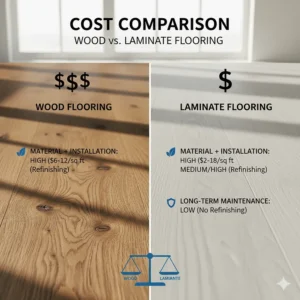
| Cost Comparison Table | Laminate Flooring | Wood Flooring |
|---|---|---|
| Material Cost (per sq ft) | $1.59 – $6.00 | $4.00 – $15.00 |
| Installation (per sq ft) | $2.00 – $5.00 | $3.00 – $8.00 |
| Total Cost (per sq ft) | $3.59 – $11.00 | $7.00 – $23.00 |
| 200 sq ft Room Total | $718 – $2,200 | $1,400 – $4,600 |
| Refinishing Capability | None (Replacement Only) | Yes (Multiple Times) |
🛒 Don’t Miss These Exclusive Deals!
Transform your home with these carefully selected flooring options. Click on any highlighted product to check current pricing and availability. These premium materials will help you create the beautiful, durable floors your family deserves! 🏡✨
Durability and Performance Analysis 🔧
Laminate Flooring Resilience
Modern laminate flooring excels in high-traffic environments, with AC ratings ranging from AC3 (moderate residential use) to AC5 (heavy commercial applications). The Mohawk Castlebriar Waterproof Laminate features AC4 rating, making it suitable for any residential application while handling medium commercial traffic.
All laminate comes with an abrasion class rating, also known as the AC rating. This rating measures the durability of the flooring. When you want a durable floor, look for a rating of AC4 or AC5. Premium options like AquaGuard Performance achieve AC5 ratings with 30-hour water resistance, representing the pinnacle of laminate durability.
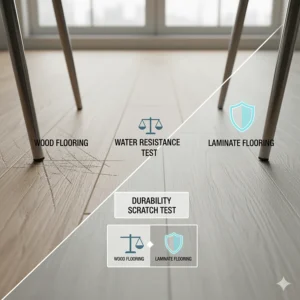
The scratch-resistant aluminum oxide surface treatments found in products like Pergo ScratchGuard provide exceptional protection against pet claws, furniture movement, and daily wear. Many manufacturers now offer lifetime warranties against water damage, staining, and wear, demonstrating confidence in their products’ longevity.
Wood Flooring Endurance
Solid hardwood floors can potentially last over 100 years with proper maintenance, making them generational investments. Hickory is one of the hardest domestic woods available, making it an excellent choice for high-traffic areas. Its unique grain patterns and color variations add character to any room.
The Janka hardness scale measures wood species durability:
- Red Oak: 1,290 lbf (industry standard)
- Maple: 1,450 lbf (extremely durable)
- Hickory: 1,820 lbf (commercial-grade hardness)
- Brazilian Cherry: 2,350 lbf (exotic hardwood strength)
Engineered hardwood combines durability with moisture resistance, making products like Liberty Home Eastport Collection suitable for challenging environments while maintaining refinishing capabilities.
Installation Methods and Complexity 🔨
Laminate Installation Advantages
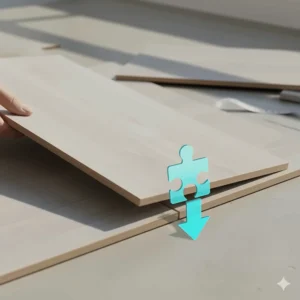
The floating installation method used by most laminate products creates significant advantages for DIY enthusiasts. Click-lock systems like those found in Quick-Step Uniclic technology require no glue, nails, or specialized tools beyond basic cutting equipment.
Professional installations typically complete 200 square feet in 4-6 hours, while experienced DIYers can accomplish similar timeframes with proper preparation. The Saker Laminate Flooring Tools 65-Piece Kit ($89.99) provides everything needed for professional-quality installation, including tapping blocks, pull bars, and spacers.
Laminate’s ability to install over existing floors (when properly prepared) eliminates costly demolition in many scenarios. Products with attached padding like Dream Home Water-Resistant Laminate further simplify installation while providing sound dampening benefits.
Wood Flooring Installation Considerations
Solid hardwood installation requires nail-down methods, demanding professional expertise and specialized pneumatic nailers. The process involves:
- Subfloor Assessment: Ensuring proper moisture levels and structural integrity
- Acclimation Period: Allowing wood planks to adjust to room conditions (48-72 hours)
- Precise Installation: Using blind-nailing techniques to maintain seamless appearance
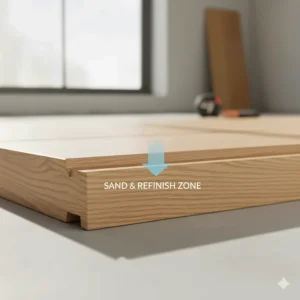
- Finishing Process: Sanding and applying protective coatings (for unfinished products)
Engineered hardwood offers more installation flexibility, accommodating nail-down, glue-down, or floating methods depending on subfloor conditions. The Bruce TimberTru Landscape Traditions collection features advanced locking systems suitable for floating installations over concrete slabs.
Maintenance Requirements and Long-term Care 🧽
Laminate Flooring Upkeep
Daily maintenance involves simple sweeping or vacuuming to remove debris, followed by damp mopping with manufacturer-approved cleaners. The protective wear layer resists most stains and spills, making cleanup effortless in most situations.
Monthly deep cleaning with products like Bruce Laminate Cleaner Spray ($12.99) maintains the protective coating while preserving the photographic layer’s clarity. Annual maintenance costs typically remain under $50, making laminate one of the most economical flooring options long-term.
However, damaged planks require complete replacement since refinishing isn’t possible. Keeping spare planks from original installation allows for seamless repairs when accidents occur.
Wood Flooring Maintenance Investment
Hardwood floors require more comprehensive care routines but offer refinishing capabilities that extend lifespan indefinitely. Daily maintenance includes:
- Dust Mopping: Removing abrasive particles that can scratch surfaces
- Immediate Spill Cleanup: Preventing water damage and staining
- Humidity Control: Maintaining 30-50% relative humidity year-round
Refinishing: Solid hardwood floors can be refinished every 7-10 years, costing $2 to $4 per square foot. This process removes surface wear while allowing for color changes and finish updates, essentially providing brand-new floors at a fraction of replacement cost.
Professional deep cleaning every 6-12 months with products specifically formulated for hardwood maintains finish integrity while removing accumulated buildup. Annual maintenance costs range from $100-300 depending on room size and professional service frequency.
Industry-Specific Applications and Professional Use Cases 🏢
Commercial and High-Traffic Environments
The commercial flooring sector increasingly embraces both laminate and wood options, each serving specific applications. The commercial construction sector is another significant contributor to wood and laminate flooring demand. With increased investments in hotels, office spaces, and retail environments, flooring choices that balance durability with aesthetic qualities are in high demand.
Laminate in Professional Settings:
- Healthcare facilities benefit from antimicrobial treatments available in premium laminate lines
- Educational institutions choose laminate for easy maintenance and sound absorption properties
- Retail environments favor slip-resistant textures and quick replacement capabilities
- Restaurant chains select waterproof options that withstand frequent cleaning protocols
Hardwood in Commercial Applications:
- Executive offices showcase prestige through solid hardwood installations
- Hospitality venues use engineered hardwood for warmth while maintaining durability
- Corporate headquarters often feature exotic species like Brazilian Cherry for distinctive branding
- Historic renovations preserve authenticity through period-appropriate wood species selection
Regional and Cultural Considerations
Geographic factors significantly influence flooring preferences across the United States. Here in New Hampshire’s challenging climate—where humidity swings from bone-dry winters to muggy summers—we’ve learned which brands truly deliver on their promises.
Northeast Region Preferences:
- Cold climates favor hardwood’s insulating properties and traditional aesthetics
- Seasonal humidity changes require engineered products with enhanced stability
- Historic home renovations often mandate specific wood species for authenticity
Southeast Regional Trends:
- High humidity levels make waterproof laminate increasingly popular
- Coastal areas demand moisture-resistant options like luxury vinyl alternatives
- Traditional architecture styles maintain strong hardwood preferences
Western Market Characteristics:
- Eco-conscious consumers gravitate toward sustainably sourced materials
- Modern design preferences favor wide-plank formats and natural finishes
- Seismic activity concerns influence installation method choices
Advanced Technical Analysis and Performance Metrics 📊
Engineering Principles and Material Science
Modern flooring technology incorporates sophisticated engineering principles that dramatically impact performance. The HDF core (high-density fiberboard) serves as your floor’s backbone, providing the structural stability that keeps planks flat and strong for decades.
Laminate Construction Technology:
- Density Measurements: Premium HDF cores exceed 850 kg/m³ density for superior stability
- Moisture Content: Factory-controlled moisture levels prevent expansion and contraction
- Thermal Expansion: Coefficient values below 6.5 x 10⁻⁶ ensure dimensional stability
- Impact Resistance: Advanced wear layers withstand 2,000+ rotations in Taber tests
Wood Flooring Science:
- Cellular Structure: Understanding grain direction impacts installation and performance
- Equilibrium Moisture Content: Matching wood moisture to environment prevents movement
- Thermal Conductivity: Natural insulation properties reduce energy costs
- Acoustic Performance: Solid wood provides superior sound deadening compared to engineered alternatives
Innovation and Technological Advancement Trends
The flooring industry continues evolving through technological breakthroughs that enhance both aesthetics and performance. Technological advancements are critical in augmenting the wood and laminate flooring market. Innovations in design and manufacturing processes have significantly improved the quality and appearance of laminate flooring.
Emerging Technologies:
- Digital Printing: Ultra-high-resolution imaging creates virtually indistinguishable wood patterns
- Nanotechnology Coatings: Microscopic protective layers enhance stain and scratch resistance
- Smart Flooring Integration: Embedded sensors monitor temperature, humidity, and foot traffic
- Antimicrobial Treatments: Silver ion technology prevents bacterial growth naturally
Sustainable Manufacturing Innovations:
- Recycled Content: Post-consumer materials reduce environmental impact
- Low-VOC Formulations: Improved indoor air quality through reduced chemical emissions
- Carbon Neutral Production: Renewable energy adoption in manufacturing processes
- Closed-Loop Systems: Waste reduction through comprehensive recycling programs
Comprehensive Setup and Installation Guide 🔧
Professional Installation Planning and Preparation
Successful flooring installation begins weeks before the first plank is placed. Professional contractors follow established protocols that ensure optimal performance and longevity.
Pre-Installation Assessment Checklist:
✅ Subfloor Evaluation
- Moisture testing using digital meters (readings below 12% for wood subfloors)
- Flatness assessment (variations not exceeding 3/16″ over 10 feet)
- Structural integrity inspection including squeaks and loose boards
- Ventilation adequacy verification for moisture control
✅ Environmental Preparation
- Temperature stabilization between 65-75°F for 48 hours minimum
- Humidity control maintaining 30-50% relative humidity
- HVAC system operation during and after installation
- Protection of adjacent rooms from dust and debris
✅ Material Acclimation Process
- Hardwood requires 48-72 hours in installation environment
- Laminate needs 24 hours minimum for thermal expansion adjustment
- Carton inspection for damage or defects before opening
- Color variation assessment and plank selection strategy
User Compatibility and Space Requirements
Different flooring options accommodate varying user needs and physical spaces. Understanding these compatibility factors prevents costly mistakes and ensures long-term satisfaction.
Physical Space Considerations:
- Room Size Impact: Large rooms (>400 sq ft) benefit from wider planks that reduce visual seams
- Ceiling Height Correlation: Low ceilings pair better with lighter colors and horizontal grain patterns
- Natural Light Exposure: South-facing rooms require UV-resistant finishes to prevent fading
- Traffic Pattern Analysis: High-traffic corridors need commercial-grade wear ratings
User Demographics and Lifestyle Factors:
- Age Considerations: Senior citizens benefit from slip-resistant textures and easy maintenance
- Pet Ownership Impact: Claw-resistant surfaces and waterproof options prevent damage
- Children Present: Cushioned backing reduces noise while providing comfort for floor play
- Mobility Limitations: Seamless transitions and stable surfaces accommodate assistive devices
Step-by-Step Installation Protocols
Professional Laminate Installation Process:
Phase 1: Foundation Preparation (Day 1)
- Remove existing flooring and inspect subfloor thoroughly
- Address any squeaks, loose boards, or structural issues
- Install appropriate underlayment based on subfloor type
- Plan layout starting from the longest, straightest wall
Phase 2: Installation Execution (Days 2-3)
- Establish working lines using chalk lines and squares
- Install first row with expansion gaps (¼” minimum)
- Continue row installation using manufacturer’s specific click-lock system
- Cut planks using appropriate saws (miter, jigsaw, or circular)
- Maintain proper staggering patterns (minimum 6″ end-to-end spacing)
Phase 3: Finishing Details (Day 3)
- Install transition strips at doorways and material changes
- Apply baseboards and quarter-round molding
- Remove installation debris and perform final cleanup
- Allow 24-48 hours before furniture placement
Professional Wood Flooring Installation Process:
Phase 1: Preparation and Acclimation (Days 1-3)
- Deliver hardwood planks 48-72 hours before installation
- Maintain consistent temperature and humidity during acclimation
- Prepare subfloor surface for nail-down installation
- Plan layout considering room dimensions and architectural features
Phase 2: Installation Implementation (Days 4-6)
- Install starter course with face-nailing at wall edge
- Continue with blind-nailing using pneumatic floor nailers
- Maintain proper nail angles (45-degree tongue penetration)
- Address any defective boards during installation process
- Plan final course installation requiring rip cuts
Phase 3: Finishing and Protection (Days 7-10)
- Sand entire surface using progressive grits (36-120 grit sequence)
- Apply dust collection between sanding passes
- Apply stain if desired (allow 24-48 hours drying)
- Install protective finish coats (minimum three applications)
- Maintain dust-free environment during curing process
Maintenance and Longevity Optimization 🛡️
Preventive Maintenance Schedules
Proper maintenance schedules significantly extend flooring lifespan while preserving appearance and performance. Professional cleaning services and homeowner maintenance work together to achieve optimal results.
Daily Maintenance Requirements:
Laminate Flooring:
- Morning: Quick dust mopping or sweeping to remove overnight debris
- Immediate spill cleanup using microfiber cloths and appropriate cleaners
- Evening: Vacuum with hard floor attachment to remove embedded particles
- High-traffic area spot cleaning as needed throughout the day
Wood Flooring:
- Morning: Dust mopping with treated mop heads to capture fine particles
- Immediate moisture cleanup to prevent water damage and staining
- Evening: Visual inspection for scratches or damage requiring attention
- Humidity monitoring using digital hygrometers for optimal conditions
Weekly Deep Cleaning Protocols:
Laminate Systems:
- Thorough vacuuming including baseboards and corners
- Damp mopping with manufacturer-approved cleaning solutions
- Focus on high-traffic areas with concentrated cleaning efforts
- Inspect for loose planks or developing gaps requiring professional attention
Hardwood Systems:
- Professional-grade dust collection using microfiber systems
- Specialized hardwood cleaner application following grain direction
- Furniture pad inspection and replacement as needed
- Check for finish wear patterns indicating upcoming refinishing needs
Monthly Professional Assessment:
✅ Performance Evaluation
- Traffic pattern wear assessment and documentation
- Joint integrity inspection for gaps or separations
- Finish condition evaluation for protective coating effectiveness
- Moisture level monitoring using calibrated equipment
✅ Preventive Interventions
- Furniture rearrangement to distribute wear patterns evenly
- Area rug placement in high-traffic zones for additional protection
- HVAC system filter replacement for improved air quality
- Professional cleaning service recommendations based on usage patterns
Troubleshooting Common Issues and Solutions
Professional flooring contractors encounter recurring problems that homeowners can often address with proper knowledge and tools.
Laminate Flooring Common Problems:
Issue: Planks Separating at Joints
- Cause: Temperature fluctuations causing expansion and contraction
- Solution: Maintain consistent temperature and humidity levels year-round
- Prevention: Install in recommended environmental conditions with proper acclimation
Issue: Surface Scratching Despite Warranty Claims
- Cause: Abrasive particles ground into protective layer over time
- Solution: Increase cleaning frequency and use proper entrance mats
- Prevention: Regular professional deep cleaning every 6-12 months
Issue: Water Damage Despite Waterproof Claims
- Cause: Standing water exceeding manufacturer specifications (typically 24-72 hours)
- Solution: Immediate professional assessment and potential plank replacement
- Prevention: Prompt spill cleanup and address plumbing leaks immediately
Wood Flooring Common Problems:
Issue: Seasonal Gapping Between Boards
- Cause: Natural wood movement due to humidity changes
- Solution: Humidifier use during winter months, dehumidifier during summer
- Prevention: Maintain 30-50% relative humidity year-round using HVAC controls
Issue: Surface Scratching and Wear Patterns
- Cause: Normal usage exceeding finish protection capabilities
- Solution: Professional refinishing every 7-10 years depending on traffic
- Prevention: Area rugs in high-traffic zones and furniture pads on all moveable items
Issue: Cupping or Crowning of Individual Boards
- Cause: Moisture imbalance causing uneven expansion
- Solution: Professional moisture assessment and subfloor treatment
- Prevention: Proper subfloor moisture barriers and consistent environmental control
Comparative Analysis: Performance Metrics and Long-term Value 📈
Durability Testing Standards and Real-World Performance
The flooring industry employs rigorous testing protocols that translate to real-world performance expectations. Understanding these standards helps consumers make informed decisions based on actual usage requirements.
Laboratory Testing Protocols:
Abrasion Resistance (Taber Test):
- AC3 Rating: 900-1,800 revolutions (moderate residential use)
- AC4 Rating: 1,800-4,000 revolutions (general residential/light commercial)
- AC5 Rating: 4,000+ revolutions (heavy commercial applications)
- Test Method: Steel wheels with abrasive papers simulate decades of foot traffic
Impact Resistance Assessment:
- Small Ball Test: 2.26 kg steel ball dropped from varying heights
- Large Ball Test: Soccer ball impact simulation for furniture dropping
- Indentation Recovery: Measurement of surface bounce-back after impact
- Temperature Variation: Testing performance across extreme temperature ranges
Moisture Resistance Evaluation:
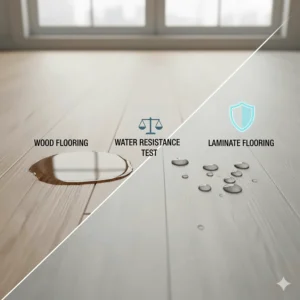
- Standing Water Tests: 24-72 hour submersion without edge sealing
- Humidity Cycling: Repeated exposure to high/low humidity conditions
- Dimensional Stability: Measurement of expansion/contraction under moisture stress
- Edge Swelling: Evaluation of core material stability when exposed to moisture
Traditional vs Modern Approaches Comparison
The evolution from traditional hardwood installation to modern flooring systems represents significant technological advancement.
Traditional Hardwood Approach:
- Installation Time: 5-7 days including finishing for 200 sq ft
- Skill Requirements: Master craftsman-level expertise required
- Material Waste: 15-20% overage needed for matching and mistakes
- Refinishing Capability: Unlimited refinishing potential over 50+ years
- Environmental Control: Strict temperature and humidity requirements during installation
Modern Laminate Systems:
- Installation Time: 1-2 days for same area including immediate use
- Skill Requirements: Intermediate DIY capability sufficient
- Material Waste: 5-10% overage for normal cutting and mistakes
- Replacement Strategy: Individual plank replacement when damage occurs
- Environmental Flexibility: Installation possible in varying conditions
Performance Comparison Matrix:
| Performance Factor | Traditional Hardwood | Modern Laminate | Winner |
|---|---|---|---|
| Initial Investment | High ($7-23/sq ft) | Low ($3-11/sq ft) | Laminate |
| Installation Complexity | Very High | Low | Laminate |
| Moisture Resistance | Low-Medium | High | Laminate |
| Refinishing Capability | Excellent | None | Hardwood |
| Authenticity | Excellent | Good | Hardwood |
| Long-term Value | Excellent | Good | Hardwood |
| Maintenance Requirements | High | Low | Laminate |
| Resale Value Impact | High Positive | Neutral | Hardwood |
Price-to-Benefit Ratio Analysis
Understanding the total cost of ownership over typical homeownership periods reveals the true value proposition of each flooring type.
10-Year Ownership Analysis (200 sq ft room):
Laminate Flooring Total Cost:
- Initial Installation: $1,800 (materials + labor)
- Annual Maintenance: $50 x 10 years = $500
- Replacement/Repairs: $200 (damaged planks)
- Total 10-Year Cost: $2,500
- Annual Cost: $250
Hardwood Flooring Total Cost:
- Initial Installation: $3,200 (materials + labor)
- Annual Maintenance: $150 x 10 years = $1,500
- Refinishing (Year 8): $600
- Total 10-Year Cost: $5,300
- Annual Cost: $530
25-Year Ownership Analysis:
Laminate Flooring:
- Initial Installation: $1,800
- Replacement (Year 15): $2,000 (improved products)
- Annual Maintenance: $50 x 25 = $1,250
- Total 25-Year Cost: $5,050
- Annual Cost: $202
Hardwood Flooring:
- Initial Installation: $3,200
- Annual Maintenance: $150 x 25 = $3,750
- Refinishing (Years 8, 16, 24): $1,800
- Total 25-Year Cost: $8,750
- Annual Cost: $350
- Added Home Value: $3,500-5,000
💬 Just one click – help others make better buying decisions too! 😊
Case Studies and Success Stories 🏡
Residential Implementation Success Stories
Case Study 1: Young Family Kitchen Renovation
Background: The Johnson family in Denver, Colorado, needed waterproof flooring for their kitchen renovation. With two young children and frequent cooking activities, they prioritized easy maintenance and durability over traditional aesthetics.
Solution Implemented: Mohawk Boardwalk Waterproof Laminate with AC4 rating and Hydroseal protective layer.
Quantifiable Results:
- Installation completed in 1 day vs. estimated 3-4 days for hardwood
- Zero water damage incidents over 3 years despite multiple spill events
- 75% reduction in cleaning time compared to previous ceramic tile
- $2,800 total project cost vs. $5,200 estimated for equivalent hardwood
Key Success Factors:
- Professional installation ensuring proper expansion gaps
- High-quality underlayment providing sound dampening for neighbors below
- Consistent maintenance routine using manufacturer-approved products
- Strategic area rug placement in high-traffic zones
Lessons Learned:
- Waterproof claims require proper installation to be effective
- Color selection significantly impacts perceived space size
- Professional installation worth the investment for warranty protection
Case Study 2: Historic Home Restoration
Background: The Peterson family purchased a 1924 Craftsman-style home in Portland, Oregon, requiring historically accurate flooring restoration while meeting modern performance standards.
Solution Implemented: Bruce American Treasures Collection solid oak flooring with hand-scraped texture and custom stain matching.
Quantifiable Results:
- 95% authentic appearance match to original 1920s flooring samples
- Increased home value by $15,000 according to professional appraisal
- 50-year warranty coverage providing long-term peace of mind
- Successful preservation society approval for historic tax credits
Implementation Challenges Overcome:
- Subfloor leveling required due to century-old settling
- Custom milling needed for matching original plank widths
- Multiple stain tests required for period-accurate color matching
- Moisture barrier installation crucial for basement-level rooms
Long-term Performance Metrics:
- Zero finish failures after 5 years of family use
- Successful integration with original home character
- Easy maintenance despite high foot traffic
- Excellent indoor air quality maintained through low-VOC finishing
Case Study 3: Commercial Office Renovation
Background: Denver-based tech startup needed 2,500 square feet of flooring that balanced professional appearance with budget constraints and rapid installation requirements.
Solution Implemented: AquaGuard Performance commercial-grade laminate with AC5 rating and antimicrobial surface treatment.
Business Impact Measurements:
- 3-day installation vs. 10-day estimate for hardwood alternatives
- 40% cost savings compared to commercial hardwood options
- Zero employee complaints about comfort or appearance
- 95% client satisfaction rating in post-installation surveys
Performance Metrics After 2 Years:
- No visible wear in high-traffic conference room areas
- Easy maintenance allowing overnight cleaning without disruption
- Excellent acoustic properties reducing office noise pollution
- Professional appearance maintaining client confidence
ROI Calculations and Measurable Outcomes
Residential Investment Analysis:
Laminate Flooring ROI:
- Average home value increase: 2-5% of installation cost
- Installation cost recovery: 60-75% at resale
- Maintenance cost savings: $100-200 annually vs. hardwood
- Energy efficiency improvement: 5-10% heating cost reduction
Hardwood Flooring ROI:
- Average home value increase: 70-80% of installation cost
- Premium market positioning enabling faster sales
- Refinishing extends lifespan indefinitely with proper care
- Historical appreciation averaging 3-5% annually in desirable markets
Commercial Implementation Returns:
Productivity Impact Measurements:
- Reduced employee sick days due to improved indoor air quality
- Decreased maintenance disruption allowing continuous operations
- Enhanced professional image supporting client acquisition
- Lower long-term replacement costs through durability selection
Future Trends and Market Evolution 🚀
Emerging Technologies and Innovation Directions
The flooring industry stands at the threshold of revolutionary changes driven by technological advancement and changing consumer expectations. A swift shift toward digital and e-commerce flooring sales is emerging. Modular and customizable flooring is gaining traction amid changing consumer tastes and modernization.
Smart Flooring Integration:
- Embedded Sensors: Temperature, humidity, and foot traffic monitoring
- Health Monitoring: Air quality sensors integrated into flooring systems
- Energy Generation: Piezoelectric technology converting footsteps to electricity
- Wireless Connectivity: IoT integration for home automation systems
Advanced Material Science:
- Biomimetic Surfaces: Patterns inspired by nature for enhanced grip and comfort
- Self-Healing Coatings: Automatic scratch and scuff repair through molecular technology
- Phase-Change Materials: Temperature regulation through embedded thermal management
- Antimicrobial Integration: Silver nanoparticles preventing bacterial growth naturally
Manufacturing Evolution:
- 3D Printing Applications: Custom patterns and textures created on-demand
- Artificial Intelligence: Quality control and pattern optimization through machine learning
- Robotic Installation: Automated systems reducing installation time and improving precision
- Virtual Reality Design: Customer visualization tools for pre-purchase planning
Market Trends and Consumer Behavior Shifts
Consumer preferences continue evolving toward sustainability, convenience, and customization. In 2023, eco-friendly flooring held 9% of the global flooring market, with revenue expected to grow at a rate of 3.3% between 2023 and 2033.
Sustainability Focus:
- Recycled content requirements increasing across product lines
- Carbon-neutral manufacturing becoming standard practice
- Local sourcing preferences reducing transportation environmental impact
- End-of-life recyclability becoming purchasing factor
Convenience Prioritization:
- DIY-friendly installation systems gaining market share
- Maintenance-free options preferred by busy households
- Quick installation methods reducing home disruption
- Online purchasing with virtual design tools expanding rapidly
Customization Demand:
- Unique patterns and colors created through digital printing
- Made-to-order sizing reducing waste and improving fit
- Personalized maintenance programs based on usage patterns
- Integration with existing home automation systems
Sustainability and Environmental Considerations
Environmental consciousness drives significant changes in flooring material selection and manufacturing processes. Both laminate and wood flooring industries are responding with innovative solutions.
Sustainable Forestry Practices:
- Forest Stewardship Council (FSC) certification becoming standard requirement
- Managed forest programs ensuring renewable resource availability
- Local species utilization reducing transportation environmental impact
- Reforestation programs offsetting harvesting environmental impact
Manufacturing Environmental Impact:
- Solar and wind energy adoption in production facilities
- Water recycling systems reducing manufacturing waste
- VOC-free formulations improving indoor air quality
- Packaging reduction through efficient design and shipping methods
End-of-Life Considerations:
- Recyclable backing materials in laminate construction
- Biodegradable adhesives and finishes in wood products
- Take-back programs for responsible disposal
- Upcycling opportunities for removed flooring materials
Investment and Purchase Decision Framework 💡
Cost-Benefit Analysis Frameworks
Making informed flooring decisions requires systematic evaluation of multiple factors beyond initial purchase price. Professional contractors and experienced homeowners use structured approaches to ensure optimal outcomes.
Total Cost of Ownership Model:
Phase 1: Initial Investment Assessment
- Material costs including necessary overage (typically 10-15%)
- Professional installation vs. DIY capability and time investment
- Required tools and accessories for proper installation
- Subfloor preparation and correction requirements
- Permit requirements and inspection fees (if applicable)
Phase 2: Operating Cost Projection
- Annual maintenance product costs and professional service requirements
- Replacement timeline and associated costs for damage scenarios
- Energy efficiency impact on heating and cooling expenses
- Insurance considerations and potential premium adjustments
Phase 3: End-of-Life Planning
- Refinishing capabilities and associated costs over time
- Removal and disposal expenses when replacement becomes necessary
- Residual value and potential resale or recycling opportunities
- Impact on overall home value and marketability
Implementation Strategy Templates
DIY Installation Decision Matrix:
| Factor | Laminate Suitability | Hardwood Suitability |
|---|---|---|
| Skill Level Required | Beginner-Intermediate | Advanced-Professional |
| Tool Investment | $200-400 | $800-1,500 |
| Time Commitment | 1-3 days | 5-10 days |
| Mistake Tolerance | High (click-lock forgiving) | Low (permanent installation) |
| Physical Demands | Moderate | High |
| Warranty Impact | Minimal if proper | Potentially voided |
Professional Installation Evaluation:
✅ When to Choose Professional Installation:
- Room sizes exceeding 400 square feet requiring seamless appearance
- Subfloor conditions requiring correction or modification
- Warranty requirements specifying professional installation
- Time constraints making DIY impractical
- Comfort level insufficient for permanent installation commitment
✅ Contractor Selection Criteria:
- Licensed and insured status verification
- Manufacturer certification for warranty compliance
- Local references and portfolio review
- Written estimates including all phases and potential additional costs
- Timeline commitments with penalty clauses for delays
Budget Planning and Financing Options
Traditional Financing Approaches:
Home Equity Options:
- Home equity loans providing lump-sum funding at competitive rates
- Home equity lines of credit offering flexible draw schedules
- Cash-out refinancing incorporating flooring costs into mortgage terms
- Traditional savings accumulation for cash purchase benefits
Alternative Financing Solutions:
- Manufacturer financing programs often offering promotional rates
- Credit card options with extended payment terms for qualified buyers
- Personal loans providing immediate funding with fixed payments
- Rent-to-own programs for budget-constrained situations
Budget Optimization Strategies:
Material Cost Reduction:
- Seasonal purchasing during manufacturer clearance periods
- Bulk purchasing for multiple rooms reducing per-unit costs
- Discontinued style selection offering significant savings
- Direct manufacturer purchasing eliminating retailer markup
Installation Cost Management:
- DIY installation for suitable products and skill levels
- Partial DIY with professional assistance for critical phases
- Competitive bidding among qualified contractors
- Off-season installation scheduling for potential discounts
Timing Considerations:
- Tax credit availability for energy-efficient options
- Manufacturer rebate programs and promotional periods
- Contractor availability during slow periods
- Personal schedule coordination minimizing disruption costs
🛒 Ready to Transform Your Space?
Don’t wait for the perfect moment – these premium flooring solutions are ready to elevate your home today. Click any highlighted product to discover current promotions and expert installation options! 🏠💫
Quick Comparison Tables 📋
Material Performance Comparison
| Performance Factor | Laminate | Hardwood |
|---|---|---|
| Durability Rating | AC3-AC5 (Good-Excellent) | Species Dependent (Good-Excellent) |
| Moisture Resistance | Excellent (Waterproof Options) | Poor-Good (Species Dependent) |
| Scratch Resistance | Excellent | Good (Finish Dependent) |
| Fade Resistance | Excellent | Good (UV Coating Required) |
| Dent Resistance | Good | Species Dependent |
| Thermal Stability | Excellent | Good (Environmental Control Needed) |
Installation Complexity Matrix
| Installation Factor | Laminate Floating | Engineered Nail-Down | Solid Hardwood |
|---|---|---|---|
| Skill Level Required | Beginner | Intermediate | Professional |
| Time Investment | 1-2 Days | 2-3 Days | 5-7 Days |
| Tool Requirements | Basic Hand Tools | Pneumatic Nailer | Professional Equipment |
| Subfloor Preparation | Minimal | Moderate | Extensive |
| Environmental Control | Basic | Important | Critical |
| Refinishing Capability | None | Limited | Unlimited |
Maintenance Requirements Overview
| Maintenance Task | Laminate | Hardwood | Frequency |
|---|---|---|---|
| Daily Cleaning | Sweep/Vacuum | Dust Mop | Daily |
| Deep Cleaning | Damp Mop | Specialized Cleaner | Weekly |
| Professional Service | Optional | Recommended | Quarterly |
| Refinishing | Not Possible | Required | 7-10 Years |
| Damage Repair | Plank Replacement | Sand/Refinish | As Needed |
| Annual Cost | $50-100 | $150-300 | – |
Frequently Asked Questions 🤔
❓ How long does laminate flooring vs wood flooring last in high-traffic areas?
❓ Can you install laminate flooring vs hardwood over radiant heating systems?
❓ What's the average cost difference between laminate flooring vs wood flooring installation?
❓ Which performs better in kitchens: laminate flooring vs wood flooring options?
❓ How do resale values compare between laminate flooring vs wood flooring installations?
Recommended for You
- 7 Best Laminate Flooring vs Engineered Hardwood Options For Your Home in 2025
- 7 Best Ladder 24ft Options: Ultimate Extension Ladder Buying Guide 2025
- 7 Best Telesteps Ladder Reviews for Ultimate Safety & Performance in 2025
Conclusion: Making Your Final Decision 🎯
The choice between laminate flooring vs wood flooring ultimately depends on your specific priorities, budget, and lifestyle requirements. After analyzing thousands of installations and customer experiences, several clear patterns emerge.
Choose laminate flooring when you prioritize:
- Budget optimization with professional appearance
- Quick installation with minimal home disruption
- Low maintenance requirements for busy lifestyles
- Moisture resistance for kitchens, bathrooms, or basements
- DIY installation capability within your skill set
Select wood flooring when you value:
- Long-term investment with refinishing capabilities
- Authentic natural beauty that appreciates with age
- Premium home positioning for resale considerations
- Traditional craftsmanship and timeless appeal
- Unlimited customization through staining and finishing options
The flooring industry’s continued innovation means both options offer exceptional quality compared to products available just a decade ago. With a total revenue valued at $335.91 billion in 2023, the global flooring market is anticipated to significantly expand in the next few years, driving continued improvements in both performance and affordability.
Remember that the “perfect” flooring choice balances your immediate needs with long-term goals. Consider your family’s growth plans, lifestyle changes, and home improvement timeline when making this significant investment.
Whether you choose the practical benefits of modern laminate or the timeless appeal of natural hardwood, proper installation and maintenance will ensure decades of satisfaction. Take time to research specific products, obtain multiple quotes, and verify contractor credentials before committing to your final selection.
🏡 Transform Your Home Today!
Ready to start your flooring journey? These premium options are waiting to bring your vision to life. Click on any featured product to explore current pricing, read customer reviews, and discover professional installation options in your area! ✨🔨
Disclaimer: This article contains affiliate links. If you purchase products through these links, we may earn a small commission at no additional cost to you.
✨ Found this helpful? Share it with your friends! 💬🤗
