
In This Article
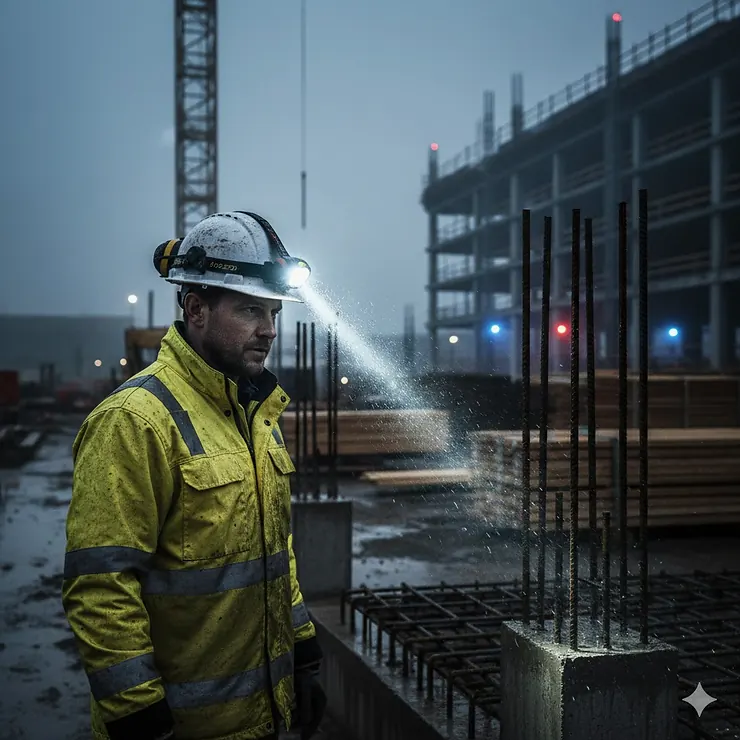
Working in low-light conditions demands more than just any flashlight. You need hands-free illumination that’s secure, powerful, and built for the demands of industrial work environments. A hard hat headlamp transforms how you approach challenging tasks in dimly lit spaces, from underground mining operations to nighttime construction projects.
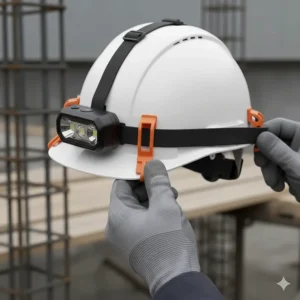
I’ve spent considerable time testing and evaluating headlamps designed specifically for hard hat compatibility, and the difference between a mediocre light and a professional-grade hard hat headlamp is staggering. The right headlamp stays firmly attached during vigorous movement, provides consistent brightness throughout your shift, and withstands the harsh conditions typical of construction sites and industrial facilities.
Whether you’re an electrician navigating tight spaces, a miner working underground, or a construction professional working evening shifts, selecting the proper headlamp affects both your safety and productivity. This comprehensive guide examines seven exceptional hard hat headlamps currently available in 2026, breaking down their specifications, performance characteristics, and real-world applications so you can make an informed purchasing decision.
Quick Comparison Table
| Product | Lumens | Runtime | Price Range | Battery Type | Best For |
|---|---|---|---|---|---|
| NEBO Transcend 3000 | 3000 | 45 hours | $75-$90 | Rechargeable Li-ion | Maximum brightness |
| Klein Tools 56062 | 300 | 14 hours | $30-$35 | Rechargeable USB-C | Budget-friendly reliability |
| Milwaukee 2115-21 | 600 | 25+ hours | $80-$95 | REDLITHIUM USB | Low-profile design |
| Coast XPH30R | 1200 | 28 hours | $55-$70 | Dual power (rechargeable/CR123) | Versatility |
| Streamlight 61050 Trident | 80 | Variable | $25-$35 | AAA batteries | Entry-level option |
| Milwaukee 2111-21 | 475 | 31 hours | $75-$85 | REDLITHIUM USB | All-day runtime |
| Liteband PRO 1400 | 1400 | 6+ hours | $70-$85 | Rechargeable | Wide-angle flood beam |
💬 Just one click – help others make better buying decisions too!😊
Top 7 Hard Hat Headlamps: Expert Analysis
1. NEBO Transcend 3000 Headlamp
The NEBO Transcend 3000 represents the pinnacle of hard hat headlamp technology in 2026, delivering an unprecedented 3000-lumen maximum output that transforms night into day. This powerhouse comes with five distinct lighting modes ranging from low-power operation for extended runtime to a turbo mode that provides short bursts of maximum illumination when you need it most.
Key Specifications:
- Maximum output: 3000 lumens (Turbo mode)
- Runtime: Up to 45 hours on low mode
- Battery: 4000mAh Li-ion rechargeable (21700)
- Waterproof rating: IPX7
- Weight: Approximately 8.78 oz
What sets the Transcend 3000 apart is its 2-in-1 design that seamlessly transitions from headlamp to detachable work light. The magnetic base allows hands-free positioning on metallic surfaces, while the Mode Selector Dial enables quick adjustments without fumbling through multiple button presses. The aircraft-grade aluminum construction ensures this headlamp withstands the toughest jobsite conditions.
Users consistently praise its incredible brightness and long runtime. One construction supervisor reported the headlamp lasting three full night shifts on a single charge when using medium mode. The included hard hat clips integrate smoothly with most standard safety helmets.
✅ Pros:
- Exceptional 3000-lumen maximum output
- Impressive 45-hour runtime on low setting
- Detachable design with magnetic base
- IPX7 waterproof rating for extreme conditions
- USB-C fast charging
❌ Cons:
- Heavier than lightweight alternatives
- Higher price point
Price Range: $75-$90 | Perfect for: Professional contractors requiring maximum brightness and versatility
2. Klein Tools 56062 Rechargeable Headlamp
The Klein Tools 56062 strikes an excellent balance between performance and affordability, making it a favorite among electricians and trades professionals. This headlamp attaches directly to Klein hard hats and comes with smart features like battery level indicators and magnetic mounting capabilities.
Key Specifications:
- Maximum output: 300 lumens (Boost mode)
- Runtime: 4-14 hours depending on mode
- Charging: USB-C rechargeable
- Tilt angle: 64 degrees
- Drop rating: 6 feet
Klein designed this headlamp with three distinct modes optimized for different tasks. The 100-lumen floodlight mode provides 14 hours of broad illumination for close-up work, while the 215-lumen spotlight focuses on distant objects for 9 hours. The boost mode delivers full 300-lumen output for 4 hours when maximum brightness is essential.
The integrated magnet transforms this headlamp into a versatile work light that attaches to metal surfaces, electrical panels, or vehicle hoods. Customers appreciate how the fuel gauge clearly indicates remaining battery life, eliminating unexpected darkness mid-task.
✅ Pros:
- Excellent value for the price point
- Direct compatibility with Klein hard hats
- Magnetic mounting for dual functionality
- Battery level indicator prevents surprises
- Compact, lightweight profile
❌ Cons:
- Lower maximum output than premium options
- Best used with Klein-branded hard hats for optimal fit
Price Range: $30-$35 | Perfect for: Budget-conscious professionals seeking reliable performance
3. Milwaukee 2115-21 Low-Profile Headlamp
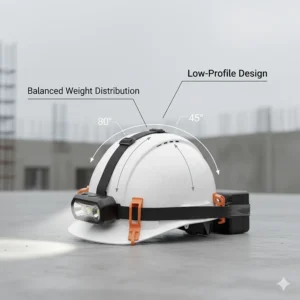
The Milwaukee 2115-21 redefines what a low-profile hard hat headlamp can achieve, featuring an ultra-thin 1-inch light head that provides an unobstructed view while delivering 600 lumens of TRUEVIEW High Definition output. The battery pack positioning at the rear creates exceptional weight balance for extended wear.
Key Specifications:
- Maximum output: 600 lumens
- Flood beam: 125-degree coverage
- Runtime: Up to 25+ hours
- Water/dust rating: IP54
- Drop resistance: 2 meters
This rechargeable headlamp includes four universal hard hat clips ensuring secure attachment to virtually any safety helmet. The sweat-absorbing microfiber strap provides comfort during lengthy shifts, while the rear-mounted REDLITHIUM USB battery pack keeps the front area lightweight and maneuverable.
Milwaukee’s TRUEVIEW technology produces natural color rendering that reduces eye strain and improves visibility of fine details. Construction workers report this makes a noticeable difference when reading blueprints or identifying wire colors in dim conditions. The four output modes (High, Medium, Low, Eco) allow users to balance brightness against runtime based on immediate needs.
✅ Pros:
- Ultra-thin profile minimizes obstruction
- Balanced weight distribution for comfort
- Wide 125-degree flood beam
- REDLITHIUM battery lasts for multiple shifts
- Compatible with all standard hard hats
❌ Cons:
- Premium pricing
- Specialized battery may require keeping spares
Price Range: $80-$95 | Perfect for: Professionals working in tight spaces requiring unobstructed vision
4. Coast XPH30R Dual Power Headlamp
The Coast XPH30R offers remarkable flexibility through its dual power system, operating on either the included ZITHION-X rechargeable battery or disposable CR123 lithium batteries. This versatility ensures you’ll never be caught without light, even in remote locations.
Key Specifications:
- Maximum output: 1200 lumens (Turbo mode)
- Beam distance: Up to 185 meters
- Runtime: Up to 28 hours
- Storm proof rating: IP54
- Battery options: Rechargeable or CR123 lithium
The patented PURE BEAM focusing technology seamlessly transitions between Ultra View Flood Beam and BULLS-EYE Spot Beam through the TWIST FOCUS optic system. Simply rotate the bezel to adjust from wide-area illumination for close work to concentrated long-distance visibility. The dust-resistant aluminum body withstands harsh environments while maintaining a relatively lightweight profile.
When detached from the head strap, the XPH30R functions as a handheld flashlight with a built-in magnetic tail cap, providing hands-free lighting when working on vehicles or metallic structures. Users appreciate how the battery life indicator prevents unexpected shutdowns by clearly showing remaining charge.
✅ Pros:
- Dual power system (rechargeable/disposable)
- Adjustable focus from flood to spot beam
- Detaches for handheld flashlight use
- Durable aluminum construction
- Excellent beam distance
❌ Cons:
- Mid-range price point
- Requires purchase of CR123 batteries separately
Price Range: $55-$70 | Perfect for: Workers in remote locations needing backup power options
5. Streamlight 61050 Trident Headlamp
The Streamlight 61050 Trident provides an affordable entry point into quality hard hat lighting with its three-LED system offering both distance and close-range illumination options. This headlamp serves well for occasional use or workers just starting in trades requiring head-mounted lighting.
Key Specifications:
- Maximum output: 80 lumens
- Beam distance: 126 meters on high
- Power source: AAA alkaline batteries
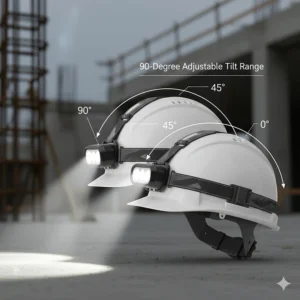
- Tilt range: 90 degrees
- Water resistance: IPX4
Three distinct lighting modes give users flexibility for various tasks. The single power LED delivers maximum brightness for long-distance visibility, three 5mm LEDs provide intense close-range illumination with extended runtime, and a single 5mm LED offers the longest operation when less light suffices. The rubber body construction with elastomer over-mold resists impacts and provides excellent grip.
Streamlight includes both an elastic head strap and rubber hard hat strap, making this headlamp adaptable to different wearing preferences. While not rechargeable, the AAA battery compatibility means replacements are readily available at any hardware store or convenience shop.
✅ Pros:
- Extremely affordable
- Multiple LED configurations
- Readily available AAA batteries
- Durable rubber construction
- Good tilt adjustment
❌ Cons:
- Lower light output than premium models
- Non-rechargeable design
- Basic feature set
Price Range: $25-$35 | Perfect for: Occasional users or those new to headlamp use
6. Milwaukee 2111-21 Hard Hat Headlamp
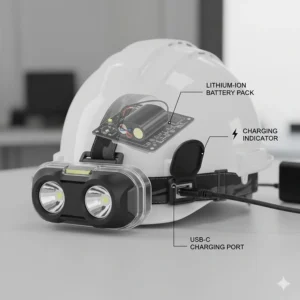
The Milwaukee 2111-21 delivers exceptional all-day runtime with its REDLITHIUM USB technology providing up to 31 hours of continuous operation. This hard hat headlamp combines 475 lumens of TRUEVIEW High Definition output with versatile beam patterns optimized for various work scenarios.
Key Specifications:
- Maximum output: 475 lumens
- Runtime: Up to 31 hours
- Beam options: Flood, Spot, Spot/Flood combination
- Recharge cycles: Over 2000
- Charging: 3X faster via USB
Five different output modes give workers precise control over brightness and runtime. The slip-resistant strap and included clips ensure secure attachment to hard hats, preventing the light from shifting during vigorous movement. The water-resistant, dust-resistant, and drop-resistant construction withstands the punishment typical of construction and industrial environments.
Milwaukee’s TRUEVIEW technology produces color rendering that closely matches natural daylight, reducing eye fatigue during extended use. Electricians particularly appreciate this feature when identifying wire colors or reading technical diagrams in poorly lit areas. The USB-rechargeable battery can be charged inside the headlamp or swapped with additional batteries for zero downtime.
✅ Pros:
- Exceptional 31-hour runtime
- Multiple beam pattern options
- Over 2000 recharge cycles
- TRUEVIEW color accuracy
- Fast USB charging
❌ Cons:
- Moderate brightness compared to highest-output models
- Higher initial investment
Price Range: $75-$85 | Perfect for: Professionals requiring all-day reliability and accurate color rendering
7. Liteband PRO 1400 PureHD Headlamp
The Liteband PRO 1400 specializes in delivering a super-wide 210-degree flood beam through its COB LED technology, eliminating the dark spots and narrow beams common in traditional headlamps. This American-designed headlamp prioritizes balanced, bounce-free illumination for precision work.
Key Specifications:
- Maximum output: 1400 lumens
- Beam angle: 210 degrees
- Color rendering: >90 CRI at 5000K
- Weight: Under 8 oz with battery
- Weather rating: IPX5
Six lighting modes including the exclusive Start Select feature allow you to choose which mode activates when powering on the headlamp. The low-profile design clips safely onto any hardhat with the included headband adjusting to any head size. Class 2 safety-rated and IPX5 weatherproof, this headlamp handles rain, snow, and demanding work environments.
The exceptionally high color rendering index (>90 CRI) provides color accuracy that rivals natural daylight, crucial for tasks requiring precise color differentiation. The wide-angle beam eliminates the need to constantly adjust head position to illuminate work areas, as the broad coverage keeps everything in your field of vision well-lit.
✅ Pros:
- Ultra-wide 210-degree flood beam
- Exceptional color rendering (>90 CRI)
- Lightweight and balanced design
- Start Select customization
- Designed and supported in USA
❌ Cons:
- Shorter runtime than some competitors
- Limited to flood beam (no spot option)
Price Range: $70-$85 | Perfect for: Detail-oriented work requiring accurate color perception
What is a Hard Hat Headlamp?
A hard hat headlamp is a specialized hands-free lighting device engineered to securely attach to safety helmets, providing consistent illumination for workers in hazardous or low-light environments. Unlike conventional headlamps designed for recreational activities, hard hat headlamps feature robust mounting systems with clips, straps, or brackets that prevent displacement during physical labor. These professional lighting tools incorporate LED technology delivering bright, focused beams while maintaining compact profiles that don’t interfere with safety equipment or workspace maneuverability.
Understanding Headlamp Attachment Systems
Hard Hat Headlamp Clips
Hard hat headlamp clips represent the most secure attachment method for professional work environments. These specialized clips snap directly onto the hard hat’s brim or slots, creating a rigid connection that withstands jarring movements, bending over, or working in awkward positions. Manufacturers like Klein Tools and Milwaukee design proprietary clip systems that integrate seamlessly with their respective hard hat models.
Universal clips accommodate most standard hard hats but may not provide the same level of security as brand-matched systems. When selecting a headlamp, verify that included clips match your specific hard hat model. Some systems like the Milwaukee 48-73-1090 mount provide reversible positioning, allowing workers to attach lights to either the front or rear of their helmets depending on task requirements.
Proper clip installation is crucial for safety. The clips should engage firmly without requiring excessive force, and once attached, the headlamp should resist movement when pulled gently. Replace worn or damaged clips immediately to prevent the light from detaching during critical moments.
Elastic and Rubber Strap Systems
Elastic straps offer universal compatibility with virtually any hard hat, wrapping around the helmet’s exterior to secure the headlamp. Quality straps incorporate silicone or rubber gripping elements that prevent slippage, even when working overhead or in wet conditions. The Streamlight 61050 Trident includes both elastic and rubber strap options, demonstrating the industry’s recognition of different worker preferences.
Adjustable elastic systems accommodate various head sizes and hard hat styles, from full-brim to cap-style helmets. However, straps require periodic adjustment as they stretch over time. Inspect straps regularly for signs of wear, particularly where they contact the hard hat or pass through buckles. Replace straps that show fraying, permanent deformation, or loss of elasticity.
Some advanced systems like the sweat-absorbing microfiber strap on the Milwaukee 2115-21 combine comfort with functionality, wicking moisture away from the forehead during extended wear. This feature proves particularly valuable during summer months or in high-temperature work environments.
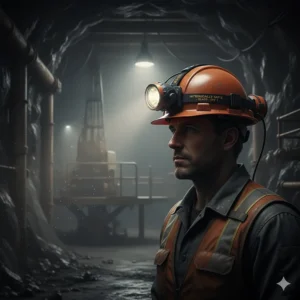
LED Technology and Lumens Explained
Understanding Lumen Ratings
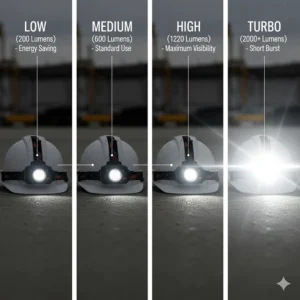
Lumens measure the total quantity of visible light emitted by a source. Higher lumen values indicate brighter output, but raw lumens don’t tell the complete story. A 3000-lumen headlamp like the NEBO Transcend 3000 produces exceptional brightness suitable for large work areas or extreme distance viewing, while a 300-lumen unit like the Klein Tools 56062 provides ample illumination for most construction and electrical work.
The relationship between lumens and practical brightness depends on beam pattern, reflector design, and LED quality. A focused spot beam concentrates lumens into a narrow area, appearing brighter at distance than a flood beam distributing the same lumens across a wide area. Consider your typical work scenarios when evaluating lumen requirements.
For confined spaces like attics or crawlspaces, 200-500 lumens typically suffice and reduce eye strain in close quarters. Open construction sites, mining operations, or nighttime roadwork benefit from 800-1500 lumens or higher. The Coast XPH30R addresses this through its adjustable focus system, allowing users to concentrate or disperse light as needed.
COB vs Traditional LED
Chip-on-Board (COB) LED technology, featured in products like the Liteband PRO 1400, positions multiple LED chips directly onto a substrate, creating a uniform light source. This configuration produces exceptionally even illumination without the distinct hotspots or shadows characteristic of traditional multi-LED arrays. COB headlamps excel at close-range tasks requiring consistent lighting across the entire work surface.
Traditional LED arrays utilize individual LED emitters, often combining spotlight and floodlight configurations for versatility. The Milwaukee 2111-21 exemplifies this approach with separate flood, spot, and combination beam patterns. While traditional arrays may show slight variations in brightness across the beam pattern, they often achieve greater throw distances than COB designs.
Both technologies offer excellent energy efficiency and longevity. Quality LED headlamps provide 50,000+ hours of operation before significant brightness degradation occurs, far exceeding traditional incandescent or halogen alternatives. The choice between COB and traditional LED depends more on beam preference than fundamental performance differences.
Battery Technology and Runtime Considerations
Rechargeable vs Disposable Batteries
Rechargeable lithium-ion batteries dominate professional hard hat headlamps in 2026, offering superior energy density, consistent voltage output, and environmental advantages over disposable alternatives. The REDLITHIUM USB batteries in Milwaukee products withstand over 2000 charge cycles, translating to years of daily professional use before replacement becomes necessary.
USB-C charging, featured in models like the Klein Tools 56062 and NEBO Transcend 3000, provides fast recharging from standard power sources including vehicle USB ports, power banks, or wall adapters. Some professionals maintain multiple batteries in rotation, ensuring continuous operation during extended projects or emergency situations.
Disposable battery compatibility, as seen in the Streamlight 61050 Trident and dual-power Coast XPH30R, offers advantages in remote locations where recharging proves difficult. CR123 lithium batteries provide excellent cold-weather performance and extended shelf life, making them ideal backup options for emergency kits or infrequently used equipment.
Understanding Runtime Specifications
Manufacturers list runtime at specific brightness levels, typically showing dramatic differences between maximum and minimum output modes. The NEBO Transcend 3000 demonstrates this range clearly: 30 seconds at 3000-lumen turbo mode versus 45 hours at low-power operation.
Real-world runtime varies based on ambient temperature, battery age, and usage patterns. Cold conditions reduce battery performance significantly, with lithium-ion batteries losing 20-40% capacity at freezing temperatures. Store backup batteries in inside pockets close to body heat when working in winter conditions.
Smart power management systems, like those in Milwaukee and Coast products, automatically adjust output to maintain consistent brightness as batteries drain, preventing the gradual dimming common in basic headlamps. This feature ensures reliable illumination throughout your entire shift rather than steadily decreasing performance.
Beam Patterns and Focus Options
Flood Beams for Close Work
Flood beams distribute light across a wide angle, typically 100-210 degrees, illuminating entire work surfaces without requiring constant head movement. The Liteband PRO 1400 provides an exceptional 210-degree spread, keeping everything in your peripheral vision clearly visible. This proves invaluable when working on complex assemblies, reading diagrams, or performing detail-oriented tasks.
Close-range flood beams prevent the tunnel vision effect of narrow spot beams, improving safety awareness in dynamic work environments. You’ll notice approaching coworkers, overhead hazards, or floor obstacles that might remain invisible with a tightly focused beam. The trade-off comes in reduced beam distance, as dispersed light doesn’t travel as far as concentrated beams.
Look for headlamps offering dedicated flood modes or COB LED designs when your work primarily involves tasks within 15 feet. The 125-degree coverage of the Milwaukee 2115-21 represents excellent compromise between broad illumination and decent throw distance.
Spot Beams for Distance
Spot beams concentrate light into a narrow, focused beam that travels exceptional distances. The Coast XPH30R achieves 185-meter beam distance in spot mode, allowing workers to illuminate distant job site areas, identify hazards from safety distances, or light pathways through large facilities.
Spot beams prove essential for navigating unfamiliar environments, inspecting tall structures, or signaling across construction sites. The focused beam cuts through ambient light pollution more effectively than flood beams, maintaining visibility even in partially lit conditions.
Many professional headlamps combine spot and flood capabilities, either through separate LEDs or adjustable focus systems. The Milwaukee 2111-21 offers dedicated spot, flood, and combination modes, while the Coast XPH30R uses TWIST FOCUS technology allowing continuous adjustment between beam patterns.
Durability and Environmental Protection
Water and Dust Resistance Ratings
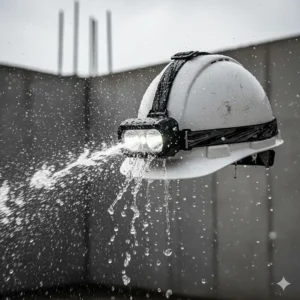
IPX ratings indicate resistance to water ingress, crucial for hard hat headlamps exposed to rain, spray, and humid conditions. IPX4-rated lights like the Streamlight 61050 Trident withstand water splashing from any direction, suitable for light rain or occasional moisture exposure. IPX7 protection, featured in the NEBO Transcend 3000, permits temporary submersion up to 1 meter for 30 minutes, handling heavy downpours or accidental drops in water.
IP ratings including a first digit (like IP54 on the Milwaukee 2115-21) also specify dust protection. The “5” indicates dust-protected status where limited dust ingress doesn’t interfere with operation. For mining, demolition, or extremely dusty environments, prioritize IP5X or IP6X ratings.
Remember that seals and gaskets degrade over time. Inspect o-rings and charging port covers regularly, replacing worn components to maintain weather resistance. Clean accumulated dust or debris from threaded caps and USB covers to ensure proper sealing.
Impact and Drop Resistance
Hard hat headlamps face constant mechanical stress from being bumped against structures, dropped tools, or accidental contact with equipment. Impact resistance ratings indicate survival from specified drop heights onto hard surfaces. The Klein Tools 56062 withstands 6-foot drops, typical for lights that may fall when removed from hard hats or knocked from workbenches.
Quality headlamps incorporate shock-absorbing designs with rubber over-molding, reinforced LED mounts, and ruggedized circuit boards. Aluminum housings like those on the NEBO Transcend 3000 provide excellent protection while maintaining reasonable weight. Avoid headlamps with exposed circuitry or fragile plastic construction lacking impact protection.
Test impact resistance claims cautiously. While headlamps may survive rated drops during laboratory testing, repeated impacts cause cumulative damage. Handle equipment carefully despite robust construction, as replacements interrupt work and increase costs.
Safety Compliance and Regulations
OSHA and ANSI Standards
The Occupational Safety and Health Administration (OSHA) requires head protection in workplaces where employees face potential impact, falling objects, or electrical hazards. While OSHA doesn’t specifically mandate hard hat headlamps, it does regulate accessory compatibility with approved hard hats.
According to OSHA’s Safety and Health Information Bulletin on head protection, accessories including headlamps must not compromise the hard hat’s protective capabilities. Use only manufacturer-approved mounting systems and avoid modifications that might weaken the helmet’s structure or interfere with its impact-absorbing suspension.
ANSI/ISEA Z89.1 standards govern hard hat design and performance but don’t directly regulate headlamps. However, headlamp manufacturers increasingly design products specifically to complement ANSI-compliant hard hats without voiding certifications. Verify with your safety manager that chosen headlamps meet workplace-specific requirements.
Electrical Classification Considerations
In environments with electrical hazards, hard hat selection follows strict classification requirements. Class G (General) hard hats protect against 2,200 volts, Class E (Electrical) against 20,000 volts, while Class C (Conductive) offers no electrical protection. When working in electrical environments, ensure headlamps attach without creating conductive paths or compromising electrical insulation.
Metal-bodied headlamps like the NEBO Transcend 3000 should not contact the hard hat’s outer shell when used in electrical work environments. Some manufacturers offer non-conductive mounting solutions specifically for electrical applications. Consult your employer’s electrical safety program before selecting headlamps for high-voltage work.
Battery-powered LED headlamps typically don’t create electrical hazards themselves, but improper mounting or damaged equipment might. Inspect headlamps and mounting hardware before each use, particularly checking for exposed metal components or frayed wires that could contact energized conductors.
Choosing the Right Hard Hat Headlamp
Assess Your Work Environment
Construction sites, mining operations, manufacturing facilities, and maintenance work present vastly different lighting challenges. Confined spaces benefit from flood beams preventing tunnel vision, while large open areas require spot beams reaching distant objects. Mining and underground work demands robust waterproofing and dust protection exceeding typical construction requirements.
Temperature extremes affect battery performance and housing materials. Cold warehouses, outdoor winter work, or refrigerated facilities require headlamps rated for low-temperature operation. Conversely, foundries, welding environments, or summer roofing work necessitate heat-resistant designs and batteries tolerant of elevated temperatures.
Chemical exposure, vibration, and mechanical hazards vary by industry. Food processing facilities might prohibit certain materials or require blue-light designs, while chemical plants demand chemical-resistant construction. Match headlamp specifications to your specific operational environment rather than settling for general-purpose designs.
Determine Required Brightness Levels
Calculate needed lumen output based on typical working distance and ambient lighting conditions. Electrical work in panel boxes rarely requires more than 300-500 lumens, as excessive brightness causes glare in reflective enclosures. Foundation work, framing, or large machinery repair benefits from 800-1500 lumens illuminating broader areas effectively.
Adjustable output modes provide flexibility for varying conditions throughout your workday. The Milwaukee 2111-21 demonstrates this versatility with five distinct brightness levels, allowing workers to maximize either brightness or runtime based on immediate needs. Start with moderate settings and increase as necessary rather than defaulting to maximum output.
Consider ambient light pollution from nearby facilities, streetlights, or other artificial sources. Urban construction sites with existing lighting may need less headlamp output than remote locations operating in complete darkness. Very bright headlamps can actually reduce visibility in partially lit conditions by creating harsh shadows and contrast.
Evaluate Power Requirements
Calculate your typical runtime needs by considering shift length and light usage patterns. If you run lights continuously for 10-12 hour shifts, prioritize headlamps offering 15-20+ hour runtime or swap battery capability. The Milwaukee 2111-21 excels here with its 31-hour capacity on lower modes.
Intermittent use patterns allow choosing brighter headlamps with shorter runtimes, knowing most of your shift won’t require illumination. Emergency response personnel might prioritize maximum brightness over extended runtime, accepting the need for more frequent recharging.
Charging infrastructure availability influences power choices. Sites with accessible AC power, vehicle charging, or portable generators support rechargeable systems effectively. Remote locations without reliable power access may necessitate dual-power systems like the Coast XPH30R accepting both rechargeable and disposable batteries.
Balance Weight and Comfort
Extended wear transforms minor discomfort into significant fatigue. Headlamps weighing over 10 ounces create noticeable neck strain during 8+ hour shifts, particularly when combined with hard hat weight. The Klein Tools 56062 maintains a compact, lightweight profile ideal for all-day comfort.
Weight distribution matters as much as total mass. Rear-mounted battery packs like those on the Milwaukee 2115-21 balance front-mounted LEDs, reducing the forward pull causing neck fatigue. However, rear batteries sometimes interfere with hard hat retention systems or feel uncomfortable when leaning against vehicles or structures.
Test headlamps while wearing your actual hard hat and any other required PPE. Some combinations create uncomfortable pressure points or interfere with face shields, hearing protection, or respiratory equipment. Verify complete compatibility before purchasing expensive professional-grade equipment.
Maintenance and Care Tips
Battery Maintenance
Maximize lithium-ion battery lifespan by avoiding complete discharge cycles. Recharge when batteries reach 20-30% capacity rather than waiting for complete depletion. Store unused batteries at 40-60% charge in cool, dry locations away from direct sunlight or heat sources.
Clean battery contacts periodically with isopropyl alcohol and a lint-free cloth, removing oxidation, dust, or chemical residue that increases resistance. Corroded contacts reduce charging efficiency and runtime, potentially damaging both batteries and headlamps.
Rotate multiple batteries if maintaining spares, preventing one from sitting unused for extended periods. Exercise stored batteries quarterly by discharging to 50% and recharging to storage level. Replace batteries showing reduced capacity, excessive heat during charging, or physical damage immediately.
Cleaning and Storage
Remove accumulated dust, oils, and debris after each use with mild soap and water. Avoid harsh solvents or abrasive cleaners that might damage lenses, seals, or housing materials. Pay particular attention to lens surfaces, as even minor scratches significantly degrade beam quality.
Dry headlamps thoroughly before storage, particularly around USB ports, battery compartments, and mounting brackets. Moisture trapped in these areas promotes corrosion, mold growth, and seal degradation. Store in ventilated areas rather than sealed toolboxes when possible.
Inspect mounting clips, straps, and brackets regularly for wear, cracks, or deformation. Replace damaged mounting hardware immediately rather than risking equipment falling during critical moments. Maintain spare clips and straps in your gear kit for quick replacement.
When to Replace
Replace headlamps showing significantly reduced brightness despite fresh batteries and clean lenses. LED degradation occurs gradually but eventually requires replacement to maintain adequate illumination. Compare output against new units annually to detect gradual brightness reduction.
Physical damage including cracked lenses, broken housings, or damaged mounting systems necessitates immediate replacement. Compromised weather sealing, impact protection, or structural integrity poses safety risks and may violate workplace equipment standards.
Update outdated technology periodically rather than repairing older equipment. LED and battery technology advances rapidly, with current models offering substantially improved performance, runtime, and features compared to products just five years old. The cost difference between repair and replacement often favors purchasing new equipment with enhanced capabilities.
Frequently Asked Questions
❓ How many lumens do I need for a hard hat headlamp?
❓ Can I use any headlamp on my hard hat?
❓ How long do hard hat headlamp batteries last?
❓ Are hard hat headlamps waterproof?
❓ Do hard hat headlamp clips work on all helmets?
Conclusion
Selecting the right hard hat headlamp significantly impacts both safety and productivity in low-light work environments. The seven headlamps analyzed in this guide represent the best options currently available, each excelling in specific applications and user requirements.
For maximum versatility and brightness, the NEBO Transcend 3000 leads the category with its exceptional output and dual-function design. Budget-conscious professionals find outstanding value in the Klein Tools 56062, while those prioritizing all-day runtime should consider the Milwaukee 2111-21. The Coast XPH30R delivers flexibility through its dual-power system and adjustable focus, and the Liteband PRO 1400 provides unmatched wide-angle coverage for detail work.
Remember that the most expensive or brightest headlamp isn’t always the best choice for your specific needs. Evaluate your typical working conditions, required runtime, mounting preferences, and budget constraints before making a purchase decision. Proper maintenance extends equipment lifespan significantly, making quality headlamps worthy investments that serve reliably for years.
Stay safe, work efficiently, and let your hard hat headlamp illuminate the path to professional excellence.
Recommended for You
- 7 Best Hard Hat Lights 2026 – Expert Reviews & Buying Guide
- 7 Best LED Garage Light Strips 2026
- 7 Best LED Lights for Garage Ceiling
Disclaimer: This article contains affiliate links. If you purchase products through these links, we may earn a small commission at no additional cost to you.
✨ Found this helpful? Share it with your friends! 💬🤗
