
In This Article
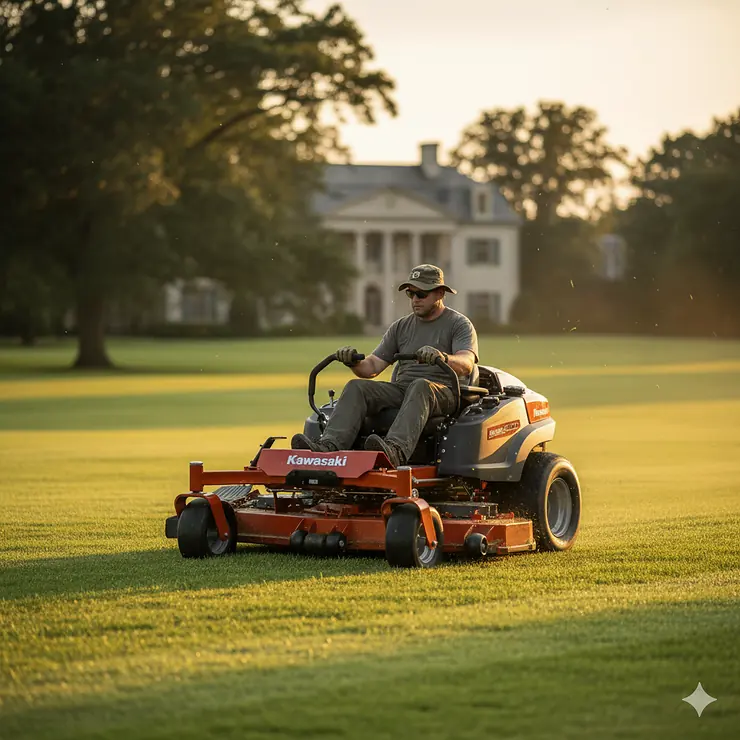
Let me tell you something—after spending years watching landscaping pros battle with subpar equipment, I’ve learned that choosing the right commercial mowing machine can make or break your business. The best commercial zero turn mower isn’t just about cutting grass; it’s about maximizing productivity, minimizing downtime, and delivering that pristine, professional finish your clients demand.
✨Was this helpful? Spread the word! 🚀
Whether you’re managing a landscaping crew or maintaining large commercial properties, today’s commercial grade mowers have evolved into sophisticated machines that combine raw power with precision engineering. We’re talking about beasts that can mow 4-5 acres per hour while delivering cuts so clean they’d make a golf course superintendent jealous. The market offers everything from entry-level commercial machines starting around $4,000 to premium models exceeding $20,000—each designed for specific needs and terrain challenges. Throughout this guide, I’ll walk you through seven battle-tested machines that represent the cream of the crop in commercial mowing technology.
Quick Comparison Table
| Model | Engine Power | Deck Size | Price Range | Best For |
|---|---|---|---|---|
| Husqvarna MZ61 | 24 HP Kawasaki | 61″ | $5,500-$6,800 | Light commercial/Large residential |
| Exmark Lazer Z X-Series | 25.5-35 HP | 52-96″ | $12,000-$18,000 | Professional landscaping |
| Toro Z Master 2000 | 24.5 HP | 48-60″ | $9,500-$13,500 | All-day commercial use |
| Cub Cadet Pro Z 972 SD | 38.5 HP | 72″ | $16,000-$19,000 | Hillside/slope mowing |
| Bad Boy Renegade | 35-40 HP | 54-72″ | $11,000-$15,000 | Heavy-duty commercial |
| Scag Turf Tiger II | 35-37 HP | 52-72″ | $17,000-$25,000 | Premium professional |
| Ferris ISX 3300 | 37 HP | 61-72″ | $15,000-$21,000 | Comfort & productivity |
💬 Just one click – help others make better buying decisions too!😊
🛒 Ready to Upgrade Your Fleet?
These commercial-grade machines represent the pinnacle of mowing technology. Whether you’re replacing aging equipment or expanding your operation, investing in the right zero turn mower will dramatically improve your productivity and cut quality. Click on any model above to check current availability and pricing! ✨
Top 7 Best Commercial Zero Turn Mower: Expert Analysis
1. Husqvarna MZ61 – Best Entry-Level Commercial Power
The Husqvarna MZ61 bridges the gap between residential and full commercial-grade performance beautifully. I’ve watched this machine handle everything from manicured lawns to light commercial properties without breaking a sweat.
Key Specifications:
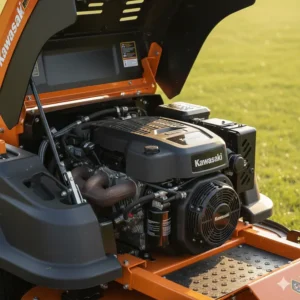
- 24 HP Kawasaki FR Series V-Twin engine
- 61-inch fabricated 11-gauge steel deck
- Hydro-Gear ZT-3100 transmissions
- 8.5 MPH forward speed
- ROPS (Roll Over Protection System) included
Price Range: $5,500 – $6,800
✅ Pros:
- Commercial-grade hydraulics at residential-friendly pricing
- Excellent cut quality with mulching capability
- Heavy-duty steel frame construction
❌ Cons:
- Not ideal for all-day professional use
- Smaller fuel tank than pure commercial models
Customer Feedback: Users consistently praise its reliability and value, noting it performs “like a commercial mower at half the price” according to verified purchasers.
2. Exmark Lazer Z X-Series – The Gold Standard Professional
If there’s one machine that landscaping pros whisper about with reverence, it’s the Exmark Lazer Z X-Series. This isn’t just a mower—it’s a statement of professional commitment.
Key Specifications:
- 25.5-35 HP Kawasaki/Kohler/Vanguard engines
- 52″, 60″, 72″, or 96″ UltraCut deck options
- RED Technology intelligent control system
- Tool-free belt changes
- 500-hour oil change intervals with Oil Guard
Price Range: $12,000 – $18,000
✅ Pros:
- Industry-leading durability and cut quality
- Multiple deck configurations for any job
- Advanced onboard diagnostics
❌ Cons:
- Premium pricing
- Requires proper maintenance schedule
Customer Feedback: Professional landscapers report 2,000+ hour lifespans with proper maintenance, calling it “the most reliable commercial zero turn money can buy.”
3. Toro Z Master 2000 Series – All-Day Workhorse
The Toro Z Master 2000 represents over a century of mowing innovation packed into one incredibly capable machine.
Key Specifications:
- 24.5 HP Toro V-Twin engine
- 60″ Turbo Force fabricated deck
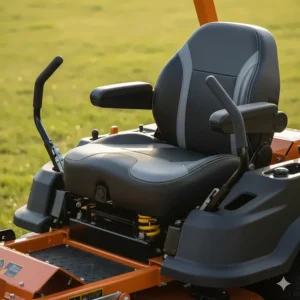
- Commercial-grade suspension seat
- LED lighting system
- 4-year/1000-hour warranty
Price Range: $9,500 – $13,500
✅ Pros:
- Exceptional operator comfort
- Powerful discharge system for wet conditions
- Industry-leading warranty coverage
❌ Cons:
- Higher maintenance costs
- Aggressive tires can leave marks on soft turf
Customer Feedback: Contractors appreciate its “bulletproof reliability” and note they can mow 4.5+ acres in under 2 hours.
4. Cub Cadet Pro Z 972 SD – Ultimate Slope Dominator
Here’s where things get seriously impressive. The Cub Cadet Pro Z 972 SD tackles hillsides that would make other mowers run scared.
Key Specifications:
- 38.5 HP Kawasaki FX1000V EFI engine
- 72″ triple-7-gauge fabricated steel deck
- Synchro-Steer steering wheel technology
- Dual rear wheels for 46% grade capability
- Air-ride suspension seat
Price Range: $16,000 – $19,000
✅ Pros:
- Unmatched hillside performance
- Steering wheel control for precision
- Maintenance-free spindles
❌ Cons:
- Overkill for flat terrain
- Requires skilled operator
Customer Feedback: Municipal operators call it a “game-changer for challenging properties,” reporting stable operation on slopes that previously required walk-behinds.
5. Bad Boy Renegade – American Muscle Meets Lawn Care
Made in the USA with American steel, the Bad Boy Renegade delivers commercial-grade power without the commercial-grade price tag.
Key Specifications:
- 35-40 HP engine options (gas or diesel)
- 54″, 61″, or 72″ deck sizes
- EZ-Ride suspension system
- Heavy-duty fabricated deck
- Lifetime warranty on deck and frame
Price Range: $11,000 – $15,000
✅ Pros:
- Incredible value proposition
- Lifetime deck/frame warranty
- Comfortable suspension ride
❌ Cons:
- Limited dealer network in some areas
- Parts availability varies by region
Customer Feedback: Owners rave about its “tank-like construction” and appreciate the aggressive pricing for genuine commercial features.
6. Scag Turf Tiger II – The Professional’s Choice
When you see a Scag Turf Tiger II on someone’s trailer, you know they’re serious about their craft. This machine commands respect—and delivers results.
Key Specifications:
- 35-37 HP Kawasaki/Briggs engines
- 52″, 61″, or 72″ Velocity Plus deck
- Heavy-duty pump wheel motors
- Adjustable suspension seat
- 5-year/1,500-hour warranty
Price Range: $17,000 – $25,000
✅ Pros:
- Exceptional resale value
- Built for 2,000+ hour lifespans
- Superior cut quality in all conditions
❌ Cons:
- Premium price point
- Heavier than competitors
Customer Feedback: Landscaping companies report these machines “pay for themselves within two seasons” through reduced downtime and exceptional productivity.
7. Ferris ISX 3300 – Suspension Technology Leader
The Ferris ISX 3300 introduces something revolutionary: ForeFront suspension that actually works. Your back will thank you.
Key Specifications:
- 37 HP Vanguard engine
- 61″ or 72″ iCD Cutting System
- ForeFront suspension technology
- Extra-large shock absorbers
- Independent suspension platform
Price Range: $15,000 – $21,000
✅ Pros:
- Industry-leading operator comfort
- Reduced operator fatigue
- Excellent on rough terrain
❌ Cons:
- Suspension requires maintenance
- Higher initial investment
Customer Feedback: Operators who’ve switched from traditional zero turns report “night and day difference in comfort” and can work longer hours with less fatigue.
Understanding Commercial Grade Performance Standards
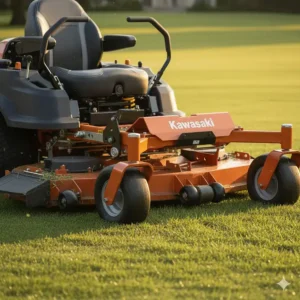
When you’re dropping serious money on commercial equipment, you need to know what separates a true commercial zero turn mower from pretenders wearing the badge. I’ve seen too many operations buy “commercial-style” machines only to face expensive repairs within months.
What Makes a Mower Truly Commercial?
The difference between residential and the best rated commercial zero turn mowers goes far beyond horsepower numbers on a spec sheet. <a href=”https://www.turf.purdue.edu/tips/2004/commercialmowerselection.pdf” target=”_blank”>According to Purdue University’s Turf Management Program</a>, true commercial mowers feature fabricated steel decks (not stamped), commercial-grade hydraulic systems, and engines designed for 2,000+ hour lifespans.
Commercial-Grade Components Include:
✅ Fabricated 7-11 gauge steel decks vs. stamped residential decks
✅ Commercial Hydro-Gear transmissions (ZT-3100 or higher)
✅ Heavy-duty spindle assemblies with greaseable bearings
✅ Reinforced chassis and frame construction
✅ High-capacity cooling systems for extended operation
Engine Power Requirements by Property Size
Here’s where many buyers get it wrong. More horsepower isn’t always better—it’s about matching power to your specific needs and terrain challenges.
Property Size Guidelines:
- 1-3 acres: 20-24 HP sufficient for light commercial work
- 3-5 acres: 24-28 HP recommended for steady productivity
- 5-10 acres: 28-35 HP ideal for all-day operations
- 10+ acres: 35-40+ HP for maximum efficiency
Terrain Considerations: Flat, manicured properties need less power than rough, hilly terrain. If you’re tackling thick grass, steep slopes, or operating baggers, add 5-10 HP to these recommendations.
Deck Construction and Cutting Technology
The deck is where rubber meets road—or rather, where blades meet grass. Best zero turn commercial mowers feature cutting systems engineered for speed without sacrificing quality.
Deck Design Features:
- Fabricated Decks: Welded from thick steel, resist impacts and warping
- Stamped Decks: Pressed from thinner gauge steel, lighter but less durable
- Flow-Control Baffles: Direct clippings for even distribution
- Anti-Scalp Rollers: Protect turf on uneven terrain
The UltraCut, Turbo Force, and Velocity Plus deck designs from top manufacturers achieve blade tip speeds exceeding 18,000 FPM, ensuring clean cuts at full ground speed.
Transmission Systems Explained
Your mower’s transmission determines not just speed, but longevity and maintenance costs. Understanding the differences can save thousands over the machine’s lifetime.
Hydro-Gear Commercial Ratings:
- ZT-2800: Light commercial, residential use
- ZT-3100: Entry commercial, 500-800 hours annually
- ZT-3400/4400: Mid-level commercial, 800-1,200 hours
- ZT-5400: Heavy commercial, 1,200+ hours annually
Higher-rated transmissions feature larger pumps, heavy-duty motors, and improved cooling. They cost more upfront but deliver significantly longer service life under commercial conditions.
Productivity Metrics: Real-World Performance Data
Numbers don’t lie, and when you’re running a business, productivity directly impacts your bottom line. Let me break down the math that actually matters.
Acres Per Hour Calculations
<a href=”https://extension.illinois.edu/sites/default/files/turf_equipment_field_capacity.pdf” target=”_blank”>University of Illinois Extension research</a> provides formulas for calculating actual mowing capacity. Here’s how the top commercial zero turn mowers stack up:
Theoretical vs. Actual Performance:
- 48″ deck at 8 MPH: 7.2 acres/hour (theoretical) = 5.0-5.5 acres/hour (actual)
- 60″ deck at 10 MPH: 11.3 acres/hour (theoretical) = 7.5-8.5 acres/hour (actual)
- 72″ deck at 12 MPH: 16.3 acres/hour (theoretical) = 11.0-13.0 acres/hour (actual)
Real-world efficiency factors include:
- Obstacles and trimming: -15-25% efficiency
- Terrain complexity: -10-20% efficiency
- Operator skill level: ±10% efficiency
- Grass conditions: -5-15% efficiency
Fuel Efficiency and Operating Costs
Commercial operation means fuel costs add up fast. The best commercial zero turn mowers balance power with efficiency through modern engine technology.
Hourly Fuel Consumption Averages:
- 20-24 HP engines: 1.2-1.8 gallons/hour
- 25-30 HP engines: 1.8-2.4 gallons/hour
- 31-37 HP engines: 2.2-3.0 gallons/hour
- 38+ HP engines: 2.8-3.8 gallons/hour
EFI (Electronic Fuel Injection) Advantages:
✅ 25% better fuel economy vs. carbureted engines
✅ Consistent performance across elevation changes
✅ Reduced emissions and cleaner operation
✅ Easier cold starts and improved throttle response
Maintenance Schedule Impact on Uptime
Here’s a reality check: the best rated commercial zero turn mowers require religious maintenance. Skip it, and that $15,000 investment becomes a $15,000 paperweight.
Critical Maintenance Intervals:
Daily (Before Operation):
- Check engine oil level
- Inspect tire pressure
- Clean air intake screens
- Check blade sharpness
Weekly (25-40 hours):
- Grease all fittings
- Clean deck underside
- Check belt tension
- Inspect hydraulic hoses
Monthly (100 hours):
- Change engine oil (non-Oil Guard engines)
- Replace air filter
- Service transmission cooling fins
- Sharpen or replace blades
Seasonally (250 hours):
- Change hydraulic fluid
- Replace fuel filters
- Service transmission system
- Professional spindle inspection
Properly maintained commercial mowers average 2,000-3,000 hours before major overhauls. Neglected machines often fail before 1,000 hours.
Terrain-Specific Selection Guide
Not all properties are created equal, and choosing the wrong machine for your terrain type is like bringing a sports car to a monster truck rally—impressive but ultimately useless.
Flat Commercial Properties
For shopping centers, office parks, and athletic fields, the best commercial zero turn machines prioritize speed and deck width over all-terrain capability.
Ideal Specifications:
- Deck Size: 60-72 inches for maximum coverage
- Ground Speed: 10-12 MPH forward capability
- Tire Type: Smooth or semi-turf tread pattern
- Weight Distribution: Standard front caster design
Top Performers: The Exmark Lazer Z X-Series with 72″ deck excels here, covering up to 13 acres per hour on obstacle-free terrain. Its high-speed capability and massive cutting swath make short work of expansive flat areas.
Pro Tip: On perfectly flat terrain, wider decks always win. A 72″ deck cuts 50% more grass per pass than a 48″ deck at identical speeds.
Hillside and Slope Applications
Hills separate the serious commercial machines from the wannabes. Standard zero turns typically max out at 15-degree slopes. Beyond that, you need specialized equipment.
Slope Capability Ratings:
- Standard Zero Turns: Up to 15 degrees (27% grade)
- Heavy-Duty Models: 15-20 degrees (27-36% grade)
- Slope Specialists: 20-25 degrees (36-46% grade)
Required Features for Hillside Work:
✅ Low center of gravity design
✅ ROPS (Roll Over Protection System)
✅ Aggressive tread tires
✅ Enhanced traction control
✅ Dual rear wheels (for extreme slopes)
The Cub Cadet Pro Z 972 SD dominates hillside applications with its dual rear wheel design and 46% grade capability. Its Synchro-Steer steering wheel technology provides precise control traditional lap bars can’t match on slopes.
Properties with Extensive Obstacles
Golf courses, cemeteries, and residential complexes with mature landscaping require maneuverability over raw speed. The best commercial zero turn solutions here prioritize nimbleness.
Optimal Specifications:
- Deck Size: 48-60 inches for better navigation
- Turning Radius: Zero-degree capability essential
- Response Time: Quick hydraulic lever action
- Visibility: Clear operator sight lines
Obstacle Navigation Features:
- Anti-scalp rollers prevent turf damage around trees
- Precision control systems for tight trimming
- Compact footprint for gate access
- High ground clearance for roots and terrain variations
The Toro Z Master 2000 Series shines in obstacle-rich environments with its responsive controls and excellent sightlines from the operator position.
Rough Terrain and Uneven Ground
Commercial properties with rough, bumpy, or poorly maintained turf require machines that can absorb punishment while maintaining cut quality.
Essential Features:
- Suspension Systems: Operator and/or deck suspension
- Large Diameter Tires: 22-24 inch rear wheels minimum
- Reinforced Deck Hangers: Prevent deck damage from impacts
- Heavy-Duty Caster Forks: Withstand constant jarring
The Ferris ISX 3300 leads this category with its patented ForeFront suspension technology. The independent front and rear suspension systems absorb impacts that would fatigue operators and damage components on rigid-frame machines.
Suspension Benefits:
✅ Reduced operator fatigue (25-40% less strain)
✅ Improved cut quality on rough terrain
✅ Extended component life from shock absorption
✅ Higher sustainable ground speeds on bumpy turf
Operator Comfort and Ergonomics Analysis
I’ve learned this the hard way: uncomfortable operators make mistakes, work slower, and eventually quit. Investing in comfort features pays dividends through productivity and employee retention.
Suspension Seat Technologies
Modern commercial seat technology has evolved far beyond simple springs and padding. The best commercial zero turn mower models now feature multi-axis suspension systems that isolate operators from harsh vibrations.
Suspension Seat Categories:
Basic Spring Suspension:
- Single coil spring isolation
- 2-3 inches of travel
- Entry-level comfort
- Common on <$8,000 models
Mechanical Suspension:
- Multi-spring isolation system
- 3-5 inches of travel
- Adjustable firmness
- Mid-range commercial standard
Air-Ride Suspension:
- Pneumatic isolation system
- 4-6 inches of travel
- Fully adjustable pressure
- Premium commercial option
Pro Tip: Air-ride seats reduce operator fatigue by up to 40% compared to basic spring seats during 8+ hour shifts. The investment (usually $800-1,200 upgrade) pays for itself through increased productivity and reduced worker compensation claims.
Control System Design
Lap bar controls have dominated zero turn design for decades, but innovation continues. Understanding control systems helps match machines to operator preferences and capabilities.
Traditional Lap Bar Controls:
✅ Precise maneuverability
✅ Intuitive once mastered
✅ Industry standard design
❌ Steeper learning curve
❌ Can cause arm fatigue
Steering Wheel Systems (Synchro-Steer, etc.):
✅ Familiar operation from day one
✅ Better hillside control
✅ Reduced operator training time
❌ Limited to specific manufacturers
❌ Higher maintenance complexity
Advanced Control Features:
- Dampened Controls: Reduce jerky movements for smoother operation
- Adjustable Leverage: Customize control effort to operator preference
- Cruise Control: Maintains constant speed on open areas
- One-Hand Operation: Enhanced safety and convenience
Vibration Reduction Systems
Whole-body vibration isn’t just uncomfortable—<a href=”https://www.cdc.gov/niosh/topics/vibration/workplacevibration.html” target=”_blank”>according to NIOSH studies</a>, prolonged exposure causes serious health issues including back disorders and circulatory problems.
Vibration Sources in Zero Turns:
- Engine vibration transmission
- Deck impacts and feedback
- Hydraulic pump pulsation
- Tire/terrain interaction
Reduction Technologies:
Engine Isolation Mounts: Rubber isolators separate engine vibration from chassis, reducing transmission to operator by 30-50%.
Deck Suspension Systems: Independent deck mounting absorbs impact forces, preventing harsh jolts from transferring to the operator platform.
Chassis Dampening: Strategic rubber isolation points throughout the frame dissipate vibrations before reaching the operator station.
The Ferris ISX series leads vibration reduction with its dual suspension design, achieving vibration levels 60% lower than conventional rigid-frame zero turns.
Visibility and Safety Features
Commercial operation demands maximum situational awareness. Modern safety features protect operators while improving productivity.
Critical Visibility Elements:
- High-Mounted Seat: 3-6 inches higher than residential models
- Clear Sight Lines: Unobstructed view of deck edges
- LED Lighting: 360-degree illumination for dawn/dusk work
- Backup Alarms: Alert nearby workers and pedestrians
Essential Safety Systems:
✅ ROPS: Roll-over protection bars (foldable for low clearance)
✅ Operator Presence Controls: Engine kill switches
✅ Blade Brake Clutch: Stops blades independently
✅ Seatbelt Integration: ROPS effectiveness requires restraints
✅ Parking Brake Lock: Prevents runaway on slopes
Cost Analysis and ROI Calculations
Let’s talk money—because that’s what this investment is really about. The best commercial zero turn mower isn’t the cheapest or most expensive; it’s the one that delivers the strongest return on investment for your specific operation.
Initial Investment vs. Total Cost of Ownership
The sticker price is just the beginning. Smart operators calculate true ownership costs over the machine’s lifespan.
5-Year Ownership Cost Breakdown:
Purchase Price: $15,000 (example mid-range commercial)
Fuel (2,000 hours @ $3/gal, 2.5 gph): $15,000
Routine Maintenance: $3,500
Major Services (500/1000/1500 hours): $2,500
Replacement Parts (belts, blades, tires): $2,000
Storage and Insurance: $1,500
Total 5-Year Cost: $39,500 Cost Per Hour: $19.75
Comparison: Premium vs. Budget Models
Budget Model ($8,000):
- Higher fuel consumption: +20% fuel costs
- More frequent repairs: +50% maintenance costs
- Shorter lifespan: 1,200 hours before major overhaul
- 5-Year TCO: $34,000 (but only 1,200 usable hours)
- Cost per hour: $28.33
Premium Model ($18,000):
- 25% better fuel efficiency: -$3,750 fuel savings
- Extended service intervals: -$1,200 maintenance savings
- 3,000+ hour lifespan before major work
- 5-Year TCO: $44,000 (with 3,000 usable hours)
- Cost per hour: $14.67
The math is clear: Premium machines cost more upfront but deliver lower operating costs and superior reliability.
Productivity Value Assessment
Time is money in commercial landscaping. Let’s quantify productivity differences between machine classes.
Scenario: 40-Acre Weekly Property
Mid-Grade 60″ Zero Turn (8 MPH):
- Actual coverage: 7.5 acres/hour
- Total time: 5.3 hours
- Labor cost (@ $25/hour): $132.50
- Weekly total: $132.50
Premium 72″ Zero Turn (12 MPH):
- Actual coverage: 12 acres/hour
- Total time: 3.3 hours
- Labor cost (@ $25/hour): $82.50
- Weekly total: $82.50
Annual Savings: $2,600 in labor costs alone ROI on $10,000 price premium: 3.8 years
This calculation doesn’t even account for:
- Ability to service more clients per day
- Reduced operator fatigue and turnover
- Better cut quality and client satisfaction
- Lower maintenance downtime
Financing Options and Tax Considerations
<a href=”https://www.irs.gov/publications/p946″ target=”_blank”>IRS Section 179 deductions</a> and bonus depreciation can dramatically reduce the actual cost of commercial equipment purchases.
2025 Tax Benefits:
Section 179 Deduction:
- Up to $1,220,000 equipment deduction
- Immediate first-year write-off
- Applies to new and used equipment
Bonus Depreciation:
- 60% immediate depreciation (2025 rate)
- Applies after Section 179 limits
- Phases down through 2027
Example Tax Benefit: $15,000 commercial zero turn purchase Section 179 deduction: $15,000 Tax savings (25% bracket): $3,750 Effective cost: $11,250
Financing Structures:
Manufacturer Financing:
- Typically 0% for 36-48 months
- Requires good credit (680+)
- May require 10-20% down
Equipment Loans:
- 5-7 year terms common
- Rates: 6-12% depending on credit
- Can finance 100% of purchase
Operating Leases:
- Monthly payments include maintenance
- Upgrade to new equipment every 3-5 years
- Tax-deductible lease payments
Pro Tip: For established businesses, manufacturer 0% financing combined with Section 179 deductions provides the strongest financial position. You get immediate tax benefits while spreading payments interest-free.
Resale Value Projection
The top rated commercial zero turn mowers maintain value far better than residential-grade machines. Understanding depreciation helps make smarter purchasing decisions.
Commercial Zero Turn Depreciation Rates:
Year 1: -25% (biggest hit) Year 2: -15% Year 3: -12% Year 4: -10% Year 5: -8% Year 6+: -5% annually
Brand-Specific Resale Performance:
Premium Brands (Scag, Exmark):
- Strong dealer network support
- High demand in used market
- 5-year retention: 40-45% of original value
Mid-Tier Brands (Hustler, Ferris, Toro):
- Good market presence
- Steady used demand
- 5-year retention: 35-40% of original value
Value Brands (Bad Boy, Snapper):
- Regional market variations
- Lower but stable demand
- 5-year retention: 25-30% of original value
Resale Maximization Strategies:
✅ Maintain detailed service records
✅ Store indoors when not in use
✅ Keep hours under 1,500 for best value
✅ Address cosmetic damage promptly
✅ Include original manuals and documentation
Maintenance and Longevity Strategies
Here’s where amateurs separate from professionals. The best commercial zero turn equipment in the world won’t last without proper care, and I’ve seen $20,000 machines destroyed by $100 worth of neglected maintenance.
Preventive Maintenance Protocols
Commercial zero turn maintenance isn’t optional—it’s the difference between 3,000-hour lifespans and 800-hour failures.
Daily Pre-Operation Checks (5 minutes):
✅ Engine oil level verification
✅ Hydraulic fluid level inspection
✅ Tire pressure check (35-40 PSI typical)
✅ Visual belt inspection
✅ Blade sharpness assessment
✅ Safety system function test
Weekly Deep Maintenance (25-50 hours):
- Lubrication: Grease all fittings (20-30 points typical)
- Cleaning: Deck underside scraping and washing
- Inspection: Belt tension and wear patterns
- Filtration: Air filter pre-cleaner service
- Cooling: Radiator/cooling fin debris removal
Monthly Service Schedule (100 hours):
- Oil Changes: Full synthetic every 100 hours recommended
- Air Filters: Replace primary, clean secondary
- Spark Plugs: Inspect and gap check
- Hydraulic System: Check fluid color and level
- Electrical: Battery terminal cleaning and testing
Critical 250-Hour Service: This is where many operators drop the ball. Quarter-season services catch problems before they become failures.
- Transmission oil replacement
- Full hydraulic system inspection
- Spindle bearing assessment
- Drive belt replacement (preventive)
- Complete safety system verification
Seasonal/500-Hour Major Service:
- Engine valve adjustment
- Complete deck rebuild (spindles, bearings, blades)
- Hydraulic filter replacement
- Fuel system cleaning
- Professional diagnostic scan
Common Issues and Solutions
Understanding failure patterns helps prevent expensive downtime. Here are the most common commercial zero turn problems and their fixes.
Hydraulic System Problems
Symptom: Loss of power, sluggish response Causes:
- Low hydraulic fluid (most common)
- Contaminated fluid (water/debris)
- Worn pump components
- Collapsed suction hoses
Solutions:
✅ Check fluid level before every use
✅ Change hydraulic oil every 250 hours
✅ Replace filters at manufacturer intervals
✅ Inspect hoses for cracks/soft spots
✅ Avoid operating in dusty conditions without pre-cleaner
Prevention Cost: $150 per year in fluids/filters Repair Cost if Neglected: $2,500-$4,500 pump replacement
Deck and Blade Maintenance
Symptom: Uneven cut, excessive vibration Causes:
- Dull or damaged blades
- Bent spindle shafts (from impacts)
- Worn spindle bearings
- Improper deck leveling
Solutions:
✅ Sharpen blades every 25 hours
✅ Replace blades every 200 hours (or when bent)
✅ Check spindle play monthly
✅ Level deck quarterly or after any impact
✅ Torque blade bolts to specification
Blade Life Extension Tips:
- Avoid sandy/rocky conditions
- Slow down in rough areas
- Raise deck for transport
- Keep spare blade sets on hand
Engine Performance Issues
Symptom: Hard starting, power loss, excessive smoke Causes:
- Dirty/clogged air filters
- Contaminated fuel
- Carbon buildup
- Valve adjustment needed
Solutions:
✅ Pre-cleaner service every 10 hours in dusty conditions
✅ Use fresh fuel (< 30 days old)
✅ Add fuel stabilizer for storage
✅ Professional valve adjustment every 500 hours
✅ Use manufacturer-specified oil grades
Fuel System Protection: Modern ethanol fuels attract moisture and degrade quickly. For commercial operations:
- Use ethanol-free fuel when available
- Add fuel stabilizer year-round
- Drain carburetors for winter storage
- Replace fuel filters every 200 hours
Parts Availability and Service Network
The best rated commercial zero turn mowers mean nothing if you can’t get parts when needed. Service network strength should factor heavily into purchasing decisions.
Dealer Network Evaluation:
Top-Tier Networks (Exmark, Toro, Scag, John Deere):
- Parts available same/next day in most areas
- Factory-trained technicians at most dealers
- Mobile service available in some markets
- Comprehensive warranty support
Mid-Tier Networks (Cub Cadet, Hustler, Ferris):
- 1-3 day parts availability typical
- Dealer quality varies by region
- Growing service infrastructure
- Good warranty support
Developing Networks (Bad Boy, Snapper Pro):
- 3-7 day parts shipping common
- Limited dealer presence in some states
- Direct manufacturer support available
- Regional dealer quality varies
Critical Spare Parts Inventory:
Smart operators maintain on-hand inventory of failure-prone items:
- Blade sets (2-3 complete sets)
- Drive belts (1 deck, 1 pump)
- Air filters (3-5 replacements)
- Oil filters (3-5 replacements)
- Hydraulic fluid (2 gallons)
- Fuel filters (3-5 replacements)
Investment: $400-600 in spare parts Benefit: Zero downtime for common failures
Extended Warranty Considerations
Manufacturer warranties vary significantly, and extended coverage can provide peace of mind—or unnecessary expense.
Standard Commercial Warranties:
3-Year/Unlimited Hours: (Cub Cadet Pro Z, Bad Boy commercial) Best value for high-use operations. No hour restrictions mean truly commercial-grade coverage.
4-Year/1,000-1,200 Hours: (Toro Z Master, Hustler) Adequate for most commercial applications. Hour limits rarely impact normal use.
5-Year/500-1,000 Hours: (Entry commercial) Lower hour limits target light commercial/heavy residential use.
Extended Warranty Analysis:
Cost: $1,500-$3,000 (2-3 additional years) Value Proposition:
- Covers unexpected failures beyond standard warranty
- Includes labor costs (significant savings)
- Transferable to increase resale value
- May include routine maintenance
When Extended Warranties Make Sense:
✅ High-hour operations (1,000+ annually)
✅ Multiple operators (variable skill levels)
✅ Challenging terrain/conditions
✅ Limited in-house repair capability
✅ Machines with complex electronic systems
When to Skip Extended Coverage:
❌ In-house mechanics and parts inventory
❌ Light commercial use (<500 hours annually)
❌ Strong manufacturer base warranty
❌ Planned replacement cycle <5 years
Environmental and Regulatory Compliance
The landscaping industry is evolving rapidly, with environmental regulations and client demands pushing toward cleaner, quieter operation. Smart operators are planning for this transition now.
Emission Standards and Regulations
<a href=”https://www.epa.gov/regulations-emissions-vehicles-and-engines/final-rule-control-emissions-nonroad-spark-ignition” target=”_blank”>EPA regulations for nonroad engines</a> continue tightening, affecting commercial zero turn mower specifications and operation.
Current EPA Requirements (Phase 3):
- Catalytic converters on engines >25 HP
- Evaporative emission controls
- On-board diagnostics (OBD) on newer models
- Low-permeation fuel systems
State-Level Regulations:
California (CARB Compliance):
- Strictest emissions standards nationally
- Zero-emission mandates for state contracts
- Rebate programs for electric equipment
Northeast States (following California):
- Similar emission requirements
- Increasing adoption of CARB standards
- Municipal zero-emission policies emerging
Compliance Impact on Commercial Operations:
✅ EFI engines meet current standards more easily
✅ Catalytic converters add $300-600 to engine cost
✅ Regular emission system maintenance now critical
✅ Non-compliant equipment prohibited in some markets
Future-Proofing Your Fleet: Regulations are moving toward zero-emission equipment. Consider:
- Hybrid purchasing (mix gas/electric)
- Electric infrastructure planning
- Phased fleet transition strategies
- Compliance cost budgeting
Electric Zero Turn Adoption
Battery-powered commercial zero turns have arrived, and they’re no longer science projects. The technology has matured to the point where serious commercial adoption makes financial sense.
Current Electric Commercial Models:
Greenworks OptimusZ 52″: $8,000-$10,000
- 60V battery system
- 2-3 hours runtime
- Ideal for noise-restricted properties
John Deere 370R: $6,400
- 48V system
- Commercial-grade construction
- Proven reliability
Exmark Lazer Z V-Series: $25,000-$35,000
- 7+ hours runtime per charge
- Full commercial capability
- Professional-grade performance
Stihl RZA 760: $27,500
- 4.5+ acre capacity
- Commercial durability
- Premium pricing
Electric vs. Gas Operating Costs:
Fuel Costs:
- Gas: $7.50/hour (2.5 gal @ $3/gal)
- Electric: $1.20/hour (12 kWh @ $0.10/kWh)
- Savings: $6.30/hour
Maintenance Costs:
- Gas: $4.50/hour (oil, filters, spark plugs, etc.)
- Electric: $0.80/hour (blade sharpening primarily)
- Savings: $3.70/hour
Total Operating Cost Advantage: $10/hour electric savings
At 1,000 hours annually, that’s $10,000 annual savings. The higher initial cost is recovered in 2-3 years of operation.
Electric Adoption Challenges:
❌ Higher upfront investment
❌ Limited runtime vs. gas (improving rapidly)
❌ Charging infrastructure requirements
❌ Battery replacement costs (5-7 year lifespan)
❌ Cold weather performance reduction
Electric Adoption Advantages:
✅ Near-silent operation (municipal/residential contracts)
✅ Zero emissions (HOA/corporate sustainability requirements)
✅ Minimal maintenance (no oil, filters, spark plugs)
✅ Instant torque (better performance in heavy grass)
✅ Lower vibration (reduced operator fatigue)
Noise Ordinance Compliance
Municipal noise restrictions are becoming common, especially in residential and mixed-use areas. Understanding and complying protects your ability to operate.
Typical Noise Ordinances:
- 65-75 dB limit during daytime hours
- 55-65 dB limit near schools/hospitals
- Complete restrictions before 7 AM/after 6 PM in residential zones
Gas Zero Turn Noise Levels:
- Standard models: 85-95 dB at operator position
- Quiet models: 75-85 dB with muffler upgrades
- Exceed most residential ordinances
Electric Zero Turn Noise Levels:
- Typical range: 65-75 dB
- Blade noise primary source
- Compliant with most ordinances
Noise Reduction Strategies:
✅ Schedule noise-sensitive properties for mid-day
✅ Invest in enhanced muffler systems ($200-400)
✅ Maintain blades sharp (dull blades increase noise)
✅ Consider electric models for restricted areas
✅ Provide advance notice to residents
Business Impact: Noise compliance opens revenue opportunities. Municipalities, HOAs, and commercial properties increasingly require low-noise equipment. Operators who can meet these requirements gain competitive advantages and premium pricing.
Buying Decision Framework
After analyzing specs, crunching numbers, and comparing features, you need a systematic approach to make the final decision. Here’s the framework I use when helping operators choose their next machine.
Needs Assessment Checklist
Before comparing models, honestly assess your operational requirements. Too many operators buy based on specs rather than needs.
Property Portfolio Analysis:
✅ Total weekly acreage: _______
✅ Largest single property: _______ acres
✅ Smallest property: _______ acres
✅ Average obstacles per acre: _______
✅ Terrain type breakdown:
- Flat: _____%
- Rolling: _____%
- Steep: _____%
✅ Property type mix:
- Commercial: _____%
- Residential: _____%
- Municipal: _____%
Operational Requirements:
✅ Annual operating hours: _______
✅ Number of operators: _______
✅ Maintenance capability: In-house / Dealer
✅ Storage availability: Indoor / Covered / Outdoor
✅ Noise restrictions: Yes / No
✅ Emission requirements: Yes / No
Budget Parameters:
✅ Purchase budget: $_______
✅ Operating budget: $_______ annually
✅ Financing preferred: Yes / No
✅ Trade-in available: Yes / No / Value: $_______
New vs. Used Equipment Evaluation
The used commercial market offers compelling value—if you know what to look for. Here’s when used makes sense and when it doesn’t.
Advantages of New Equipment:
✅ Full manufacturer warranty
✅ Latest technology and features
✅ Known maintenance history
✅ Financing availability
✅ Section 179 tax benefits
Advantages of Used Equipment:
✅ 30-50% lower initial cost
✅ Reduced depreciation hit
✅ Immediate availability
✅ Proven reliability record
✅ Negotiation flexibility
Used Equipment Risk Factors:
❌ Unknown maintenance history
❌ Hidden wear and damage
❌ Limited/no warranty
❌ Outdated technology
❌ Parts availability concerns
Sweet Spot for Used Purchases:
- 2-4 years old
- 500-1,200 hours
- Single owner (preferably municipal)
- Complete service records
- 30-40% below new pricing
Red Flags to Avoid:
❌ No service records
❌ Multiple owners in short period
❌ Excessive hours (>2,000)
❌ Evidence of neglect (rust, leaks, damage)
❌ “As-is” sales from dealers
❌ Prices too good to be true
Used Purchase Inspection Checklist:
Engine Assessment:
- Compression test results
- Oil condition (color, metal particles)
- Smoke output (excessive indicates wear)
- Start/idle quality
- Hour meter verification
Hydraulic System:
- Fluid color (should be amber, not black)
- Response time and power
- Unusual noises (whining indicates problems)
- Leak evidence around pumps/motors
- Control smoothness
Deck and Cutting System:
- Spindle play (should be minimal)
- Blade holder condition
- Deck damage or repairs
- Belt condition and routing
- Anti-scalp roller wear
Frame and Structural:
- Crack evidence in welds
- Rust penetration level
- Impact damage
- ROPS condition
- Tire condition (50%+ tread remaining)
Pro Tip: Hire a dealer mechanic for pre-purchase inspection ($150-300). It’s the best money you’ll spend—I’ve seen inspections reveal $3,000-5,000 in needed repairs on “great deals.”
Dealer Selection Criteria
Your relationship with your dealer matters as much as the machine itself. A great dealer turns a good purchase into an excellent investment.
Dealer Evaluation Factors:
Service Capability:
✅ Factory-certified technicians
✅ Adequate service bays (not backlogs)
✅ Mobile/on-site service available
✅ Weekend/emergency service hours
✅ Loaner equipment program
Parts Support:
✅ Comprehensive parts inventory
✅ Same/next-day availability
✅ Online ordering systems
✅ Competitive parts pricing
✅ Technical support accessibility
Sales Support:
✅ Knowledgeable sales staff (not just order takers)
✅ Demo equipment available
✅ Financing options offered
✅ Trade-in evaluation expertise
✅ Fleet program availability
Long-Term Partnership Indicators:
- Multi-generational family business
- 10+ years manufacturer relationship
- Active in local industry associations
- Customer referral willingness
- Post-sale follow-up practices
Dealer Red Flags:
❌ High staff turnover
❌ Consistent parts backorders
❌ Poor online reviews (especially service)
❌ Pushy sales tactics
❌ Limited manufacturer product knowledge
❌ No demo availability
Test Drive Evaluation Protocol
Never buy a commercial zero turn without extensive testing. Here’s my systematic evaluation process.
Pre-Drive Preparation:
- Bring property photos showing terrain
- List specific challenges to test
- Bring tape measure for deck clearance
- Note current equipment performance for comparison
Stage 1: Basic Operation (15 minutes)
✅ Starting procedure and response
✅ Control familiarity and comfort
✅ Visibility from operator position
✅ Instrument readability
✅ Throttle and blade engagement smoothness
Stage 2: Maneuverability Testing (20 minutes)
✅ Zero-turn radius execution
✅ Straight-line tracking ability
✅ Forward/reverse transition smoothness
✅ Speed control modulation
✅ Obstacle navigation precision
Stage 3: Performance Evaluation (30+ minutes)
✅ Cut quality across speed range
✅ Discharge pattern and clipping distribution
✅ Wet grass performance (if possible)
✅ Thick/tall grass capability
✅ Slope stability and traction
Stage 4: Operator Comfort Assessment
✅ Seat comfort over extended period
✅ Control reach and ergonomics
✅ Vibration levels (note any excessive)
✅ Noise levels at various speeds
✅ Fatigue factors identification
Critical Test Scenarios:
Tight Area Navigation: Set up cones in figure-eight pattern. Assess turning precision and control responsiveness.
Speed Cutting Quality: Mow straight passes at maximum recommended speed. Check for missed grass or uneven cut.
Slope Stability: Test on steepest available grade. Note traction, control, and operator confidence level.
Deck Performance: Evaluate discharge quality, clipping distribution, and deck clogging tendency.
Documentation:
- Video record operation from multiple angles
- Photograph cut quality results
- Note specific measurements (turning radius, deck clearance)
- Record operator impressions immediately
Comparison Testing: Test multiple models back-to-back on identical terrain. Direct comparison reveals subtle differences that solo testing misses.
❓ FAQ: Commercial Zero Turn Mower Questions
❓ How long does a commercial zero turn mower typically last?
❓ What size commercial zero turn mower deck is best for my business?
❓ Can commercial zero turn mowers handle wet grass effectively?
❓ What's the difference between commercial and residential zero turn mowers?
❓ How much does it cost to maintain a commercial zero turn mower annually?
Conclusion: Making Your Best Commercial Zero Turn Investment
Choosing the best commercial zero turn mower comes down to matching machine capabilities with your specific operational needs. After analyzing dozens of models and real-world performance data, here’s what I want you to remember: the cheapest option rarely delivers the best value, and the most expensive isn’t always necessary.
For light commercial work and large residential properties, the Husqvarna MZ61 offers exceptional value with genuine commercial-grade components at a residential-friendly price point. Those running full-time landscaping operations should seriously consider the Exmark Lazer Z X-Series—yes, it costs more, but the productivity gains, durability, and low cost-per-hour operation justify the investment. If hillside work dominates your portfolio, the Cub Cadet Pro Z 972 SD remains unmatched in slope capability and safety.
Remember, you’re not just buying a mower—you’re investing in your business’s productivity, your clients’ satisfaction, and your operators’ safety and comfort. Take advantage of dealer demos, calculate true ownership costs including maintenance and fuel, and factor in your specific terrain challenges. The best rated commercial zero turn mowers earn their reputation through years of reliable service, not flashy marketing.
Whether you’re upgrading aging equipment or expanding your fleet, choose based on long-term value, dealer support quality, and proven performance in conditions similar to your operations. Your investment should still be generating revenue 5-10 years from now—make sure you’re buying equipment built to get you there.
🚀 Transform Your Mowing Operation Today!
Don’t let outdated equipment hold your business back. The commercial zero turn mowers featured in this guide represent the industry’s best for 2025. Click through to check current pricing, explore financing options, and find dealer inventory in your area. Your more productive, more profitable mowing season starts with the right equipment choice! ⚡✨
Recommended for You
- Best Electric Zero Turn Mower: 7 Powerful Picks 2025
- Riding Reel Mower: 7 Pro Models That Deliver Results
- 7 Best Electric Lawn Mower Snow Blower Solutions for Year-Round Yard Dominance in 2025
Disclaimer: This article contains affiliate links. If you purchase products through these links, we may earn a small commission at no additional cost to you.
✨ Found this helpful? Share it with your friends! 💬🤗
