
In This Article
Why Your RV Needs a Proper Home
For many Americans, an RV represents freedom, adventure, and countless memories waiting to be made on the open road. However, when your home on wheels isn’t cruising down highways or parked at scenic destinations, it needs proper protection. That’s where an rv garage comes into play – not just as a storage solution, but as a critical investment in preserving your valuable recreational vehicle.
Whether you own a compact camper van or a luxurious Class A motorhome, protecting it from harsh weather conditions, UV damage, and potential security concerns should be a top priority. In fact, studies show that RVs properly stored in dedicated garages maintain up to 25% more of their resale value compared to those left exposed to the elements year-round.
As someone who has personally navigated the challenges of RV ownership for over a decade, I’ve learned firsthand that the right storage solution can make all the difference in extending the life of your vehicle and reducing maintenance costs. Throughout this comprehensive guide, I’ll share everything you need to know about rv garage options – from permanent structures to temporary alternatives, DIY approaches to professional installations, and everything in between.
Understanding RV Garage Basics
What Exactly Is an RV Garage?
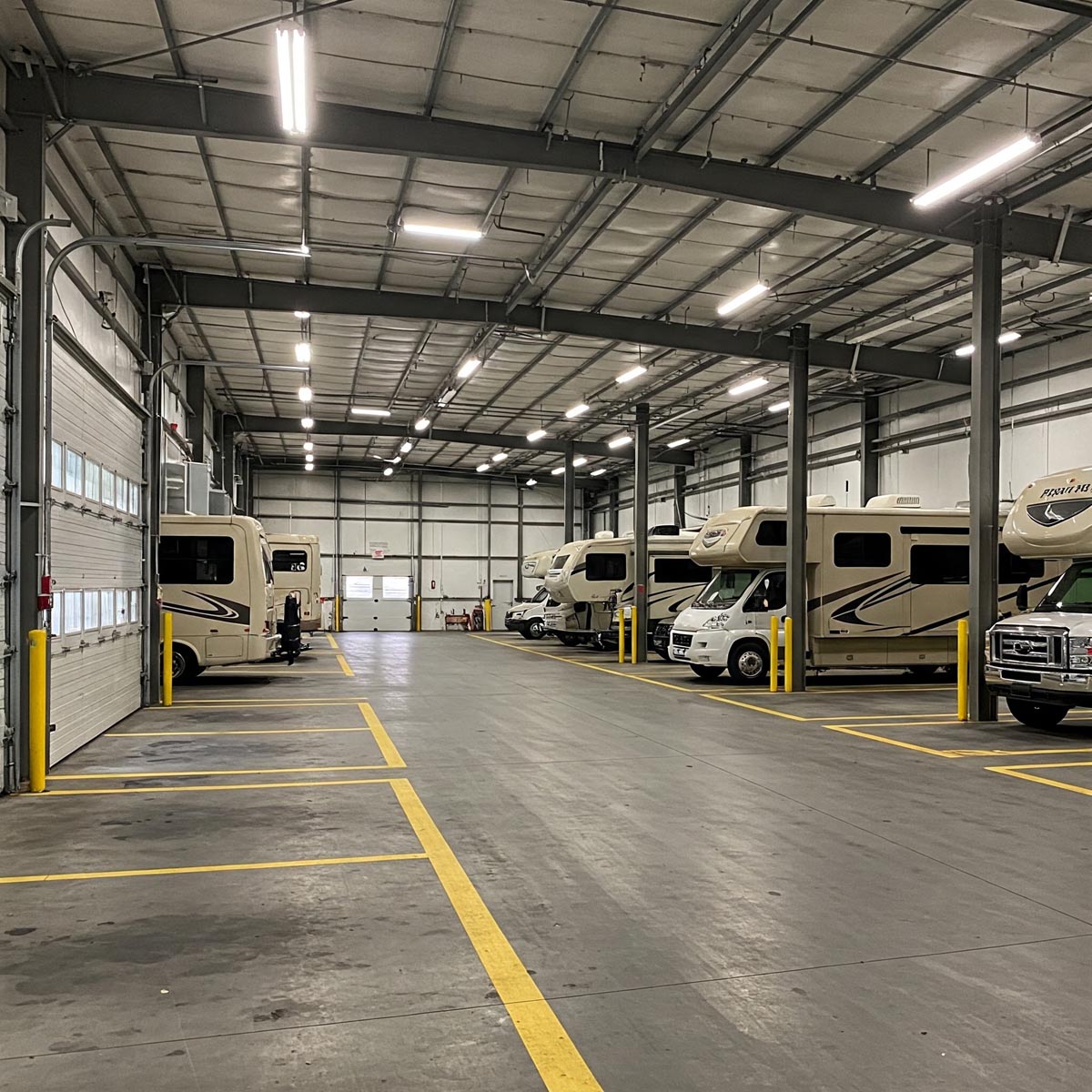
An rv garage is specifically designed to house recreational vehicles, offering dimensions and clearances that accommodate the unique size and height requirements of motorhomes, travel trailers, fifth wheels, and other RV types. Unlike standard residential garages, these structures feature higher ceilings, wider doors, and often greater depth to fully enclose even large Class A motorhomes.
These specialized structures serve multiple purposes beyond simple storage:
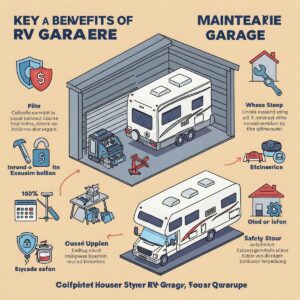
✅ Protection from weather elements (rain, snow, hail, and intense sunlight)
✅ Security against theft and vandalism
✅ Space for maintenance and repairs
✅ Potential for additional storage or workspace
✅ Enhancement of property value
Types of RV Garages Available
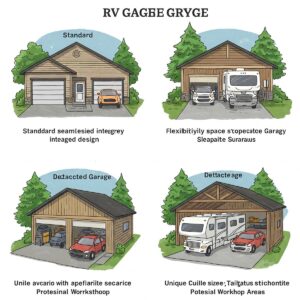
When considering an rv garage, you’ll encounter several distinct categories that vary in permanence, construction, and investment level:
- Permanent Attached Structures – Extensions of your existing home garage or custom-built additions that seamlessly integrate with your property’s architecture
- Detached RV Garages – Standalone buildings dedicated exclusively to RV storage, often featuring additional workspace or storage areas
- Carport-Style Covers – Open-sided structures that provide overhead protection while maintaining easy access and ventilation
- Portable RV Shelters – Temporary solutions using metal frames and weather-resistant fabric covers that can be assembled or disassembled as needed
- Hybrid Solutions – Combinations of permanent foundations with semi-permanent upper structures for flexibility and cost management
Each type offers distinct advantages depending on your budget, available space, local regulations, and specific protection needs. Throughout this article, we’ll explore each option in depth to help you make an informed decision.
Benefits of Investing in an RV Garage
Protection from the Elements
One of the primary reasons RV owners invest in a dedicated garage is to shield their vehicle from damaging weather conditions. Extended exposure to harsh elements can accelerate wear and deterioration of numerous RV components:
- Sun Damage: UV rays can fade exteriors, crack dashboards, deteriorate rubber seals, and damage roofing materials
- Precipitation: Rain, snow, and ice can lead to water intrusion, mold growth, and structural damage
- Wind Exposure: Strong winds can damage awnings, antennas, and other external components
- Temperature Fluctuations: Extreme heat and cold can affect batteries, plumbing systems, and interior furnishings
According to a study by the Recreation Vehicle Industry Association, weather-related damage accounts for approximately 40% of all insurance claims filed by RV owners. A proper rv garage significantly reduces these risks.
Enhanced Security
Beyond weather protection, security remains a paramount concern for RV owners. With recreational vehicles representing investments that often exceed $100,000, theft and vandalism pose serious threats. An rv garage provides a secure enclosure that:
- Deters opportunistic thieves and vandals
- Conceals your RV from public view
- Allows for the installation of additional security measures
- Protects valuable components from being stolen (generators, batteries, etc.)
Maintenance Convenience
An often overlooked benefit of an rv garage is the convenience it provides for maintenance activities. Having a protected space allows you to:
✅ Perform regular maintenance regardless of weather conditions
✅ Work comfortably during extreme temperatures
✅ Store tools and maintenance supplies nearby
✅ Address minor issues before they become major problems
Preserving Resale Value
Perhaps the most compelling financial argument for an rv garage is its impact on resale value. According to data from NADAguides, a leading RV valuation resource, properly stored RVs retain significantly more value over time compared to those stored outdoors.
The financial math often makes sense: while an rv garage represents an upfront investment, the preserved value of your recreational vehicle combined with reduced repair costs typically results in positive returns over the ownership lifecycle.
Permanent RV Garage Solutions
Attached Garage Extensions
For homeowners with available property space adjacent to their existing garage, an attached rv garage extension often represents the most seamless and convenient solution. These extensions integrate with your home’s existing architecture while providing dedicated space for your recreational vehicle.
Advantages of Attached Extensions:
- Direct access from your home
- Shared utility connections (electrical, water, etc.)
- Consistent architectural styling with your home
- Potential for climate control integration
- Added square footage that increases property value
Considerations for Attached Extensions:
Before pursuing an attached rv garage extension, several factors deserve careful consideration:
- Zoning Regulations: Many municipalities have specific restrictions regarding attached structures, setback requirements, and maximum building heights
- Foundation Requirements: Your existing home’s foundation may require reinforcement to support the additional structure
- Roofline Integration: Matching rooflines and ensuring proper water drainage becomes more complex with attached structures
- Construction Disruption: The building process may temporarily impact your daily home life
According to HomeAdvisor, attached rv garage additions typically cost between $35-$65 per square foot depending on materials, finishes, and local labor costs. For a typical 14′ × 45′ attached rv garage, this translates to approximately $22,000-$41,000.
Detached RV Garages
Standalone rv garages represent the most popular permanent solution, offering maximum flexibility in terms of design, placement, and functionality. These structures can be positioned wherever your property allows, provided they meet local setback requirements and building codes.
Popular Detached RV Garage Styles:
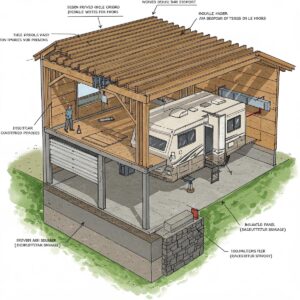
- Traditional Stick-Built Garages – Custom wood-framed structures built on-site using conventional construction methods
- Metal Building Systems – Pre-engineered steel structures offering wide spans without interior support columns
- Post-Frame (Pole Barn) Construction – Economical structures using large poles/posts embedded in the ground as the primary support system
- Concrete Tilt-Up Construction – Durable, low-maintenance structures with excellent insulation properties created by pouring concrete panels on-site
Design Considerations for Detached RV Garages:
When planning a detached rv garage, several key design elements deserve special attention:
✅ Door Dimensions: Ensure doorways accommodate your RV’s height and width with at least 12″ clearance on all sides
✅ Interior Clearance: Plan for adequate height throughout (typically minimum 14′ for Class A motorhomes)
✅ Floor Engineering: Design concrete slabs to support concentrated wheel loads
✅ Ventilation Systems: Incorporate proper airflow to prevent moisture accumulation and fuel vapor buildup
✅ Electrical Requirements: Plan for appropriate lighting and potential 30/50 amp RV electrical connections
According to a survey by RV Travel, the average detached rv garage costs between $25,000-$90,000 depending on size, materials, and amenities. However, these structures typically return 80-90% of their value in home appreciation, making them sound investments for many property owners.
Top Recommended Products for Permanent RV Garages
For those planning permanent rv garage construction, certain products can significantly enhance functionality and protection:
1. VEVOR Garage Door Opener, Heavy Duty Chain Drive
This powerful opener features a 1000N motor suited for the larger, heavier doors common in rv garages. With smartphone connectivity, battery backup, and quiet operation, it’s ideal for the oversized doors needed to accommodate recreational vehicles.
Key Features:
- 1000N motor for heavy doors up to 200 sq ft
- Smartphone control capability
- Safety auto-reverse mechanism
- Energy-efficient LED lighting
2. HENG’S RV Roof Vent Fan, 3-Speed with Thermostat
Proper ventilation is critical in any rv garage to prevent moisture buildup and dissipate fuel vapors. This 3-speed reversible fan with built-in thermostat provides automatic climate control.
Key Features:
- 3-speed reversible airflow
- Automatic thermostat control
- 14″ × 14″ standard RV opening
- Removable bug screen
3. NewAge Pro Series, Heavy Duty Cabinetry System
Maximize your rv garage’s utility with this modular storage system designed specifically for garage environments. The powder-coated steel construction withstands heavy use while providing organized storage for RV supplies and maintenance equipment.
Key Features:
- 24-gauge steel construction
- 600 lb weight capacity per cabinet
- Adjustable shelving
- Limited lifetime warranty
| Product | Weight Capacity | Warranty | Key Benefit |
|---|---|---|---|
| VEVOR Garage Door Opener | 200 sq ft door | 5 Years | Heavy-duty operation for oversized doors |
| HENG’S RV Roof Vent Fan | N/A | 2 Years | Prevents moisture damage through proper ventilation |
| NewAge Pro Series | 600 lbs/cabinet | Lifetime | Organized storage for RV maintenance supplies |
Don’t Miss These Essential Garage Enhancement Deals! 🛠️ 🏡
→ Take your rv garage to the next level with these professionally selected products engineered specifically for RV storage needs. Click any highlighted item to check current pricing and availability. These tools will help protect your investment while creating a functional maintenance space you’ll love!
Temporary and Portable RV Garage Solutions
Not every RV owner has the property space, budget, or need for a permanent garage structure. Fortunately, numerous temporary solutions offer significant protection without the commitment of permanent construction.
Carport-Style RV Covers
Metal carports represent one of the most popular semi-permanent solutions for RV storage. These structures typically feature:
- Metal roof panels supported by steel or aluminum framework
- Open sides or partial wall enclosures
- Anchored foundations that may or may not require permits
- Quick installation timeframes (often 1-2 days)
According to data from American Steel Carports, a standard 12′ × 36′ × 14′ RV carport typically costs between $3,500-$7,000 depending on gauge of metal, certification for wind/snow loads, and installation requirements.
Advantages of Carport Solutions:
✅ Lower cost than fully enclosed structures
✅ Simpler permitting process in many jurisdictions
✅ Excellent protection from sun and precipitation
✅ Good airflow to prevent moisture buildup
✅ Potential for DIY installation (smaller units)
Limitations to Consider:
❌ Limited security compared to fully enclosed structures
❌ Partial protection from wind-driven rain or snow
❌ Less effective in extreme weather conditions
❌ Minimal insulation properties
Portable Fabric RV Shelters
For those seeking maximum flexibility or facing HOA restrictions against permanent structures, portable fabric shelters provide a compelling alternative. These systems typically feature:
- Galvanized steel tube frameworks
- Heavy-duty polyethylene or ripstop fabric covers
- Simple assembly with minimal tools
- No permanent foundation requirements
Top Portable RV Shelter Recommendation:
ShelterLogic Garage-in-a-Box offers superior protection through its RipStop cover technology and patented ShelterLock stabilizers. Available in multiple sizes to accommodate various RV dimensions, these shelters provide reliable protection while remaining fully portable.
Key Features:
- 1-3/8″ steel frame with powder-coat finish
- Triple-layer ripstop polyethylene cover
- UV-treated, water-resistant fabric
- Easy slide rail system for cover tensioning
The ShelterLogic system has consistently received positive reviews for its durability in moderate weather conditions, though many owners recommend additional anchoring in high-wind areas.
DIY RV Canopy Options
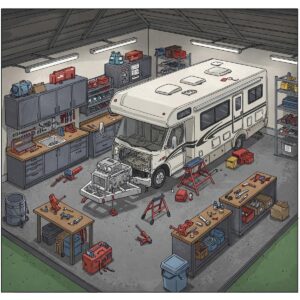
For the budget-conscious RV owner with some construction skills, DIY canopy solutions offer an economical middle ground. These typically involve:
- Wood Frame Construction – Using pressure-treated lumber for a custom-sized structure
- Metal Carport Kits – Pre-engineered metal components you assemble yourself
- PVC Frame Systems – Lightweight, corrosion-resistant frames with custom fabric covers
While DIY approaches can significantly reduce costs (often by 40-60% compared to professional installation), they require careful planning to ensure structural integrity and compliance with local codes.
Custom-Built RV Garage Considerations
Designing Your Ideal RV Storage Space
For those pursuing a custom rv garage solution, thoughtful design significantly impacts both functionality and long-term satisfaction. Key considerations include:
1. Appropriate Dimensions
Measure your RV carefully and plan for adequate clearance on all sides:
- Width: RV width + minimum 24″ clearance (12″ per side)
- Length: RV length + minimum 4′ front and rear clearance
- Height: RV height + minimum 12″ overhead clearance (more if roof accessories exist)
2. Door Configuration Options
The entrance to your rv garage deserves special attention since standard residential garage doors rarely accommodate RV dimensions:
- Roll-up Commercial Doors – Excellent space efficiency but typically require professional installation
- Hydraulic One-Piece Doors – Provide maximum clearance and simplified operation
- Bi-fold Doors – Operate vertically with hinged sections for good weatherproofing
- Sliding Doors – Economical but require wall space equal to the door width
According to Garage Door Nation, RV-specific garage doors typically cost 30-60% more than standard residential doors due to their increased size and specialized hardware requirements.
3. Flooring Considerations
The floor of your rv garage must balance multiple requirements:
✅ Load Capacity – Typically requires minimum 6″ reinforced concrete for Class A motorhomes
✅ Drainage Planning – Slight slopes (1-2%) toward doors or central drains for water management
✅ Surface Treatments – Epoxy coatings or similar for improved cleanability and reduced dust
✅ Utility Integration – Planned placement of water, electrical, and waste connections
For a comprehensive guide on concrete specifications for heavy vehicles, the Portland Cement Association offers detailed technical resources worth consulting.
Working with Architects and Contractors
Creating a custom rv garage often requires professional expertise. When selecting partners for your project:
- Look for Specialized Experience – Choose contractors with specific experience building rv garages or similar large-vehicle structures
- Review Previous Projects – Ask for examples of similar structures they’ve completed
- Check References Thoroughly – Contact previous clients specifically about post-construction satisfaction
- Verify Insurance and Bonding – Ensure appropriate coverage for large-scale construction projects
- Discuss Timeline Expectations – RV garage projects typically require 4-12 weeks depending on complexity
According to a survey by Angi, homeowners who solicited at least three contractor bids for specialized garage projects reported average savings of 15-22% compared to accepting the first proposal.
Navigating Permits and Regulations
Perhaps the most challenging aspect of rv garage construction involves navigating the complex landscape of local regulations. These typically include:
- Zoning Requirements – Restrictions on size, location, and permitted uses
- Building Codes – Structural standards, fire safety requirements, and material specifications
- Setback Rules – Minimum distances from property lines, streets, and existing structures
- Height Restrictions – Maximum allowable heights for structures in your zoning classification
- HOA Regulations – Additional restrictions imposed by homeowners associations
Before finalizing any rv garage design, consult with your local building department and HOA (if applicable) to ensure compliance with all regulations. Many jurisdictions offer pre-application consultations that can identify potential issues before you invest in detailed plans.
RV Garage Alternatives for Limited Spaces
Maximizing Small Properties for RV Storage
Not every property can accommodate a full-sized rv garage, but creative alternatives exist for those with space constraints:
1. Tandem Garages
By designing a garage that accommodates your RV behind your regular vehicles, you can maximize limited frontage while still providing indoor storage. These designs typically feature:
- Extended depth (typically 40’+ total)
- Single wide entrance for regular vehicles
- Taller interior sections for RV clearance
- Specialized ventilation to address exhaust concerns
2. Lean-To Additions
For properties with available side yard space, lean-to structures attached to existing buildings can provide economical rv protection:
- Single-slope roofs that attach below existing eaves
- Open front design for easy access
- Reduced material costs compared to standalone structures
- Simplified drainage and foundation requirements
3. Stackable Solutions
In urban environments with severe space limitations, hydraulic lift systems can create vertical storage for smaller RVs and camper vans:
- Four-post lifts with capacity ratings of 9,000-15,000 pounds
- Safety lock systems for secure storage
- Potential to park regular vehicles underneath
For specialized RV lift systems, the QuickJack RV Lifting System provides portable yet powerful lifting capability for maintenance tasks without requiring permanent installation.
Key Features:
- 7,000 lb capacity
- Portable design can be stored when not in use
- Open-center design for undercarriage access
- Includes remote pendant control
Community Storage Options
When on-property storage isn’t feasible, community-based solutions offer viable alternatives:
- Dedicated RV Storage Facilities – Specialized facilities offering covered or enclosed storage bays
- Self-Storage Properties with RV Sections – Traditional storage facilities with oversized units or parking areas
- Community Shared Garages – Cooperative ownership arrangements where multiple RV owners share construction and maintenance costs
According to SpareFoot Storage Beat, climate-controlled RV storage bays average $250-450 monthly, while covered parking typically ranges from $85-150 monthly depending on location and amenities.
Cost Analysis: RV Garage Investment
Budget Planning for Different Solutions
Understanding the financial implications of various rv garage options helps ensure appropriate investment decisions:
| Storage Solution | Typical Cost Range | Lifespan | Annual Cost of Ownership* |
|---|---|---|---|
| Permanent Attached Garage | $35,000-60,000 | 30+ years | $1,500-2,500 |
| Detached Metal Building | $25,000-45,000 | 25+ years | $1,200-2,200 |
| Carport Structure | $4,000-12,000 | 15-20 years | $400-800 |
| Portable Fabric Shelter | $1,500-4,500 | 5-10 years | $300-900 |
| Commercial RV Storage | $1,800-5,400 | N/A (annual) | $1,800-5,400 |
*Annual cost calculated by amortizing initial investment over expected lifespan plus average annual maintenance costs.
Return on Investment Considerations
While the upfront costs may seem substantial, several factors contribute to positive ROI for rv garage investments:
✅ Preserved RV Value – Professional appraisers typically value garaged RVs 15-25% higher than equivalent models stored outdoors
✅ Reduced Maintenance Costs – Protected RVs require fewer repairs and less frequent servicing
✅ Extended Lifespan – Indoor storage can add 5-10 years to your RV’s useful life
✅ Property Value Enhancement – Well-designed rv garages typically return 80-90% of construction costs in increased property value
✅ Potential Rental Income – When not in use, some owners rent their rv garage space to other RV owners
According to data from RV Trader, Class A motorhomes stored in dedicated garages retain approximately 20% more value after 10 years compared to those stored outdoors, representing tens of thousands of dollars in preserved asset value.
Financing Options for RV Garages
Several financing pathways exist for those unable to fund rv garage construction outright:
- Home Equity Loans/Lines – Often feature favorable interest rates and potential tax benefits
- Construction Loans – Short-term financing specifically for building projects
- Personal Loans – Unsecured options with higher interest rates but simpler qualification processes
- Manufacturer Financing – Many prefabricated building companies offer financing programs
- Cash-Out Refinancing – Replacing your existing mortgage with a larger loan to fund construction
For the most accurate guidance on financing options, consult with a qualified financial advisor familiar with construction projects and your specific financial situation.
DIY vs. Professional Installation
When to Consider DIY Construction
Self-construction of an rv garage makes sense under specific circumstances:
- You possess significant construction experience
- You have access to necessary tools and equipment
- Your design is relatively straightforward
- Local regulations permit owner-builder projects
- You have sufficient time available (typically 2-3× longer than professional construction)
For those with appropriate skills, DIY construction can reduce labor costs by 40-60% compared to professional installation.
Essential Tools for DIY RV Garage Projects
If pursuing self-construction, certain specialized tools become invaluable:
DeWALT 20V MAX Cordless Combo Kit, 10-Tool Set
This comprehensive kit provides the essential power tools needed for framing, finishing, and general construction tasks in a garage build.
Key Features:
- Includes drill, impact driver, circular saw, reciprocating saw
- 20V lithium-ion battery platform
- LED work lights for visibility
- Durable carrying cases for organization
Bosch GLM165-40 Laser Distance Measure
Precise measurements are crucial for rv garage construction, particularly when working with large dimensions.
Key Features:
- 165ft measurement range
- ±1/16″ accuracy
- Area and volume calculations
- Bluetooth connectivity for digital documentation
Metabo HPT Pneumatic Framing Nailer
For efficient framing of large structures, a quality pneumatic nailer significantly reduces labor and improves connection quality.
Key Features:
- Sequential and bump firing modes
- Accepts 21° full-head framing nails
- Tool-less depth adjustment
- Lightweight design reduces fatigue
Professional Installation Benefits
Despite potential cost savings, professional installation offers significant advantages:
- Expertise and Efficiency – Experienced crews complete projects in a fraction of the time
- Access to Specialized Equipment – Professionals have appropriate tools and machinery for large-scale construction
- Warranty Protection – Reputable contractors stand behind their work with meaningful guarantees
- Code Compliance Knowledge – Professionals understand local requirements and inspection processes
- Relationship with Suppliers – Contractors often secure materials at lower prices than retail
According to a HomeAdvisor survey, 65% of homeowners who attempted DIY construction projects exceeding $10,000 reported they would hire professionals if they could repeat the experience, citing unexpected challenges and time commitments as primary concerns.
Find the Perfect RV Protection Solution Today! 🔒 🚐
→ Whether you’re considering a permanent structure or temporary shelter, the products featured above represent the best-in-class options for protecting your recreational vehicle investment. Click any highlighted product to see current pricing and take the first step toward preserving your RV’s value for years to come!
Maintenance and Upkeep of RV Garages
Seasonal Maintenance Checklist
Like any structure, rv garages require regular maintenance to perform optimally:
Spring Maintenance:
- Inspect roof for winter damage
- Check door mechanisms and lubricate moving parts
- Test ventilation systems
- Inspect concrete for cracking or settling
- Clean gutters and downspouts
Fall Preparation:
- Clear debris from roof and gutters
- Check weather stripping and seals
- Inspect heating systems (if applicable)
- Test lighting for darker winter months
- Verify door operation before winter conditions arrive
Annual Professional Review:
- Electrical system safety inspection
- Structural integrity assessment
- Foundation evaluation
- Drainage system cleaning
- Roof condition certification
Extending Your RV Garage’s Lifespan
Several proactive measures can significantly extend the useful life of your rv garage:
- Address Small Issues Promptly – Minor problems often cascade into major repairs if left unaddressed
- Maintain Proper Ventilation – Adequate airflow prevents moisture damage and mold growth
- Apply Protective Treatments – Periodically reseal concrete, repaint exposed wood, and treat metal components for rust prevention
- Inspect After Severe Weather – Conduct thorough assessments following high winds, heavy snow loads, or extreme temperatures
- Upgrade Critical Components – Replace worn door mechanisms, damaged gutters, and aging ventilation systems before failure occurs
For comprehensive guidance on structural maintenance, resources from the International Association of Certified Home Inspectors provide valuable reference materials.
Upgrading Existing RV Storage
Enhancing a Basic Carport to Full Garage
Many RV owners initially install basic carports, then upgrade incrementally as budgets allow. Common upgrade pathways include:
- Wall Enclosures – Adding partial or full wall systems to existing roof structures
- Door Installation – Converting open ends to secure doorways
- Climate Control Integration – Adding heating, cooling, or ventilation systems
- Interior Finishing – Installing insulation, wall coverings, and finished floors
- Electrical System Expansion – Upgrading from basic lighting to comprehensive power systems
According to Metal Building Manufacturers Association data, professionally managed upgrades typically cost 15-30% less than complete replacement, making incremental improvements financially attractive.
Creative Multi-Purpose RV Garage Designs
Modern rv garage designs increasingly incorporate multiple functions to maximize return on investment:
1. Workshop Combinations
By allocating specific zones within your rv garage, creating a functional workshop environment becomes straightforward:
- Dedicated workbench areas with appropriate lighting
- Tool storage systems mounted on walls to conserve floor space
- Dust collection systems for woodworking operations
- Electrical configurations supporting power tools
2. Entertainment Spaces
When your RV is on the road, the garage can transform into entertainment areas:
- Retractable projection systems for movie nights
- Portable flooring options covering concrete surfaces
- Modular furniture that stores compactly when not in use
- Indoor/outdoor connectivity through large doors
3. Home Gym Integration
The substantial open space of an rv garage makes an excellent home fitness center:
- Rubber flooring sections for exercise areas
- Wall-mounted equipment that folds away when not in use
- Mirrors for form monitoring during workouts
- Ceiling height accommodating vertical exercise equipment
For multi-purpose designs, careful planning of electrical, lighting, and ventilation systems ensures each function operates optimally without compromising vehicle storage capabilities.
Future Trends in RV Garage Design
Smart Technology Integration
The next generation of rv garages increasingly incorporates smart technology to enhance functionality:
- Automated Climate Control – Systems monitoring temperature, humidity, and air quality with automatic adjustments
- Remote Monitoring Solutions – Security cameras, motion detection, and environmental sensors accessible via smartphone
- Automated Door Systems – Voice or smartphone-activated doors with advanced safety features
- Integrated Charging Infrastructure – Built-in systems for electric vehicle and RV battery maintenance
According to IoT Analytics, smart home technology integration in specialized spaces like rv garages is projected to grow at 18% annually through 2026, with security and climate control representing the fastest-growing segments.
Eco-Friendly RV Storage Solutions
Sustainability considerations increasingly influence rv garage design:
✅ Solar Integration – Roof-mounted panels providing power for lighting, climate control, and RV battery maintenance
✅ Rainwater Harvesting – Collection systems for washing vehicles and landscape irrigation
✅ Sustainable Building Materials – Recycled steel, responsibly harvested lumber, and low-VOC finishes
✅ Energy-Efficient Design – Optimized insulation, strategic window placement, and LED lighting systems
✅ Electric Vehicle Readiness – Infrastructure supporting the coming wave of electric RVs and tow vehicles
For those interested in sustainable building approaches, the U.S. Green Building Council offers specialized resources for eco-friendly garage construction.
Conclusion: Protecting Your RV Investment
Selecting the right rv garage solution represents one of the most significant decisions an RV owner makes regarding the long-term protection of their investment. Whether choosing a permanent structure that enhances your property value or opting for a flexible temporary solution that accommodates changing needs, providing appropriate shelter dramatically impacts your recreational vehicle’s condition, maintenance requirements, and ultimate resale value.
Throughout this guide, we’ve explored the numerous options available – from elaborate custom-built structures to practical portable alternatives – alongside the key considerations that should inform your decision. By carefully evaluating your specific needs, property characteristics, local regulations, and budget constraints, you can identify the optimal rv garage solution for your situation.
Remember that beyond the initial construction or purchase, ongoing maintenance and potential future upgrades deserve consideration within your long-term planning. The best rv garage solutions evolve alongside your changing needs while consistently providing the fundamental protection your recreational vehicle requires.
Don’t Wait to Protect Your Valuable RV! 🚐 ⛅
→ The products featured in this guide represent the best-in-class options for every budget and property situation. Click any highlighted recommendation to check current pricing and take the first step toward preserving your RV’s value and extending its lifespan!
More FAQs:
❓ What is the typical cost to build an RV garage?
❓ What are the standard dimensions for an RV garage?
❓ Is a building permit required to construct an RV garage?
❓ Should I insulate my RV garage?
❓ What are the benefits of a detached RV garage?
Recommended for You:
- 5 Amazing Benefits of Polyaspartic Garage Floor Coating for Lasting Protection in 2025
- 10 Best Spooktacular Halloween Garage Door Covers To Transform Your Home in 2025
- Top 10 Golf Cart Garage Ideas & Solutions for Perfect Storage in 2025
Disclaimer: This article contains affiliate links. If you purchase products through these links, we may earn a small commission at no additional cost to you.
