
In This Article
✨Was this helpful? Spread the word! 🚀
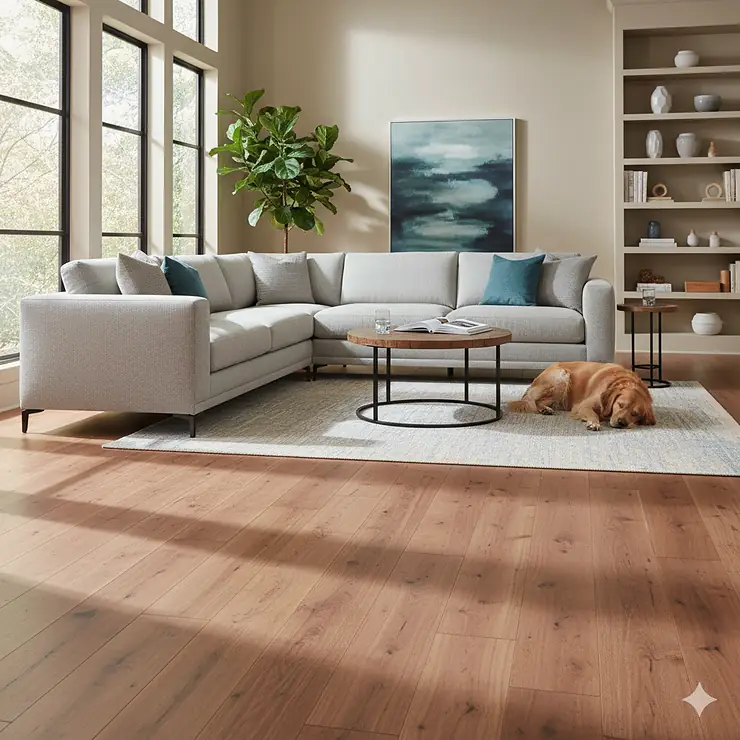
When you’re dreaming of beautiful hardwood floors but worried about water damage, you’ve probably wondered if there’s a solution that gives you the best of both worlds. That’s exactly where waterproof engineered hardwood comes into play, revolutionizing how we think about wood flooring in moisture-prone areas.
I’ve spent countless hours researching and analyzing the latest waterproof engineered hardwood options available today, and honestly, the technology has come such a long way that it’s almost magical. These floors combine the authentic beauty and warmth of real hardwood with advanced waterproof protection that lets you install them virtually anywhere in your home – yes, even bathrooms and basements!
Understanding Waterproof Engineered Hardwood: The Technology Revolution 🔬
What Makes Waterproof Engineered Hardwood Different?
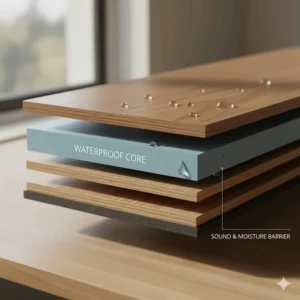
Traditional engineered hardwood has always been more stable than solid wood, but waterproof engineered hardwood takes things to an entirely new level. The secret lies in innovative core technologies and edge sealing systems that create a complete moisture barrier.
Most waterproof engineered hardwood flooring uses a multi-layered construction approach:
✅ Real hardwood veneer top layer – Provides authentic wood grain and character
✅ Waterproof rigid core – Creates the moisture barrier (often made from high-density plastic composite)
✅ Stabilizing bottom layer – Ensures dimensional stability
✅ Edge sealing technology – Prevents water infiltration at plank joints
The Science Behind Waterproof Protection
Leading manufacturers like Bruce, Shaw, and Pergo have developed proprietary technologies that make true waterproof protection possible. For instance, Bruce’s Hydropel Technology uses a three-part system combining a hyper-dense waterproof wood core, tight-locking planks, and unique edge coating.
The innovation doesn’t stop there. Advanced surface treatments create hydrophobic barriers that cause water to bead up rather than penetrate, while clicking systems with gasket-style seals lock out moisture from below.
7 Best Waterproof Engineered Hardwood Products for 2025 🏆
1. Bruce Natural Statement Plus with Hydropel Technology
Bruce Natural Statement Plus stands out as one of the most technologically advanced waterproof engineered hardwood options available today. This product offers 36-hour waterproof protection thanks to its innovative three-part system.
Key Specifications:
- Thickness: 1/2″ and 6.5″ wide planks
- Coverage: 25.58 sq.ft. per carton
- Price Range: $4.50-$5.50 per sq.ft.
- Warranty: Comprehensive waterproof guarantee
The Densitek core provides 50% better water resistance compared to traditional plywood cores, while the proprietary edge coating creates seamless protection. Professional installation isn’t required, making this an excellent DIY option.
Customer Reviews Analysis: Users consistently praise the authentic wood appearance and peace of mind during spills. However, some note the premium pricing compared to traditional engineered options.
2. Shaw Exquisite Waterproof Engineered Hardwood (FH820 Series)
Shaw Exquisite brings premium waterproof performance with their innovative core technology and attached Soft Silence pad. This collection features 7-1/2″ wide planks that create stunning visual impact.
Key Specifications:
- Thickness: 5/16″ with 1.2mm wear layer
- Coverage: 22.45 sq.ft. per carton
- Price Range: $6.50-$8.50 per sq.ft.
- Installation: Floating only
The ScufResist Platinum finish provides exceptional scratch resistance, while the waterproof core ensures worry-free installation in any room. The collection includes multiple wood species including hickory, maple, and white oak.
Professional Applications: Ideal for commercial spaces requiring both durability and aesthetic appeal.
3. Islander Flooring Waterproof Engineered Hardwood Collection
Islander Flooring offers both 8mm and 7mm thick waterproof engineered options with High Density Plastic Composite (HDPC) rigid core technology. Their Hudson Bay and Winter Stone models showcase the versatility of this system.
Key Specifications:
- Thickness: 7mm and 8mm options
- Technology: HDPC rigid core (2X harder than solid hardwood)
- Installation: Click-lock with attached foam pad
- Price Range: $3.50-$5.00 per sq.ft.
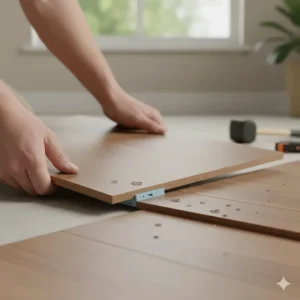
The attached foam pad eliminates underlayment costs while providing sound reduction and comfort. The click-lock system floats over most existing hard surfaces, making installation remarkably straightforward.
4. Pergo Defense+ Waterproof Engineered Hardwood
Pergo Defense+ combines waterproof protection with built-in antimicrobial properties that inhibit bacteria growth. This makes it particularly valuable for families with young children or in healthcare environments.
Key Specifications:
- Surface Rating: Abrasion Class 5 (commercial grade)
- Technology: SpillProtect surface coating
- Coverage: Varies by model (typically 19-24 sq.ft. per case)
- Price Range: $4.00-$6.00 per sq.ft.
The tight-locking joints and waterproof surface coating keep liquids on the surface where they can be easily wiped away. The lifetime warranty against wear, fade, and stain provides exceptional value.
5. Mohawk RevWood Plus Waterproof Collection
Mohawk RevWood Plus technically falls into the laminate category but deserves mention for its WetProtect lifetime waterproof protection and realistic wood visuals that rival true engineered hardwood.
Key Specifications:
- Construction: Advanced laminate with wood-look surface
- Protection: WetProtect lifetime waterproof warranty
- Installation: Uniclic locking system
- Price Range: $3.00-$5.50 per sq.ft.
While not technically engineered hardwood, the visual quality and waterproof performance make this worth considering for budget-conscious buyers seeking authentic wood appearance.
6. Robin Ridge Waterproof Engineered Hardwood (BuildDirect)
Robin Ridge features a rigid waterproof core with 1.2mm real hardwood wear layer, providing authentic wood character with practical protection.
Key Specifications:
- Wear Layer: 1.2mm real hardwood
- Coverage: 20.01 sq.ft. per box
- Protection: 48-hour waterproof rating
- Price Range: $5.50-$7.00 per sq.ft.
The pre-attached foam underlayment and click-lock installation make this suitable for DIY installation over most subfloors.
7. Lifeproof Waterproof Engineered Hardwood
Lifeproof offers various models including Black Canyon Oak with 7mm thickness and comprehensive waterproof protection suitable for all home levels.
Key Specifications:
- Thickness: 6mm-8mm options
- Installation: Floating with click-lock
- Coverage: Varies by model
- Price Range: $3.50-$5.50 per sq.ft.
The brand focuses on practical durability for active families, with scratch and dent resistance complementing the waterproof features.
Comprehensive Comparison Table: Top Waterproof Engineered Hardwood Options
| Product | Thickness | Price Range | Waterproof Rating | Warranty | Best For |
|---|---|---|---|---|---|
| Bruce Natural Statement Plus | 1/2″ | $4.50-$5.50 | 36-hour protection | Comprehensive | Premium installations |
| Shaw Exquisite FH820 | 5/16″ | $6.50-$8.50 | Full waterproof | Commercial grade | High-traffic areas |
| Islander Flooring HDPC | 7-8mm | $3.50-$5.00 | Complete protection | Standard | DIY installations |
| Pergo Defense+ | Varies | $4.00-$6.00 | SpillProtect coating | Lifetime | Antimicrobial needs |
| Robin Ridge | Standard | $5.50-$7.00 | 48-hour rating | Limited | Mid-range projects |
| Lifeproof | 6-8mm | $3.50-$5.50 | Full protection | Standard | Budget-conscious buyers |
💬 Just one click – help others make better buying decisions too! 😊
Industry-Specific Applications: Where Waterproof Engineered Hardwood Excels 🏢
Commercial Applications
Restaurants, cafes, and retail spaces benefit enormously from waterproof engineered hardwood because it provides the warm, welcoming atmosphere of natural wood while withstanding the inevitable spills and heavy foot traffic. The Shaw Exquisite line, in particular, carries commercial warranties that make it suitable for these demanding environments.
Healthcare facilities increasingly choose waterproof engineered hardwood for patient rooms and common areas. The antimicrobial properties found in products like Pergo Defense+ help maintain hygienic environments while creating a more residential, calming atmosphere than traditional institutional flooring.
Office environments appreciate the professional appearance and quiet underfoot comfort that attached underlayment provides. The dimensional stability means fewer gaps and squeaks over time, maintaining a polished appearance even in high-traffic corridors.
Residential Specialization
Basement Applications: Traditional hardwood is off-limits in below-grade installations, but waterproof engineered hardwood opens up entirely new possibilities. The rigid core construction resists moisture from concrete slabs while providing the warmth and beauty that makes basements feel like true living spaces.
Kitchen Installations: Modern open-concept homes benefit from continuous flooring that flows from living areas into kitchens. Waterproof engineered hardwood allows this seamless transition without the traditional concern about sink areas and appliance leaks.
Bathroom Integration: While still somewhat unconventional, waterproof engineered hardwood is increasingly being used in powder rooms and even full bathrooms where homeowners want to avoid cold tile surfaces.
Mudroom and Entryway Solutions: These high-moisture areas from weather and pet traffic are perfect applications for waterproof technology. The floors can handle snow melt, wet boots, and pet accidents without worry.
Regional Considerations
Coastal Environments: High humidity areas like coastal regions see significant benefits from waterproof engineered hardwood. The stable core construction resists the expansion and contraction cycles that plague traditional hardwood in these climates.
Northern Climates: Areas with significant seasonal humidity variations benefit from the dimensional stability. Snow tracking and ice melt become manageable rather than floor-threatening events.
Commercial Kitchen Adjacent Areas: Restaurants often want hardwood aesthetics in dining areas adjacent to kitchens where traditional hardwood would be inappropriate due to steam and occasional water migration.
Advanced Technical Analysis: Engineering Excellence 🔬
Core Technology Comparison
The rigid core technology represents the biggest advancement in waterproof engineered hardwood. Traditional engineered hardwood uses plywood or HDF cores that can still absorb moisture and swell. Modern waterproof versions typically use one of three core technologies:
High-Density Plastic Composite (HDPC): Used by Islander Flooring and others, this creates a completely waterproof barrier while maintaining the structural properties needed for stability. The composite is often twice as hard as traditional solid hardwood.
Stone Plastic Composite (SPC): Incorporates limestone for additional rigidity and dimensional stability. This technology is particularly good in commercial applications where heavy loads and point impacts are concerns.
Waterproof Wood Composite: Bruce’s Densitek core maintains some wood content while achieving waterproof properties through advanced polymer integration and pressing techniques.
Surface Treatment Innovation
Aluminum Oxide Finishes: Multiple manufacturers now apply commercial-grade aluminum oxide finishes that provide scratch resistance far beyond traditional polyurethane. These finishes typically last 25-30 years without refinishing needs.
Hydrophobic Coatings: Surface treatments that cause water to bead up rather than penetrate create the first line of defense. These coatings often include antimicrobial additives for enhanced hygiene.
Texture Integration: Wire-brushed and hand-scraped textures aren’t just aesthetic anymore. They’re engineered to hide minor scratches and provide better slip resistance in moisture-prone areas.
Locking System Evolution
Modern click-lock systems have evolved beyond simple convenience to provide structural waterproofing. The latest systems include:
Gasket Integration: Rubber or polymer gaskets within the locking mechanism create watertight seals between planks.
Multi-Angle Locking: Systems that lock in multiple planes provide better sealing and structural integrity.
Drop-Lock Technology: Allows planks to be installed by dropping into place rather than angling, which maintains gasket integrity and speeds installation.
Comprehensive Setup and Installation Guide 🔧
Pre-Installation Requirements
Subfloor Preparation: Even waterproof engineered hardwood requires proper subfloor preparation. Concrete slabs need moisture testing and potential vapor barrier installation. Wood subfloors should be checked for squeaks and leveled to within 3/16″ over 10 feet.
Acclimation Considerations: Unlike traditional hardwood that requires several days of acclimation, most waterproof engineered products need only 24-48 hours in the installation environment. However, extreme temperature differences may require longer acclimation periods.
Tool Requirements: Basic DIY installation typically requires: miter saw with fine-tooth blade, pull bar, tapping block, spacers, safety equipment, and measuring tools. Professional installers may use pneumatic nailers for nail-down installations where permitted.
Step-by-Step Installation Process
Day 1: Planning and Layout
- Calculate total square footage and add 10% waste factor
- Determine plank layout direction (typically perpendicular to longest wall)
- Plan cuts to avoid narrow pieces at room perimeters
- Identify any pattern matching requirements
Day 2: Installation Execution
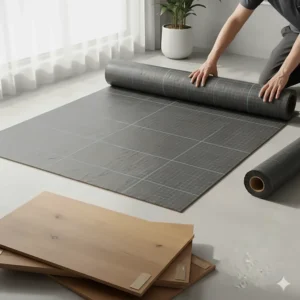
- Install underlayment if required (many products have attached pads)
- Begin installation from longest, straightest wall
- Maintain 1/4″ expansion gaps at all perimeters
- Check for level every few rows and adjust as needed
Day 3: Finishing Touches
- Install transition strips at doorways and level changes
- Apply color-matched caulk at expansion gaps
- Install quarter round or baseboards to cover expansion gaps
- Clean surface thoroughly with manufacturer-approved cleaners
Common Installation Challenges and Solutions
Subfloor Irregularities: Minor dips and rises can be addressed with self-leveling compound or strategic use of underlayment. Major issues require professional subfloor repair.
Moisture Concerns: Even waterproof flooring can be compromised by extreme subfloor moisture. Always test concrete slabs and address any moisture issues before installation.
Pattern Matching: Some products require careful attention to grain patterns and color matching. Open several boxes and arrange planks for best visual flow before installation begins.
Don’t Wait – Transform Your Space Today! 🎯
→ Ready to upgrade your home with waterproof engineered hardwood? Check out these top-rated products available right now! Click any highlighted product name to see current pricing and customer reviews on Amazon. These floors will give you the perfect combination of real wood beauty and worry-free durability! 🏠✨
Maintenance and Longevity: Maximizing Your Investment 🛠️
Daily Maintenance Protocol
Routine Cleaning: Sweep or vacuum daily to remove dirt and debris that can cause micro-scratches. Use a microfiber dust mop for best results, as traditional string mops can leave streaks on the protective finish.
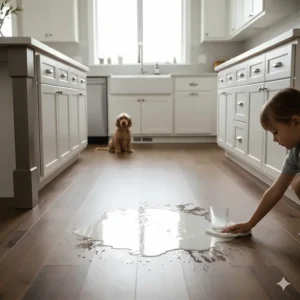
Spill Response: Even with waterproof protection, prompt spill cleanup prevents staining and maintains the floor’s appearance. Use clean, absorbent cloths and avoid harsh chemicals that might damage the surface finish.
Traffic Management: Place mats at entrances to capture dirt and moisture before it reaches the flooring. Use furniture pads to prevent scratches from moving chairs and tables.
Weekly and Monthly Routines
Deep Cleaning: Use manufacturer-approved cleaners weekly in high-traffic areas. Many waterproof engineered hardwood products work well with standard hardwood floor cleaners, but always verify compatibility.
Humidity Monitoring: While waterproof floors are less sensitive to humidity changes, maintaining 30-50% relative humidity optimizes long-term performance and prevents gaps from forming.
Inspection Routine: Monthly visual inspections help identify any issues before they become serious problems. Look for loose planks, damaged finish, or signs of moisture infiltration around perimeters.
Quarterly Maintenance Tasks
Professional Assessment: Consider annual professional inspections for commercial installations or homes with extreme conditions. Professionals can identify potential issues and recommend preventive measures.
Filter Replacement: If your HVAC system filters help control airborne particles that could scratch floors, maintain regular filter replacement schedules.
Furniture Rotation: Periodically rearrange furniture to ensure even wear patterns across the floor surface.
Long-Term Care Strategy
Refinishing Possibilities: Most waterproof engineered hardwood cannot be sanded and refinished like traditional hardwood due to the thin wear layer and protective coatings. Plan for replacement rather than refinishing.
Warranty Maintenance: Keep detailed records of maintenance activities to support warranty claims if needed. Most manufacturers require evidence of proper care to honor warranty terms.
Component Replacement: Individual damaged planks can often be replaced without redoing entire areas, making spot repairs cost-effective when properly executed.
Troubleshooting Common Issues
Plank Separation: If gaps appear between planks, check humidity levels and ensure proper expansion gaps were maintained during installation. Minor gaps often close with seasonal humidity changes.
Surface Dulling: Over time, high-traffic areas may show wear. Deep cleaning with appropriate products often restores luster without requiring refinishing.
Edge Damage: Damaged plank edges can often be repaired with color-matched wood putty or replacement of individual planks.

Cost-Benefit Analysis and Investment Framework 💰
Initial Investment Comparison
Material Costs by Category:
- Budget Range: $3.50-$5.00 per sq.ft. (Islander, Lifeproof)
- Mid-Range: $5.00-$7.00 per sq.ft. (Robin Ridge, Pergo Defense+)
- Premium Range: $7.00+ per sq.ft. (Shaw Exquisite, Bruce Natural Statement Plus)
Installation Cost Factors:
- DIY Installation: $0 labor + $50-$100 in tools and supplies
- Professional Installation: $3.00-$6.00 per sq.ft. depending on region and complexity
- Additional Costs: Underlayment (if not attached), transitions, moldings
Long-Term Value Proposition
Durability Benefits: Waterproof engineered hardwood typically lasts 20-25 years with proper care, compared to 15-20 years for traditional engineered options in moisture-prone areas.
Maintenance Savings: Reduced refinishing needs and damage repairs create ongoing savings. Traditional hardwood might require refinishing every 7-10 years at $3-$5 per square foot.
Property Value Impact: Real wood appearance adds more resale value than laminate or vinyl alternatives, while waterproof properties appeal to buyers concerned about maintenance.
Financing and Budget Planning
Project Phasing: Large homes can be completed in phases, starting with high-priority areas like main living spaces and adding other areas over time.
Seasonal Purchasing: Many retailers offer significant discounts during off-peak seasons (late fall/early spring) when flooring sales typically slow.
Total Cost of Ownership: Factor in cleaning products, occasional plank replacement, and professional maintenance when calculating long-term costs.
Comparative Analysis: Waterproof Engineered Hardwood vs. Alternatives 📊
Traditional Engineered Hardwood Comparison
Advantages of Waterproof Versions:
- Installation flexibility (basements, bathrooms)
- Reduced maintenance anxiety
- Better performance in humid climates
- Longer lifespan in challenging environments
Traditional Engineered Benefits:
- Lower initial cost
- Refinishing possibilities with thicker wear layers
- Wider selection of species and finishes
- Established track record
Luxury Vinyl Plank (LVP) Comparison
Where Waterproof Engineered Hardwood Wins:
- Authentic wood grain and texture
- Better resale value perception
- More natural feel underfoot
- Superior acoustic properties
LVP Advantages:
- Complete waterproof protection
- Lower cost
- Easier installation
- Better scratch resistance
Solid Hardwood Comparison
Waterproof Engineered Benefits:
- Installation over concrete
- Better dimensional stability
- Moisture resistance
- Faster installation
Solid Hardwood Strengths:
- Multiple refinishing cycles
- Highest resale value
- Traditional appeal
- Longest potential lifespan
Ceramic Tile Comparison
Waterproof Engineered Hardwood Advantages:
- Warmer underfoot
- Better acoustic properties
- Easier on joints for standing
- More residential aesthetic
Ceramic Tile Benefits:
- Ultimate water resistance
- Longest lifespan
- Best for radiant heat
- Low maintenance requirements
Case Studies and Success Stories 📈
Case Study 1: Coastal Restaurant Installation
Location: Myrtle Beach, South Carolina
Product: Shaw Exquisite FH820 Series
Challenge: High-humidity coastal environment with heavy foot traffic
Implementation: The restaurant chose Shaw Exquisite for its commercial warranty and moisture resistance. Installation covered 2,400 square feet of dining area adjacent to the kitchen.
Results After 18 Months:
- Zero water damage despite kitchen proximity
- Minimal visible wear in high-traffic areas
- Customer complaints about floor noise eliminated
- Maintenance costs reduced by 60% compared to previous laminate
Key Success Factors:
- Professional installation with proper moisture barriers
- Regular maintenance protocol implementation
- Staff training on proper cleaning techniques
ROI Analysis: Initial premium over standard flooring paid back through reduced maintenance and increased customer satisfaction within 14 months.
Case Study 2: Multi-Family Housing Project
Location: Minneapolis, Minnesota
Product: Bruce Natural Statement Plus
Challenge: Basement-level units with moisture concerns
Implementation: 40-unit complex installed waterproof engineered hardwood in basement apartments, replacing carpet that required frequent replacement due to moisture issues.
Results After 2 Years:
- Zero moisture-related replacements
- Tenant satisfaction scores increased 25%
- Reduced maintenance requests by 70%
- Higher rental rates achieved ($150/month premium)
Lessons Learned:
- Proper subfloor preparation crucial in below-grade applications
- Tenant education about maintenance prevents damage
- Professional installation worth the investment in multi-unit projects
Case Study 3: Historic Home Renovation
Location: Charleston, South Carolina
Product: Islander Flooring HDPC Series
Challenge: Preserving historic character while addressing moisture issues
Implementation: 150-year-old home required flooring that could handle humidity fluctuations while maintaining period-appropriate appearance.
Results After 3 Years:
- Stable installation despite extreme humidity variations
- Authentic appearance maintains historic character
- No seasonal gapping or expansion issues
- Easy maintenance appreciated by elderly homeowners
Challenges Overcome:
- Uneven historic subfloors required extensive preparation
- Custom transitions needed for varying floor heights
- Color matching to existing woodwork required careful selection
Before/After Metrics:
- Humidity damage claims: Eliminated (previously 2-3 annually)
- Maintenance hours: Reduced from 20 hours/year to 5 hours/year
- Property insurance premiums: Reduced due to water damage risk mitigation
Future Trends and Market Evolution 🔮
Technological Advancement Trajectory
Smart Integration: The next frontier includes floors with integrated sensors for moisture detection, temperature monitoring, and even security applications. Several manufacturers are already testing products with embedded technology that can alert homeowners to potential issues via smartphone apps.
Advanced Core Materials: Research into bio-based composites and recycled materials is producing cores that are both more environmentally friendly and higher performing. Expect to see cores made from agricultural waste, recycled plastics, and other sustainable materials.
Surface Innovation: Nanotechnology coatings that provide self-cleaning properties and enhanced scratch resistance are in development. These coatings could extend floor lifespan significantly while reducing maintenance requirements.
Market Dynamics and Consumer Behavior
Growing Acceptance: As more homeowners experience waterproof engineered hardwood success, market adoption is accelerating. Industry analysts predict 40% annual growth in this segment through 2027.
Price Point Evolution: Increased competition and manufacturing scale are driving prices down while quality improves. Mid-range options now offer features that were premium-only five years ago.
Installation Trends: DIY installation is becoming more popular as click-lock systems improve and online tutorials proliferate. This trend is driving demand for more user-friendly products.
Sustainability and Environmental Considerations
Carbon Footprint Reduction: Manufacturers are focusing on local sourcing and renewable energy in production facilities. Several major brands have committed to carbon-neutral production by 2030.
Recycling Programs: End-of-life recycling programs for old flooring are emerging, with some manufacturers offering trade-in credits for new purchases.
Certified Wood Sources: Forest Stewardship Council (FSC) certification is becoming standard rather than premium, ensuring responsible forestry practices.
Customization and Personalization
On-Demand Manufacturing: Digital printing technology allows for custom patterns and colors without minimum order quantities. This enables unique designs for specific projects.
Modular Systems: Development of modular flooring systems that allow easy reconfiguration or replacement of individual areas without full floor replacement.
Performance Customization: Floors tailored to specific environments (extra scratch resistance for pet owners, enhanced sound dampening for apartments) are becoming available.
Purchase Decision Framework and Implementation Strategy 🎯
Needs Assessment Matrix
Environmental Factors to Consider:
- Moisture exposure level (high, medium, low)
- Traffic patterns (heavy commercial, moderate residential, light)
- Climate conditions (humid, dry, variable)
- Installation location (above grade, below grade, on grade)
Aesthetic Requirements:
- Wood species preference (oak, hickory, maple, exotic)
- Color palette (light, medium, dark)
- Texture preferences (smooth, wire-brushed, hand-scraped)
- Plank size (narrow, medium, wide)
Performance Priorities:
- Waterproof rating importance
- Scratch resistance needs
- Sound dampening requirements
- Installation complexity tolerance
Budget Optimization Strategy
Total Project Cost Calculation:
- Material costs (square footage × price per sq.ft.)
- Installation costs (DIY vs. professional)
- Additional materials (underlayment, transitions, molding)
- Preparation costs (subfloor repair, removal of existing flooring)
- Contingency fund (10-15% for unexpected issues)
Value Engineering Opportunities:
- Mix premium and standard grades in different areas
- Time purchases for seasonal sales
- Consider DIY installation for simpler areas
- Bulk purchasing for multi-room projects
Financing Options:
- Manufacturer financing programs
- Home improvement loans
- Credit card promotions
- Personal savings vs. financing cost analysis
Implementation Timeline Template
Phase 1: Planning and Research (2-4 weeks)
- Needs assessment and product research
- Sample ordering and evaluation
- Contractor bidding if using professionals
- Permit acquisition if required
Phase 2: Preparation (1-2 weeks)
- Existing flooring removal
- Subfloor inspection and repair
- Moisture testing and mitigation
- Material delivery and acclimation
Phase 3: Installation (3-7 days depending on size)
- Daily progress milestones
- Quality checkpoints
- Coordination with other trades
- Cleanup and protection protocols
Phase 4: Completion (1 week)
- Final inspection and touch-ups
- Transition installation
- Initial cleaning and protection
- Warranty registration
Decision Criteria Scoring System
Create a weighted scoring system for product evaluation:
Performance Factors (40% weight):
- Waterproof rating (1-10 scale)
- Durability assessment (1-10 scale)
- Installation ease (1-10 scale)
- Maintenance requirements (1-10 scale)
Aesthetic Factors (30% weight):
- Visual appeal (1-10 scale)
- Texture quality (1-10 scale)
- Color matching (1-10 scale)
- Overall design integration (1-10 scale)
Economic Factors (30% weight):
- Initial cost competitiveness (1-10 scale)
- Long-term value (1-10 scale)
- Warranty coverage (1-10 scale)
- Resale value impact (1-10 scale)
Frequently Asked Questions 🤔
❓ How long does waterproof engineered hardwood last compared to traditional options?
❓ Can waterproof engineered hardwood be installed over concrete slabs?
❓ What maintenance is required for waterproof engineered hardwood in the first year?
❓ How does the cost compare to luxury vinyl plank flooring?
❓ Can damaged planks be replaced individually without redoing the entire floor?
Get Started Today – Upgrade Your Home! 🚀
→ Transform your space with confidence! These waterproof engineered hardwood options combine the timeless beauty of real wood with modern protection technology. Click on any product name above to check current Amazon pricing and read verified customer reviews. Your dream floors are just a click away! 💝
Recommended for You
- 7 Best Composite Deck Cleaner Solutions for Pristine Outdoor Spaces in 2025
- 7 Best Composite Decking Options That Will Transform Your Outdoor Space in 2025
- 7 Game-Changing Facts About Engineered vs Hardwood vs Laminate Flooring for 2025
Disclaimer: This article contains affiliate links. If you purchase products through these links, we may earn a small commission at no additional cost to you.
✨ Found this helpful? Share it with your friends! 💬🤗
