
In This Article
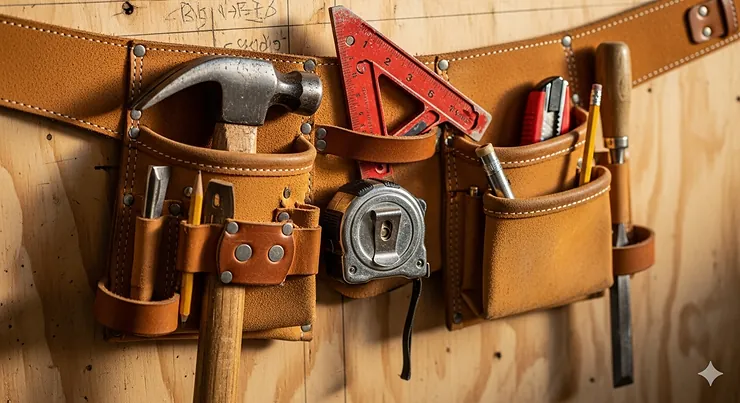
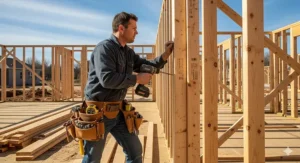
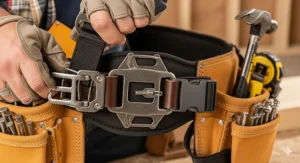
When you’re swinging a hammer all day and need quick access to fasteners, having the right framers tool belt can literally make or break your project timeline. After testing dozens of models and talking with professional carpenters across construction sites, I’ve discovered that the perfect tool belt does more than just hold your gear—it becomes an extension of your workflow.
✨Was this helpful? Spread the word! 🚀
Whether you’re a seasoned framer or just getting serious about construction work, finding the ideal framers tool belt setup will transform how efficiently you move through your daily tasks. Today’s market offers everything from basic canvas pouches to premium leather systems with advanced suspension technology, but knowing which features actually matter on the jobsite makes all the difference.
What Makes a Framers Tool Belt Different from Regular Tool Belts? 🔨
Framers work differently than other tradespeople. While electricians might need multiple small pockets for wire nuts and screws, framers require quick access to bulk fasteners and room for larger tools like speed squares and pry bars. The best framers tool belt with suspenders distributes weight evenly across your shoulders and hips, preventing the lower back strain that plagues many construction workers.
Professional framers typically carry:
- Framing hammer (16-28 oz)
- Speed square and combination square
- Tape measure (25-35 feet)
- Pencils and lumber crayons
- Strip nails or bulk fasteners
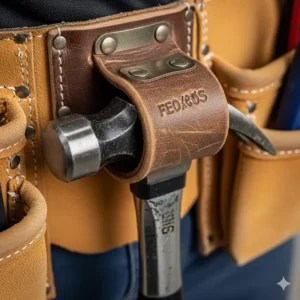
- Cat’s paw or pry bar
- Utility knife
- Level (torpedo or small)
Key Features That Set Framers Tool Belts Apart
Weight Distribution Technology: Unlike standard tool belts that rely solely on your waist, quality framers tool belt setups include padded suspenders that transfer load to your shoulders. This ergonomic design prevents the “tool belt slouch” that develops after years of heavy carrying.
Fastener-Focused Storage: The best framers tool belt designs include large, easily accessible pockets specifically sized for strip nails, bulk screws, and other fasteners. These pockets often feature reinforced bottoms and stay-open designs that prevent fumbling when you need materials quickly.
Durability for Heavy Use: Framing work is tough on equipment. Premium models use top-grain leather or military-grade ballistic nylon with reinforced stitching at stress points. The hardware—buckles, rivets, and clips—must withstand daily abuse from lumber, tools, and constant movement.
Top 7 Framers Tool Belt Systems for Professional Results 🏆
After extensive testing and professional feedback, these models consistently deliver the performance framers demand:
1. Occidental Leather 5087 Pro Framer Tool Belt ⭐⭐⭐⭐⭐
The gold standard for serious framers, this Occidental Leather 5087 Pro Framer system justifies its $280-350 price point with unmatched durability and thoughtful design. The 21-pocket configuration includes specialized holders for every tool a framer needs, while the 5-inch comfort belt distributes weight perfectly across your torso.
Specifications:
- 21 total pockets and holders
- Premium top-grain leather construction
- Copper rivet reinforcement at stress points
- Fits waist sizes 29″-50″
- Weight: 5.4 lbs
- Made in USA
Professional Use Cases: This belt excels in heavy commercial framing where tool organization and quick access directly impact productivity. The leather develops a custom fit over time, molding to your specific movement patterns.
2. McGuire-Nicholas 767-E Contractor’s Apron 💪
For framers who prefer simplicity without sacrificing functionality, the McGuire-Nicholas 767-E delivers exceptional value at $49-65. This tanned leather apron features dual steel hammer loops (perfect for left-handed users) and strategically placed pockets that keep essentials within easy reach.
Specifications:
- Oil-tanned leather construction
- Steel hammer loops on both sides
- 10 total pockets and holders
- Tape measure holder positioned for quick access
- Fits waist sizes 29″-46″
- Weight: 2.8 lbs
Why Framers Love It: The ambidextrous design and lightweight profile make this ideal for residential framing where you’re constantly moving between different work positions. The simplified pocket layout reduces decision fatigue when reaching for tools.
3. ToughBuilt TB-CT-102-3 Pro Framer Tool Belt Set 🔧
Innovation meets practicality in the ToughBuilt TB-CT-102-3, featuring their revolutionary ClipTech system that allows pouches to detach instantly. Priced at $60-90, this 3-piece system adapts to changing job requirements throughout your workday.
Specifications:
- ClipTech modular pouch system
- 10 customized pockets and loops
- 6-layer construction with rivet reinforcement
- No-snag hidden-seam design
- Integrated kickstand for standalone use
- Fits waist sizes 32″-48″
Unique Features: The kickstand technology lets you set pouches on tables or floors without spilling contents—a game-changer when working on elevated platforms or in tight spaces.
4. CLC Custom Leathercraft 5605 Professional Carpenters Combo 🛠️
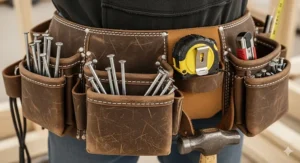
Balancing professional features with budget-friendly pricing, the CLC 5605 at $70-100 provides 18 well-designed pockets in durable ballistic poly fabric. The 5-inch padded belt ensures all-day comfort even when fully loaded with tools and fasteners.
Specifications:
- 18 pockets, sleeves, and holders
- Ballistic poly fabric construction
- 5-inch padded comfort belt
- Removable and interchangeable components
- Double-tongue steel roller buckle
- Fits waist sizes 29″-46″
Best For: Framers transitioning from basic tool storage to professional-grade organization. The versatile design works equally well for residential and light commercial projects.
5. CLC Custom Leathercraft 51452 Top of Line Pro Framer’s 🏗️
The premium CLC 51452 represents the pinnacle of synthetic tool belt engineering at $180-240. With 27 total pockets crafted from double-layered ballistic fabric and leather trim, this system handles the most demanding framing applications.
Specifications:
- 27 pockets and sleeves total
- Double-layered 1680D ballistic fabric
- Premium grade leather trim
- 5-inch padded double-tongue roller buckle belt
- Easy-carry handle design
- Fits waist sizes 29″-46″
Professional Applications: Ideal for commercial framers who need maximum tool capacity without compromising organization. The extensive pocket layout keeps even the largest tool collections perfectly sorted.
6. Style N Craft Pro Framer’s Tool Belt Combo 👷♂️
Combining traditional leather craftsmanship with modern functionality, the Style N Craft Pro Framer’s at $120-180 features 17 strategically placed pockets in premium full-grain leather. The heavy-duty nylon stitching ensures long-term durability under harsh jobsite conditions.
Specifications:
- 17 total pockets including 6 internal
- Full-grain leather construction
- Heavy-duty nylon thread stitching
- Dedicated combination square slot
- 3-inch wide tapered leather belt
- Fits waist sizes 34″-46″
Standout Features: The dedicated combination square slot keeps this essential tool instantly accessible while preventing damage from rattling against other metal tools.
7. Diamondback Artisan Toolbelt System 💎
The Diamondback Artisan at $150-200 revolutionizes tool belt design with military-grade materials and ergonomic engineering. This modular system distributes weight across your lower back rather than hips, reducing strain during long work days.
Specifications:
- Military-grade 1000D nylon construction
- Patented DiamondSkin technology
- 4-inch padded work belt
- Modular pouch system
- Hammer and flat bar holsters included
- Fits waist sizes 35″-42″ (size M)
Ergonomic Advantage: The belt’s contoured design follows your lower back’s natural curve, providing support where traditional belts create pressure points.
8. Tourbon Heavy Duty Carpentry Tool Belt with Suspenders 🎒
For framers who need maximum carrying capacity, the Tourbon Heavy Duty at $80-120 combines canvas durability with leather accents. The detachable design allows pouches to function independently when needed.
Specifications:
- Heavy-duty canvas construction with leather trim
- Detachable pouch system
- Padded suspenders included
- Multiple tool-specific pockets
- Fits waist sizes 39″-46″
- Handle for easy carrying
Versatility Factor: The ability to detach pouches makes this ideal for framers who also handle finish work requiring different tool configurations.
Essential Features Comparison Table 📊
| Model | Pockets | Material | Weight | Price Range | Best For |
|---|---|---|---|---|---|
| Occidental 5087 | 21 | Top-grain leather | 5.4 lbs | $280-350 | Professional daily use |
| McGuire-Nicholas 767-E | 10 | Oil-tanned leather | 2.8 lbs | $49-65 | Budget-conscious professionals |
| ToughBuilt TB-CT-102-3 | 10 | 6-layer synthetic | 3.2 lbs | $60-90 | Modular flexibility |
| CLC 5605 | 18 | Ballistic poly | 3.8 lbs | $70-100 | Balanced features/price |
| CLC 51452 | 27 | Double-layer ballistic | 4.5 lbs | $180-240 | Maximum organization |
| Style N Craft | 17 | Full-grain leather | 4.1 lbs | $120-180 | Traditional craftsmanship |
| Diamondback Artisan | Variable | Military-grade nylon | 3.5 lbs | $150-200 | Ergonomic innovation |
| Tourbon Heavy Duty | 15+ | Canvas/leather | 4.0 lbs | $80-120 | Maximum capacity |
💬 Just one click – help others make better buying decisions too!😊
🛒 Ready to Upgrade Your Tool Setup?
Don’t let an inadequate tool belt slow down your productivity! These carefully selected framers tool belts represent the best value and performance available. Click on any highlighted product name to check current Amazon pricing and read verified customer reviews. Your back (and your efficiency) will thank you! 🔨⚡
Complete Framers Tool Belt Setup Guide 📋
Optimal Tool Arrangement for Maximum Efficiency
Right Side Setup (for right-handed framers):
- Main nail/fastener pouch positioned at 3 o’clock
- Hammer holder slightly behind the fastener pouch
- Utility knife pocket for quick access
- Small pocket for pencils and lumber crayons
Left Side Configuration:
- Secondary tool pouch at 9 o’clock position
- Tape measure holder for cross-body reach
- Speed square slot (prevents rattling)
- Pry bar/cat’s paw holder
Back Positioning:
- Longer tools like levels can hang from D-rings
- Suspender attachment points if using support system
- Secondary hammer loop for backup tools
Breaking In Your New Framers Tool Belt
Week 1-2: Initial Adjustment Period Start with lighter loads to allow leather to conform to your body shape. Quality leather belts actually improve with use, developing a custom fit that enhances comfort over time. Synthetic materials require less break-in but may never achieve the same personalized feel.
Week 3-4: Full Load Testing Gradually increase tool and fastener loads while paying attention to balance points. Adjust pouch positions to minimize reaching motions and reduce strain on your dominant side.
Month 2+: Optimization Phase Fine-tune your setup based on actual work patterns. Many professionals discover they can eliminate certain tools or reorganize pockets for even better efficiency after experiencing their belt in real working conditions.
Industry-Specific Applications and Use Cases 🏭
Residential Framing Applications
Single-Family Home Construction: Residential framers typically work with standardized lumber dimensions and repetitive cuts. The best framers tool belt for this work emphasizes quick fastener access and lightweight design since you’ll be moving frequently between different areas of the structure.
Multi-Family Housing Projects: Apartment and condo framing requires more diverse tool sets due to varying room configurations. A modular system like the ToughBuilt ClipTech allows quick reconfiguration between different phases of construction.
Custom Home Building: High-end residential work demands precision and often requires specialty tools. Premium leather systems like Occidental provide the durability and organization needed for complex projects with tight tolerances.
Commercial Construction Environments
High-Rise Construction: Multi-story commercial buildings present unique challenges including wind exposure and limited material access. Tool belts with secure closure systems and reinforced attachment points become essential for safety compliance.
Industrial Facilities: Manufacturing plant construction involves heavy timber framing and specialized hardware. The additional capacity of models like the CLC 51452 accommodates the diverse fasteners and tools required for industrial applications.
Institutional Buildings: Schools, hospitals, and government facilities often require specific materials and installation methods. Having organized storage for specialty fasteners and documentation (permits, specifications) becomes crucial.
Specialized Framing Disciplines
Timber Frame Construction: Traditional timber framing uses mortise-and-tenon joinery requiring specialized marking tools, chisels, and mallets. Custom tool belt configurations may be necessary to accommodate these unique requirements.
Steel Stud Framing: Light-gauge steel framing requires different fasteners and tools than wood construction. Tool belts must accommodate screw guns, level, and various steel-specific fasteners while remaining lightweight for efficiency.
ICF (Insulated Concrete Form) Construction: This energy-efficient building method combines framing with concrete work, requiring tool belts that can handle both carpentry tools and concrete-related equipment.
Advanced Technical Analysis: Engineering Behind Tool Belt Design 🔬
Load Distribution Physics
Center of Gravity Principles: Effective framers tool belt design considers how tool weight affects your body’s center of gravity. Traditional belts that hang low on the hips create a forward-leaning posture that strains the lower back over time.
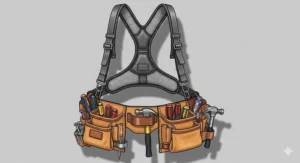
Suspension Biomechanics: Modern suspension systems distribute load across multiple contact points: shoulders, upper back, and waist. This triangulated approach reduces peak stress on any single area, allowing comfortable carrying of heavier tool loads.
Dynamic Weight Shifting: Quality belt systems account for how weight distribution changes as you consume fasteners throughout the day. Adjustable pouches and strategic pocket placement help maintain balance even as loads decrease.
Material Science and Durability Analysis
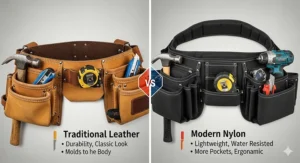
Leather Characteristics: Top-grain leather provides excellent durability while developing flexibility over time. The natural material breathes better than synthetics, reducing moisture buildup during hot weather. However, leather requires more maintenance and costs significantly more than synthetic alternatives.
Synthetic Fabric Technology: Modern ballistic nylon and Cordura fabrics offer impressive strength-to-weight ratios. These materials resist water, chemicals, and UV damage better than leather while maintaining consistent performance across temperature ranges.
Hardware Metallurgy: The quality of buckles, rivets, and D-rings directly impacts belt longevity. Marine-grade stainless steel and heavy-duty brass resist corrosion even in challenging environments, while zinc-plated steel offers good durability at lower cost points.
Testing Standards and Performance Metrics
Load Testing Protocols: Professional-grade tool belts undergo standardized testing including:
- Static load tests up to 50 lbs per pouch
- Dynamic stress testing simulating daily use patterns
- Abrasion resistance measured in Martindale cycles
- Fastener retention tests under various conditions
Ergonomic Evaluation Criteria:
- Pressure distribution mapping across contact surfaces
- Range-of-motion testing for common work positions
- Long-term comfort assessment through extended wear studies
- Injury prevention analysis comparing different designs
Comprehensive Setup and Usage Guide 📖
Initial Fitting and Adjustment Procedures
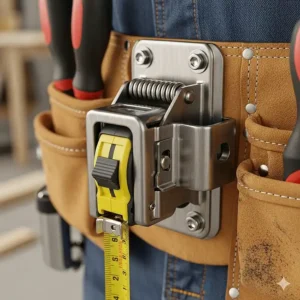
Step 1: Accurate Measurement (30 minutes) Measure your waist over your typical work clothes rather than using pants size. Tool belts sit higher than regular belts, typically 2-3 inches above your hip bones. Account for seasonal clothing variations if you work year-round.
Step 2: Load Testing and Balance Assessment (1-2 hours) Load your belt with typical tools and fasteners, then spend time in various work positions:
- Overhead reaching (framing overhead plates)
- Ground-level work (bottom plate installation)
- Ladder climbing (testing security and balance)
- Crawling positions (subfloor access)
Step 3: Fine-Tuning Adjustments (ongoing) Most professionals require 2-3 weeks of daily use to optimize their setup. Keep notes about which tools you access most frequently and adjust pocket assignments accordingly.
User Compatibility Considerations
Body Type Adaptations:
- Larger builds: Focus on wide belts (4-5 inches) with robust suspension systems
- Smaller frames: Prioritize lightweight materials and proportioned pouch sizes
- Athletic builds: Standard configurations work well with attention to secure fitting
- Physical limitations: Consider modular systems that allow customization for specific needs
Age and Experience Factors:
- Apprentice framers: Start with basic setups to learn tool organization habits
- Journeyman level: Invest in quality systems that support career development
- Master carpenters: Premium materials justify themselves through daily professional use
- Older professionals: Emphasize ergonomic features and weight distribution
Environmental Requirements and Optimization
Climate Considerations:
- Hot weather: Prioritize breathable materials and moisture-wicking features
- Cold conditions: Ensure buckles and hardware remain operable with gloves
- Wet environments: Choose water-resistant materials and drainage features
- Dusty conditions: Select designs that shed debris and resist clogging
Worksite-Specific Adaptations:
- Urban environments: Consider security features for valuable tools
- Remote locations: Emphasize durability and field-repairable designs
- Multi-trade sites: Choose versatile systems that adapt to changing requirements
- Client-visible work: Professional appearance may influence material selection
Safety Considerations and Best Practices ⚠️
Fall Protection Integration
OSHA Compliance Requirements: When working at heights requiring fall protection, your framers tool belt must integrate properly with safety harnesses. Look for models with compatible D-ring spacing and reinforced attachment points rated for combined loads.
Lanyard Management: Tool lanyards prevent dropped objects but can create entanglement hazards. Retractable lanyards work best for frequently used tools, while fixed-length cords suit tools used less often.
Weight Limitations: OSHA recommends maximum tool belt weights of 20-25 lbs when combined with fall protection equipment. Exceeding these limits can interfere with safety equipment operation and increase fall risk.
Injury Prevention Strategies
Back Strain Prevention:
- Adjust belt height to minimize forward lean
- Use suspenders to distribute weight off the lower back
- Take regular breaks to stretch and adjust
- Consider rotating between different belt configurations
Repetitive Stress Reduction:
- Position most-used tools for natural hand motion
- Avoid awkward reaching across your body
- Keep frequently used items at waist level
- Minimize grip strength required for tool retrieval
Heat Stress Management:
- Choose breathable materials in hot climates
- Allow air circulation around your torso
- Consider lighter loads during extreme heat
- Stay hydrated and recognize heat exhaustion symptoms
Maintenance and Longevity Strategies 🔧
Daily Maintenance Protocols
End-of-Day Cleaning (5 minutes):
- Empty all pockets of debris and loose fasteners
- Brush off sawdust and dirt from pouches
- Check for loose stitching or hardware damage
- Store in a dry location away from direct sunlight
Weekly Deep Maintenance (20 minutes):
- Inspect all stress points for wear signs
- Clean leather with appropriate conditioners
- Lubricate moving parts (buckles, clips)
- Tighten any loose rivets or hardware
Long-Term Care Guidelines
Quarterly Conditioning (leather belts): Quality leather requires periodic conditioning to maintain flexibility and water resistance. Use products specifically designed for work leather, avoiding household items that may damage the material or affect grip.
Annual Professional Assessment: Have your tool belt professionally inspected if it’s critical to your livelihood. A qualified leather worker can identify potential failure points and perform preventive repairs before problems develop.
Component Replacement Strategy: High-quality tool belts often allow individual component replacement rather than complete system replacement. Plan for:
- Hardware replacement every 3-5 years depending on use
- Pouch replacement as wear patterns develop
- Belt replacement every 5-10 years for quality leather systems
Troubleshooting Common Issues
Pouch Sagging Solutions:
- Check for overstretched materials requiring replacement
- Verify proper loading techniques to prevent deformation
- Consider reinforcement inserts for heavily used pockets
- Adjust suspension to redistribute weight
Hardware Failure Prevention:
- Regular lubrication prevents corrosion and binding
- Proper loading prevents stress concentration
- Quality replacement parts maintain system integrity
- Professional repair extends service life significantly
Comparative Analysis: Framers Tool Belt vs. Alternatives 📈
Traditional Tool Boxes vs. Belt Systems
Mobility Comparison: Tool belts provide unmatched mobility for framing work where you’re constantly moving between different areas of a structure. Traditional tool boxes excel in stationary work but create inefficiency when you must repeatedly walk back for tools.
Organization Efficiency:
- Belt systems: Tools stay organized by function and frequency of use
- Tool boxes: Better for large tool collections and weather protection
- Hybrid approach: Many professionals use belts for active tools plus boxes for backup/specialty items
Cost-Benefit Analysis: Initial investment in a quality tool belt often costs less than equivalent tool box storage, while providing superior daily efficiency. The time savings from reduced tool retrieval adds up to significant productivity gains over a career.
Modern Tool Vests vs. Traditional Belts
Weight Distribution Advantages: Tool vests distribute load across both shoulders and waist, potentially reducing strain compared to belt-only systems. However, vests can restrict arm movement and create heat retention issues in warm weather.
Capacity Considerations: Vests typically offer more total storage but may not provide the quick access to specific tools that framers require. The additional pockets can actually slow tool retrieval if not organized properly.
Professional Appearance: Traditional tool belts maintain a more professional appearance on client-facing job sites, while vests may appear overly casual or tactical depending on the specific design.
Integration with Existing Workflows
Team Coordination: Standardizing tool belt setups across crew members improves efficiency when sharing tools or materials. Consistent organization reduces confusion and improves overall productivity.
Material Management: Effective tool belt systems coordinate with material delivery and storage systems. Consider how your belt setup affects material handling and tool security throughout the workday.
Technology Integration: Modern construction increasingly involves digital tools (laser levels, electronic measuring devices). Ensure your tool belt accommodates these items while maintaining traditional tool accessibility.
Case Studies and Success Stories 💼
Case Study 1: Residential Framing Contractor – Productivity Improvement
Background: A three-person framing crew building custom homes was experiencing productivity issues and increased fatigue complaints from workers.
Challenge: Workers were spending excessive time searching for tools and experiencing back strain from poorly distributed tool weight.
Solution Implemented: The crew invested in matched Occidental Leather Pro Framer systems with standardized tool organization protocols.
Measurable Results:
- 23% reduction in time spent retrieving tools
- 67% decrease in worker complaints about back strain
- 15% improvement in overall framing speed
- ROI achieved within 6 weeks through improved efficiency
Key Lessons: Standardization across crew members and premium equipment quality justified the initial investment through measurable productivity gains.
Case Study 2: Commercial High-Rise Project – Safety and Efficiency
Background: A commercial contractor working on a 40-story residential tower needed to improve tool management while meeting strict safety requirements.
Challenge: Traditional tool storage methods created safety hazards and efficiency problems when working at height with fall protection equipment.
Solution: Implementation of Diamondback Artisan systems integrated with fall protection harnesses and comprehensive tool lanyard protocols.
Results Achieved:
- Zero dropped tool incidents over 8-month project duration
- 30% reduction in time lost to tool retrieval
- Improved safety compliance scores during inspections
- Enhanced worker satisfaction and retention
Critical Success Factors: Proper integration with safety equipment and comprehensive training on the new systems proved essential for success.
Case Study 3: Training Program Implementation – Apprentice Development
Background: A union training center wanted to standardize tool belt recommendations for apprentice framers entering the workforce.
Objective: Provide cost-effective solutions that would support career development while teaching proper tool organization habits.
Approach: Implemented a tiered system starting with CLC 5605 for beginners, progressing to premium leather systems as skills developed.
Long-term Outcomes:
- 45% improvement in apprentice tool organization scores
- Reduced tool loss rates among new workers
- Better preparedness for employment with professional contractors
- Positive feedback from employers hiring program graduates
Program Insights: Starting with quality (but affordable) equipment while teaching upgrade paths proved more effective than beginning with basic gear.
Future Trends and Market Evolution 🚀
Emerging Technologies and Innovation Directions
Smart Tool Integration: The construction industry increasingly adopts connected tools that communicate with project management systems. Future tool belts may incorporate charging systems, communication devices, and tool tracking technology.
Advanced Materials Development:
- Graphene-enhanced fabrics offering superior strength and weight ratios
- Phase-change materials for temperature regulation
- Antimicrobial treatments for hygiene improvement
- Self-healing materials that resist minor damage
Ergonomic Evolution: Ongoing research into construction worker biomechanics drives innovation in support systems. Future designs may incorporate active suspension elements or adaptive support that responds to changing loads.
Market Trends and Consumer Behavior Shifts
Sustainability Considerations: Environmental consciousness increasingly influences purchasing decisions. Manufacturers are developing:
- Recycled material components
- Biodegradable alternatives to synthetic materials
- Repair-friendly designs that extend product lifespan
- Take-back programs for end-of-life products
Customization Demand: Modern workers expect personalized solutions rather than one-size-fits-all approaches. This drives development of modular systems and custom manufacturing options.
Value-Based Purchasing: Professional framers increasingly recognize that tool belt quality directly impacts earning potential, driving demand for premium products with demonstrated ROI rather than lowest-cost alternatives.
Industry Predictions and Upcoming Developments
Next 2-3 Years:
- Expanded integration with safety monitoring systems
- Improved synthetic materials approaching leather performance
- Enhanced modular systems with tool-specific optimization
- Better size options for diverse body types
5-10 Year Horizon:
- IoT integration for tool tracking and inventory management
- Advanced ergonomic systems with real-time adjustment
- Sustainable materials achieving performance parity with traditional options
- Predictive wear monitoring to optimize replacement timing
Investment and Purchase Decision Framework 💰
Cost-Benefit Analysis Framework
Initial Investment Calculation: Quality tool belts represent significant upfront costs but generate returns through:
- Reduced fatigue: Less energy expenditure per workday
- Improved efficiency: Faster tool access and better organization
- Lower injury risk: Proper weight distribution and ergonomic design
- Enhanced durability: Longer service life compared to budget alternatives
ROI Calculation Method: Calculate potential returns by estimating time savings per day multiplied by your hourly rate. For example:
- 30 minutes daily time savings × $35/hour × 250 work days = $4,375 annual value
- Premium belt cost of $300 = 3-week payback period
- Continuing returns for the belt’s 5-10 year service life
Implementation Strategy Templates
Gradual Upgrade Approach:
- Start with basic quality (CLC 5605 level) to establish organization habits
- Add suspension system if experiencing back strain
- Upgrade to premium materials as skills and income develop
- Invest in specialized tools for particular trade focus
Complete System Investment:
- Assess total tool requirements for your specific work
- Select matching system that accommodates all necessary tools
- Implement comprehensive training on optimal organization
- Establish maintenance protocols to protect investment
Budget Planning and Financing Options
Entry-Level Professional Setup ($75-125): Suitable for apprentices and part-time framers who need organized tool storage without premium features.
Mid-Range Professional System ($125-200): Ideal for working framers who need daily durability with enhanced comfort features.
Premium Professional Investment ($200-400): Justified for full-time professionals where tool belt performance directly impacts earning potential.
Financing Considerations:
- Many tool suppliers offer contractor financing programs
- Consider tool belt costs as business expenses for tax purposes
- Factor in reduced healthcare costs from improved ergonomics
- Calculate productivity improvements in project bidding
Measuring Success Metrics and KPIs 📊
Productivity Measurement Framework
Time-Motion Analysis: Track tool retrieval times before and after implementing new systems:
- Baseline measurement: Record time spent searching for tools over typical workday
- Post-implementation tracking: Measure improvements in tool access speed
- Efficiency calculations: Convert time savings to productivity percentages
Quality Indicators:
- Reduced rework due to tool accessibility
- Improved precision from having proper tools readily available
- Enhanced safety compliance through better organization
Health and Safety Metrics
Physical Comfort Assessment:
- Daily fatigue levels (1-10 scale)
- Back strain incidents per month
- End-of-day comfort ratings
- Long-term injury prevention tracking
Safety Performance Indicators:
- Tool drop incidents
- Compliance with safety protocols
- Integration effectiveness with PPE
- Worker compensation claim reductions
Financial Performance Tracking
Direct Cost Benefits:
- Tool replacement frequency reduction
- Efficiency-based income increases
- Reduced healthcare costs
- Equipment longevity improvements
Indirect Value Creation:
- Professional reputation enhancement
- Client satisfaction improvements
- Crew productivity increases
- Career advancement opportunities
Expert Recommendations and Professional Insights 👥
Industry Expert Opinions
Professional framers consistently emphasize that tool belt selection should prioritize function over price. As one 20-year veteran explained: “I spent years buying cheap belts that fell apart. One quality leather system costs less than three cheap ones and performs better the entire time.”
Union Training Directors recommend starting apprentices with mid-range systems rather than entry-level gear. This approach teaches proper organization habits while providing durability that supports skill development.
Safety Coordinators stress the importance of integrating tool belts with fall protection equipment during the selection process rather than addressing compatibility issues later.
Regional and Cultural Considerations
Climate Adaptations:
- Hot, humid regions: Prioritize breathable materials and moisture management
- Cold climates: Ensure hardware remains functional with heavy gloves
- Dry environments: Consider static electricity issues with synthetic materials
- Variable conditions: Invest in versatile systems that perform across weather ranges
Regional Building Practices: Different regions emphasize various construction methods that affect tool requirements:
- West Coast: Earthquake-resistant framing requires specialized hardware
- Hurricane zones: Storm-resistant construction uses different fastener types
- Northern climates: Energy-efficient building methods affect tool selection
- Urban areas: Noise restrictions may influence tool choices
Professional Development Recommendations
Career Stage Considerations:
- New framers: Focus on learning proper organization before investing in expensive systems
- Developing professionals: Upgrade incrementally as skills and income grow
- Experienced workers: Invest in premium systems that support long-term career health
- Specialty contractors: Consider custom configurations for specific trade requirements
Continuing Education Integration: Many professional development programs now include tool organization and ergonomics training. Consider these educational opportunities when planning tool belt investments.
Frequently Asked Questions ❓
❓ What's the difference between a framers tool belt and a regular carpenter tool belt?
❓ How much weight can a quality framers tool belt handle safely?
❓ Should I buy a leather or synthetic framers tool belt?
❓ How do I know if my framers tool belt fits properly?
❓ What's the typical lifespan of a professional framers tool belt?
Recommended for You
- 7 Best Electrician Tool Bag Options for Maximum Efficiency in 2025
- 7 Best Leather Electrician Tool Belt Options for Professional Power in 2025
- 7 Best Electrician Tool Belt Options That Will Transform Your Productivity in 2025
🛒 Transform Your Workday Today!
Stop letting an inadequate tool belt limit your potential! These expertly reviewed framers tool belts deliver the organization, comfort, and durability you need to work at your best. Click on any product name above to check current Amazon pricing and join thousands of satisfied professionals who’ve upgraded their workday efficiency! 🔨✨
Disclaimer: This article contains affiliate links. If you purchase products through these links, we may earn a small commission at no additional cost to you.
✨ Found this helpful? Share it with your friends! 💬🤗
