
In This Article
✨Was this helpful? Spread the word! 🚀
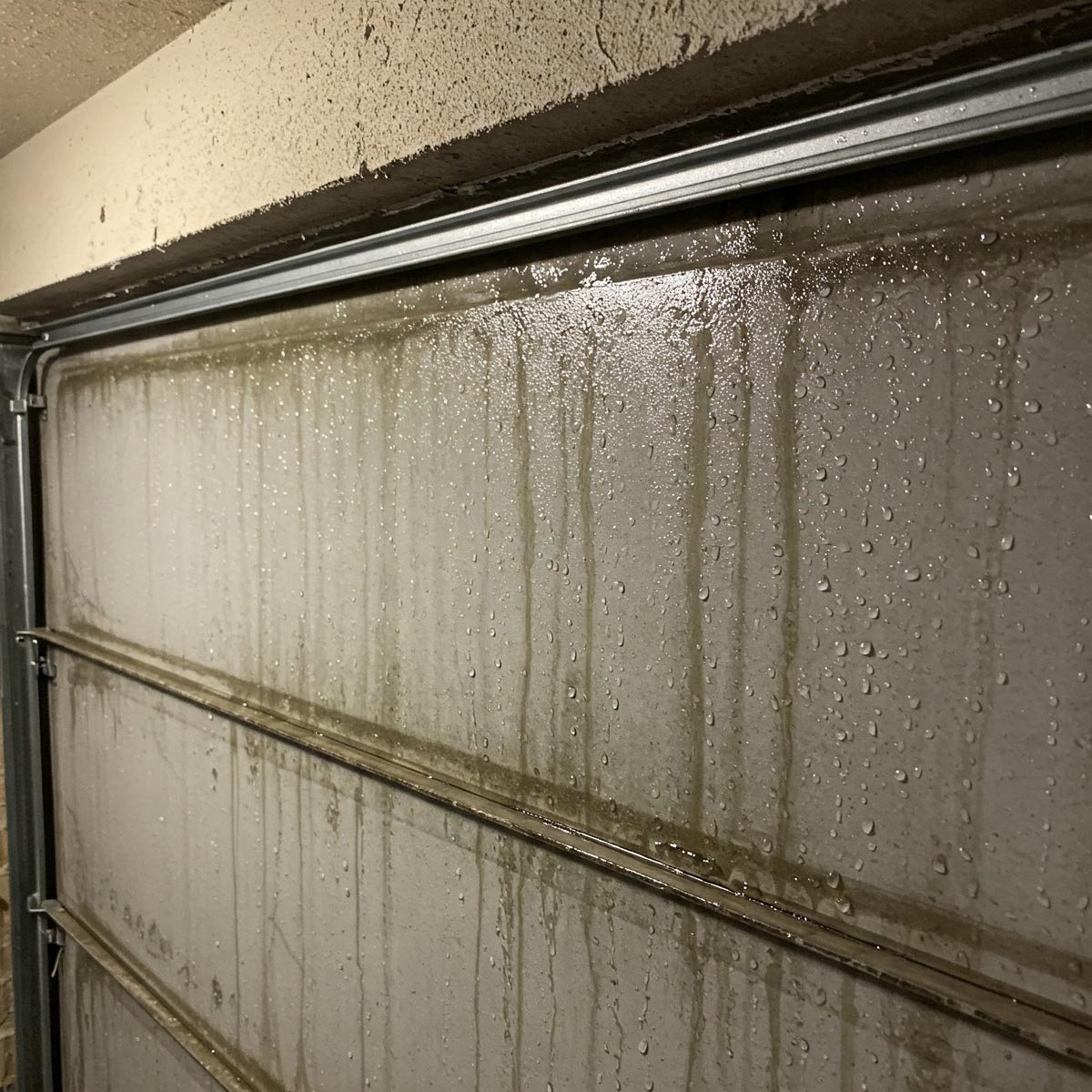
Moisture in your garage isn’t just an inconvenience—it’s a silent destroyer that can compromise the structural integrity of your home, damage valuable belongings, and create an unhealthy environment. Whether you’re dealing with condensation-coated walls, musty odors, or visible mold growth, understanding how to effectively dehumidify a garage is essential for every homeowner.
Garages are particularly susceptible to humidity problems due to their unique position between indoor and outdoor environments. Unlike the rest of your home, garages typically lack the same level of insulation, heating, and air circulation systems that help maintain optimal moisture levels. Additionally, the frequent opening and closing of garage doors, concrete foundations that absorb ground moisture, and the storage of damp vehicles and equipment all contribute to elevated humidity levels.
According to the Environmental Protection Agency (EPA), indoor relative humidity should ideally be kept between 30% and 50% to prevent mold growth and other moisture-related problems. Yet many American garages, especially in humid regions like the Southeast, regularly exceed 60-70% relative humidity—creating perfect conditions for damage to occur.
In this comprehensive guide, we’ll explore the causes of garage humidity, identify effective solutions to dehumidify a garage, and provide practical maintenance strategies to keep moisture levels in check year-round. Whether you’re dealing with a mildly damp space or combating serious moisture issues, this article will equip you with the knowledge and techniques needed to create and maintain a dry, protected garage environment.
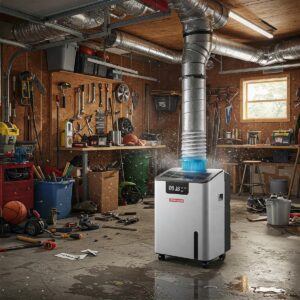
Understanding Garage Humidity: Causes and Concerns
Before diving into solutions, it’s crucial to understand why garages tend to develop humidity problems and recognize the warning signs of excessive moisture.
Common Causes of Garage Humidity
- Concrete Foundations and Floors ⚠️
- Concrete is porous and naturally absorbs groundwater
- Unsealed concrete can release moisture through evaporation
- New concrete can emit significant moisture for up to a year after installation
- Weather and Climate Factors 🌧️
- High outdoor humidity levels infiltrate garage spaces
- Seasonal changes create condensation as temperatures fluctuate
- Snow and rain brought in on vehicles evaporate into the air
- Poor Ventilation Systems 💨
- Limited air exchange traps moisture inside
- Inadequate ventilation prevents humidity from escaping
- Lack of airflow creates stagnant, moisture-rich air pockets
- Everyday Activities 🚗
- Wet vehicles introduce water that evaporates into the space
- Storage of damp items (sports equipment, lawn tools, etc.)
- Use of water for cleaning vehicles or garage floors
- Structural and Design Issues 🏠
- Improper drainage around foundation
- Leaking pipes or roof problems
- Inadequate insulation causing condensation on surfaces
Research published in the Journal of Building Physics indicates that garages can experience humidity fluctuations of 15-25% in a single day, significantly higher than fluctuations inside the main living spaces of a home.
Warning Signs of Excess Garage Humidity
Being able to identify the indicators of a humidity problem allows you to address issues before serious damage occurs:
- Visual Indicators 👁️
- Water droplets or condensation on walls, windows, or surfaces
- Visible mold or mildew growth (often appearing as black, green, or white spots)
- Rusting metal surfaces, tools, or hardware
- Warping or discoloration of wooden items or structures
- Sensory Indicators 👃
- Musty, damp, or earthy odors
- Feeling of dampness or clamminess in the air
- Foggy or misty appearance inside the garage
- Material Damage 💔
- Peeling paint or wallpaper
- Rotting or deteriorating wood
- Corroded electrical fixtures
- Bubbling or flaking concrete surfaces
The Hidden Costs of Garage Humidity
Ignoring humidity problems in your garage can lead to significant consequences:
- Structural Damage: Prolonged exposure to excessive moisture can compromise wooden support structures, promote concrete deterioration, and accelerate metal corrosion of crucial structural elements.
- Property Damage: According to insurance industry data, moisture-related damages cost American homeowners billions annually. Humidity can damage vehicles, power tools, sporting equipment, stored clothing, and keepsakes.
- Health Concerns: The Centers for Disease Control and Prevention (CDC) notes that damp environments promote mold growth, which can trigger allergic reactions, respiratory issues, and other health problems in sensitive individuals.
- Energy Efficiency: Moisture penetration into insulation can reduce its effectiveness by up to 40%, potentially impacting the energy efficiency of attached homes.
- Pest Attraction: Research from entomologists at Cornell University indicates that damp environments attract numerous pests including termites, silverfish, and cockroaches, which thrive in high-humidity environments.
Understanding these causes and consequences provides the necessary context for implementing effective dehumidification solutions for your garage.
Measuring Garage Humidity: Tools and Ideal Levels
Before implementing any dehumidification strategy, it’s essential to understand the current moisture levels in your garage and establish targets for improvement.
Essential Humidity Measurement Tools
- Digital Hygrometers 📊
- Modern digital hygrometers provide precise humidity readings
- Many include temperature measurements and data logging capabilities
- Look for models with accuracy of ±2-3% for reliable monitoring
The ThermoPro TP50 Digital Hygrometer is an excellent entry-level option for monitoring your garage’s humidity levels. With its large, easy-to-read display and high accuracy sensors, it offers reliable measurements without breaking the bank.
- Smart Humidity Monitors 📱
- Wi-Fi connected devices that send readings to your smartphone
- Can provide alerts when humidity exceeds set thresholds
- Allow for historical data tracking to identify patterns
- Moisture Meters 🔍
- Detect moisture content in building materials like wood and drywall
- Help identify problem areas not visible to the naked eye
- Essential for diagnosing moisture infiltration sources
Ideal Humidity Levels for Garages
According to building science experts and the American Society of Heating, Refrigerating and Air-Conditioning Engineers (ASHRAE), the recommended humidity levels for garages are:
- Summer months: 30-50% relative humidity
- Winter months: 30-40% relative humidity (lower to prevent condensation when outdoor temperatures drop)
- Year-round goal: Maintaining levels below 55% to prevent mold growth
A study published in the Building and Environment journal found that maintaining garage humidity below 60% reduced the risk of mold growth by over 80% compared to garages with humidity levels consistently above 70%.
Conducting a Garage Humidity Assessment
Follow these steps to perform a thorough assessment of your garage’s humidity situation:
- Track Humidity Over Time ⏱️
- Place a hygrometer in your garage for at least one week
- Record readings at different times of day
- Note changes based on weather conditions and garage usage
- Identify Problem Areas 🔍
- Use a moisture meter to check walls, especially near the foundation
- Inspect corners and junctions where condensation might collect
- Pay special attention to areas with visible staining or damage
- Consider Seasonal Factors 🌡️
- Humidity patterns typically vary by season
- Document periods when humidity spikes or remains consistently high
- Note correlation with rainfall, temperature changes, or snow melt
- Evaluate Existing Ventilation 💨
- Assess current air circulation patterns
- Note any existing vents, fans, or windows and their effectiveness
- Observe how long moisture remains after introducing humidity (like pulling in a wet car)
Armed with accurate measurements and a clear understanding of your garage’s specific humidity challenges, you can now effectively select and implement appropriate dehumidification strategies.
Passive Methods to Dehumidify a Garage
Before investing in powered dehumidification equipment, consider these effective passive solutions that can significantly reduce garage humidity with minimal ongoing costs.
Improving Ventilation and Air Circulation
Proper air exchange is one of the most effective ways to reduce humidity naturally:
- Strategic Window Placement and Usage 🪟
- Open windows on opposite sides of the garage to create cross-ventilation
- Install window vents that can remain open even when windows are closed
- Consider security-screened vents for permanent air exchange
- Passive Venting Systems 💨
- Ridge vents along the roofline allow hot, humid air to escape
- Soffit vents introduce cooler, drier air at lower levels
- Static roof vents create natural convection for continuous air exchange
According to a study in the Journal of Building Performance Simulation, properly designed passive ventilation can reduce relative humidity by 15-20% in enclosed spaces without any energy consumption.
- Door Vents and Gaps 🚪
- Install vented garage door panels to increase air circulation
- Maintain a small gap under interior doors to improve airflow
- Consider periodic opening of garage doors during dry, low-humidity days
Sealing and Insulation Strategies
Controlling moisture infiltration is key to maintaining lower humidity levels:
- Foundation and Floor Sealing 🏗️
- Apply concrete sealers to prevent ground moisture penetration
- Install vapor barriers beneath new concrete slabs
- Use epoxy floor coatings to create impermeable surfaces
- Wall and Ceiling Insulation 🧱
- Install moisture-resistant insulation in walls and ceilings
- Add a vapor barrier on the warm side of insulation
- Ensure proper installation to prevent condensation within wall cavities
Research from the Building Science Corporation indicates that properly sealed and insulated garage spaces can maintain humidity levels 25-35% lower than unsealed spaces in identical conditions.
- Weather Stripping and Gap Sealing 🚪
- Install or replace weather stripping around garage doors
- Seal gaps around windows and pedestrian doors
- Address cracks in walls or junctions with appropriate caulking
Natural Desiccants and Moisture Absorbers
These simple solutions can supplement other dehumidification methods:
- Commercial Moisture Absorbers 💧
- Calcium chloride-based products designed for large spaces
- Silica gel containers for smaller problem areas
- Rechargeable dehumidifier packs that can be dried and reused
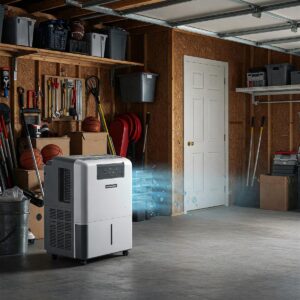
The DampRid Hanging Moisture Absorber is particularly effective for garages, offering powerful moisture absorption in a convenient hanging format that doesn’t take up valuable floor or shelf space.
- DIY Desiccant Solutions 🧂
- Rock salt in perforated containers
- Clay-based cat litter in shallow, open containers
- Activated charcoal, which absorbs both moisture and odors
- Strategic Placement 📍
- Position absorbers near known moisture sources
- Place in corners and enclosed areas with limited air circulation
- Elevate to capture rising warm, humid air
A Clemson University Cooperative Extension study found that properly sized and placed desiccant systems can reduce ambient humidity by 5-15% in enclosed spaces, providing a simple, electricity-free supplement to other methods.
Natural Ventilation Timing Strategies
Strategically timing when you introduce outside air can make a significant difference:
- Weather-Based Ventilation 🌤️
- Open garage doors and windows when outdoor humidity is lower than indoor
- Ventilate during the warmest part of the day in winter (when relative humidity is lowest)
- Seal the garage during rainy or extremely humid periods
- Diurnal Ventilation Strategy 🌙
- In many climates, early afternoon hours typically have the lowest relative humidity
- Evening and early morning hours often have the highest humidity levels
- Develop a schedule based on your local climate patterns
- Seasonal Adjustments 🍂
- Modify ventilation strategies based on seasonal humidity patterns
- Take advantage of naturally drier seasons for more aggressive air exchange
- Implement more active dehumidification during consistently humid periods
These passive approaches can dramatically improve your garage’s humidity levels without significant investment, though they may need to be supplemented with active methods in particularly challenging environments or seasons.
Active Methods to Dehumidify a Garage
When passive methods aren’t sufficient to control garage humidity, active dehumidification techniques provide powerful solutions for maintaining optimal moisture levels.
Dehumidifier Options and Selection
Selecting the right dehumidifier is crucial for effective garage moisture control:
- Portable Residential Dehumidifiers 🔌
- Ideal for moderate humidity issues in standard-sized garages
- Available in various capacities (typically 30-70 pints per day)
- Require periodic emptying of water collection tanks or drainage setup
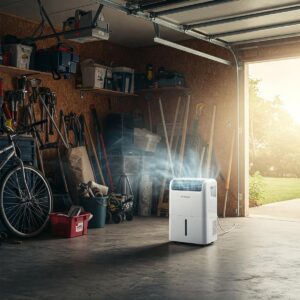
The hOmeLabs 4,500 Sq. Ft Energy Star Dehumidifier stands out for garage applications with its robust moisture removal capacity, energy efficiency, and continuous drain option that eliminates the need for manual emptying.
- Commercial/Industrial Dehumidifiers 🏭
- Designed for larger spaces or severe humidity problems
- Higher capacity (70+ pints per day)
- More durable components for continuous operation
- Often include built-in pumps for convenient drainage
- Specialty Garage Dehumidifiers 🚗
- Engineered specifically for unconditioned spaces
- Can operate in wider temperature ranges (some down to 35°F)
- Often feature more robust filtration systems
- Designed for the dustier conditions typical in garages
According to research from the Association of Home Appliance Manufacturers, properly sized dehumidifiers can reduce relative humidity by 30-50% in enclosed spaces, making them among the most effective solutions available.
Sizing and Capacity Considerations
Selecting the appropriate dehumidifier capacity is essential for efficiency and effectiveness:
- Space Calculation 📏
- Measure your garage’s square footage (length × width)
- Consider ceiling height for total volume assessment
- Account for open versus enclosed garage configurations
- Humidity Level Assessment 💧
- Mild dampness (50-60% RH): 30 pints/day per 1,500 sq ft
- Moderate dampness (60-70% RH): 40 pints/day per 1,500 sq ft
- Very damp conditions (70-80% RH): 50 pints/day per 1,500 sq ft
- Wet conditions (80-100% RH): 60+ pints/day per 1,500 sq ft
- Climate Considerations 🌎
- Add 10 pints capacity for high-humidity climates
- Consider temperature ranges in your garage throughout the year
- Look for units rated for your typical minimum winter temperatures
Installation and Placement Optimization
Proper placement maximizes dehumidifier effectiveness:
- Strategic Positioning 📍
- Central locations allow for more even moisture removal
- Elevate the unit 6-12 inches from the floor for better air circulation
- Maintain at least 12 inches of clearance from walls and objects
- Airflow Considerations 💨
- Position intake and exhaust away from obstructions
- Orient airflow to create circulation patterns throughout the space
- Avoid placing in corners or enclosed areas
- Drainage Setup 💧
- Use gravity drain hoses when possible to eliminate manual emptying
- Consider condensate pumps for installations without floor drains
- Ensure proper slope in drain hoses to prevent water backup
The University of Florida Extension Service notes that proper dehumidifier placement can improve efficiency by up to 30% compared to poorly positioned units.

Supplementary Active Systems
Additional mechanical systems that can aid in garage dehumidification:
- Exhaust Fans 🌬️
- Install dedicated exhaust fans to remove humid air
- Consider humidity-sensing models that activate automatically
- Timer-based systems can provide scheduled ventilation
- Air Conditioning ❄️
- Mini-split systems provide both cooling and dehumidification
- Remove significant moisture while cooling the space
- Especially effective in sealed, insulated garages
- Integration with Home HVAC 🏠
- Extend existing home ductwork to include the garage (where codes permit)
- Install separate temperature and humidity controls for garage zones
- Consider energy implications and system capacity before implementation
A study published in Building and Environment journal found that integrated approaches—combining dehumidifiers with strategic ventilation—reduced energy consumption by 25-40% while maintaining target humidity levels compared to dehumidifiers alone.
Specialized Solutions for Specific Garage Humidity Problems
Different garage configurations and moisture sources may require tailored approaches beyond general dehumidification strategies.
Addressing Concrete Moisture Issues
Concrete’s porous nature makes it a common source of garage humidity:
- Vapor Barriers and Moisture Control 🛡️
- Install polyethylene sheeting under new concrete slabs
- Apply penetrating concrete sealers to existing slabs
- Consider drainage mats for areas with known groundwater issues
- Epoxy Floor Coatings 🖌️
- Create an impermeable moisture barrier
- Prevent water vapor emission from concrete
- Provide additional benefits like chemical resistance and easier cleaning
The Rust-Oleum EpoxyShield Garage Floor Coating Kit offers a professional-grade solution that not only creates an effective moisture barrier but also enhances your garage’s appearance with a durable, attractive finish.
- Addressing Hydrostatic Pressure 💦
- Install perimeter drainage systems for severe ground moisture issues
- Create moisture barriers on exterior foundation walls
- Improve exterior grading and drainage to direct water away from garage
Research from the Portland Cement Association indicates that properly sealed concrete can reduce moisture emission rates by 80-95%, significantly reducing ambient humidity contributions.
Solutions for Attached vs. Detached Garages
Different garage configurations present unique humidity challenges:
- Attached Garage Considerations 🏠
- Address air sealing between garage and living spaces
- Consider the impact of home HVAC systems on garage conditions
- Implement moisture barriers to prevent humidity migration into the home
- Detached Garage Approaches 🏚️
- Focus on standalone climate control solutions
- Implement more aggressive moisture barriers due to greater exposure
- Consider off-grid dehumidification options for locations without convenient power
- Semi-Conditioned vs. Unconditioned Spaces 🌡️
- Adapt strategies based on whether heating/cooling is present
- Focus on insulation and vapor barriers for unconditioned spaces
- Implement temperature-appropriate dehumidification technology
A study by the Building Science Corporation found that attached garages typically experience 15-25% less humidity fluctuation than detached structures due to the moderating influence of adjacent conditioned spaces.
Managing Seasonal Humidity Challenges
Adapt your approach to dehumidify a garage based on seasonal patterns:
- Summer Strategies ☀️
- Focus on removing humidity during peak moisture months
- Implement dehumidifiers with adequate capacity for hot conditions
- Ventilate strategically during lower-humidity periods of the day
- Winter Approaches ❄️
- Select dehumidifiers rated for lower operating temperatures
- Address condensation from temperature differentials
- Implement heat sources in extremely cold climates to enable dehumidification
- Transitional Seasons 🍂
- Pay special attention to rapidly changing conditions in spring and fall
- Monitor both temperature and humidity during variable weather
- Adjust ventilation strategies based on outdoor conditions
The Department of Energy notes that seasonal humidity management can reduce overall energy costs by 10-15% compared to year-round uniform approaches.
Humidity Control for Specialized Garage Uses
Tailor your dehumidification approach based on how you use your garage:
- Workshop Environments 🔨
- Protect tools and materials from rust and warping
- Consider point-source ventilation for humidity-generating activities
- Implement tool-specific storage solutions with desiccants
- Vehicle Storage 🚗
- Prevent vehicle corrosion and mildew with consistent humidity control
- Consider enclosed dehumidification systems for long-term storage
- Implement moisture-absorbing products inside vehicles
- Converted Living Spaces 🛋️
- Apply residential humidity standards (30-50% RH)
- Implement more comprehensive insulation and vapor barriers
- Consider integrated HVAC solutions for year-round comfort
According to classic car insurance specialists, maintaining garage humidity below 50% can extend vehicle body integrity by 5-7 years compared to storage in uncontrolled environments.
Comprehensive Moisture Management Plan
Creating a year-round strategy ensures consistent humidity control and protects your garage and its contents.
Seasonal Maintenance Schedule
Implement this quarterly maintenance routine to maintain optimal garage humidity:
- Spring Tasks 🌱
- Clean and inspect dehumidifiers and ventilation systems
- Check for winter water damage and address any issues
- Inspect and repair exterior drainage systems
- Re-evaluate humidity patterns as temperatures rise
- Summer Routines ☀️
- Ensure dehumidifiers are operating at peak efficiency
- Clean filters and coils monthly during peak humidity
- Monitor and empty collection tanks more frequently
- Inspect for condensation on cooler surfaces
- Fall Preparations 🍂
- Prepare systems for temperature transitions
- Clean gutters and downspouts to prevent water infiltration
- Consider adjusting humidity targets as temperatures drop
- Inspect weather stripping and seals before winter
- Winter Vigilance ❄️
- Monitor systems for proper operation in colder temperatures
- Address any condensation issues from temperature differentials
- Maintain minimum heat levels if necessary for dehumidification
- Check for ice dams or snow buildup that could cause water infiltration
Research from the Building Performance Institute indicates that consistent seasonal maintenance can extend dehumidification system lifespan by 30-50% while maintaining optimal performance.
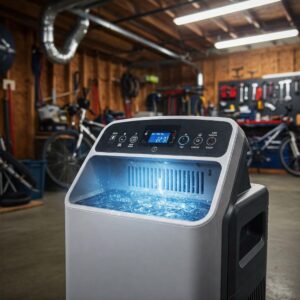
Integrating Multiple Humidity Control Methods
Creating a comprehensive system provides more consistent results:
- Layered Approach Benefits 🧅
- Combine passive and active methods for redundancy
- Address different moisture sources with targeted solutions
- Create backup systems for critical humidity control needs
- Smart Integration Strategies 🔄
- Use hygrometers to trigger different systems at appropriate thresholds
- Implement timers to coordinate ventilation with dehumidification
- Consider smart controllers for automated, condition-based operation
- Energy Efficiency Considerations 💡
- Balance multiple systems to minimize energy consumption
- Use passive methods whenever adequate for conditions
- Reserve energy-intensive solutions for peak humidity periods
💡 Helpful Tools for Your Journey 🔥
→ The concepts we’ve discussed can be put into practice with quality tools. We’ve researched some reliable options that many readers have found helpful. Check out these well-reviewed products that complement the information in this guide.
Ongoing Monitoring and Adjustment
Continuous improvement keeps your garage consistently dry:
- Data-Driven Adjustments 📊
- Track humidity levels over time using logging hygrometers
- Correlate readings with weather patterns and garage activities
- Adjust strategies based on observed performance
- Problem Identification 🔍
- Regularly inspect for signs of moisture issues
- Address small problems before they become major concerns
- Look for patterns that indicate systemic issues
- System Optimization ⚙️
- Fine-tune dehumidifier settings based on seasonal needs
- Adjust ventilation schedules to match external conditions
- Modify passive strategies as their effectiveness changes with seasons
A long-term study by the Indoor Environment Research Program found that homes with ongoing humidity monitoring and adjustment maintained target humidity levels 85% more consistently than those with static, unadjusted systems.
Cost-Benefit Analysis of Dehumidification Methods
Understanding the economics of various approaches helps you make informed decisions about how to dehumidify a garage.
Comparative Analysis of Dehumidification Methods
This table provides a comprehensive comparison of common garage dehumidification approaches:
| Method | Initial Cost | Operating Cost | Effectiveness | Best For |
|---|---|---|---|---|
| Passive Ventilation | $50-$300 | $0 | Low-Moderate | Mild humidity, good climate |
| Desiccants & Moisture Absorbers | $20-$100 | $5-$15/month | Low | Localized issues, small spaces |
| Residential Dehumidifiers | $150-$300 | $10-$30/month | Moderate-High | Average garages, moderate humidity |
| Commercial Dehumidifiers | $250-$1,000+ | $20-$50/month | High | Large spaces, severe humidity |
| HVAC Integration | $1,000-$3,000+ | Varies | High | Finished garages, living spaces |
| Concrete Sealing | $200-$1,000+ | $0 | Moderate | Moisture from foundation |
| Full Insulation & Vapor Barriers | $500-$3,000+ | $0 | Moderate-High | Comprehensive moisture control |
💬 Just one click – help others make informed decisions too!😊
Return on Investment Considerations
Evaluating long-term value helps prioritize dehumidification investments:
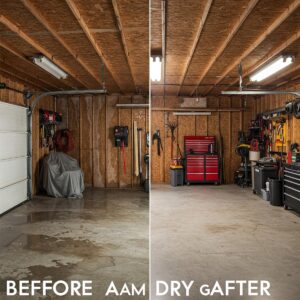
- Property Protection Value 🏠
- Preventing structural damage from moisture (potential savings: thousands)
- Avoiding mold remediation costs ($500-$6,000 per incident)
- Extending garage and home lifespan through moisture control
- Content Preservation 📦
- Protecting vehicles from corrosion and moisture damage
- Preserving tools and equipment from rust and deterioration
- Safeguarding stored items from mold, mildew, and decay
- Energy Implications 💡
- Impact on adjacent living spaces in attached garages
- Operating costs of active dehumidification systems
- Potential for increased HVAC efficiency through moisture control
According to insurance industry studies, every dollar spent on preventive moisture control saves approximately $4-$7 in future damage repair costs.
Budget-Friendly Approaches
Effective humidity control doesn’t always require significant investment:
- Phased Implementation 📆
- Start with lower-cost passive methods
- Add targeted active solutions for problem areas
- Gradually implement more comprehensive systems as budget allows
- DIY Opportunities 🛠️
- Install your own ventilation improvements
- Apply concrete sealers yourself
- Implement basic insulation and vapor barriers
- Energy Efficiency Rebates 💰
- Check for utility rebates on energy-efficient dehumidifiers
- Look for tax incentives for building envelope improvements
- Consider energy savings in total cost calculations
The Pro Breeze Electric Mini Dehumidifier offers an excellent entry point for those on a budget, providing effective dehumidification for small to medium spaces without the higher cost of larger units.
Research from Consumer Reports indicates that selecting Energy Star certified dehumidifiers can reduce operating costs by 15-25% compared to standard models while providing equivalent performance.
Long-Term Garage Protection Strategies
Beyond immediate dehumidification, implement these strategies for lasting protection of your garage environment.
Preventive Measures to Minimize Future Moisture Problems
Address potential issues before they develop:
- Exterior Water Management 🌧️
- Maintain proper grading away from the garage foundation
- Install and maintain effective gutter and downspout systems
- Consider French drains for problematic drainage areas
- Regular Inspection Schedule 🔍
- Check roof and exterior walls for leaks or damage quarterly
- Inspect door and window seals seasonally
- Evaluate concrete for cracks or deterioration
- Proactive Maintenance 🛠️
- Address small issues before they become major problems
- Reapply sealants and coatings according to manufacturer schedules
- Replace worn weather stripping and door sweeps promptly
A study by the Insurance Institute for Business & Home Safety found that consistent preventive maintenance reduced water damage claims by over 90% compared to reactive approaches.
Storage Best Practices for Humidity Control
Proper storage techniques enhance your dehumidification efforts:
- Elevated Storage Systems ⬆️
- Keep items off concrete floors when possible
- Use shelving that allows air circulation
- Consider overhead storage for items sensitive to ground moisture
- Climate-Appropriate Containers 📦
- Use sealed plastic containers for sensitive items
- Add desiccant packets to storage containers
- Avoid cardboard boxes for long-term storage in humid environments
- Strategic Organization 🧩
- Create air gaps between stored items and exterior walls
- Avoid overcrowding that restricts air circulation
- Implement zoned storage based on item sensitivity to moisture
According to organizational experts, proper garage storage approaches can reduce moisture-related damage by 60-70% even in challenging environments.
💡 Smart Storage Solutions for Moisture Protection 💪
→ Implementing effective storage systems is crucial for protecting your belongings from humidity damage. Consider moisture-resistant options that complement your dehumidification efforts while maximizing your garage’s storage potential.
Future-Proofing Your Garage Against Humidity
Plan ahead for changing conditions and needs:
- Climate Change Considerations 🌎
- Research projected humidity trends for your region
- Design systems with flexibility for increasing moisture challenges
- Consider more robust solutions in areas expecting increased precipitation
- Technology Integration 💻
- Explore smart humidity monitoring and control systems
- Consider remote monitoring capabilities for vacation properties
- Evaluate emerging dehumidification technologies
- Renovation Opportunities 🏗️
- Incorporate advanced moisture control during any garage renovations
- Upgrade insulation and vapor barriers when replacing drywall
- Consider moisture-resistant building materials for future projects
Building science experts suggest that implementing comprehensive moisture management during renovation projects adds only 5-8% to project costs while providing 15-20 years of enhanced protection.
Conclusion
Effectively controlling humidity in your garage is a multifaceted challenge that requires understanding the specific causes of moisture in your space and implementing appropriate solutions. By combining the right mix of passive and active methods to dehumidify a garage, you can create an environment that protects your property, prevents costly damage, and maintains a healthier space.
Remember that successful garage dehumidification typically involves:
- Assessment and Measurement: Understanding your current humidity levels and identifying specific moisture sources provides the foundation for effective solutions.
- Tailored Approach: Combining multiple methods—from passive ventilation to active dehumidification—creates a more robust system than relying on any single technique.
- Consistent Maintenance: Regular monitoring and adjustment of your dehumidification strategies ensures continued effectiveness as seasons and conditions change.
- Preventive Mindset: Addressing potential moisture sources before they become problems saves significant money and effort compared to remediation.
The investment in properly controlling your garage’s humidity extends far beyond comfort—it protects one of your home’s largest structural components, preserves valuable vehicles and belongings, and contributes to a healthier overall environment for your household.
By implementing the strategies outlined in this guide, you can transform your garage from a potentially damp, problematic space into a dry, functional area that maintains its structural integrity and protects everything you store within it.
💡 Premium Solutions for Serious Humidity Issues 🔥
→ If you’re dealing with persistent or severe garage humidity problems, professional-grade solutions may be worth the investment. We’ve identified high-performance options that provide reliable, long-term results even in challenging garage environments.
More FAQs:
❓ What humidity level should I maintain in my garage?
❓ How do I know if my garage has a humidity problem?
❓ What size dehumidifier do I need for my garage?
❓ Can I use my home's HVAC system to dehumidify my garage?
❓ How can I reduce garage humidity without electricity?
Recommended for You
- 10 Best Auto Lifts for Garage Solutions That Transform Your Workspace in 2025
- 10 Stunning 2 Story Garage Designs That Will Transform Your Property Value
- 16×8 Garage Door: 7 Top Options for Spacious Modern Homes in 2025
Disclaimer: This article contains affiliate links. If you purchase products through these links, we may earn a small commission at no additional cost to you.
✨ Found this helpful? Share it with your friends! 💬🤗
