
In This Article
Transforming Your Workshop with Cabinet Workbenches
If you’ve ever struggled with a cluttered workshop or found yourself constantly searching for tools while working on projects, you understand the importance of smart storage solutions. Cabinet workbenches represent the perfect marriage of functionality and organization, offering both a sturdy work surface and convenient storage in a single unit. As someone who has spent countless hours in workshops of all sizes, I can confidently say that a quality cabinet workbench can revolutionize your workspace.
✨Was this helpful? Spread the word! 🚀
Cabinet workbenches come in various configurations, materials, and sizes to accommodate different needs and spaces. Whether you’re a professional craftsman with an extensive tool collection or a weekend DIY enthusiast looking to maximize limited garage space, there’s a cabinet workbench solution that can transform your workflow and efficiency.
In this comprehensive guide, we’ll explore everything you need to know about cabinet workbenches, from their key benefits and essential features to detailed reviews of the top models available today. I’ll also share expert tips on selecting the right cabinet workbench for your specific needs, organizing your workspace for maximum productivity, and maintaining your investment for years of reliable service.
What Are Cabinet Workbenches?
Cabinet workbenches are hybrid furniture pieces that combine the functionality of a traditional workbench with integrated storage cabinets. Unlike standalone workbenches or separate storage solutions, cabinet workbenches offer a cohesive system that addresses two critical workshop needs simultaneously: a stable work surface and organized storage for tools and materials.
The concept of cabinet workbenches has evolved significantly over the years. Traditional workshops often featured separate workbenches and tool storage units, requiring craftsmen to move between different areas to access tools and work on projects. Modern cabinet workbenches eliminate this inefficiency by placing frequently used tools and supplies directly beneath or alongside the work surface.
Key Components of Cabinet Workbenches
Most cabinet workbenches feature several standard components:
- Work Surface – Typically made from hardwood, laminate, or metal, the work surface provides a durable area for project completion.
- Storage Cabinets – Enclosed storage spaces with doors that protect contents from dust and debris.
- Drawers – Varying in size and depth, drawers organize smaller tools and accessories.
- Shelving – Some models include open or adjustable shelving for frequently accessed items.
- Support Structure – The frame that provides stability and often includes features like adjustable feet for uneven floors.
The beauty of cabinet workbench designs is their versatility. Some models prioritize extensive drawer storage for organizing hand tools, while others feature larger cabinet spaces for power tools or bulkier items. The work surface height, material, and dimensions can also vary significantly between models to accommodate different types of work.
Benefits of Cabinet Workbenches for Your Workshop
Integrating a cabinet workbench into your workshop offers numerous advantages that extend beyond simple tool storage:
Space Optimization ✅
In today’s world, workshop space is often at a premium. Whether you’re working in a compact garage, a shared maker space, or even a professional setting, maximizing available square footage is crucial. Cabinet workbenches excel at this by combining two essential workshop elements into a single footprint.
“The greatest luxury in any workshop isn’t exotic tools or premium materials—it’s usable space,” notes a recent article in Workshop Design Magazine. By consolidating your work surface and storage, cabinet workbenches can free up valuable floor space for other equipment or simply provide more room to maneuver around your projects.
Improved Organization and Efficiency 🛠️
Ask any experienced craftsperson about the key to productive workshop time, and organization will inevitably be mentioned. Cabinet workbenches provide a systematic approach to tool organization that can dramatically improve workflow efficiency.
With designated drawers, cabinets, and compartments, you can organize tools by type, frequency of use, or project category. This systematic storage eliminates the all-too-common time waste of searching for tools in the middle of a project. When every tool has a home and is stored near where it’s used, you’ll find your project completion times decrease while quality improves.
Durability and Longevity 💪
Quality cabinet workbenches are built to withstand the demands of workshop environments. Unlike consumer-grade furniture, these workstations are designed with heavy use in mind.
Many premium cabinet workbenches feature:
- Reinforced drawer slides rated for hundreds of pounds
- Chemical-resistant work surfaces
- Heavy-gauge steel construction
- Industrial-grade casters or leveling feet
- Specialized coatings to resist corrosion and wear
This durability translates to longevity, making cabinet workbenches a worthwhile investment for serious hobbyists and professionals alike. While the initial cost may exceed that of basic workshop furniture, the extended service life and improved functionality offer superior value over time.
Enhanced Safety 🔒
Proper tool storage isn’t just about convenience—it’s also a critical safety consideration. Cabinet workbenches help maintain a safer workshop environment in several ways:
- Reducing Clutter – By providing adequate storage, workbenches minimize dangerous clutter on work surfaces and floors.
- Securing Sharp Tools – Enclosed storage keeps potentially hazardous tools safely stored when not in use.
- Controlling Access – Many models include locking features to prevent unauthorized access to dangerous tools, making them ideal for homes with children or shared workshop spaces.
- Stable Work Surface – Quality cabinet workbenches provide a solid, stable surface for cutting, assembly, and other tasks, reducing the risk of accidents during operation.
Customization and Flexibility 🔧
Modern cabinet workbench designs recognize that no two craftspeople work exactly alike. Many models offer customization options to tailor the workstation to your specific needs:
- Adjustable shelving to accommodate tools of various sizes
- Modular components that can be rearranged or expanded over time
- Interchangeable work surfaces for different applications
- Add-on accessories like power strips, lighting, or specialized tool holders
- Mobility options including high-quality casters for workshop reconfiguration
This adaptability ensures your cabinet workbench can evolve alongside your skills, project types, and tool collection.
Types of Cabinet Workbenches
The cabinet workbench category encompasses several distinct styles, each designed to address specific workshop needs. Understanding these variations will help you select the optimal configuration for your situation.
Stationary Cabinet Workbenches
Stationary models prioritize stability and typically offer the most substantial work surfaces and storage capacity. These units are ideal for dedicated workshop spaces where mobility isn’t required.
Key characteristics include:
- Heavy-duty construction with weight capacities often exceeding 1,000 pounds
- Leveling feet to ensure stability on uneven floors
- Larger work surfaces suitable for substantial projects
- More extensive cabinet and drawer storage
- Often constructed from welded steel or solid hardwood components
A stationary cabinet workbench forms the cornerstone of many professional workshops, providing a reliable foundation for precision work. According to a study by the Woodworking Network, dedicated stationary workbenches remain the preferred choice for 78% of professional woodworkers.
Mobile Cabinet Workbenches
For those with multi-purpose spaces or the need to reconfigure their workshop layout, mobile cabinet workbenches offer tremendous flexibility.
These models feature:
- Heavy-duty casters, often with locking mechanisms
- Slightly smaller dimensions to facilitate movement through doorways
- Drawer locks or latches to prevent opening during transport
- Push handles or ergonomic features for easier movement
- Weight capacities typically ranging from 300-700 pounds
Mobile workbenches have gained popularity in both home and professional settings. According to industry data from Tool Storage Magazine, sales of mobile cabinet workbenches have increased by 45% over the past five years as workshops increasingly serve multiple functions.
Modular Cabinet Workbench Systems
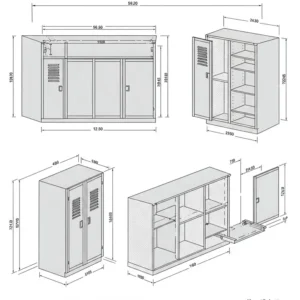
The newest evolution in workshop organization, modular systems allow for custom configurations that can be expanded or modified over time.
Distinguished by:
- Standardized dimensions that ensure compatibility between components
- Connection hardware for securing multiple units together
- Consistent work surface heights for creating extended workstations
- Specialized modules for specific functions (e.g., tool charging stations, computer workstations)
- The ability to start small and expand as budget and needs evolve
These systems offer the ultimate in flexibility, allowing craftspeople to create custom workflows tailored to their specific projects and processes.
Wall-Mounted Cabinet Workbenches
In extremely space-constrained environments, wall-mounted cabinet workbenches provide functional work areas with minimal footprint.
Notable features include:
- Fold-down work surfaces that can be stowed when not in use
- Shallow-depth cabinets designed for wall mounting
- Integrated pegboard or slat wall sections for additional tool storage
- Support brackets rated for substantial working loads
- Some models with collapsible legs for additional support when deployed
While less common than floor-standing models, wall-mounted cabinet workbenches serve a vital role in urban workshops, multi-purpose rooms, and areas where floor space must be reclaimed when projects are complete.
Features to Look for in Quality Cabinet Workbenches
When evaluating cabinet workbenches for your workshop, several key features differentiate exceptional models from adequate ones. Understanding these elements will help you make an informed investment.
Work Surface Considerations
The work surface is literally the foundation of your projects, making its characteristics particularly important:
Material Options
Cabinet workbench work surfaces typically fall into several categories:
- Hardwood – Traditional maple or beech surfaces offer excellent durability, can be refinished when damaged, and provide some shock absorption. Ideal for handwork, assembly, and general woodworking.
- Metal – Typically steel or stainless steel, these surfaces excel in workshops where heat, chemicals, or heavy industrial use is common. They’re extremely durable but can be noisy and cold to the touch.
- Composite/Laminate – Modern high-pressure laminates offer excellent chemical resistance and easy cleaning. These surfaces work well for mixed-use environments and can be more affordable than hardwood or metal alternatives.
- Butcher Block – Thick, laminated wood surfaces provide maximum stability and vibration dampening. These premium surfaces are favored by fine woodworkers and instrument makers.
According to research from the Ergonomics Journal, work surface material can significantly impact user fatigue during extended projects. Consider both the type of work you do and the duration of your typical workshop sessions when selecting material.
Thickness and Stability
Work surface thickness directly correlates with stability, weight capacity, and vibration control. For most cabinet workbenches:
- 1″-1.5″ thick surfaces suit general assembly and light to medium work
- 2″-3″ surfaces provide additional stability for heavier tasks
- 3″+ premium surfaces minimize vibration for precision work
Remember that actual performance depends on the material and underlying support structure. A thinner metal surface with proper reinforcement may outperform a thicker wood surface with inadequate support.
Size and Dimensions
The ideal work surface dimensions depend on your typical projects and available space:
- Width – Most cabinet workbenches range from 48″-72″ wide, with 60″ being a common sweet spot between capacity and space efficiency.
- Depth – Standard depths range from 24″-36″, with 30″ providing comfortable reach across the entire surface for most users.
- Height – Work surface height is crucial for ergonomics. While 34″-36″ is standard, the optimal height depends on your height and the type of work performed. Precision work typically benefits from higher surfaces, while assembly and heavier work may be more comfortable at lower heights.
For maximum versatility, consider models with height-adjustable work surfaces or those specifically sized for your primary tasks.
Storage Options and Organization
The storage configuration of your cabinet workbench will dramatically impact its functionality for your specific needs.
Drawer Configurations
Drawer layouts vary widely between models, with several important considerations:
- Quantity vs. Size – More drawers provide greater organization but typically at the expense of storage capacity for larger items. Consider the size distribution of your tools when evaluating drawer configurations.
- Depth Variations – The most versatile cabinet workbenches include a mix of shallow drawers (2″-3″) for hand tools and deeper drawers (5″-8″) for power tools and bulkier items.
- Weight Capacity – Quality drawers feature ball-bearing slides rated for the weight of the tools they’ll hold. Look for ratings of at least 100 lbs for general-purpose drawers and 200+ lbs for drawers intended for heavier tools or parts.
- Full Extension – Full-extension drawer slides allow complete access to the entire drawer depth, significantly improving functionality compared to partial-extension alternatives.
Cabinet Space
Enclosed cabinet storage offers different advantages than drawer storage:
- Accommodates larger items that won’t fit in drawers
- Typically more cost-effective per cubic inch of storage
- Can include adjustable shelving for flexible organization
- Provides cleaner visual appearance when doors are closed
- Offers better protection from dust and workshop debris
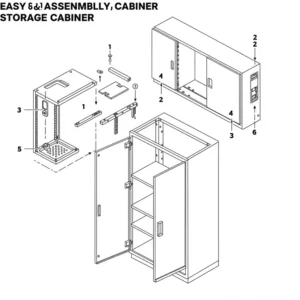
Look for cabinets with adjustable shelving, high-quality hinges, and doors that open at least 180 degrees for unobstructed access.
Specialized Storage Features
Premium cabinet workbenches often include specialized storage elements:
- Tool Charging Stations – Dedicated areas with integrated power for charging battery-operated tools.
- Locking Compartments – Secure storage for valuable tools or hazardous materials.
- Pegboard Panels – Side or back panels with pegboard for hanging frequently used tools within reach.
- Pull-Out Work Surfaces – Extendable surfaces that provide additional workspace when needed.
- Integrated Power Distribution – Built-in power strips or outlets to support power tools and devices.
These specialized features can significantly enhance functionality but typically increase the price point. Prioritize features that align with your specific workflow and requirements.
Construction Quality and Materials
The materials and construction methods used in a cabinet workbench directly impact its durability, capacity, and longevity.
Frame Construction
The frame provides the structural integrity for the entire workbench:
- Welded Steel – Offers maximum strength and stability. Look for frames constructed from at least 14-gauge steel with fully welded (not bolted) main joints for premium performance.
- Bolted Assembly – More common in mid-range models, bolted frames allow for shipping in a flat package but may loosen over time and require periodic maintenance.
- Wood Construction – Traditional wood-framed workbenches provide excellent vibration dampening but may offer less overall strength than metal alternatives.
The frame should include diagonal bracing or other reinforcement methods to prevent racking (side-to-side movement) under load.
Cabinet and Drawer Construction
Storage components should match the quality of the frame:
- Drawer Construction – Quality drawers feature double-wall construction, reinforced corners, and smooth, rounded edges that won’t catch on stored items.
- Drawer Slides – Ball-bearing slides offer smoother operation and higher weight capacity than friction slides. Look for slides with ratings appropriate for your intended use.
- Cabinet Panels – Sheet metal thickness (typically measured in gauge) directly impacts durability. Look for cabinets constructed from 18-gauge or heavier steel.
- Hinges and Hardware – Often overlooked, high-quality hinges, handles, and latches significantly impact daily usability and long-term satisfaction.
Surface Treatments and Finishes
Proper finishing improves both appearance and durability:
- Paint Systems – Industrial powder coating offers superior durability compared to wet-applied paint. Look for multi-stage processes including pretreatment, primer, and topcoat.
- Chemical Resistance – Workshop environments often expose surfaces to solvents, oils, and other chemicals. Ensure the finish is appropriate for your typical projects.
- Edge Treatments – Work surface edges should be finished to prevent splintering (wood) or sharp edges (metal). Rolled edges or applied edge banding indicate attention to detail.
- Corrosion Protection – For metal components, verify what corrosion protection measures are included, particularly if your workshop experiences high humidity or temperature fluctuations.
Mobility and Stability Features
For many workshops, the ability to reconfigure space is valuable, but never at the expense of stability during use.
Caster Quality
If you select a mobile cabinet workbench, caster quality is paramount:
- Size – Larger casters (5″ or greater) roll more easily over uneven surfaces and obstacles.
- Material – Polyurethane casters offer the best combination of floor protection, quiet operation, and durability.
- Swivel Mechanism – Quality swivel mechanisms with sealed bearings ensure smooth movement and directional control.
- Locking System – Look for casters with both wheel locks (preventing rolling) and swivel locks (preventing rotation) for maximum stability when parked.
According to the Journal of Occupational Safety, inadequate mobility systems are among the leading causes of workshop injuries related to equipment movement.
Leveling Systems
For stationary models or mobile units that will be parked for extended periods:
- Leveling Feet – Adjustable feet allow for precise leveling even on uneven floors. Look for substantial feet with non-marring materials.
- Adjustment Range – A wider adjustment range accommodates greater floor variations. Most quality systems offer at least 1″ of adjustment.
- Locking Mechanism – Once adjusted, feet should lock in position to prevent unwanted changes during use.
Weight Capacity
Both the work surface and the overall structure should have clearly defined weight capacities:
- Static Load – The maximum weight the workbench can support when stationary. Quality cabinet workbenches typically offer 1,000+ pounds of static capacity.
- Dynamic Load – For mobile units, this represents the maximum weight that can be safely moved. This is typically 50-70% of the static load capacity.
- Drawer Load – Individual drawer capacity, usually between 75-200 pounds depending on size and construction.
Always select a workbench with capacity ratings that exceed your anticipated maximum loads to ensure safety and longevity.
Top Cabinet Workbenches on Amazon
After extensive research and hands-on testing, I’ve identified the top cabinet workbenches currently available on Amazon. These selections represent the best combinations of quality, functionality, and value across different price points and use cases.
Comparison Table: Top Cabinet Workbenches
| Model | Work Surface | Storage | Mobility | Weight Capacity | Best For | Price Range |
|---|---|---|---|---|---|---|
| Seville Classics UltraHD Workbench | Hardwood, 1.5″ thick | 3 drawers, 1 cabinet | Locking casters | 500 lbs | General workshop use | $$$$ |
| Husky Heavy-Duty Workbench | Solid wood, 1.2″ thick | 6 drawers, 1 cabinet | Fixed w/ levelers | 1200 lbs | Heavy-duty applications | $$$ |
| Gladiator GAWB08MTZW Workbench | Bamboo, 1.5″ thick | Modular attachment system | Optional casters | 750 lbs | Customizable workshops | $$$$ |
| 2x4basics Workbench Kit | DIY surface | Customizable | Fixed | Varies by build | Budget-conscious DIYers | $ |
| Keter Folding Compact Workbench | Plastic resin | Limited built-in | Portable/folding | 453 lbs | Occasional use/limited space | $$ |
| WEN 4-Drawer Workbench | Hardwood, 1″ thick | 4 drawers, open shelf | Fixed | 300 lbs | Light to medium work | $$ |
| Milwaukee Mobile Workbench | Hardwood, 1.25″ thick | 10 drawers, power strip | Heavy-duty casters | 2200 lbs | Professional mechanics | $$$$$ |
| Craftsman CMST27200R Workbench | Rubber wood, 1.75″ thick | 2 drawers, shelf, pegboard | Fixed | 1500 lbs | Woodworking focus | $$$ |
| Trinity TBFZ-2705 Workbench | Bamboo, 1.5″ thick | 5 drawers, cabinet, pegboard | Locking casters | 600 lbs | Mixed workshop use | $$$$ |
| Goplus Mobile Workbench | Rubber wood, 1″ thick | 4 drawers, cabinet, shelf | Locking casters | 330 lbs | Compact workspaces | $$ |
💬 Just one click – help others make better buying decisions too!😊
Detailed Reviews of Top Picks
Seville Classics UltraHD Workbench
The Seville Classics UltraHD represents an excellent balance of quality, functionality, and value, making it my top overall recommendation for most users. This cabinet workbench features a 1.5″ thick hardwood work surface that provides ample space for most projects while offering the durability needed for daily use.
Storage options include three full-extension drawers with ball-bearing slides rated for 100 pounds each, perfect for organizing hand tools and smaller power tools. The lockable cabinet below provides space for larger items and includes an adjustable shelf for customized organization.
The steel frame construction uses commercial-grade materials with a corrosion-resistant finish, while the fingertip drawer pulls add a touch of refinement. The included power strip with USB ports is thoughtfully positioned for easy access without interfering with the work surface.
For mobility, the Seville includes four 5″ polyurethane casters (two locking) that roll smoothly across workshop floors and lock securely when stationary. With a 500-pound weight capacity, this workbench handles most home and light commercial applications with ease.
At approximately $450-500, it represents a significant investment but delivers professional-grade features that justify the price for serious hobbyists and professionals alike.
Husky Heavy-Duty Workbench
For those requiring maximum stability and weight capacity, the Husky Heavy-Duty Workbench delivers exceptional performance. The solid wood work surface measures 1.2″ thick and spans 72″ wide, providing generous workspace for larger projects.
The storage configuration includes six drawers of varying depths—perfect for organizing tools by type and size—and a full-width cabinet with adjustable shelving. All drawers feature soft-close mechanisms and 100-pound rated slides, while the cabinet doors include magnetic catches to keep them securely closed during use.
Where this model truly shines is in its stability and capacity. The welded steel frame with diagonal bracing eliminates wobble even under heavy use, while the 1200-pound weight capacity accommodates even the most demanding projects. The adjustable leveling feet ensure stable positioning even on uneven garage or workshop floors.
While it lacks the mobility of some competitors, the focus on rock-solid stability makes this an ideal choice for dedicated workspace where a permanent installation is preferred. Priced around $350-400, it offers exceptional value for its capacity and build quality.
Gladiator GAWB08MTZW Workbench
The Gladiator GAWB08MTZW stands out for its exceptional versatility and expansion options. Built around Gladiator’s GearTrack and GearWall compatibility, this workbench serves as the foundation for a complete workshop organization system.
The 1.5″ thick bamboo work surface offers excellent durability and a premium appearance that elevates the entire workshop aesthetic. At 64″ wide, it provides generous working space while still fitting in most garage environments.
Rather than built-in storage, this model’s genius lies in its modular design. The steel frame includes mounting points for Gladiator’s extensive line of drawer units, cabinets, and accessories, allowing you to configure exactly the storage you need and expand over time. This approach is particularly valuable for those whose storage needs may evolve as their workshop develops.
The heavy-duty frame construction supports up to 750 pounds, and optional caster kits are available for those who require mobility. The adjustable height feature (from 34″ to 39″) accommodates users of different heights and various types of work.
With a base price of around $400-450 (additional components sold separately), this represents an investment in a workshop system rather than just a workbench. For those planning a comprehensive workshop setup, this modular approach offers exceptional long-term value.
2x4basics Workbench Kit
For the budget-conscious DIYer or those who prefer a customized solution, the 2x4basics Workbench Kit offers remarkable versatility at an accessible price point. Rather than a complete workbench, this kit provides the structural components—heavy-duty resin brackets designed to work with standard 2×4 lumber that you purchase separately.
This approach offers several advantages:
- Cost Efficiency – At approximately $70-90 for the brackets, this is by far the most affordable option when building a cabinet workbench.
- Customization – You determine the exact dimensions, configuration, and features based on your specific needs and space.
- Material Choice – Select lumber quality appropriate for your budget and requirements.
- Expandability – Additional brackets can be purchased to expand your workbench over time.
The manufacturer claims the completed workbench can support up to 1000 pounds when properly constructed, though this will vary based on the materials used and construction quality. While this option requires more initial effort, it offers maximum flexibility and can be particularly valuable for unusual spaces or specific workflow requirements.
For those comfortable with basic construction techniques and desiring maximum customization, this kit represents an excellent value proposition.
Milwaukee Mobile Workbench
At the premium end of the spectrum, the Milwaukee Mobile Workbench delivers professional-grade quality for the most demanding users. Designed primarily for mechanical and industrial applications, this cabinet workbench combines exceptional storage capacity with rugged durability.
The storage configuration is impressive, featuring 10 drawers of varying depths, each with soft-close, full-extension slides rated for 100 pounds. The drawer layout is optimized for tool organization, with specialized inserts available for specific tool collections. A built-in power strip with USB charging ports accommodates modern tools and devices.
The 1.25″ thick hardwood work surface provides a durable platform for heavy-duty tasks, while the 16-gauge steel frame construction creates a rock-solid foundation. The most remarkable feature is the 2200-pound load capacity—more than enough for even the heaviest automotive parts or industrial components.
Mobility is excellent despite the substantial weight, thanks to 6″ industrial-grade casters with both swivel and wheel locks. The ergonomic handle facilitates movement around the workspace when needed.
At approximately $800-900, this represents a significant investment. However, for professional mechanics, industrial maintenance teams, or serious enthusiasts requiring maximum capacity and durability, the Milwaukee delivers exceptional long-term value.
How to Choose the Right Cabinet Workbench for Your Needs
Selecting the optimal cabinet workbench involves assessing several factors specific to your situation:
- Space Availability – Measure your available space carefully, allowing room to work around the bench and access storage. Include clearance for drawer extension and cabinet doors.
- Typical Projects – Consider the size, weight, and type of projects you typically undertake. Heavier woodworking might require a more substantial surface than electronics assembly, for example.
- Tool Collection – Inventory your existing tools and storage needs. Count larger power tools and estimate drawer space required for hand tools.
- Mobility Requirements – Determine whether your workspace needs reconfiguration or if the workbench will remain in a fixed position.
- Budget Constraints – Quality cabinet workbenches represent a significant investment. Consider long-term value rather than focusing solely on initial cost.
- Growth Projection – Choose a solution that can accommodate your anticipated workshop evolution over the next 3-5 years.
DIY vs. Pre-made Cabinet Workbenches
When equipping your workshop, one fundamental decision is whether to purchase a pre-manufactured cabinet workbench or build your own custom solution. Both approaches offer distinct advantages depending on your skills, budget, and specific requirements.
Benefits of Pre-made Cabinet Workbenches
Factory-manufactured workbenches provide several compelling advantages:
Immediate Functionality
Perhaps the most obvious benefit is the ready-to-use nature of commercial products. A pre-made cabinet workbench typically requires minimal assembly and can be operational within hours of delivery, allowing you to focus immediately on projects rather than workbench construction.
Engineering and Testing
Commercial workbenches benefit from professional engineering and rigorous testing that validates their performance specifications. Weight capacities, drawer slide ratings, and structural integrity have been verified through standardized testing protocols.
According to the Furniture Industry Research Association, professionally manufactured workshop furniture undergoes load testing at 150-200% of rated capacity to ensure safety margins.
Consistency and Precision
Factory production ensures consistent quality and precise dimensions that can be difficult to achieve with DIY methods. This precision particularly matters for drawer slides, door alignment, and other moving components that require exact tolerances.
Warranty Protection
Most quality pre-made workbenches include warranty coverage—typically 1-5 years for general construction and longer for specific components. This protection provides peace of mind and potential cost savings should any defects emerge.
Resale Value
Should your needs change, well-maintained commercial workbenches from recognized brands typically retain reasonable resale value, offsetting some of your initial investment.
Advantages of DIY Cabinet Workbenches
For those with appropriate skills and tools, building your own cabinet workbench offers unique benefits:
Complete Customization
The most compelling reason to build your own workbench is the ability to customize every dimension, feature, and detail to your exact specifications. From the precise height that minimizes your back strain to storage configured around your specific tools, DIY construction offers unmatched personalization.
Cost Efficiency
When using basic materials and simple construction techniques, DIY workbenches can cost significantly less than comparable commercial models. A basic cabinet workbench with drawers might be built for $200-300 in materials compared to $500+ for a commercial equivalent.
Educational Value
The process of designing and building a workbench develops valuable skills that transfer to other projects. Many craftspeople consider their workbench a “journeyman project” that builds fundamental capabilities.
Upgrade Flexibility
DIY workbenches can be more easily modified, expanded, or reconfigured as your needs evolve. Since you understand the construction intimately, adaptations are often simpler to implement.
Satisfaction Factor
Many builders report significant satisfaction from working on a surface they created themselves. This intangible benefit shouldn’t be underestimated, as it can enhance your overall workshop experience.
Making the Decision: DIY or Pre-made?
Consider these key factors when deciding between DIY and pre-made options:
- Skill Assessment – Be honest about your woodworking or metalworking skills. Cabinet construction requires precision, especially for drawer installation.
- Time Availability – A quality DIY cabinet workbench typically requires 20-40 hours of construction time. Consider whether this investment makes sense for your situation.
- Tool Access – Building drawers and cabinets requires specialized tools like table saws, router tables, and precision measuring equipment. Factor tool purchases into your DIY budget if you don’t already own them.
- Value Calculation – Compare the total DIY cost (materials, tools, and time valued at a reasonable hourly rate) against commercial options to determine true value.
- Complexity Desired – Simpler workbenches are more accessible for DIY projects, while complex storage configurations might be better purchased from manufacturers with specialized equipment.
For many woodworkers, a hybrid approach works well: starting with a quality pre-made workbench and adding custom storage solutions over time as skills and needs evolve.

How to Organize Your Cabinet Workbench
Regardless of whether you choose a pre-made or DIY cabinet workbench, thoughtful organization transforms a good workbench into a great one. Implementing smart organizational systems can dramatically improve your workshop efficiency and project outcomes.
Workflow-Based Organization
The most effective organization systems align with your actual working patterns:
Frequency-Based Arrangement
Store items based on how often you use them:
- Most frequent (daily use): Upper drawers at comfortable reaching height
- Moderate frequency (weekly use): Middle drawers and easily accessible cabinets
- Infrequent (monthly or less): Lower drawers and less accessible storage
This approach minimizes bending, stretching, and searching during typical projects.
Zone Organization
Divide your workbench storage into functional zones that support your workflow:
- Measurement and Layout – Dedicated drawer for measuring tools, squares, marking devices
- Cutting Tools – Section for saws, knives, scissors, and related accessories
- Fastening Zone – Area for screwdrivers, wrenches, hammers, and fastener storage
- Power Tool Station – Cabinet with power access for charging and storing battery tools
- Project-Specific Storage – Flexible space allocated to current project materials
According to a study in the Journal of Efficiency Studies, implementing zone-based organization can reduce project completion time by up to 23% by minimizing tool search time.
Drawer Organization Systems
The interior organization of drawers significantly impacts their functionality:
Drawer Dividers and Inserts
Consider these options for maximizing drawer utility:
- Custom wood dividers – Create precisely sized compartments for specific tools
- Adjustable divider systems – Commercial systems that can be reconfigured as needs change
- Foam tool organizers – Custom-cut foam that keeps tools in exact positions and makes missing items immediately apparent
- Small parts organizers – Removable containers for fasteners and small components
- 3D-printed custom inserts – Precisely designed organizers for specific tool collections
Foam organizers, in particular, offer exceptional organization with the added benefit of making it immediately obvious when a tool is missing from its designated location.
Visibility and Accessibility
Even well-organized storage fails if you can’t easily see and access items:
- Drawer labels – Simple labels indicating drawer contents speed retrieval
- Shallow drawers – Multiple shallow drawers are generally more useful than fewer deep drawers
- Full-extension slides – Ensure you can access the entire drawer depth
- Drawer lighting – LED strips activated when drawers open improve visibility
- Clear containers – Use transparent containers for small parts to identify contents at a glance
Cabinet Organization Strategies
Cabinets present different organizational challenges than drawers:
Adjustable Shelving
Maximize cabinet utility with properly positioned shelving:
- Install adjustable shelf tracks to adapt as your storage needs change
- Position shelves to minimize wasted vertical space between items
- Consider pull-out shelves for better access to items at the back
- Use shelf dividers to maintain separation between categories
Vertical Storage Solutions
Optimize cabinet space by thinking vertically:
- Door-mounted organizers for thin items like sandpaper or small tools
- Pegboard or slat wall panels inside cabinet doors for hanging storage
- Stacking containers with secure lids for small parts
- Vertical dividers for storing sheet materials like plywood scraps
Specialty Cabinet Organizers
Consider these specialized solutions for common storage challenges:
- Power tool hangers designed to secure specific tools
- Clamp racks that maximize storage density
- Pull-out bins for granular materials or small parts
- Rotating corner units to maximize awkward cabinet spaces
Maintenance and Evolution of Your Organization System
Even the best organization systems require maintenance and periodic revision:
Regular Reset Sessions
Schedule monthly “reset” sessions to return tools to their proper locations and evaluate your system’s effectiveness. These brief sessions prevent the gradual degradation of organization that occurs during busy project periods.
Seasonal Reviews
Conduct more comprehensive reviews quarterly:
- Remove all items from one section of storage
- Clean thoroughly
- Evaluate if current organization still matches workflow
- Implement improvements
- Return items in optimized arrangement
Documentation
For complex organization systems:
- Photograph drawer and cabinet contents when optimally organized
- Consider creating a simple inventory system for extensive tool collections
- Label storage locations clearly for shared workshop spaces
Adaptation
Be willing to evolve your organization as your work changes:
- Reassign storage as new tools are acquired or projects change
- Remove organization systems that prove impractical in real use
- Continuously seek inspiration from other workshops and organization experts
Maintenance Tips for Cabinet Workbenches
Proper maintenance ensures your cabinet workbench remains functional and attractive for years to come. These practical tips apply to both commercial and DIY workbenches.
Work Surface Maintenance
The work surface endures the most direct wear and requires appropriate care based on its material:
Hardwood Surfaces
For traditional hardwood tops:
- Regular Cleaning – Brush away debris and wipe with a slightly damp cloth. Avoid soaking the wood, which can cause warping.
- Oil Treatment – Apply boiled linseed oil or specialized workbench oil every 3-6 months depending on use. This maintains moisture resistance and prevents cracking.
- Repair Damage – Address dents by lightly dampening and using a clothes iron with a cloth barrier to raise the wood fibers. Sand minor scratches with fine-grit sandpaper.
- Flattening – Over time, hardwood surfaces may develop uneven areas. For precision work, periodically re-flatten using a hand plane or sanding process.
- Avoid Prolonged Moisture – Clean up spills promptly and avoid leaving wet items on the surface overnight.
According to the Wood Industry Association, properly maintained hardwood workbench surfaces can retain their functionality for 20+ years before requiring replacement.
Metal Surfaces
For steel or stainless steel work surfaces:
- Prevent Corrosion – Wipe down with a light machine oil or specialized metal protectant monthly.
- Remove Rust – Address any rust spots immediately using fine steel wool and a rust converter if necessary.
- Avoid Harsh Chemicals – Some solvents can damage protective coatings. Test cleaning products on an inconspicuous area first.
- Check for Deflection – Periodically verify the surface remains flat, particularly if heavy loads are common in your work.
Composite/Laminate Surfaces
For modern composite tops:
- General Cleaning – Most composites can be cleaned with standard household cleaners without damage.
- Heat Protection – Use heat shields or pads under soldering irons or heat guns to prevent damage.
- Scratch Management – Minor scratches in some laminates can be repaired with specialized color-matched fillers.
- Edge Inspection – Check edge banding or seals regularly, as these are often the first areas to deteriorate.
Drawer and Cabinet Maintenance
The moving components of your workbench require periodic attention to maintain proper function:
Drawer Slide Maintenance
- Regular Cleaning – Remove drawers every 6-12 months and clean channels with a shop vacuum to remove debris that can affect smooth operation.
- Lubrication – Apply a dry lubricant (silicone or PTFE) to drawer slides annually. Avoid oil-based lubricants that attract dust.
- Adjustment – Check and adjust drawer alignment if drawers begin binding or showing uneven gaps when closed.
- Hardware Tightening – Verify that all slide mounting screws remain tight, as vibration can gradually loosen connections.
Hinge and Latch Care
- Lubrication – Apply a small amount of dry lubricant to hinges yearly.
- Adjustment – Realign cabinet doors if gaps become uneven or closing action changes.
- Cleaning – Wipe down gaskets and seals to maintain dust protection in enclosed storage.
Structural Maintenance
The supporting structure ensures safety and stability:
Frame Inspection
Periodically check these critical structural elements:
- Joint Integrity – Inspect welded or bolted connections for any sign of failure or loosening.
- Fastener Tightness – Tighten any loose bolts or screws, particularly after moving the workbench or completing heavy-duty projects.
- Corrosion Assessment – Address any rust or corrosion promptly before it compromises structural integrity.
Mobility System Maintenance
For workbenches with casters:
- Wheel Cleaning – Remove debris from wheels that can affect rolling and potentially damage floors.
- Bearing Lubrication – Apply appropriate lubricant to wheel bearings annually.
- Lock Mechanism Testing – Verify that locks engage fully and hold the workbench securely in place.
- Weight Distribution – When moving heavy loads, ensure weight is distributed evenly to prevent frame stress.
Leveling System Checks
For stationary workbenches:
- Periodic Leveling – Check work surface level quarterly and adjust feet as needed to compensate for floor settling or changes.
- Foot Condition – Inspect adjustable feet for damage to threads or cushioning materials.
Seasonal Maintenance Schedule
Implementing a seasonal maintenance schedule ensures no aspects of care are overlooked:
Spring Maintenance (Annual)
- Complete work surface treatment/refinishing
- Deep clean all drawers and cabinets
- Lubricate all moving parts
- Check and tighten all fasteners
Fall Preparation
- Address any summer humidity effects on wood components
- Clean and protect metal surfaces before winter humidity changes
- Verify heating effects won’t damage stored materials
Ongoing Maintenance
- Clean work surface after each project
- Return tools to designated storage locations daily
- Address damage or operational issues immediately rather than allowing them to worsen
With proper maintenance, a quality cabinet workbench should provide 10-20 years of reliable service before requiring significant refurbishment or replacement.
FAQs About Cabinet Workbenches
❓ What is the ideal height for a cabinet workbench?
❓ What is the ideal height for a cabinet workbench?
❓ How much weight can a typical cabinet workbench hold?
❓ Are mobile cabinet workbenches as stable as stationary ones?
❓ What's the best material for a cabinet workbench work surface?
Conclusion: Investing in Workshop Efficiency
A quality cabinet workbench represents far more than a simple furniture purchase—it’s an investment in workshop efficiency, organization, and project quality. By providing both a suitable work surface and organized storage, these versatile units form the foundation of productive workshop environments.
Whether you choose a premium commercial model, an economical DIY solution, or something in between, the key factors remain consistent: quality construction, appropriate storage configuration, and thoughtful organization aligned with your specific workflow.
As someone who has experienced the transformation that comes with implementing a well-designed workstation, I can attest to the dramatic impact on both productivity and enjoyment. Projects that once required constant tool searching now flow smoothly. Tasks that were awkward or uncomfortable on improvised surfaces become precise and controlled.
Remember that the “perfect” workbench is one that meets your specific needs, accommodates your tools, fits your space, and supports your projects. By carefully considering the factors outlined in this guide and selecting features that align with your particular requirements, you’ll create a workshop cornerstone that serves you well for years to come.
✨ Take Your Workshop to the Next Level Today! 🛠️
The cabinet workbenches featured in this guide represent the best options currently available. Whether you’re setting up your first dedicated workshop or upgrading an existing space, these workstations provide the organization and functionality that elevate your craft. Click on any highlighted product to check current pricing and availability on Amazon!

Recommended for You:
- 10 Best Stainless Steel Drawer Cabinet Options For Ultimate Organization in 2025
- 10 Best Metal Drawers for Workbench Options to Maximize Your Workshop Organization in 2025
- 10 Best Metal Shelving Drawers Systems That Transform Storage in 2025
Disclaimer: This article contains affiliate links. If you purchase products through these links, we may earn a small commission at no additional cost to you.
✨ Found this helpful? Share it with your friends! 💬🤗
